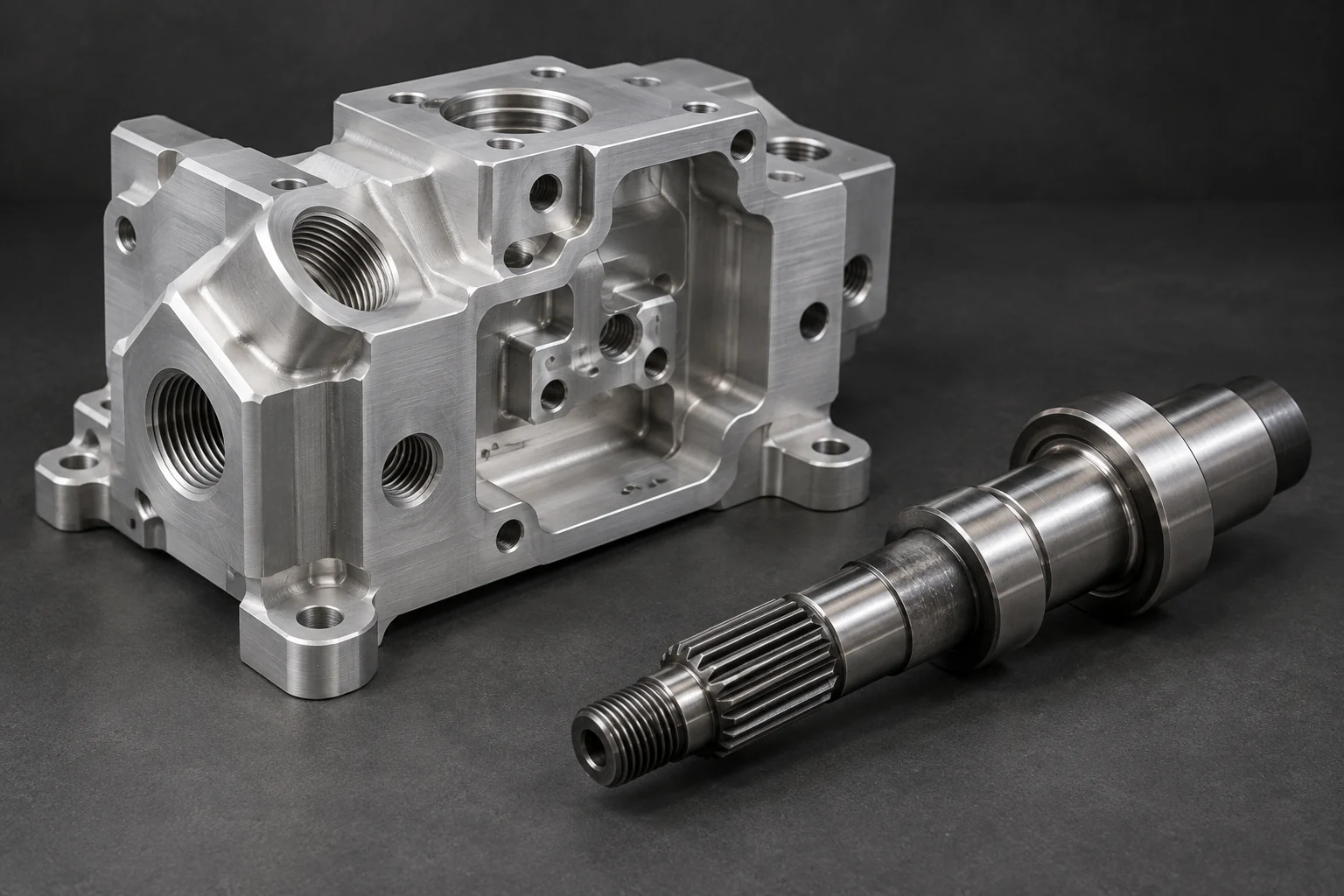

A common worry when a part needs remaking is that you have no drawings. There is no CAD file, no spec sheet, and whatever paper drawing once existed left with someone who retired years ago. Engineers often assume this rules out having the part made. It does not. This post sets out exactly what to send so the design can be recovered from the part itself.
The part itself is the most important thing
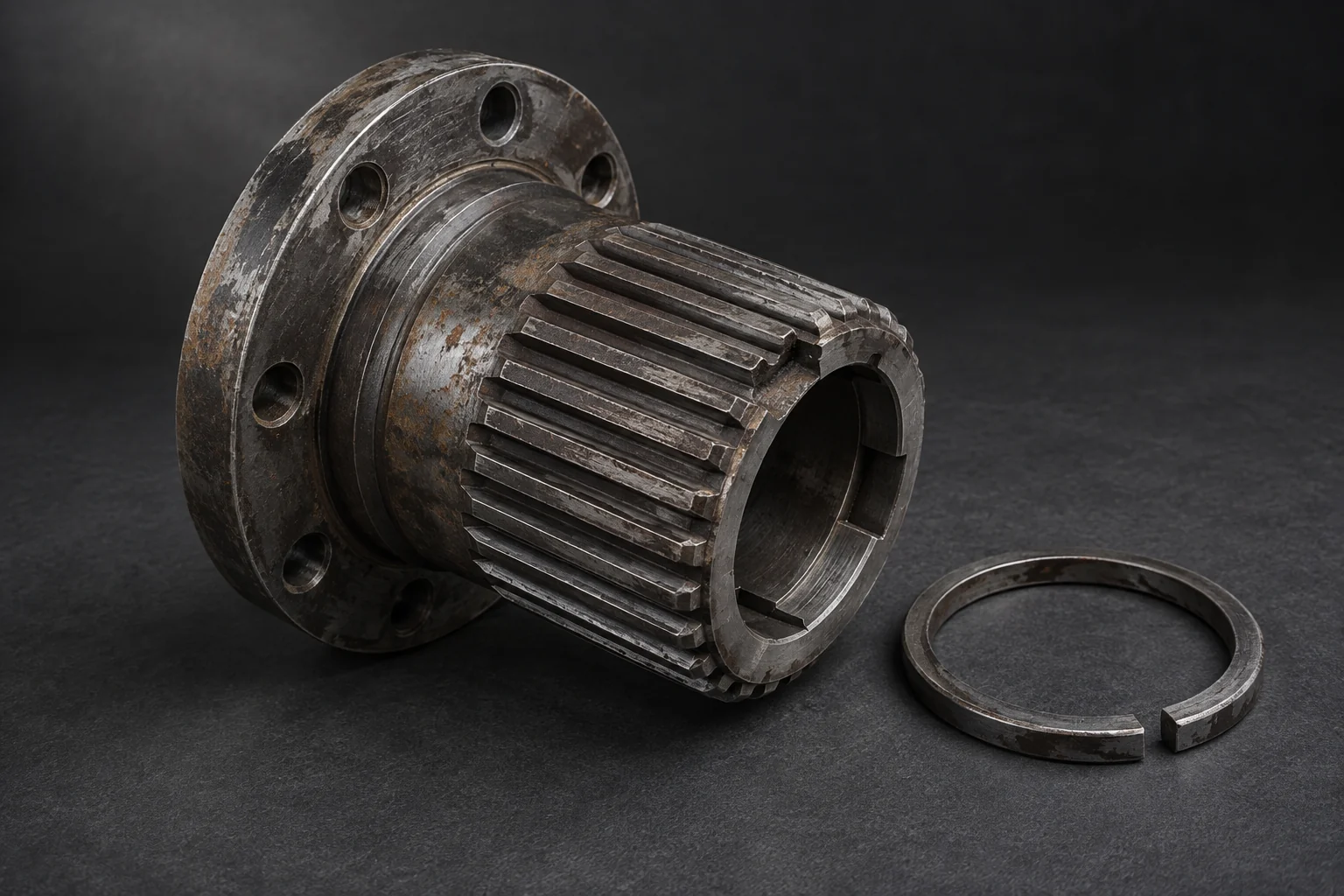
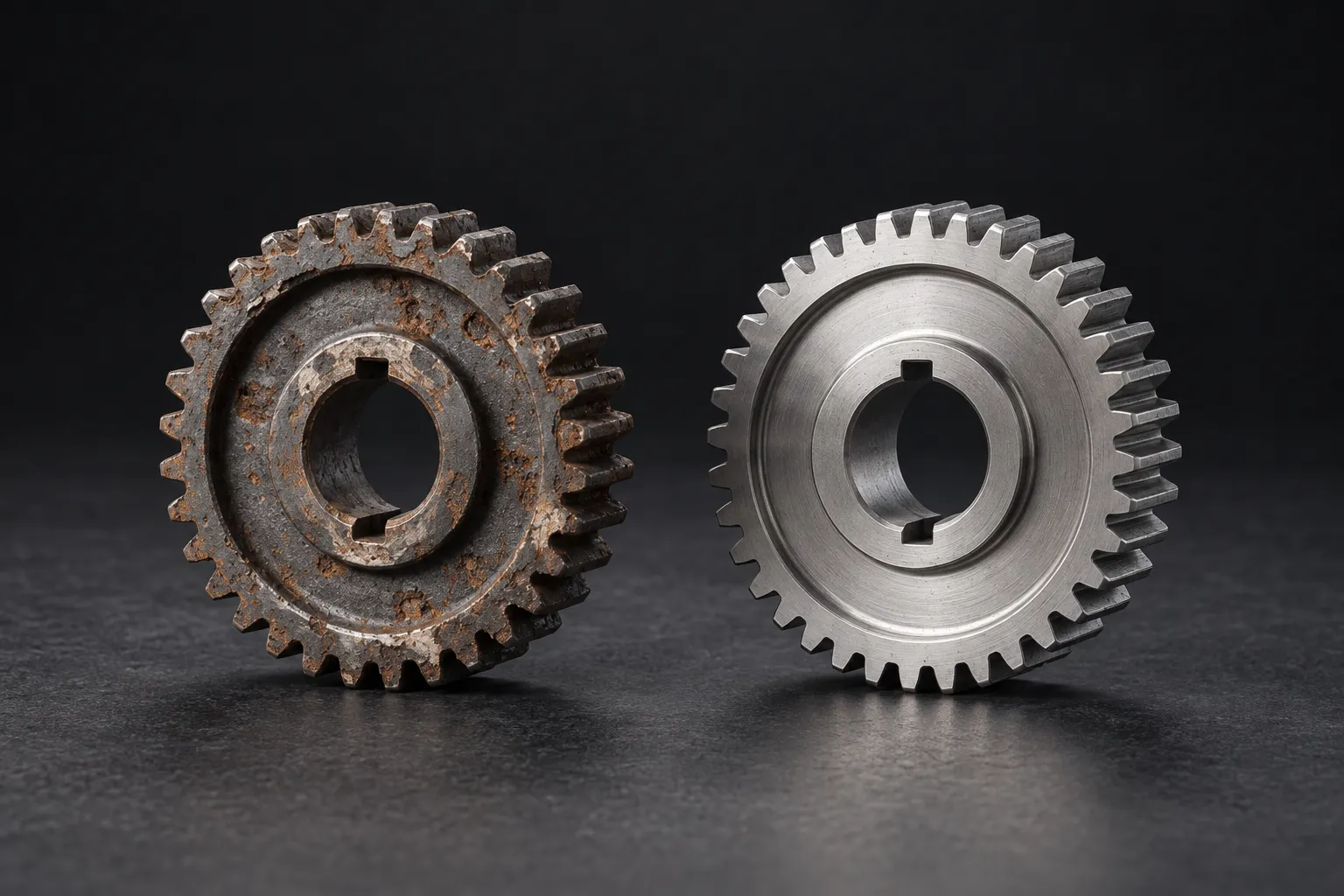
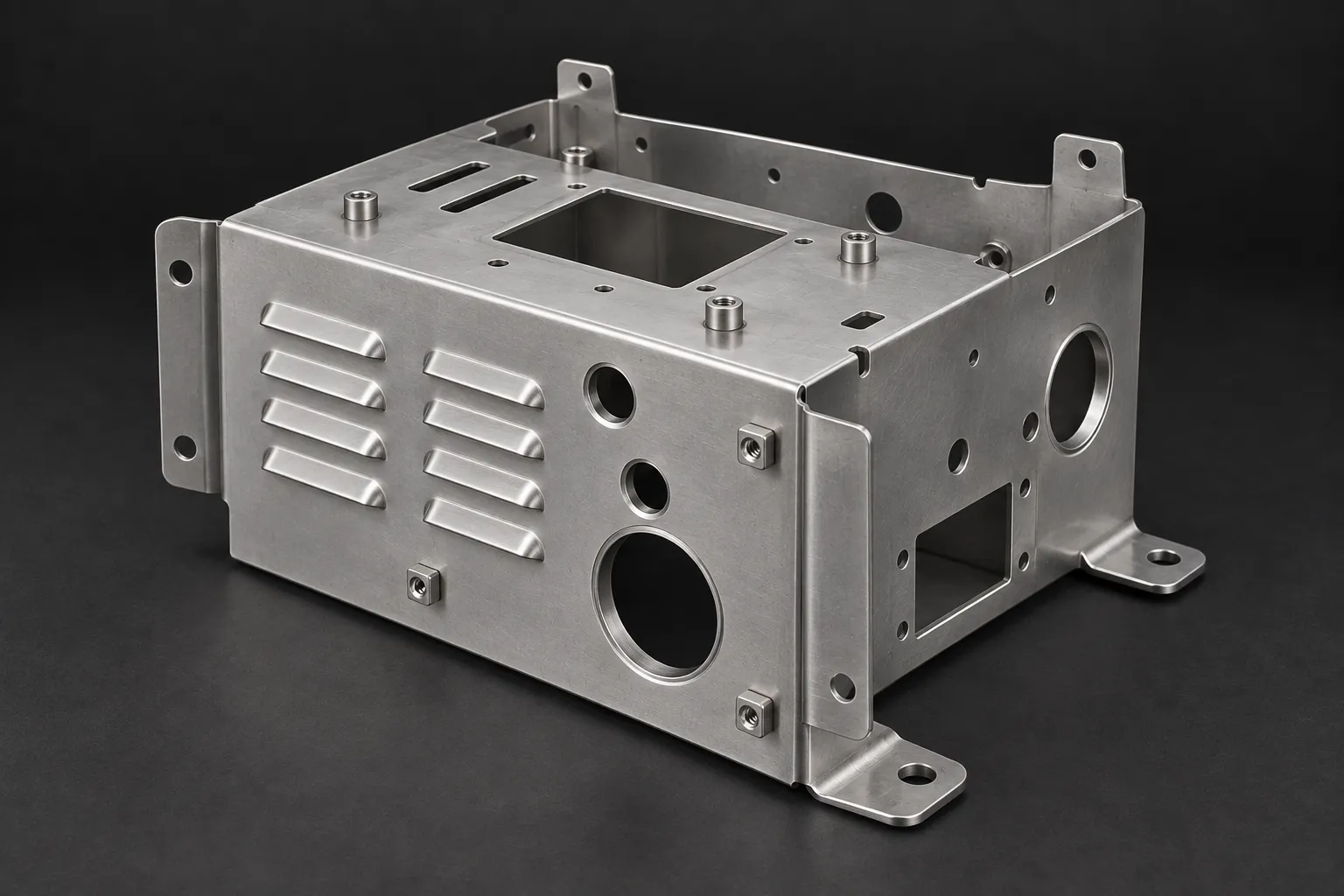
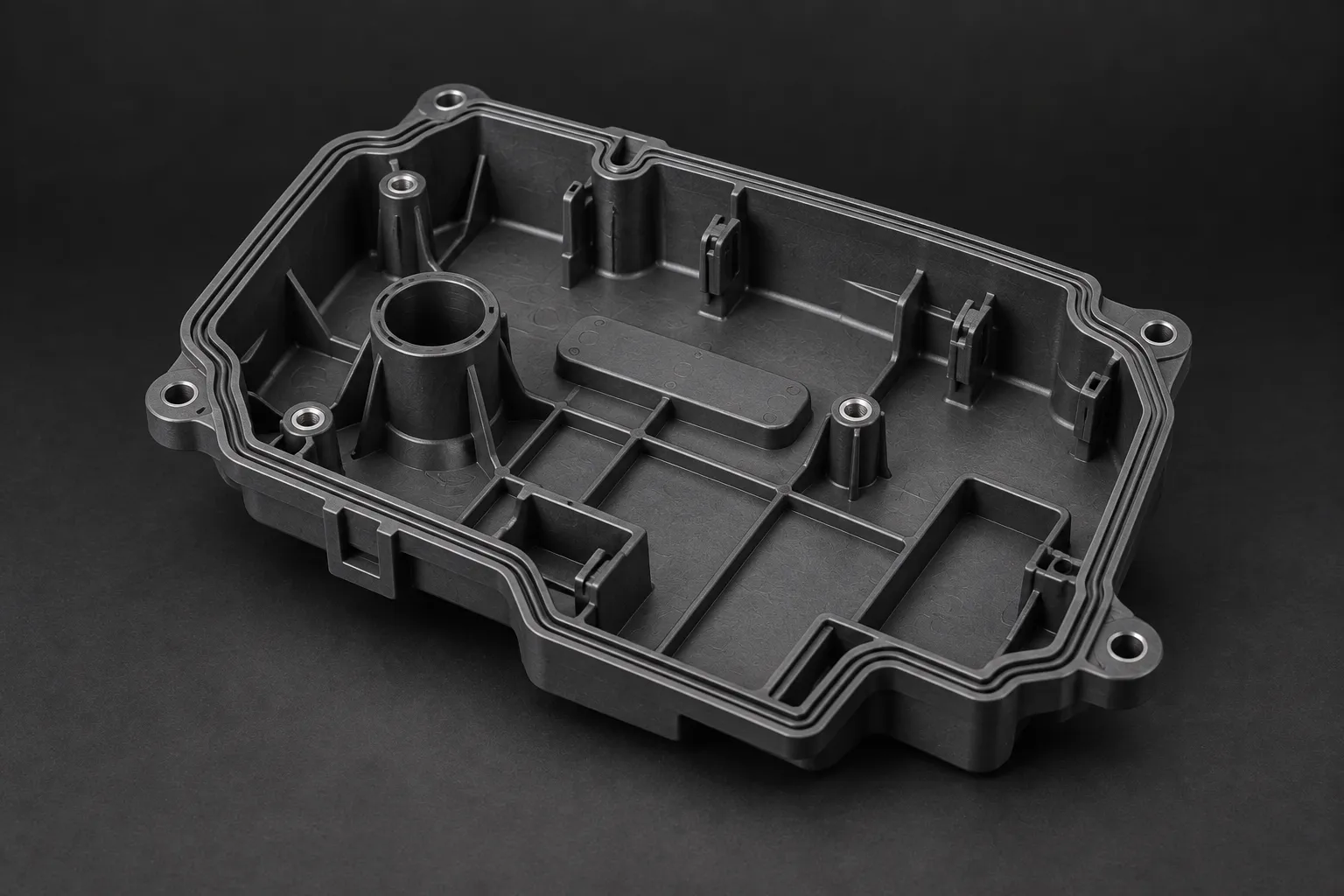
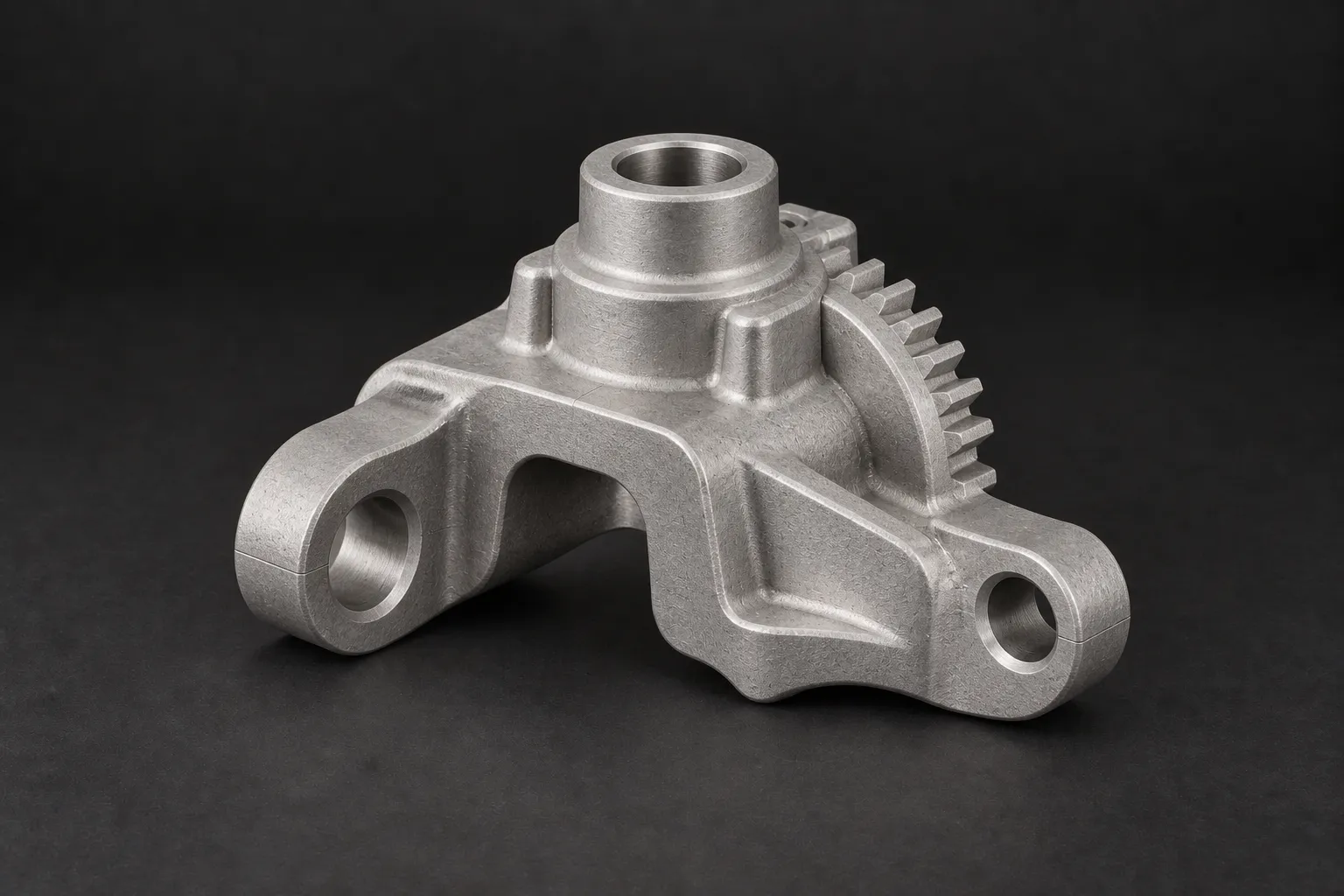
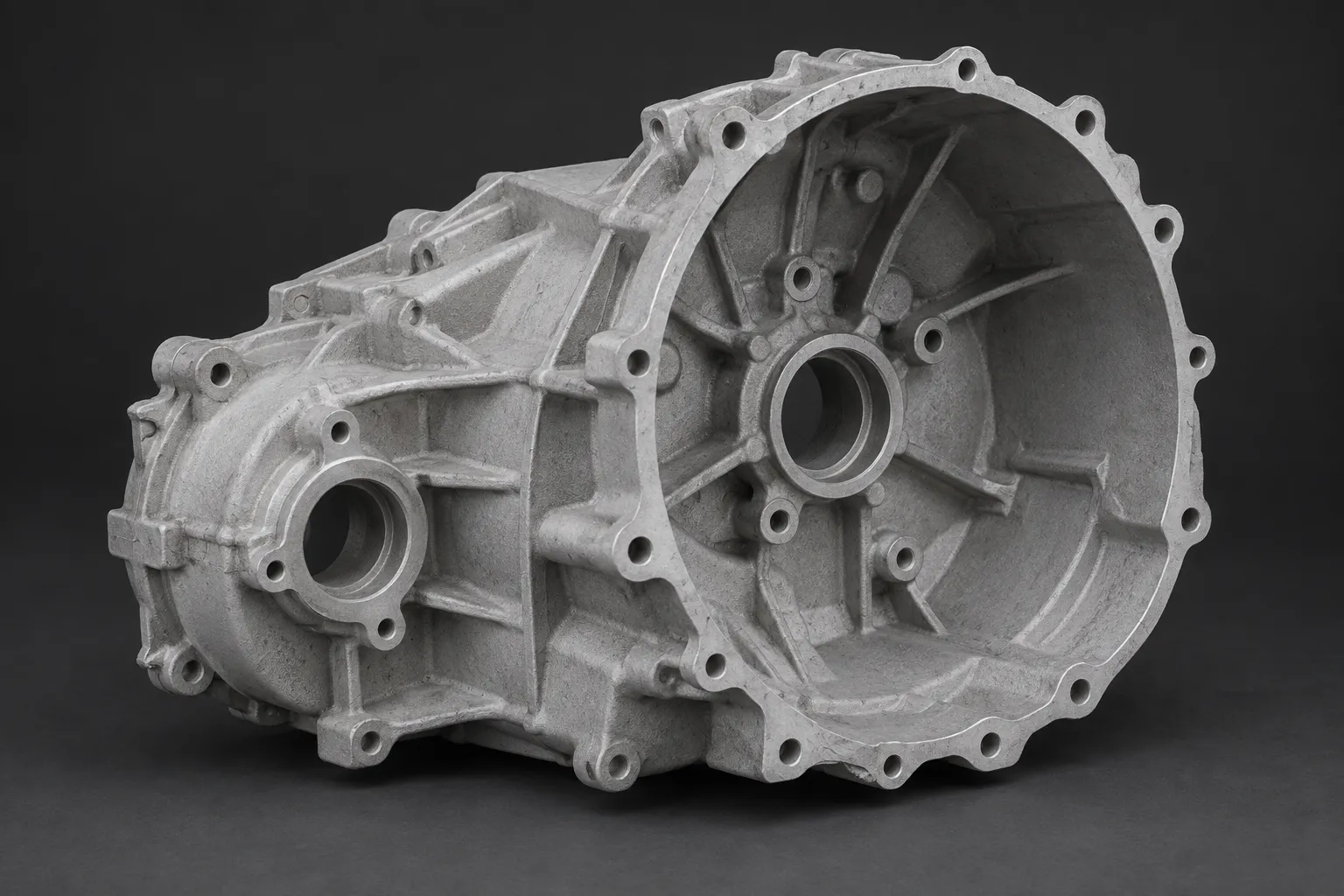
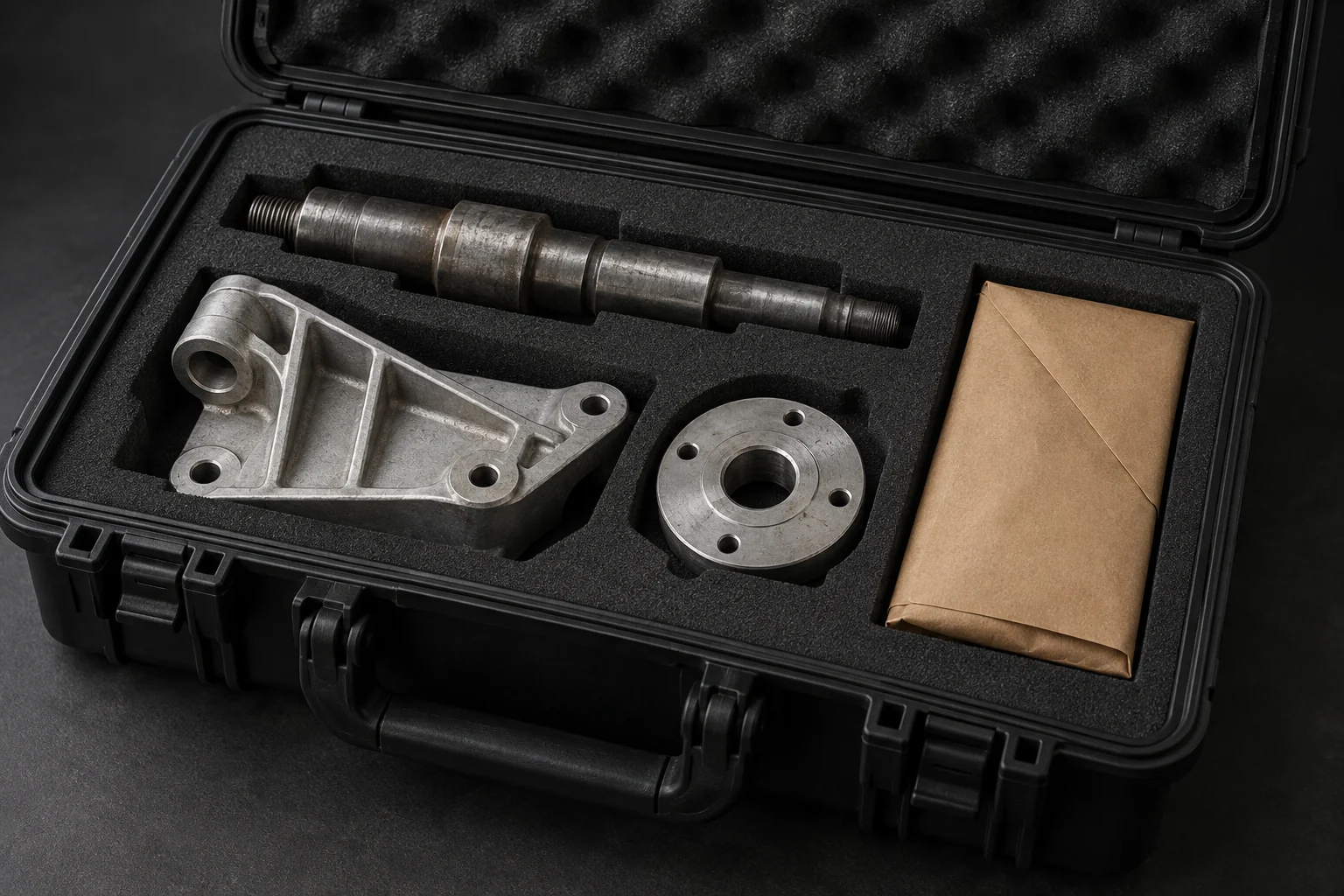
The single most valuable thing you can send is the part, even if it is worn, broken or in pieces. Reverse engineering recovers the design from the physical component, so the part is the master copy. Before you do anything else, stop anyone scrapping it. If you have more than one example, send them all, because a worn part and a less-worn part help a manufacturer read past the wear to the as-designed dimensions.
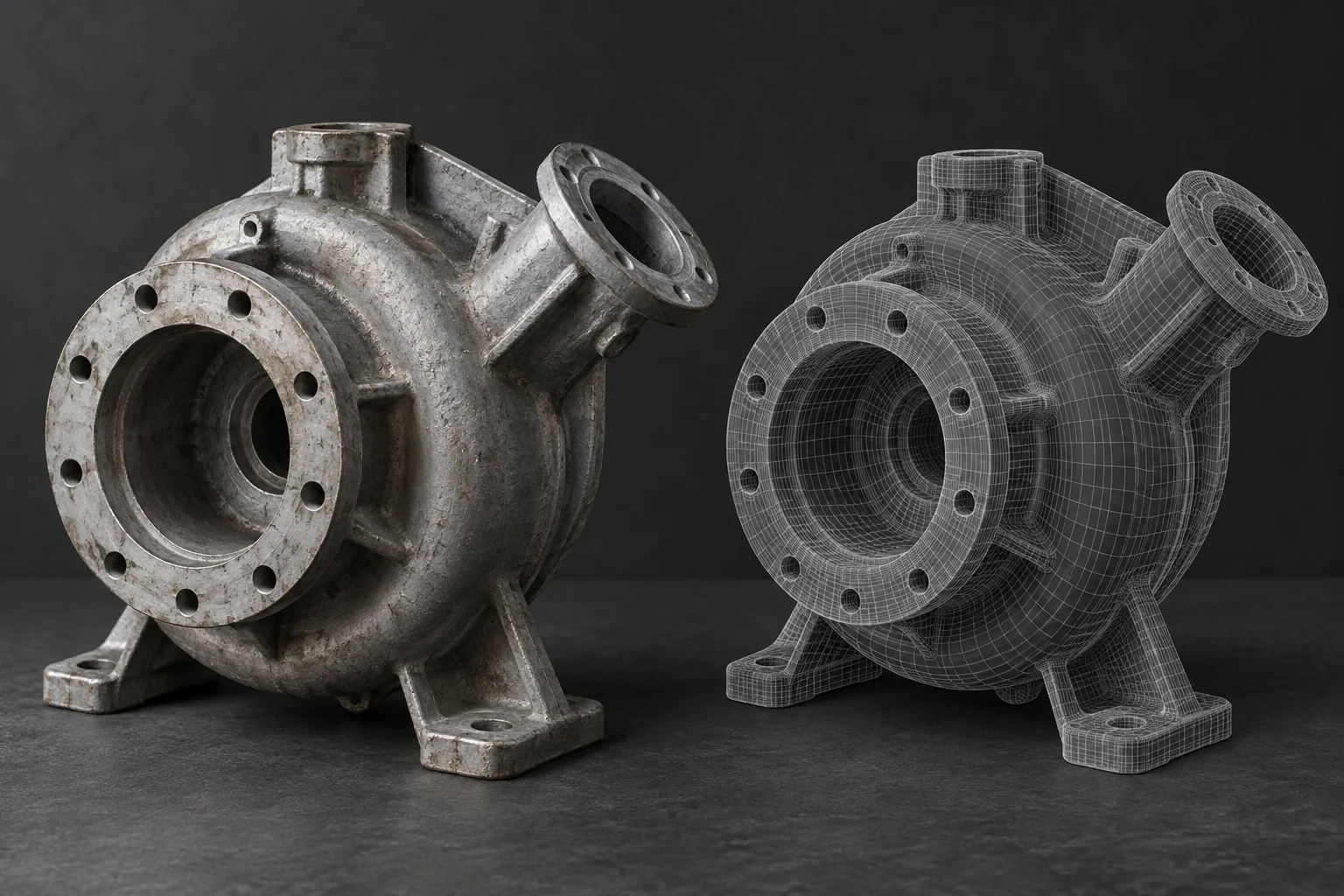
Send anything that survived, even if it is incomplete
Beyond the part, gather whatever exists. None of this is required, but each piece helps:
- Any old drawing, sketch or parts list, however rough or out of date.
- A serial number, casting number, part number or any markings on the part.
- A photograph of the part fitted in the machine, showing what it interfaces with.
- The name of the original machine, its maker and its age.
- Any sample of the mating parts the component has to fit against.
Describe what the part does and how it failed
The part tells a manufacturer its geometry. You tell them its job. Write down where the part sits, what it does, the loads and conditions it works under, how often it moves, and how it failed. A part that runs hot, or in a wash-down food-machinery environment, or under shock load, may need a different material from the original even when the shape is identical.
Say what you actually need
Tell the manufacturer how many you need, whether this is a one-off or the first of a batch, and the deadline you are working to. Being clear up front gets you a more useful quote faster.
What happens once you send it
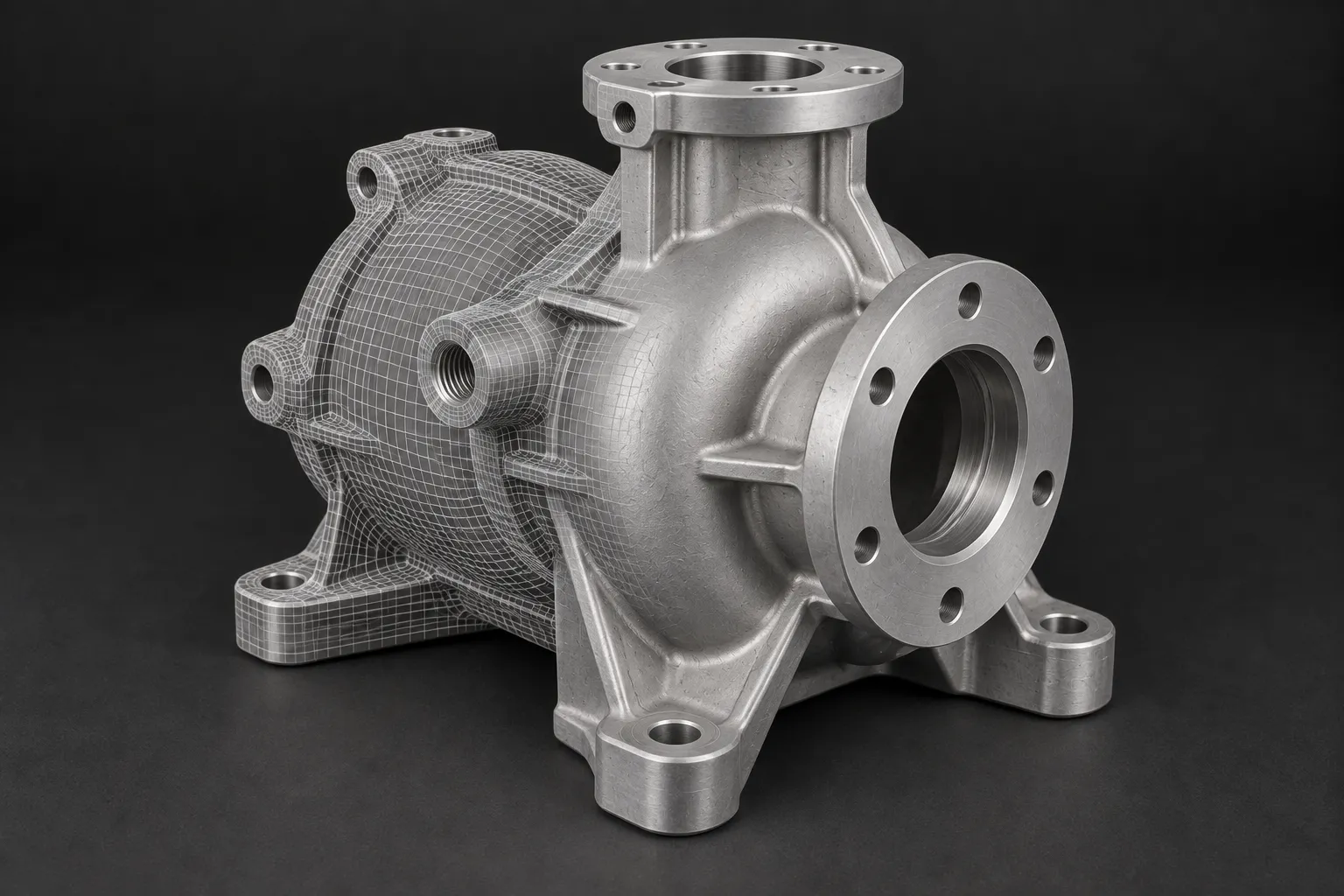
Our team reviews the sample, identifies gaps and agrees the reconstruction work. Measurement and, where useful, scanning support a CAD model and drawing. Critical fits, material requirements and any proposed changes need agreement before manufacture. Ask us to confirm the inspection scope and which model or drawing files are included.
Start with the part you have
Send photographs, any surviving records and a description of the job. Our Peterborough team will assess the information and recommend the next step.
Discuss your part with MV →Explore reverse engineering · Read the full reverse engineering guide