Send us the part. We measure it, model it and make it better than the original. Discontinued, worn or failed components are recovered from the sample itself, with no drawing needed, then rebuilt in CAD and remanufactured on the right process, in metal or engineering plastic. An engineer prices the work within 24 hours.
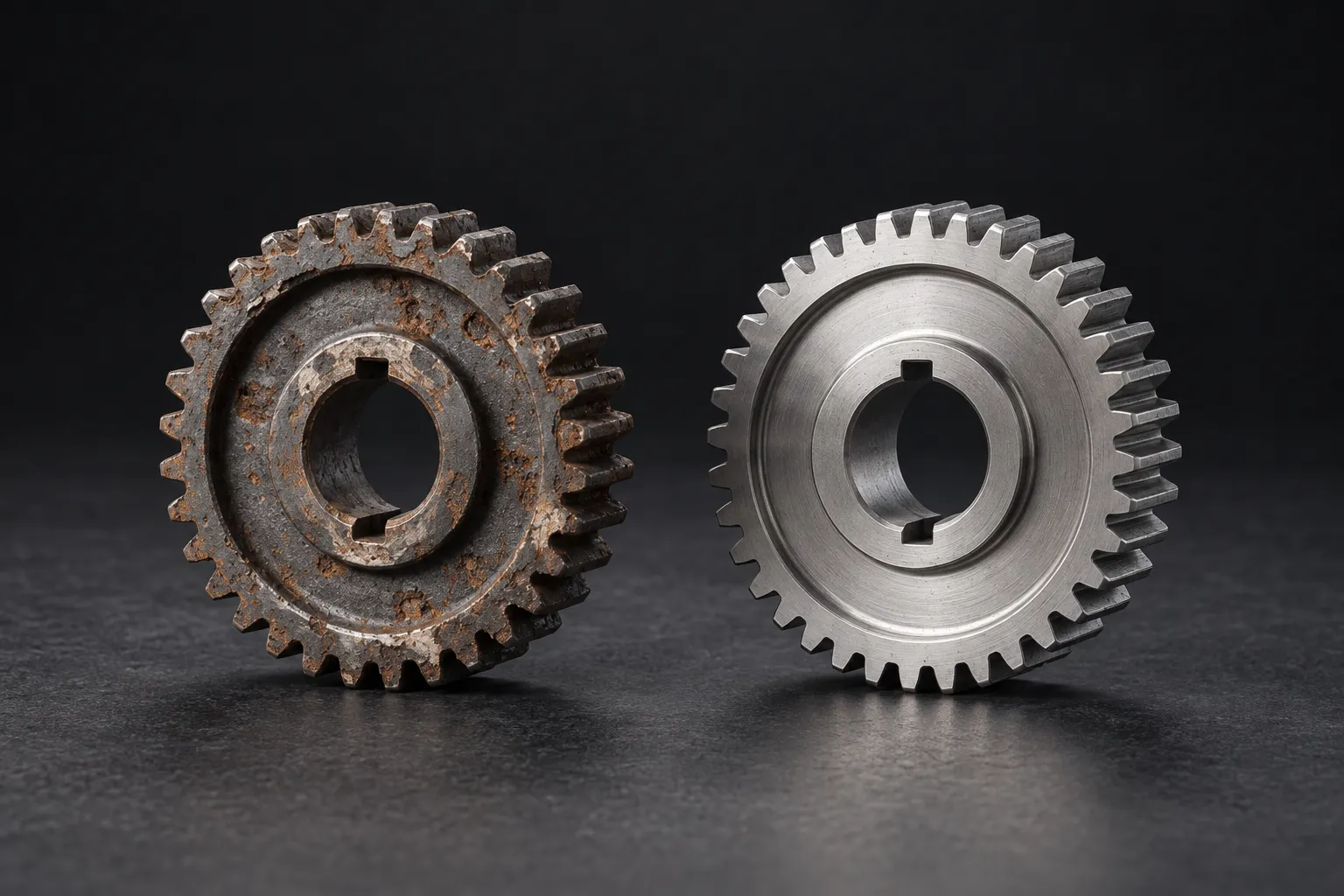
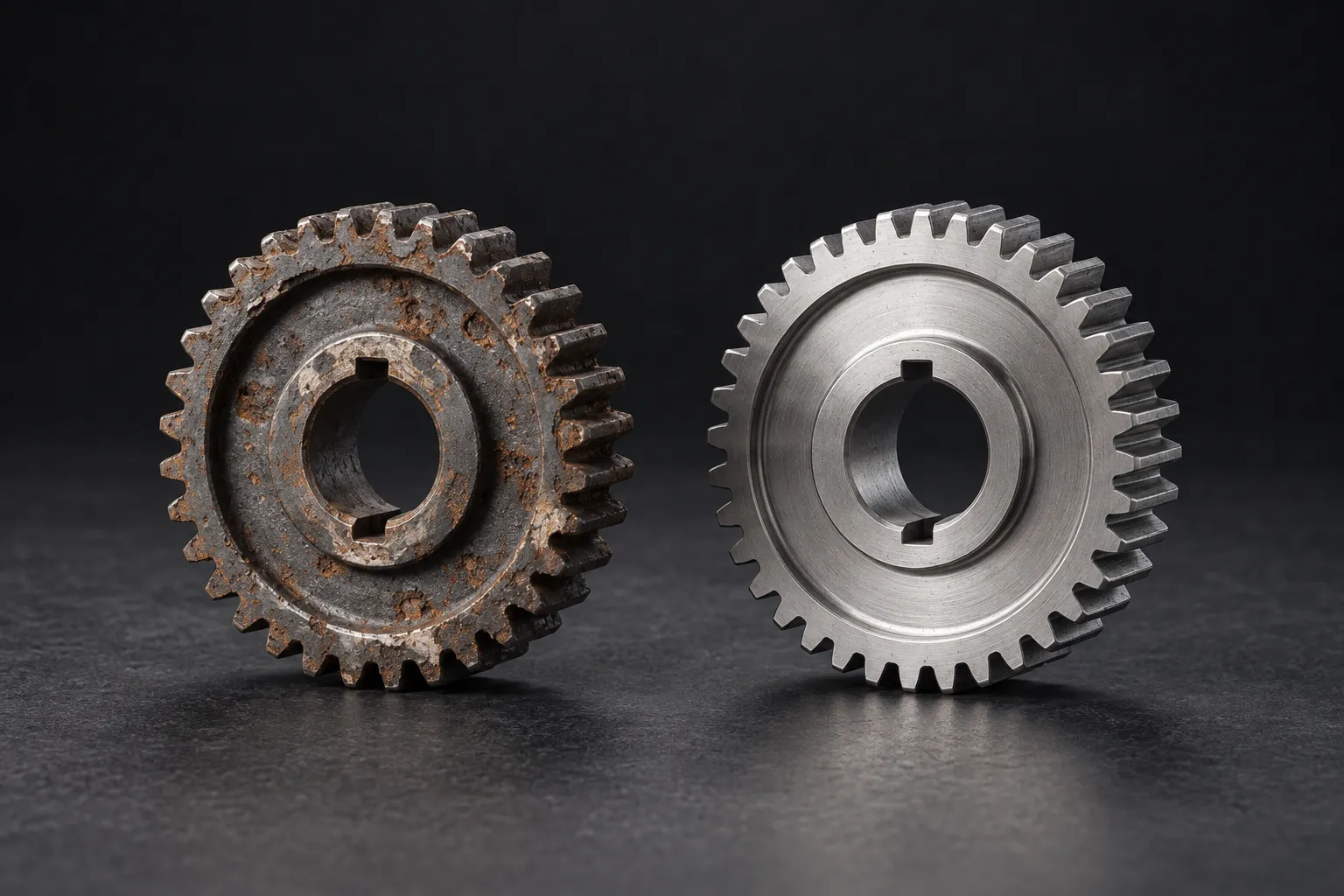
Start with a worn, failed or discontinued part. We reconstruct the design and agree improvements before manufacture.
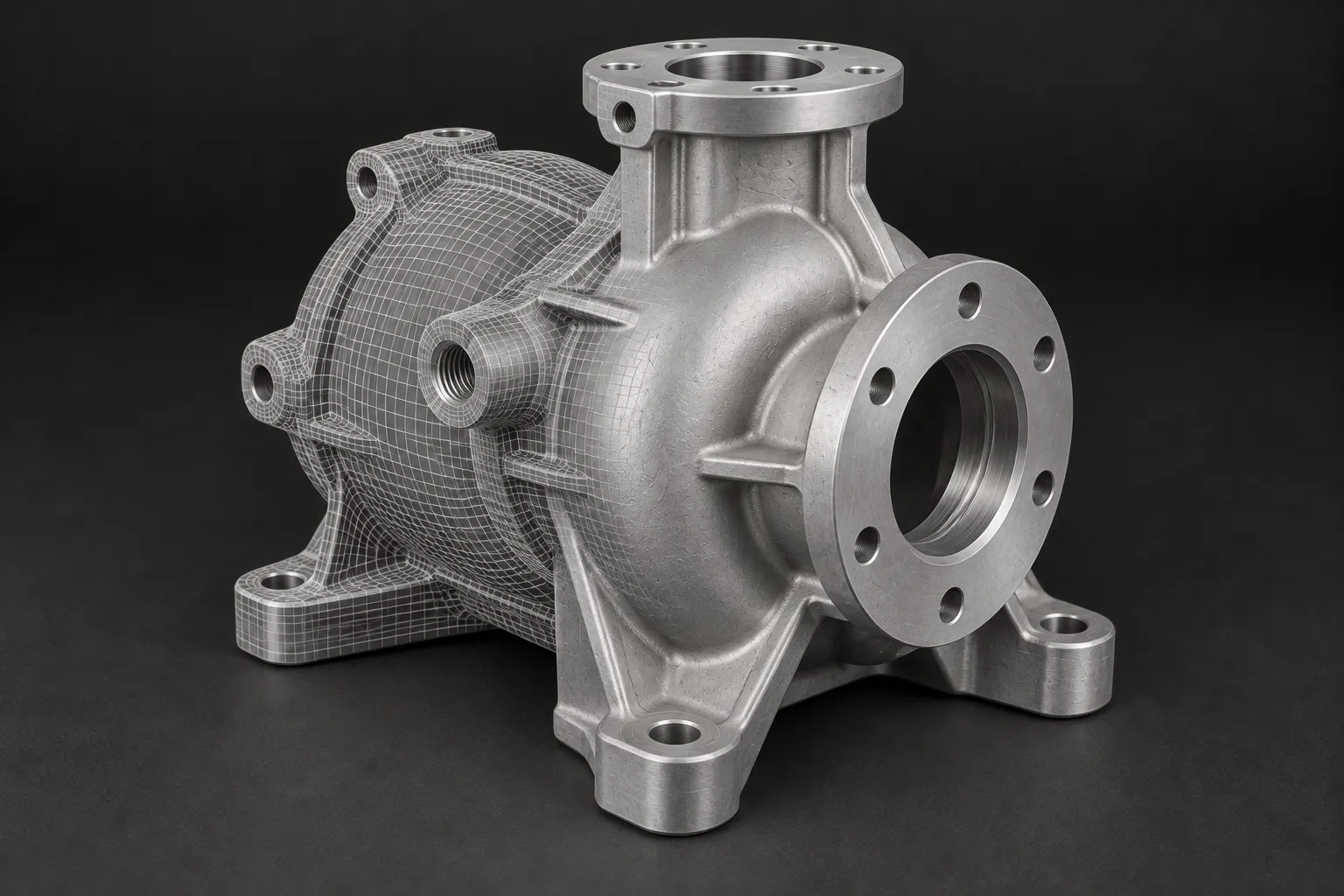
Digital surface capture to support CAD reconstruction and the wider reverse engineering job.
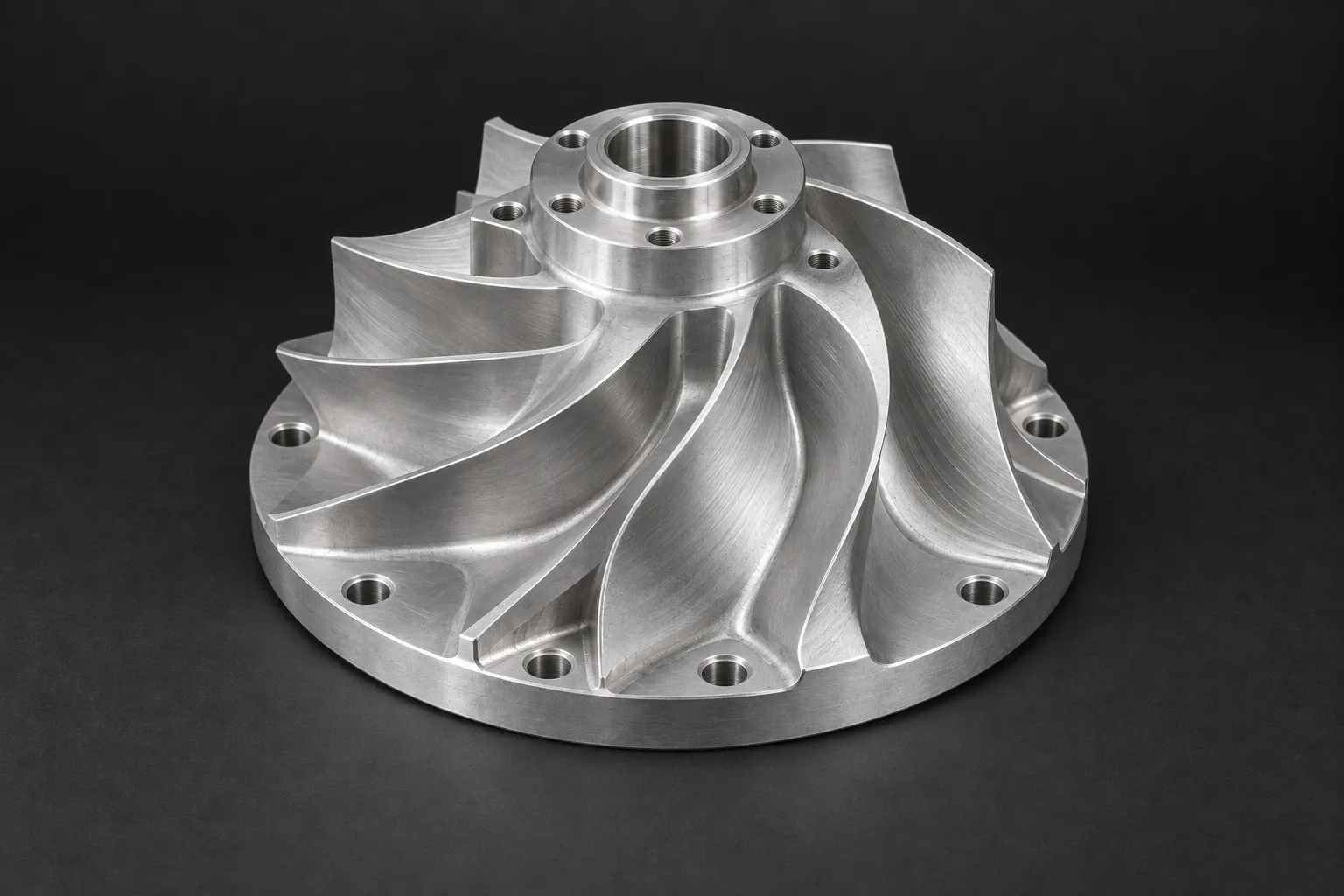
Machine angled features and complex surfaces, with the set-up planned around the critical relationships.
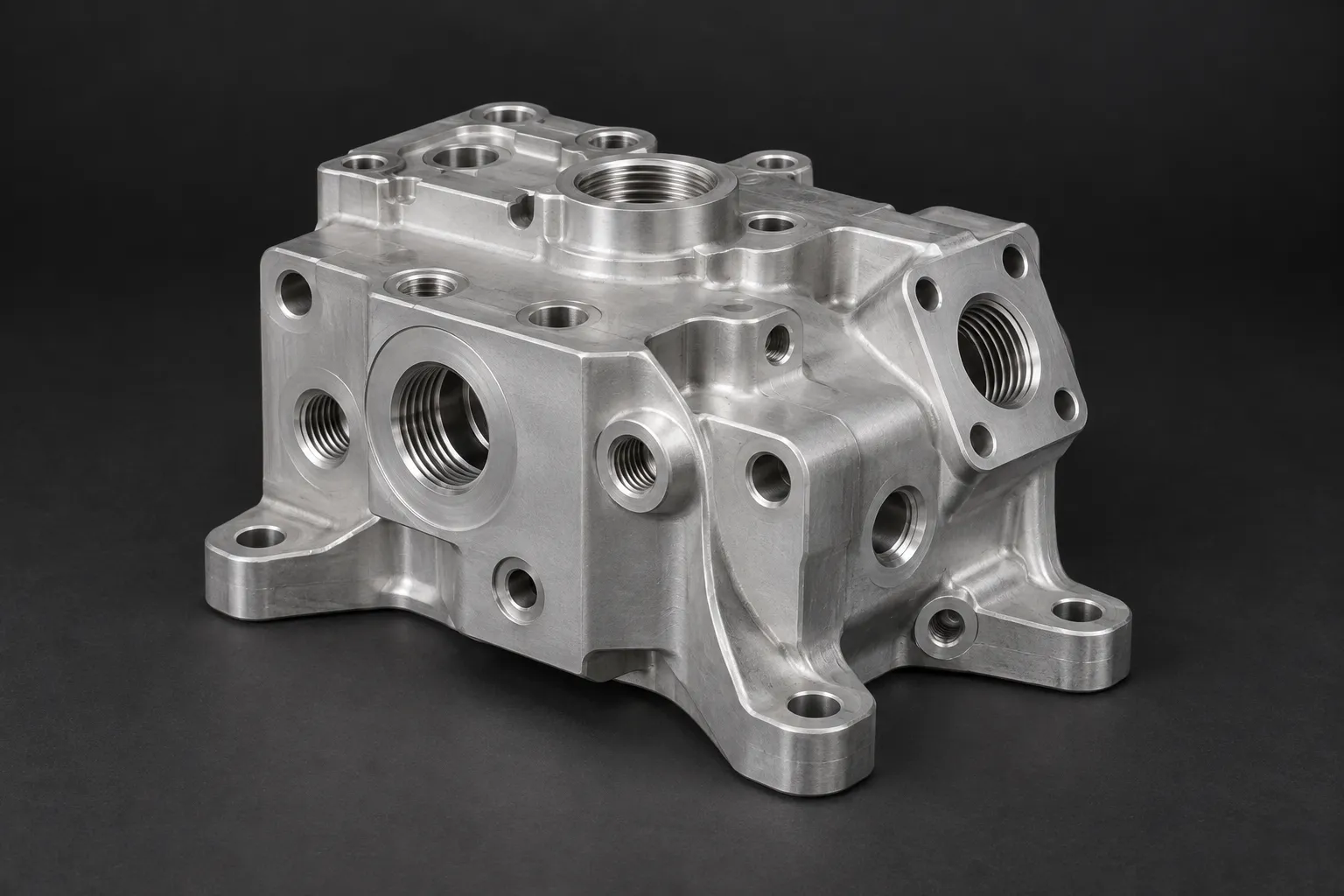
Milled housings, brackets and precision components in metals and engineering plastics.
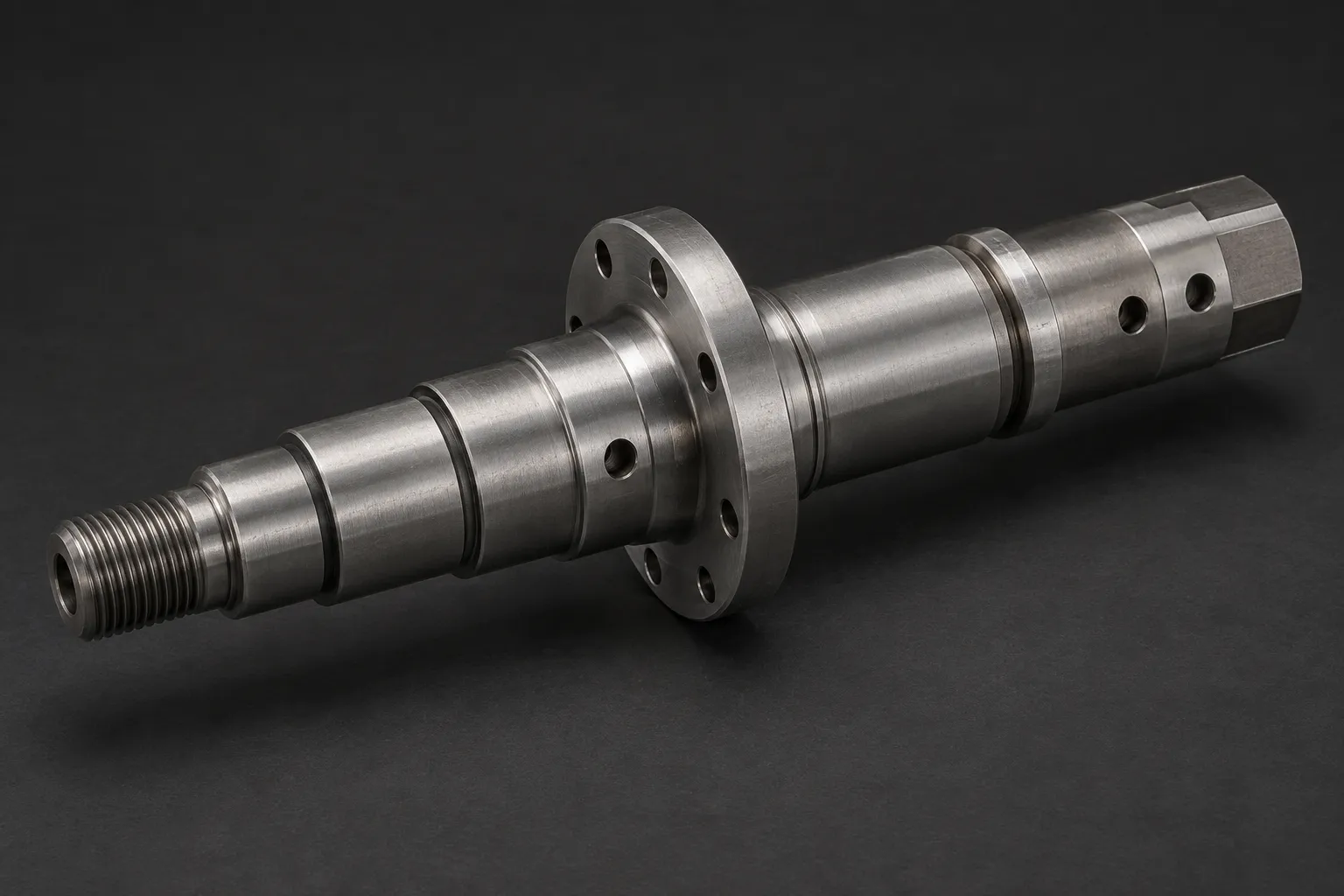
Stepped shafts, threaded fittings and housings, made to drawing or reverse engineered from a sample.
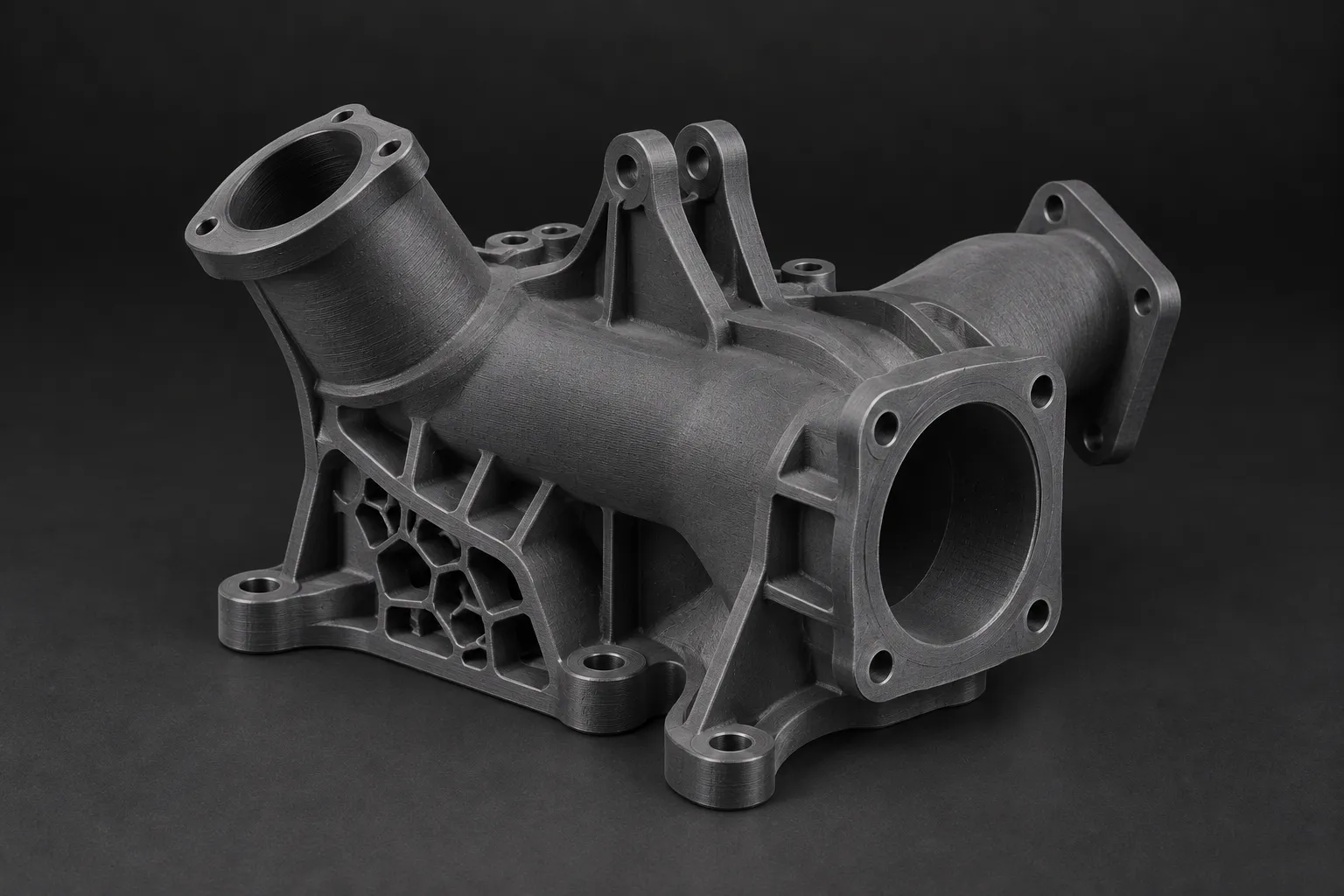
Bring us the application. Our engineers recommend the material and approach for your prototype or part.
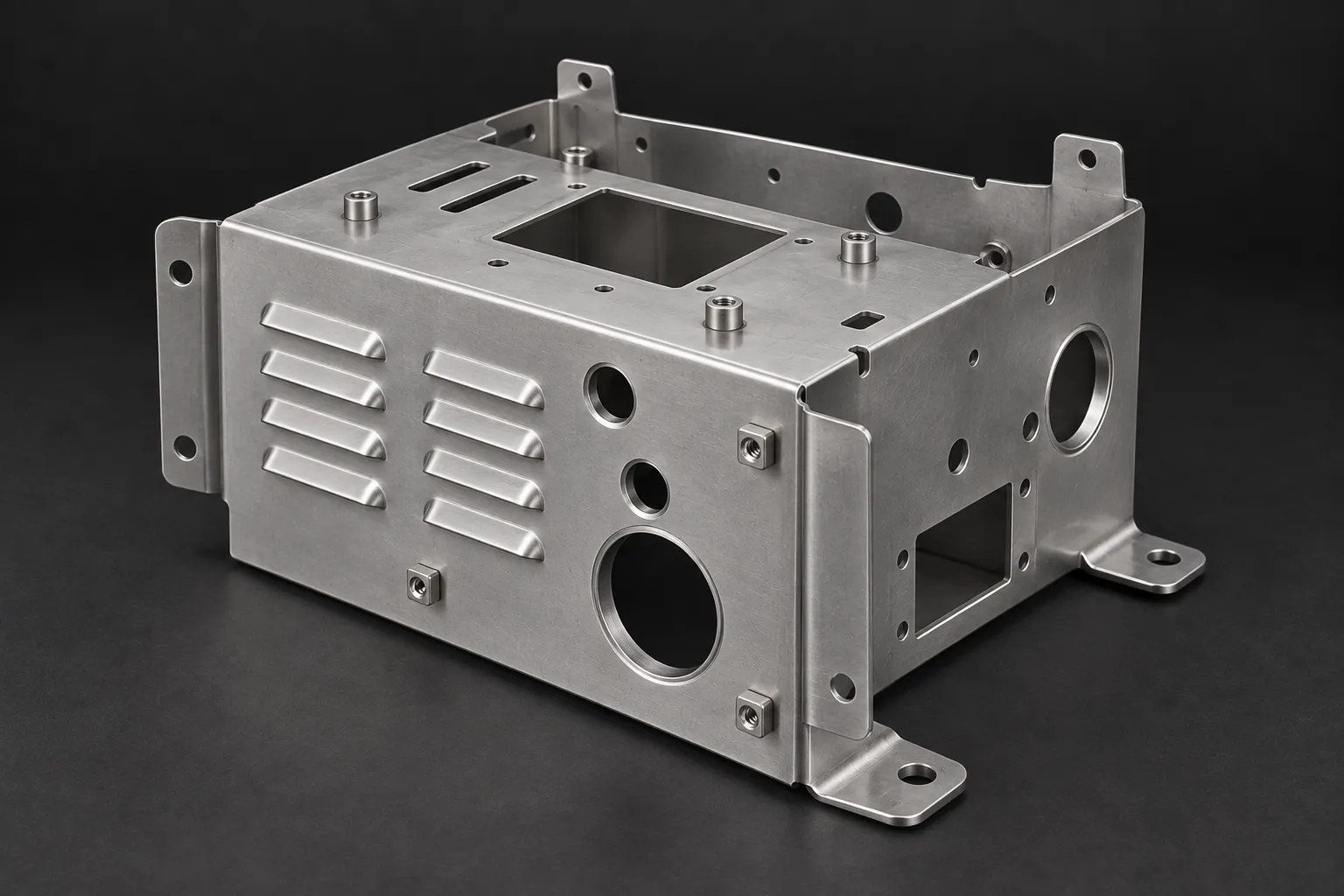
Brackets, panels and enclosures, developed around the bends, interfaces and finished assembly.
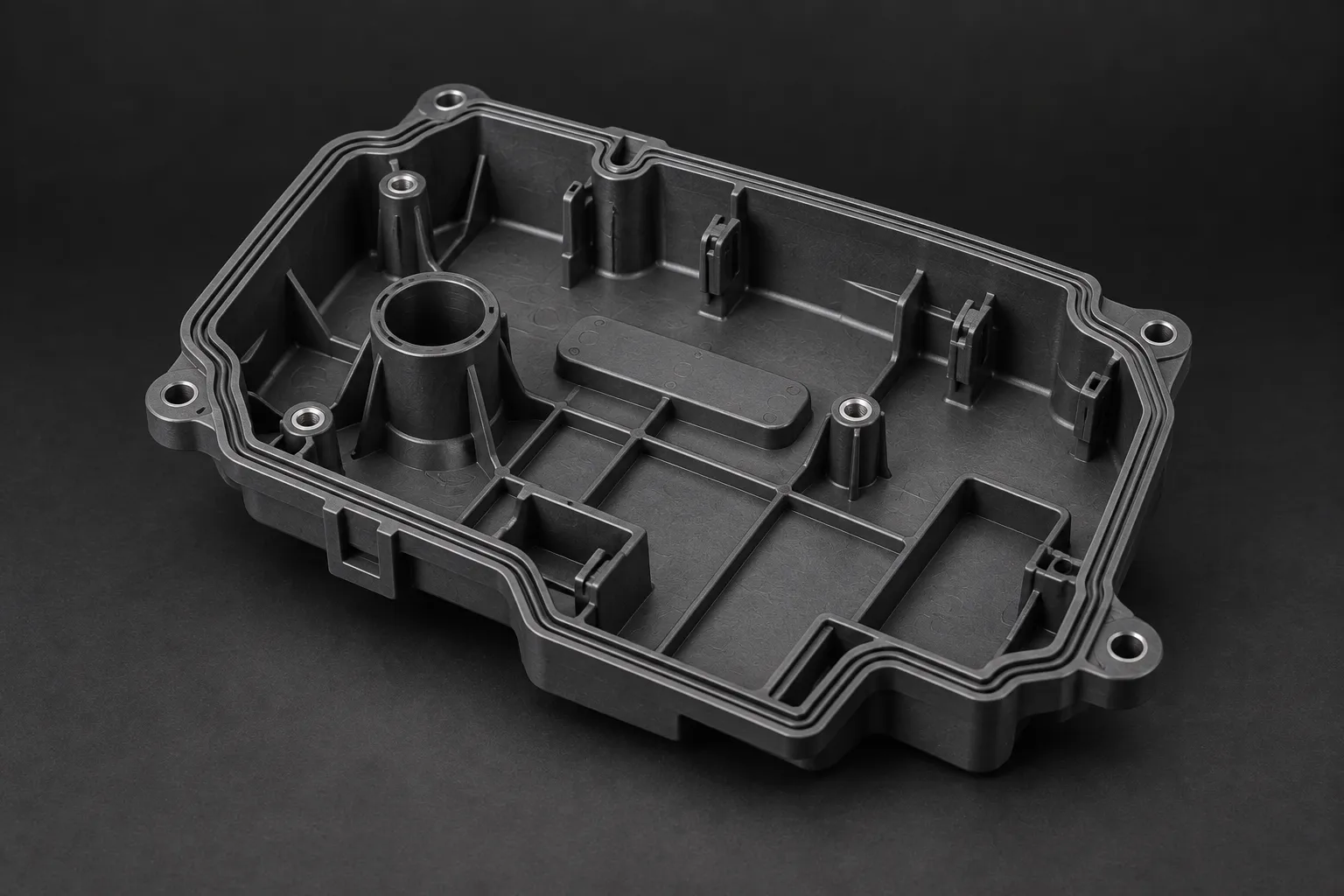
Moulded plastic components, with material, tool design and production requirements considered together.
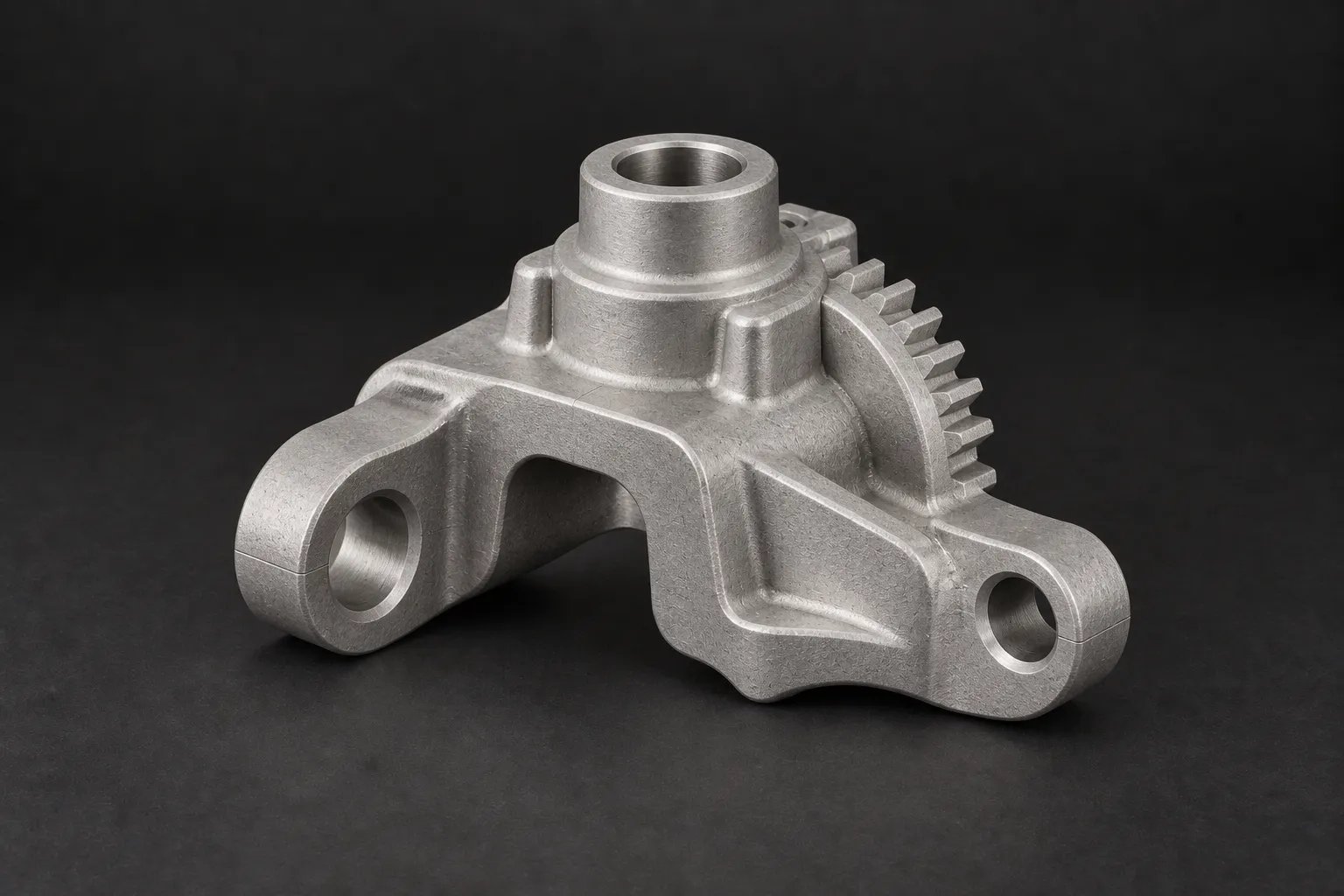
Small, complex metal components where geometry and quantity suit moulding and sintering.
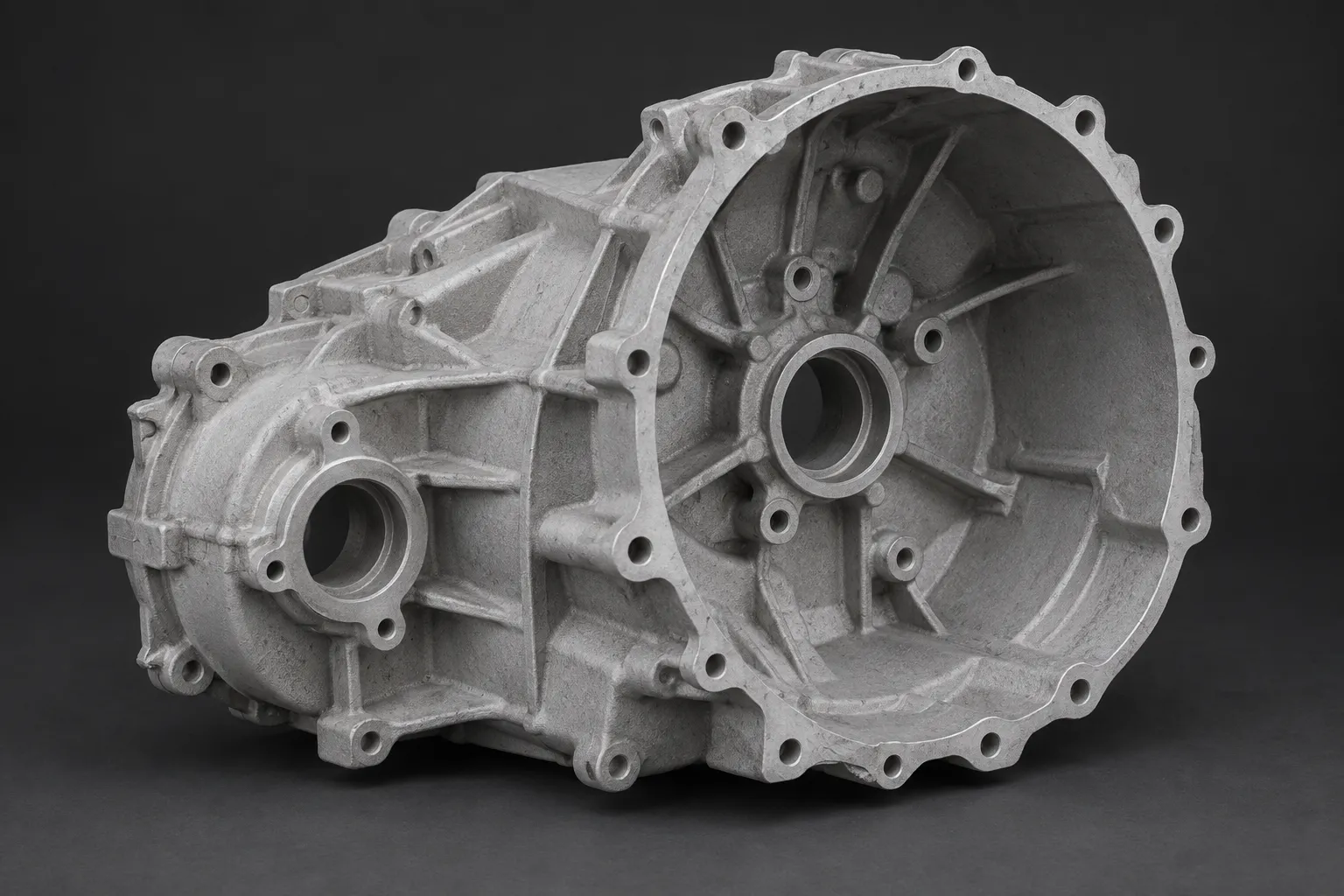
Aluminium housings and components, with casting geometry and any secondary machining planned together.
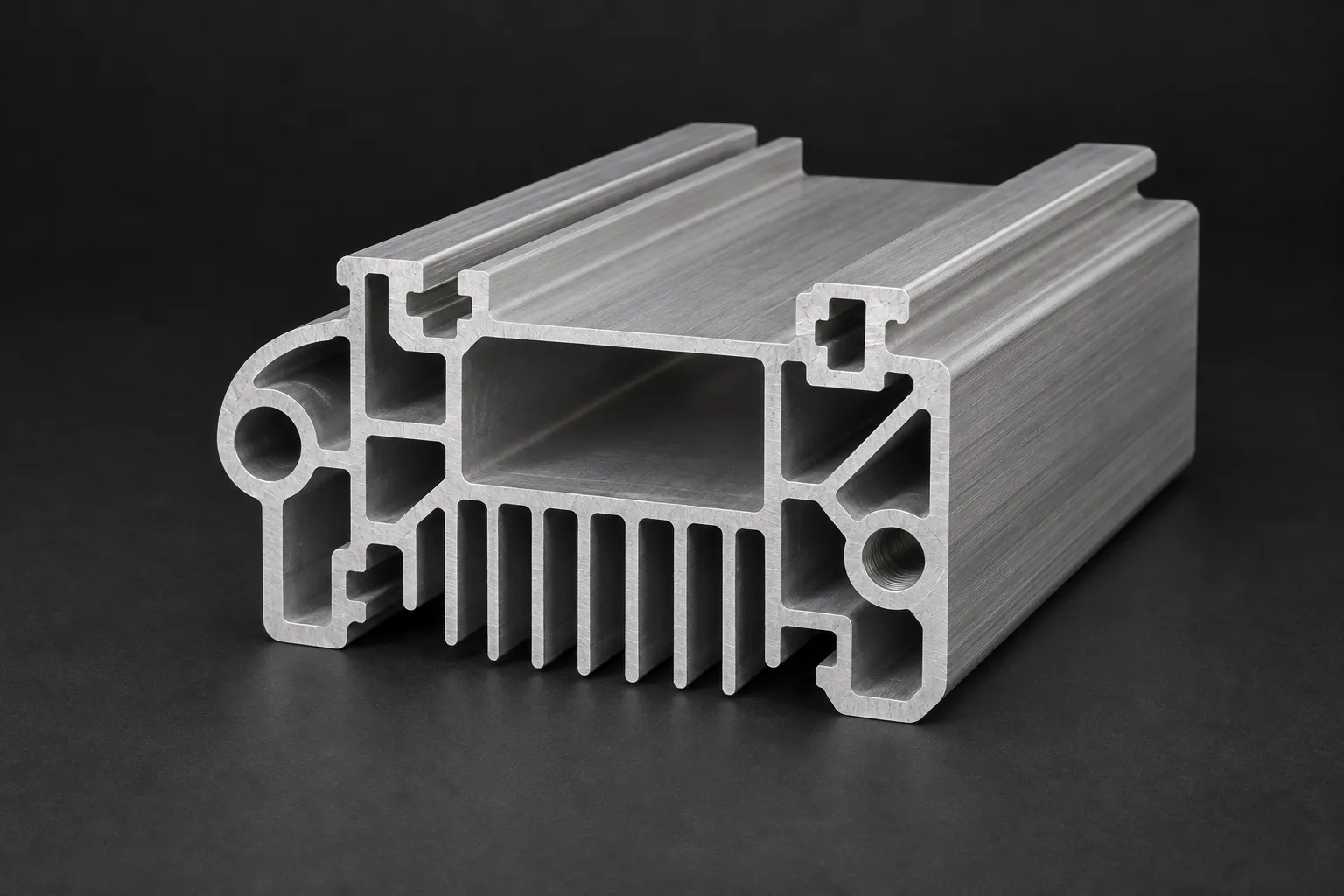
Custom sections developed for the application, then cut, machined and finished as required.
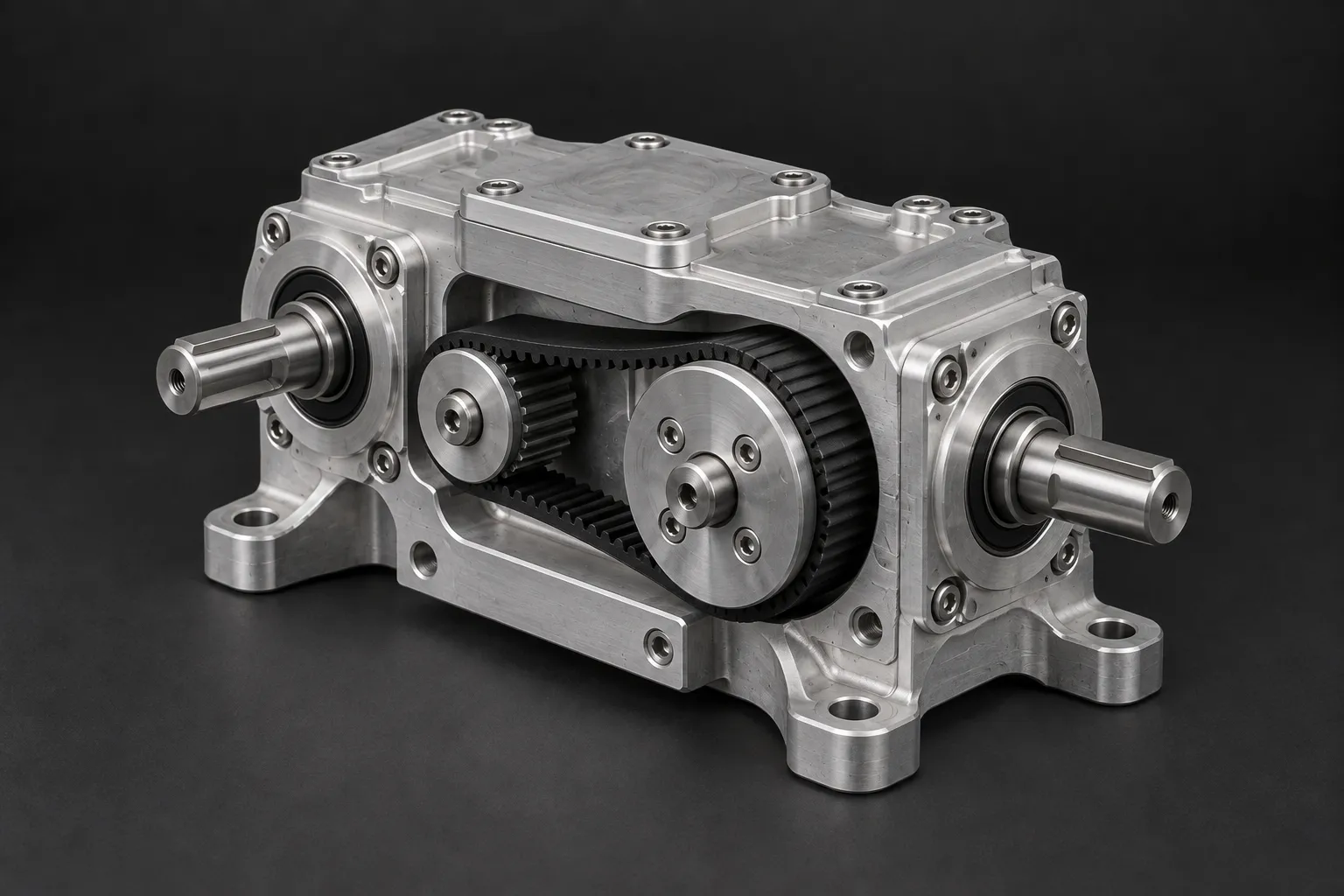
Manufactured and bought-in components brought together, with the interfaces and checks agreed first.
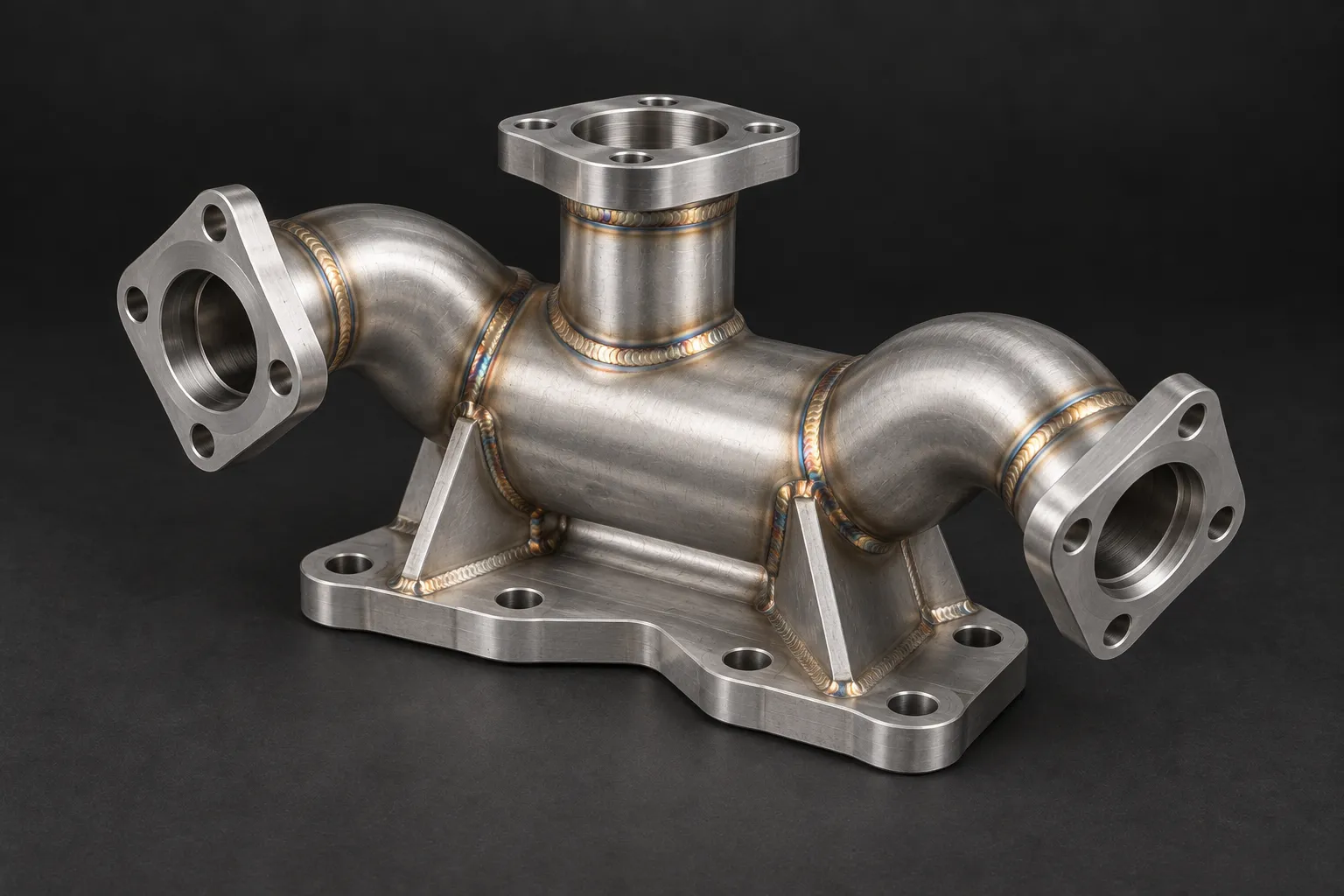
Welded components and fabrications, planned around material, joint access and distortion control.
Reverse engineering recovers the full design of a part from the part itself, not from a drawing or a data file. We start with the physical component, often the only one left, and work backwards: measuring its geometry by hand metrology or 3D scanning, establishing its material, understanding the loads it carried, and rebuilding a complete, manufacturable definition in CAD. The output is a parametric model and a 2D drawing accurate enough to make a part that fits and works in place of the original, held to the tolerance the application needs. Where the design carried a weakness, we correct it before anything is cut, so the replacement is better than the original.
No drawing needed. We measure the part by metrology or 3D scanning to recover its geometry.
We reconstruct the part as a full parametric model that carries its original design intent.
We work out why the original failed, wore or cracked, and correct the cause in the new part.
We choose the right process for the part, from 5 axis to casting, milling to welding.
A failed part still holds its as-designed shape under the damage. We read past the wear, recover the geometry it should have, and correct the weakness that caused it. You get a replacement that fits the machine you have and is better than the original.
Bring us the component with no paperwork at all. We measure it, rebuild the model from the part itself, and make the replacement from there.
Where the design caused the failure, we ease the stress point, change the material or fix the fit before we make anything, so the fault is not carried forward.
Once we've reverse engineered your part, we manufacture it by CNC machining in whichever material matches or improves on the original, from aerospace grade aluminium through to engineering plastics. The list below covers what we stock most often; if your part calls for something else, just ask.
Please see our material lists for Reverse Engineering. Looking for a material you can't find here? Get in touch to discuss your requirements.
Al6061
Al6063
Al6082
Al5754 (H22)
Al5086 (Marine Grade)
Al7075 (Aerospace grade)
1045 (EN8 / C45)
EN24
EN19
303
304
306
316
Duplex 2205
Titanium Ti-6Al-4V (TC4)
Titanium TA2
Bronze C510, C544
Brass CZ121, CZ112 / CW712R
Alloy Steel 4340
Copper C101, C172
Copper C14500 / CW118C
Nickel: Inconel 625, 718
ABS
PP
POM-H, POM-C
HDPE
PEEK
High Density Foam
Epoxy Tooling Board
Parts we reverse engineer are typically remanufactured using CNC machining, so the same finish options apply: a clean as-machined surface, bead blasting, or anodising in colour or the tougher Type 3 coating. We will match the finish of your original part as closely as possible, or specify a new one if you prefer. If you have a specific finish in mind that is not shown here, tell us and we will confirm whether we can achieve it.
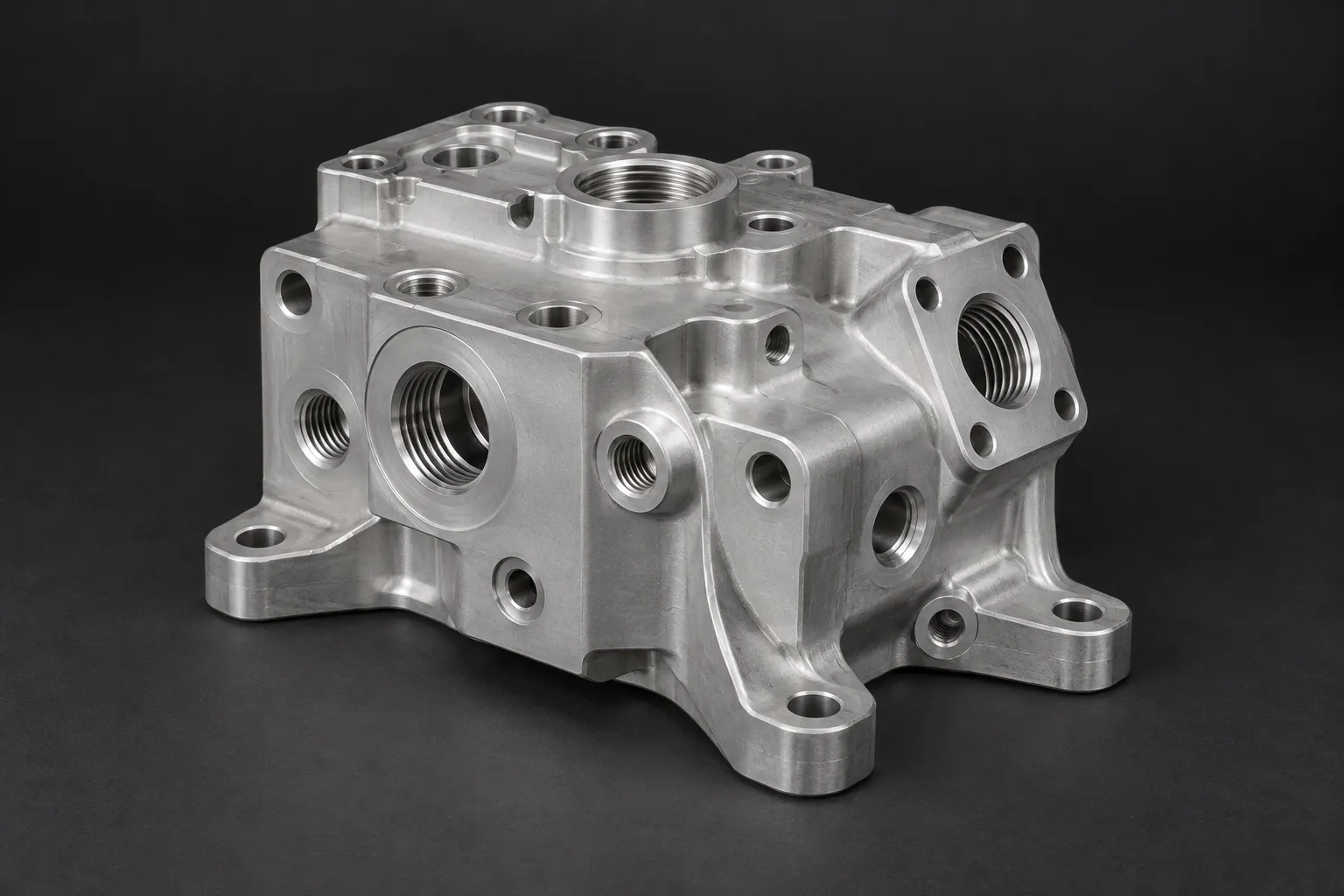
Surface roughness can be specified using Ra value.
Ra3.2 - 1.6um as standard.
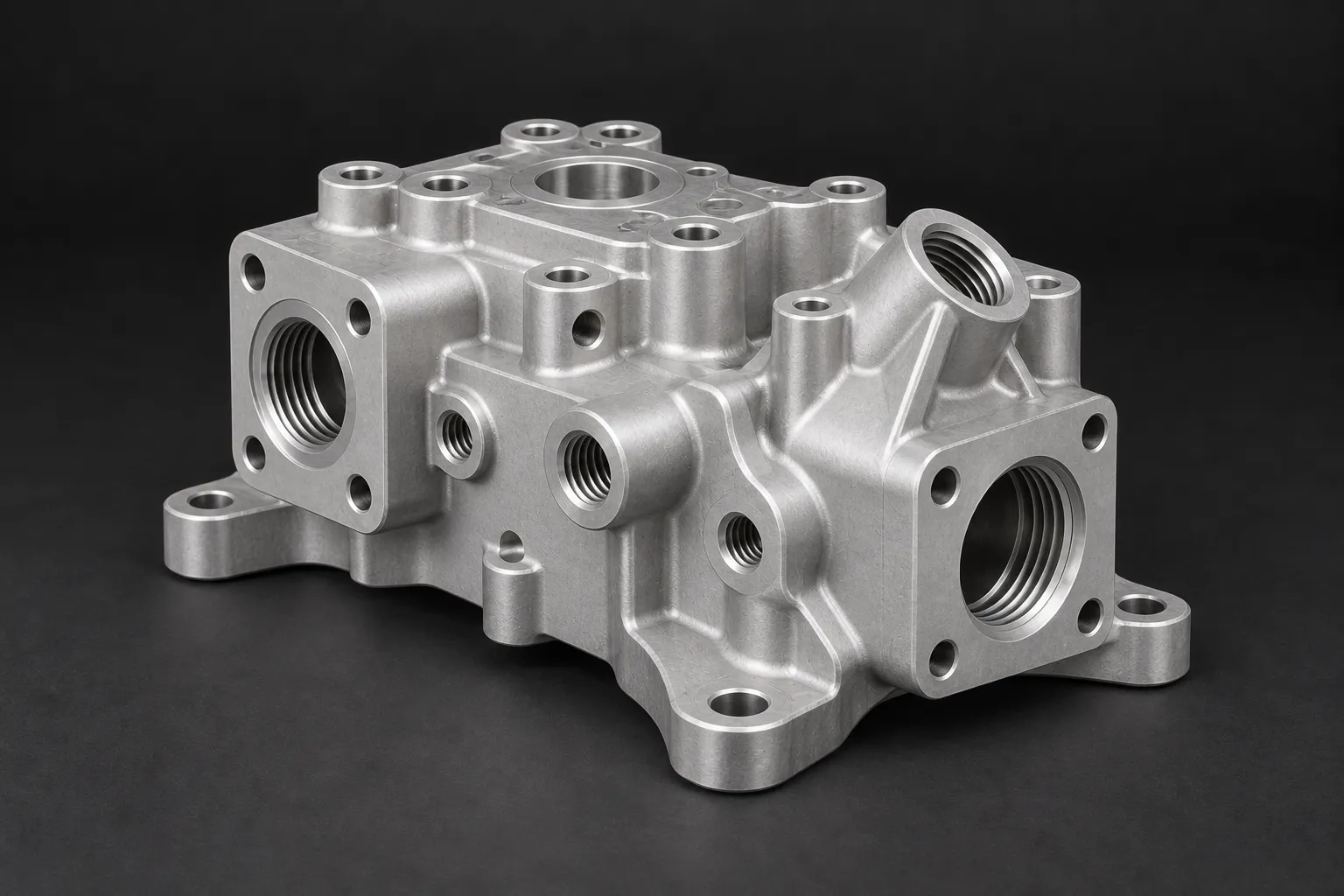
Bead blast size: 80um as standard. 50-120um available.
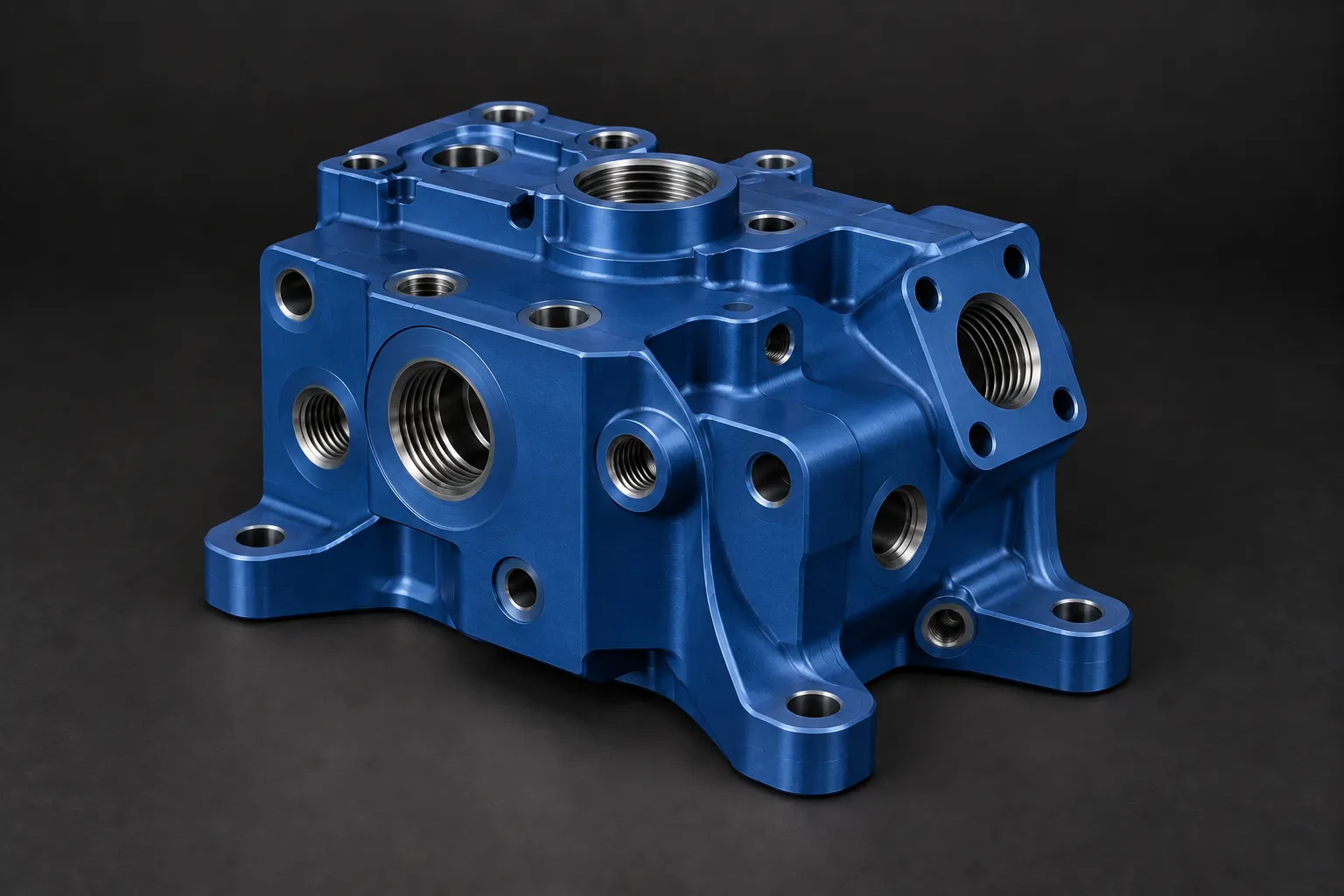
Standard: Clear / natural, black, red, green, blue, yellow / gold. Close match to specified RAL numbers.
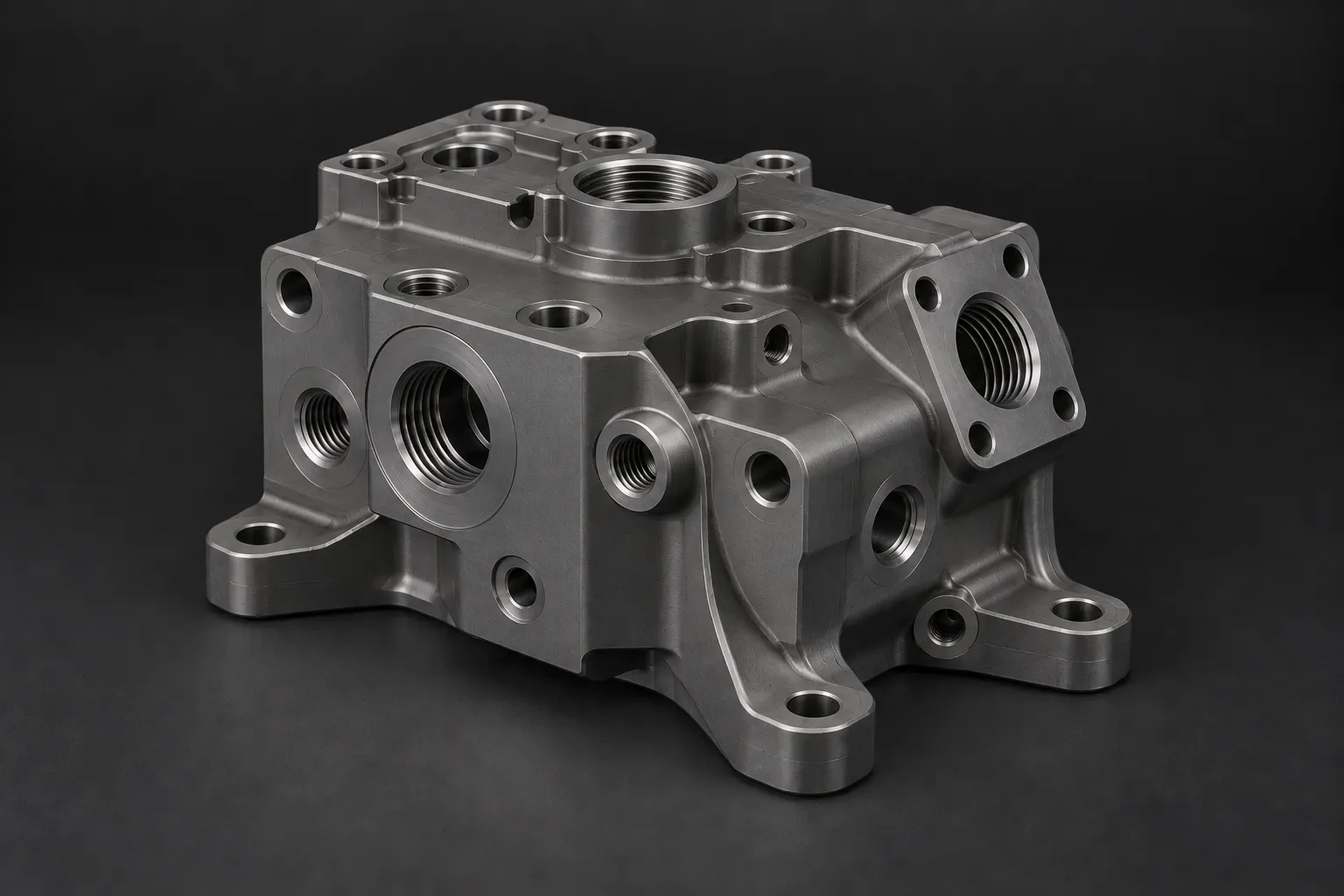
Standard: Black or Grey. Much duller in look, but has much better surface protection.
We sell the judgement that solves a no-drawing part, not machine time by the hour. That means the design recovered from your sample, the failure diagnosed before anything is cut, and the finished part proven against the model we built. Over 100,000 parts delivered, on time or early every time, stand behind that judgement. Our engineering team plans the work together, with one point of contact keeping the job clear and coordinated. Here is what that means when you send us a part.

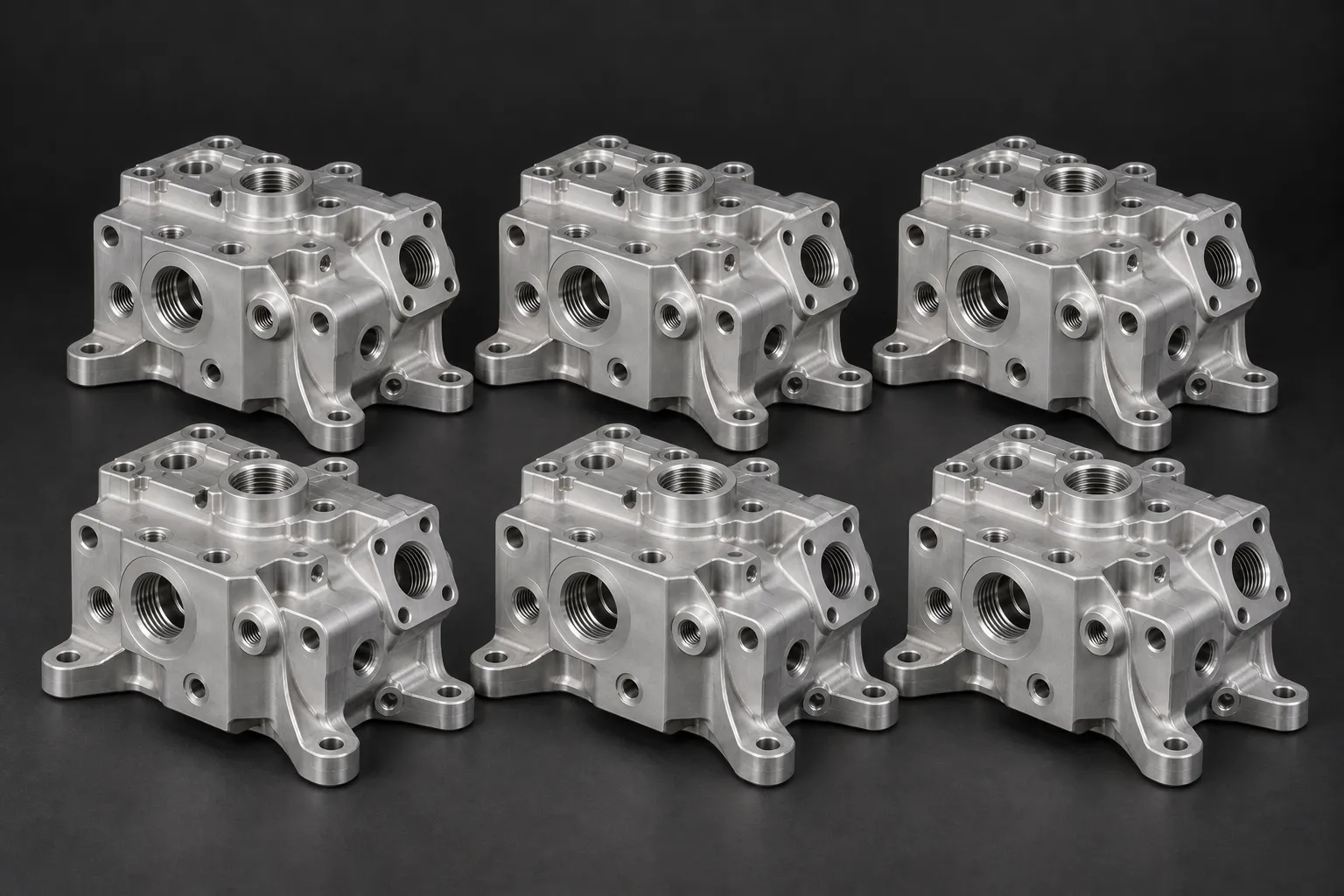
Over 100,000 parts delivered, on time or early every time, an average of 1.5 days ahead. Recovered, remade and delivered when we said.

Miguel came up through Cosworth, Perkins and Caterpillar, working out why parts fail and how to make them better, before founding MV in 2020.
The work is problem solving first and manufacturing second. We diagnose why the part failed, then choose the process, so the replacement does not fail the same way.
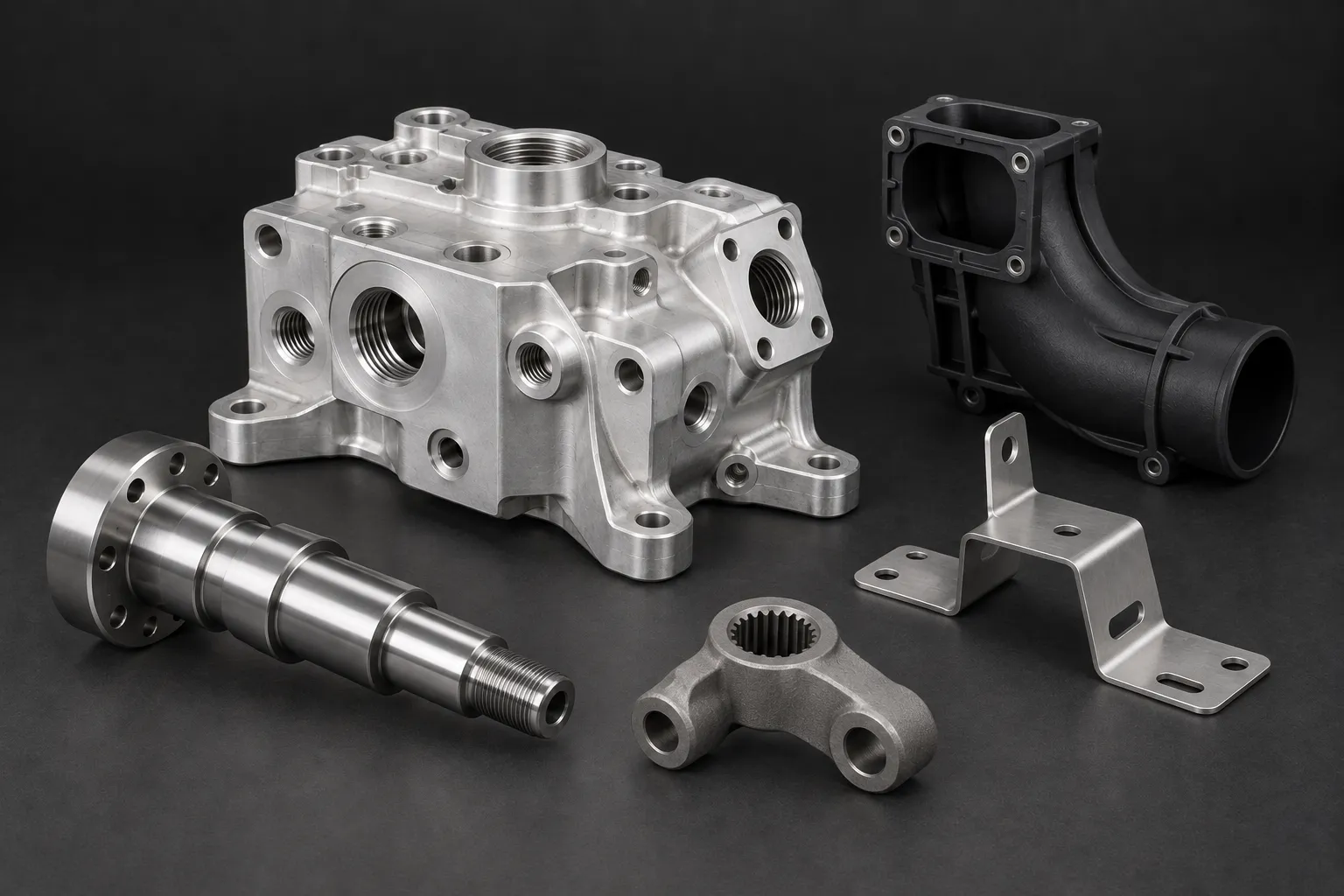
A worn shaft, a cracked casting and a legacy frame are three different jobs. We choose from our full set of processes to suit the part, rather than forcing it onto one machine.
A broken part with no drawing is a starting point, not a dead end. We recover the design, correct what failed and make a part better than the original.
The reverse engineering process from the worn part in your hand to the finished replacement on your machine. Four steps, engineers throughout, and an engineer on your job from the first call.
A sample, a photograph, any surviving drawings, or just a description of what failed. No drawing is fine, and no CAD is needed at this stage. The component itself carries enough to recover the design.

A real engineer reviews the part, the application and the volume, then prices it within 24 hours. You get straight advice on the route and an honest steer if another process suits it better, not an automated estimate.
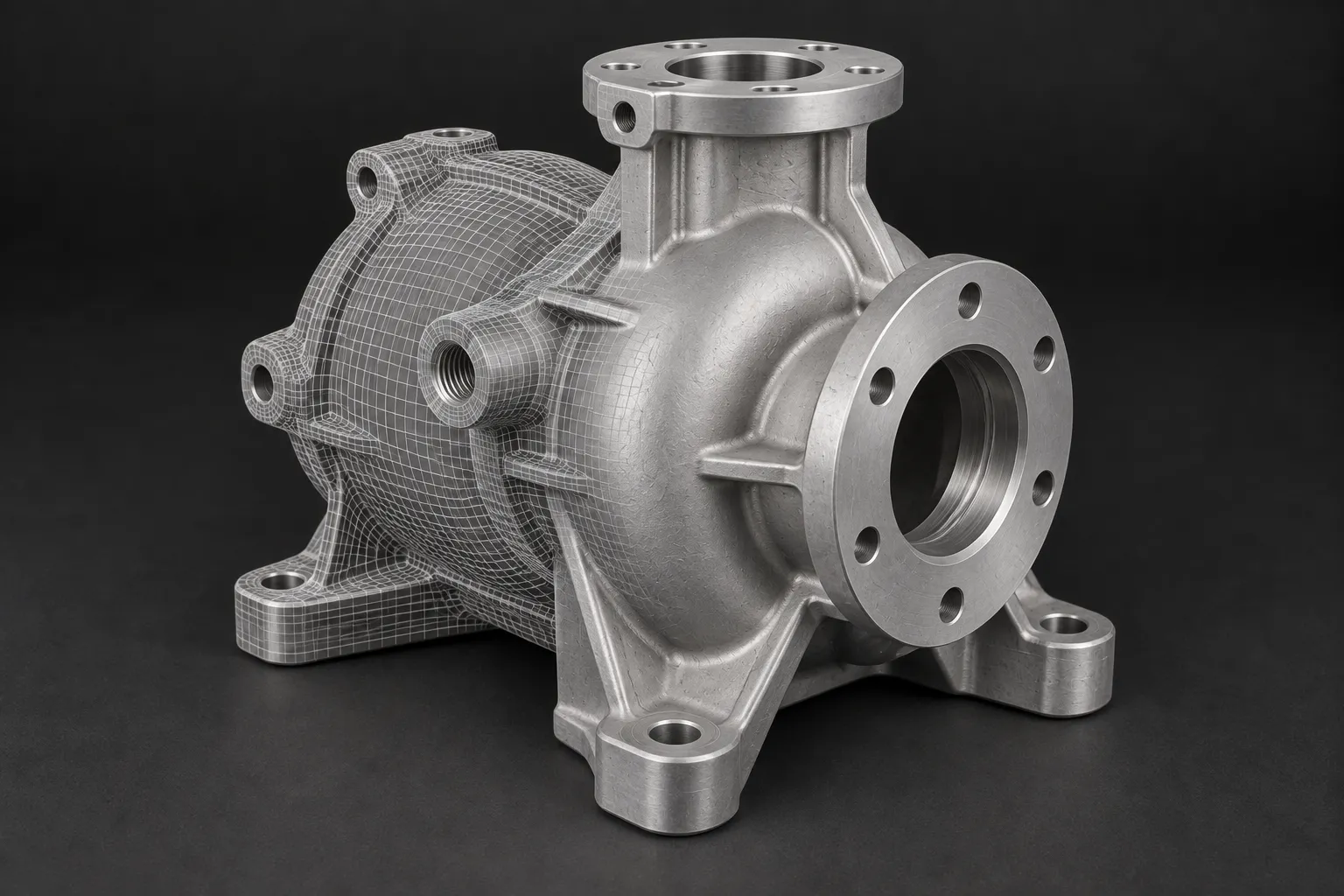
We capture the geometry by metrology or 3D scanning, rebuild the part in CAD as a full model, diagnose why it failed, and correct the cause before anything is cut, so the fault is not carried forward.
We make the part on the right process, inspect it against the model we built, and deliver on time or early, an average of 1.5 days ahead, ready to fit. Your model and drawing stay on file for any reorder.
Reverse engineering FAQs

Yes. That is the core of our reverse engineering service. We measure the part you send us, by hand metrology or 3D scanning depending on its shape, then rebuild it as a full CAD model and manufacture from that. Old drawings help if you have them, but they are not needed, because the component itself carries enough information to recover the design, typically to within a few hundredths of a millimetre on the critical features. This is how we copy a part from a sample when the paperwork is long gone, and how we remanufacture legacy components no maker still supports. Send us the part, or what is left of it, and we will recover the design and quote within 24 hours.
No, and that is exactly the situation reverse engineering is for. Before we make a replacement we work out why the original failed, whether the cause was a marginal material, a stress concentration designed into a corner, or a fit or tolerance that loaded the part wrongly. Diagnosing the failure is what separates a part that lasts from a like-for-like copy that fails again in the same place. Where the diagnosis points to a clear weakness we correct it, changing the material, easing the stress point or adjusting the fit, so the remanufactured part comes back better than the original. We tell you what we are changing and why before we make anything.
Yes. Part of the skill in reverse engineering a worn part is reading past the wear or damage to recover the geometry as it was designed, rather than copying its failed state. We measure the critical features more than once and cross-check them, then reconstruct the as-designed shape in CAD, accounting for the material lost to wear at bearing surfaces, threads and edges. The more of the part you can send, even in pieces, the better, but we routinely work from worn and broken samples. A cracked casting or a shaft worn at the journal is a normal starting point for us, not a reason to turn the job away.
You receive an engineer-made quote within 24 hours of sending us the part, and it is a real engineer who reviews the geometry, the material and the volume, not an automated estimate. Delivery time depends on the part, the process and the material, and we give you a realistic lead time at quote stage rather than a date we cannot hold. What we do promise is delivery on time or early, every time, with manufacturing projects arriving on average around 1.5 days ahead of schedule. Reverse engineering adds a measurement and modelling stage in front of manufacture, so we build that into the timeline honestly and keep you posted as the job runs.
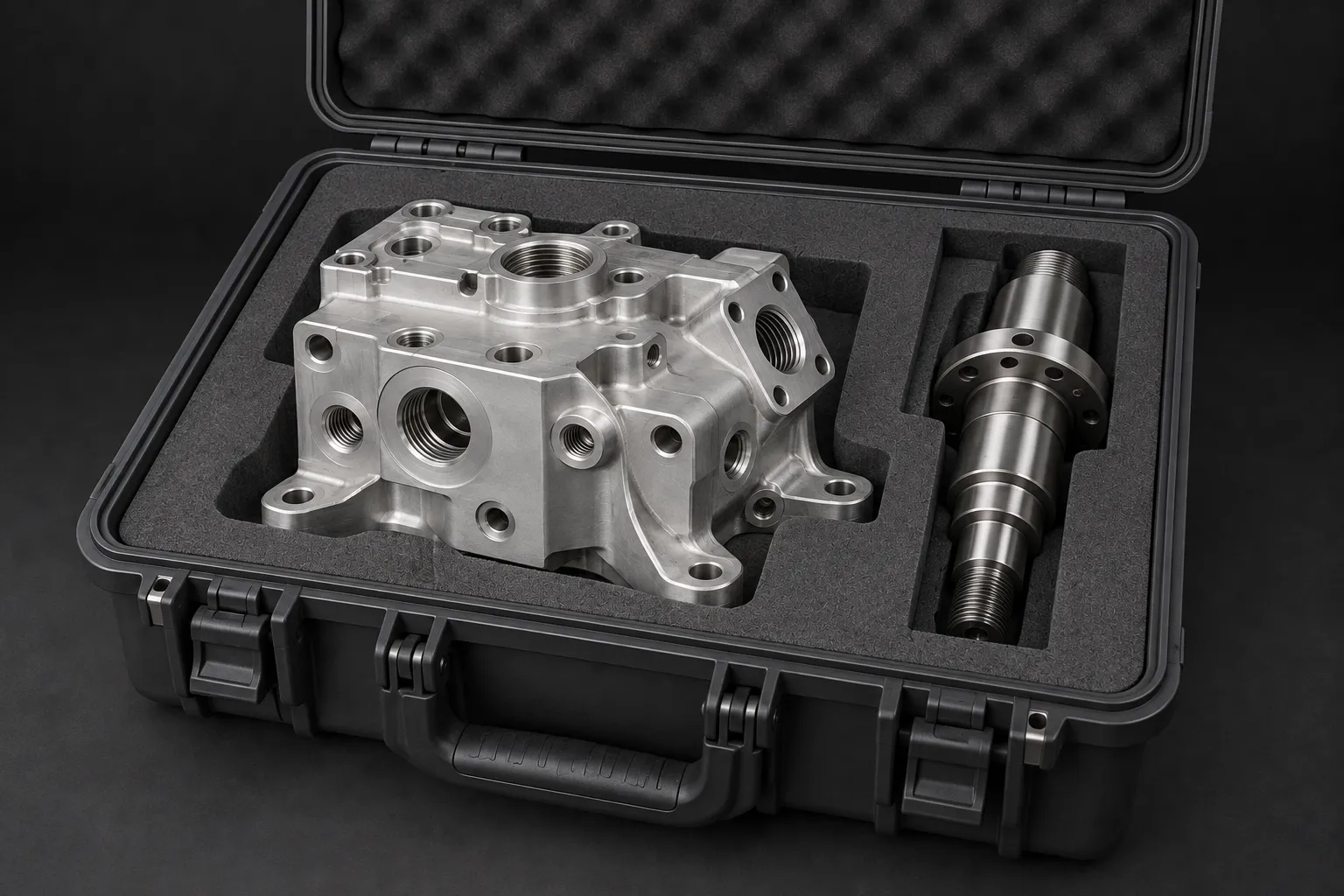
Both, and that is deliberate. You get the finished part, inspected against the model before it leaves us, and you get the recovered CAD model and 2D drawing that we built to make it. That documentation is often worth as much as the part, because a component you previously could only source from a single worn sample becomes something you can reorder at will, consistent every time. We hold the model and drawing on file, so a repeat batch matches the first rather than starting again from a part that could be lost or damaged. It gives you an independent, documented source for a part you were unable to buy.
Yes, that is the whole point of the work. We reconstruct the part with its mating features, fits and datums intact, then inspect the finished part against that model before it leaves us, so it fits the machine you already have. Where we improve on the original design, we do it without changing how the part fits and interfaces, unless an interface change is itself the fix and we have agreed it with you first. Because we keep your model and drawings on file, any reorder is consistent with the first part and no longer dependent on a single worn sample. That gives you an independent, documented source for a part you were previously unable to buy.
3D scanning is useful for capturing curved or irregular external surfaces. It is one input to the reconstruction, alongside inspection of critical interfaces and engineering judgement. Our engineers choose the capture method around the component, rather than assuming every part needs a scan.
We establish how the part locates, moves and connects to the surrounding equipment. Bearing seats, mounting faces, mating bores and other functional interfaces may need particular attention. Supplying mating parts or assembly information helps us separate essential relationships from dimensions that can vary.
A material change may improve availability or address a known weakness, but it must suit the working conditions. We consider strength, wear, corrosion, temperature and compatibility with adjoining parts. Any proposed substitution is agreed as part of the replacement specification before manufacture.
A trial part can help check fit and function where the original design information is incomplete. We agree what needs to be demonstrated and how the result will be assessed. The approved findings then inform the drawing and manufacturing route for subsequent parts.