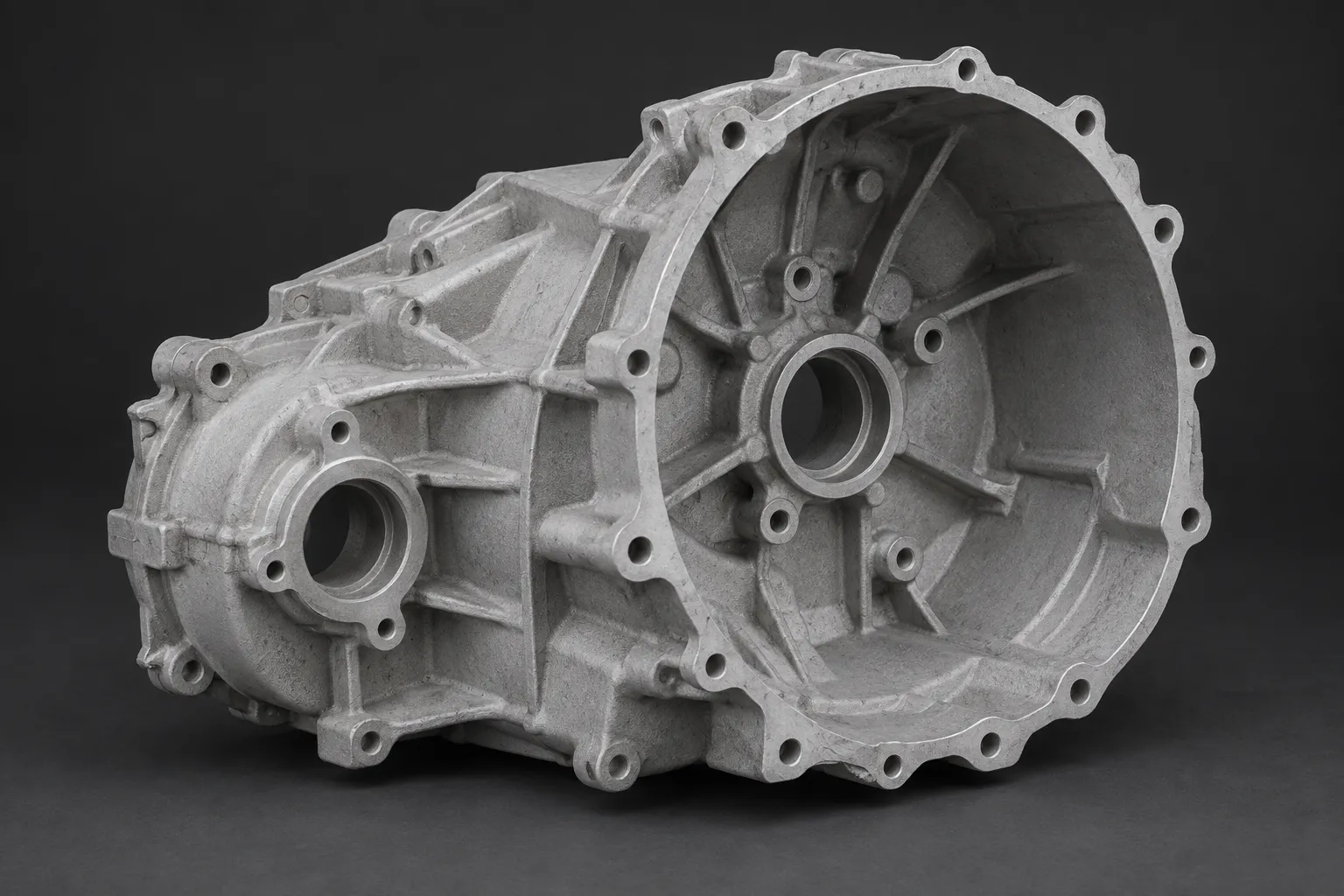
Cast aluminium parts at volume, with the model proven before the die is committed. High-pressure die casting produces consistent near-net housings, brackets, frames and structural parts once the die exists, and we machine the cast features to final spec in-house. No drawing needed, we build the model from the original. A real engineer prices the work within 24 hours.
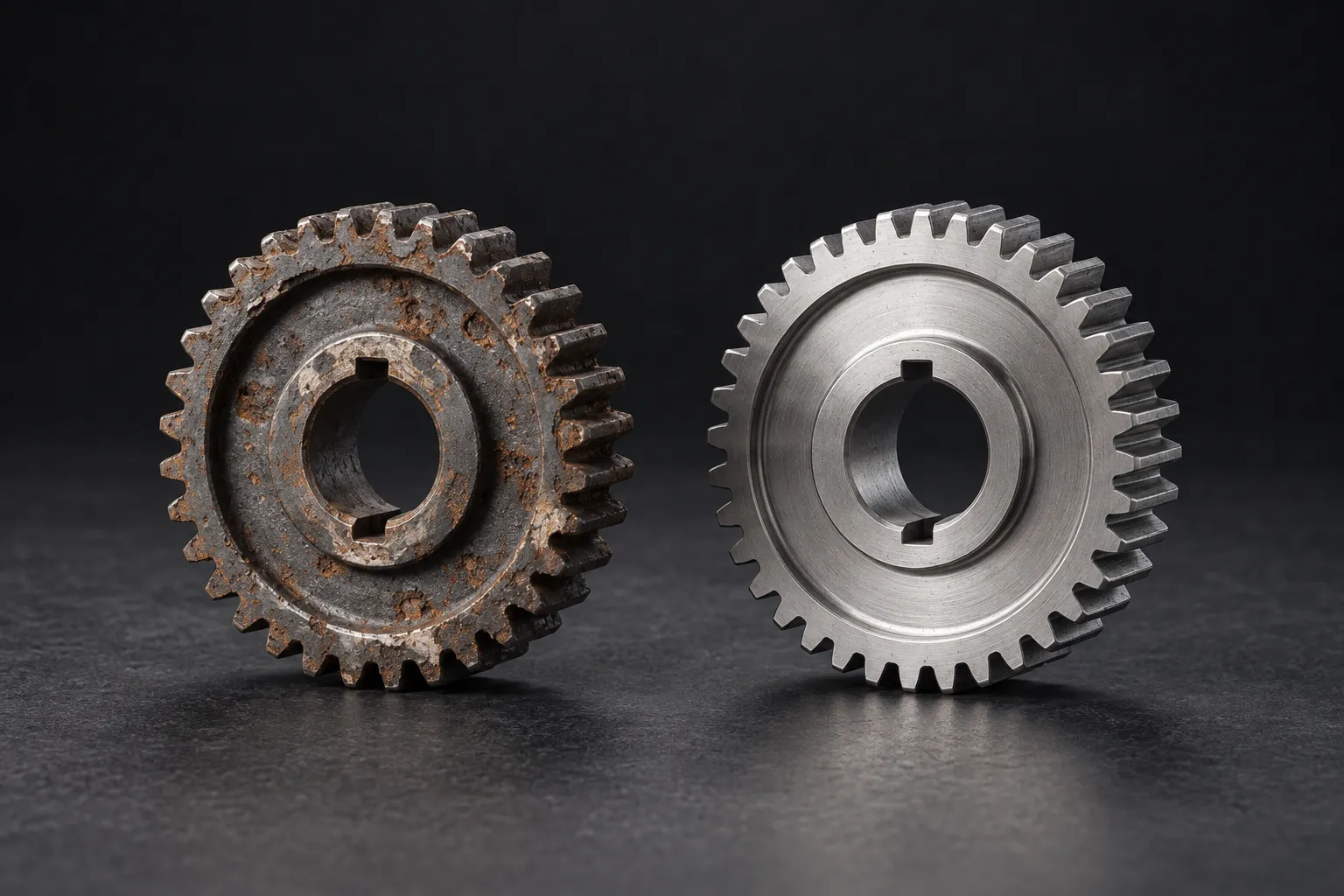
Start with a worn, failed or discontinued part. We reconstruct the design and agree improvements before manufacture.
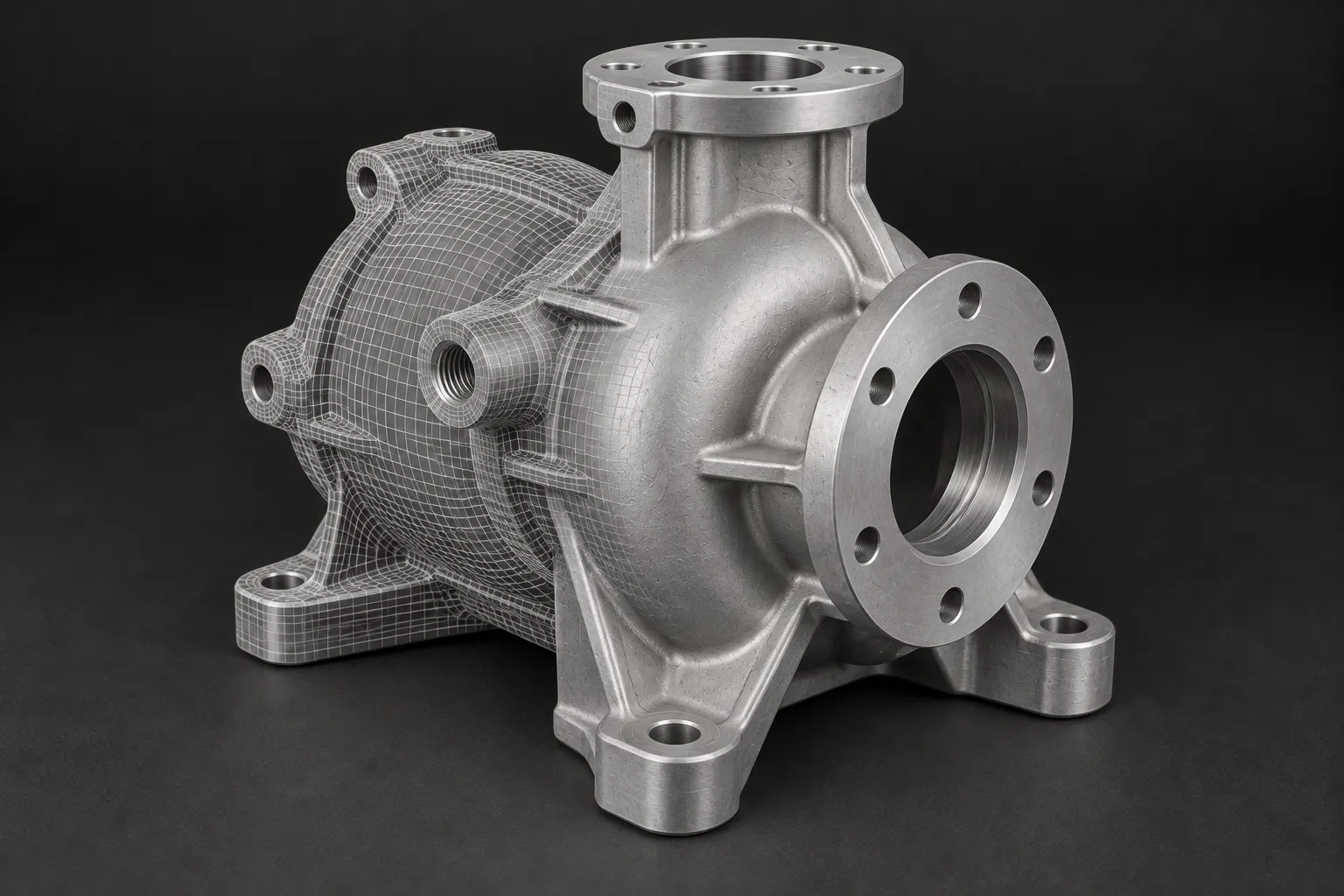
Digital surface capture to support CAD reconstruction and the wider reverse engineering job.
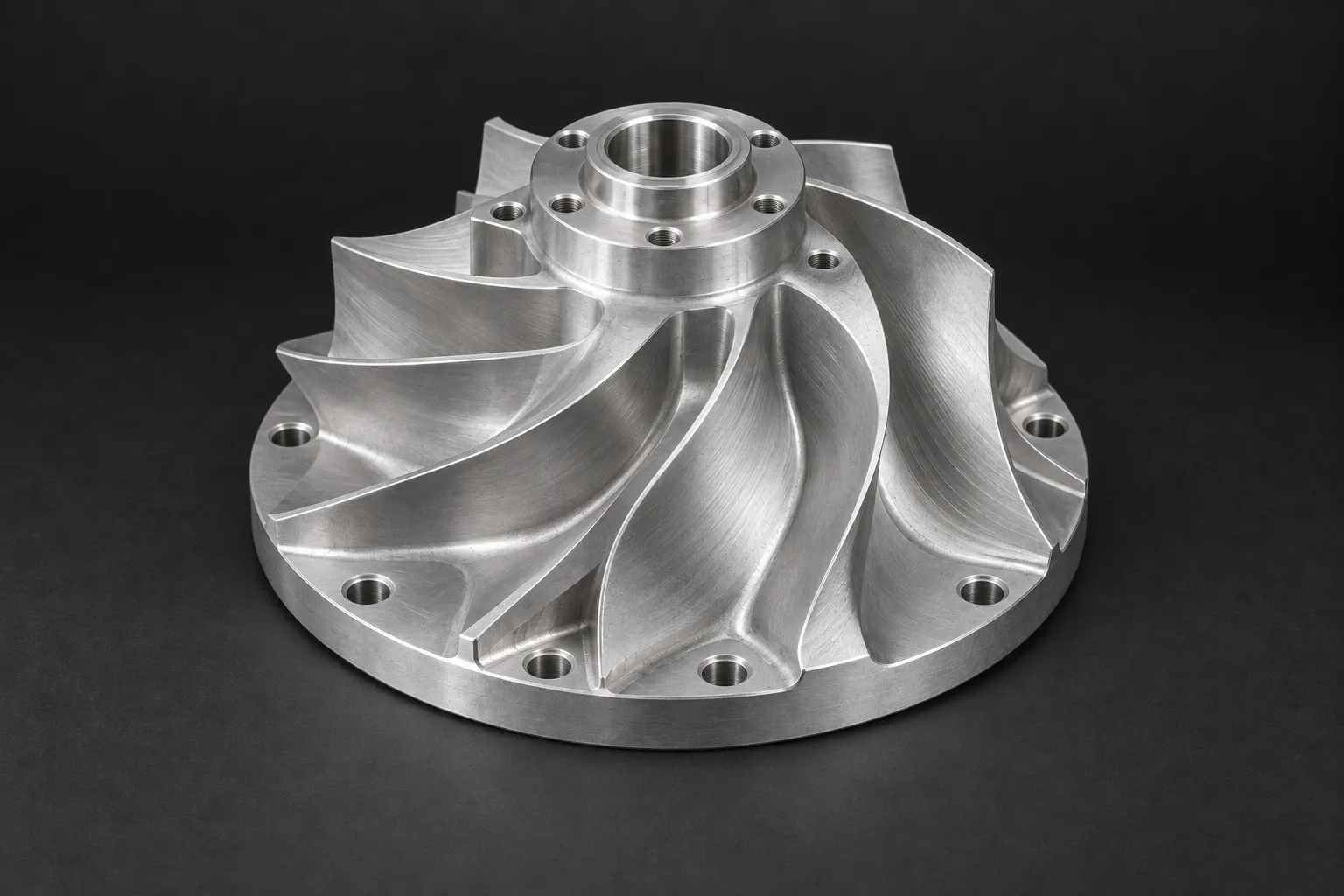
Machine angled features and complex surfaces, with the set-up planned around the critical relationships.
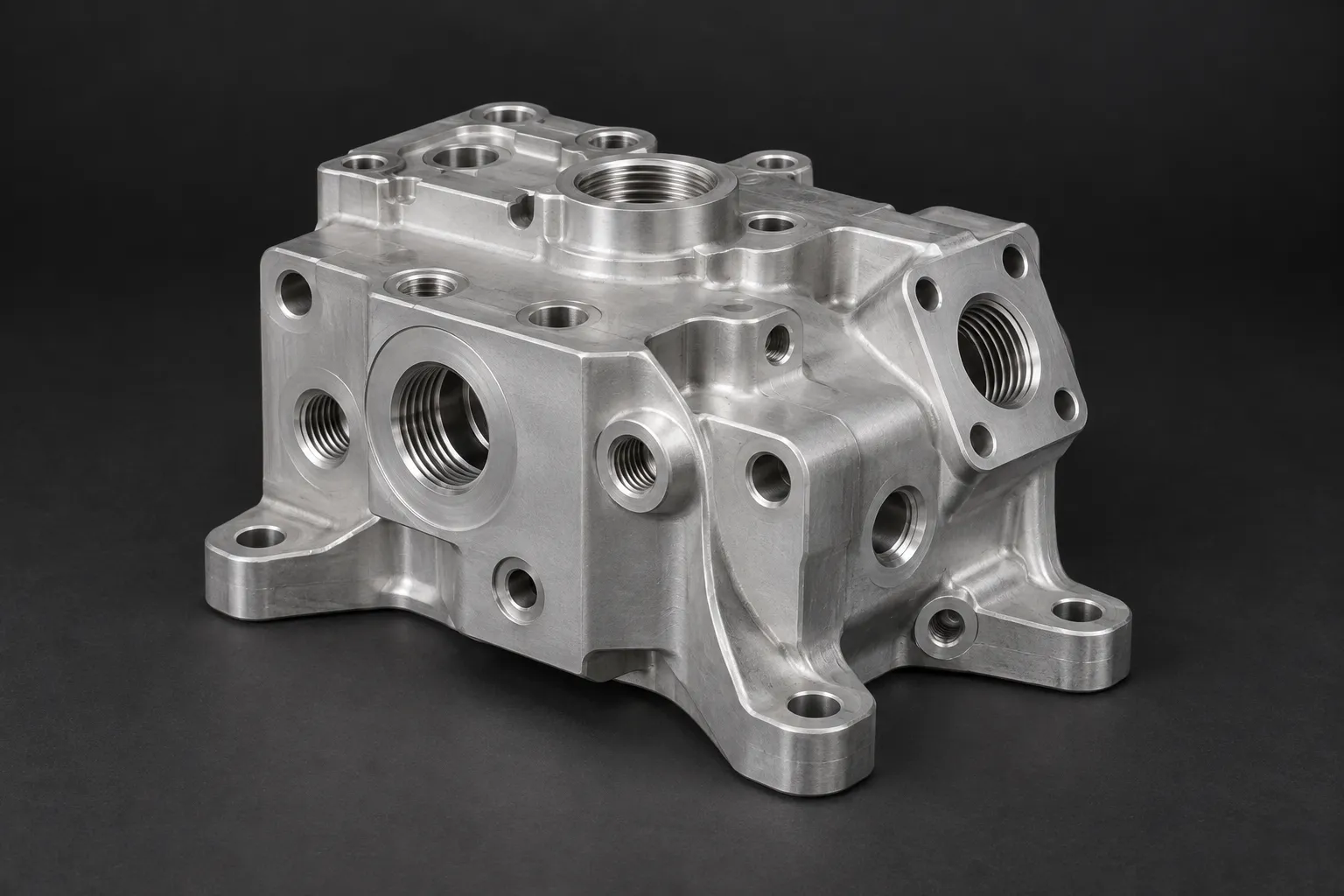
Milled housings, brackets and precision components in metals and engineering plastics.
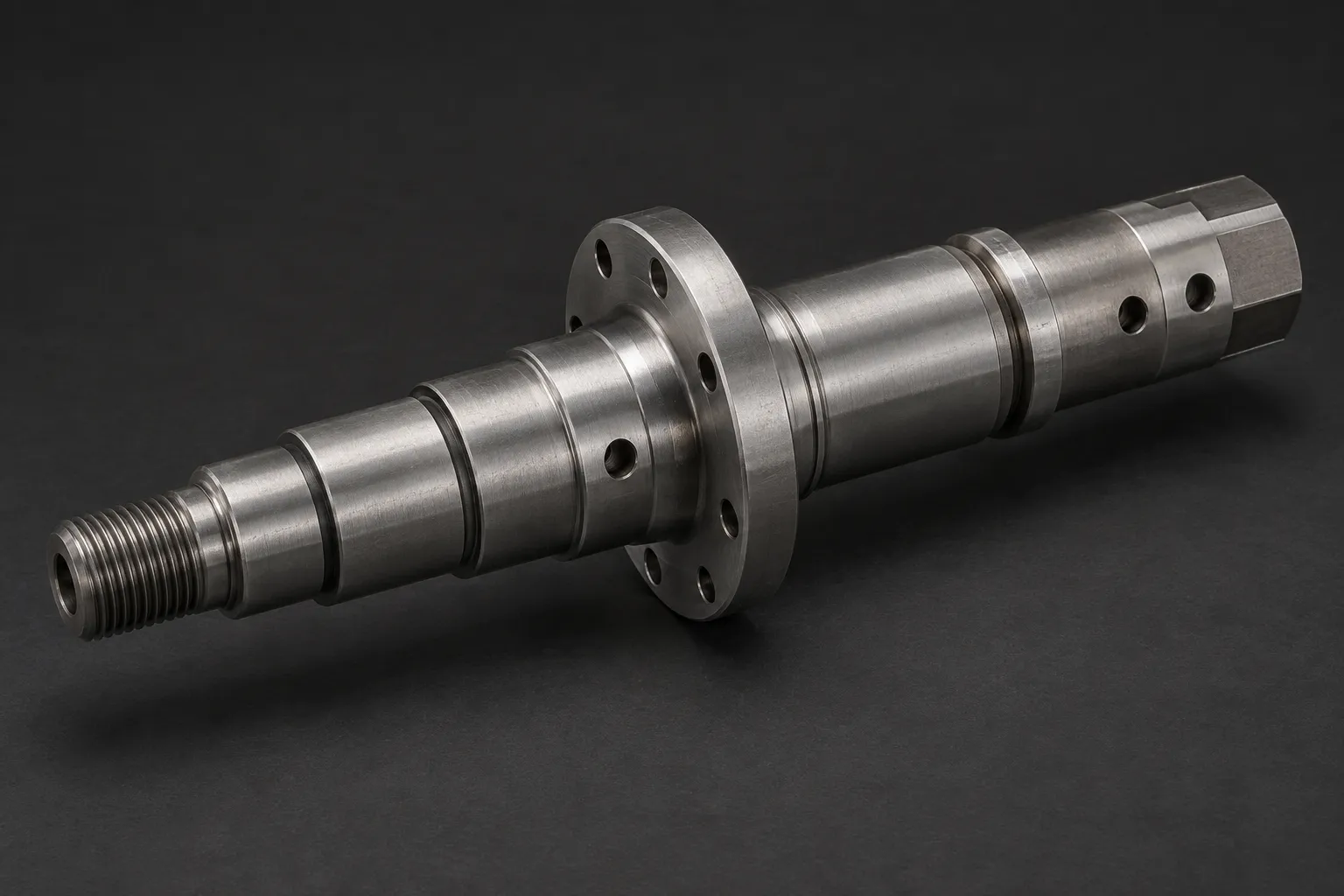
Stepped shafts, threaded fittings and housings, made to drawing or reverse engineered from a sample.
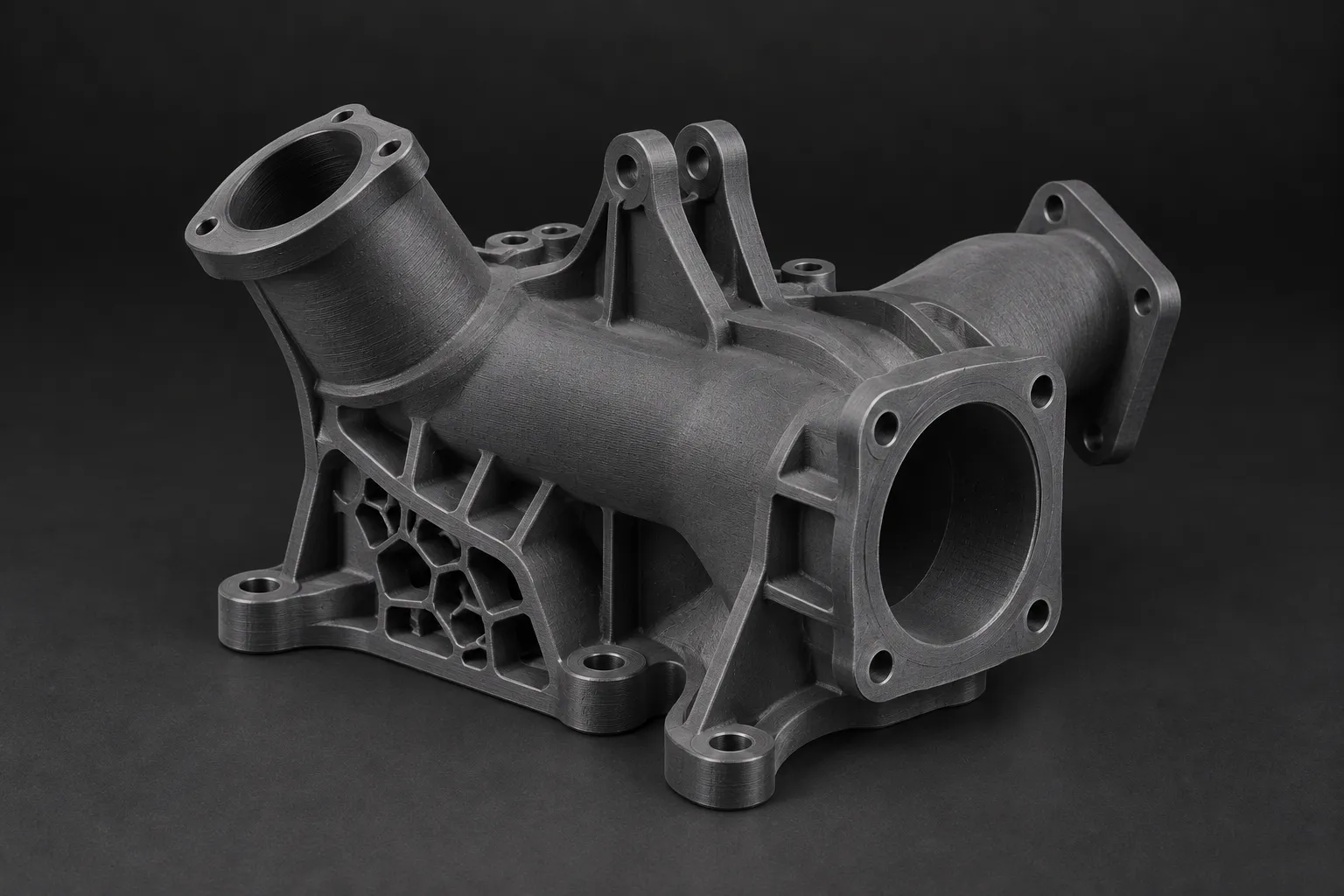
Bring us the application. Our engineers recommend the material and approach for your prototype or part.
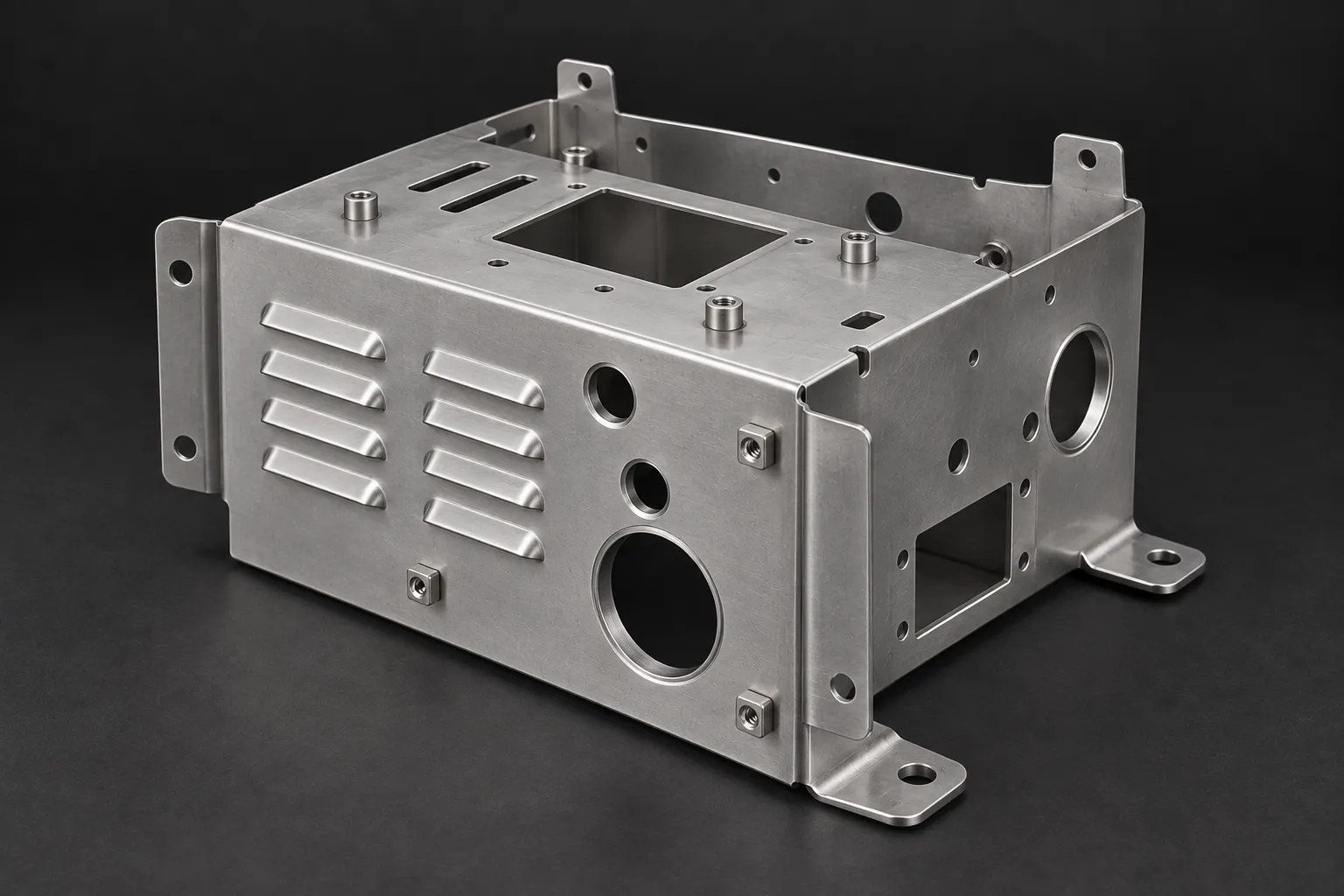
Brackets, panels and enclosures, developed around the bends, interfaces and finished assembly.
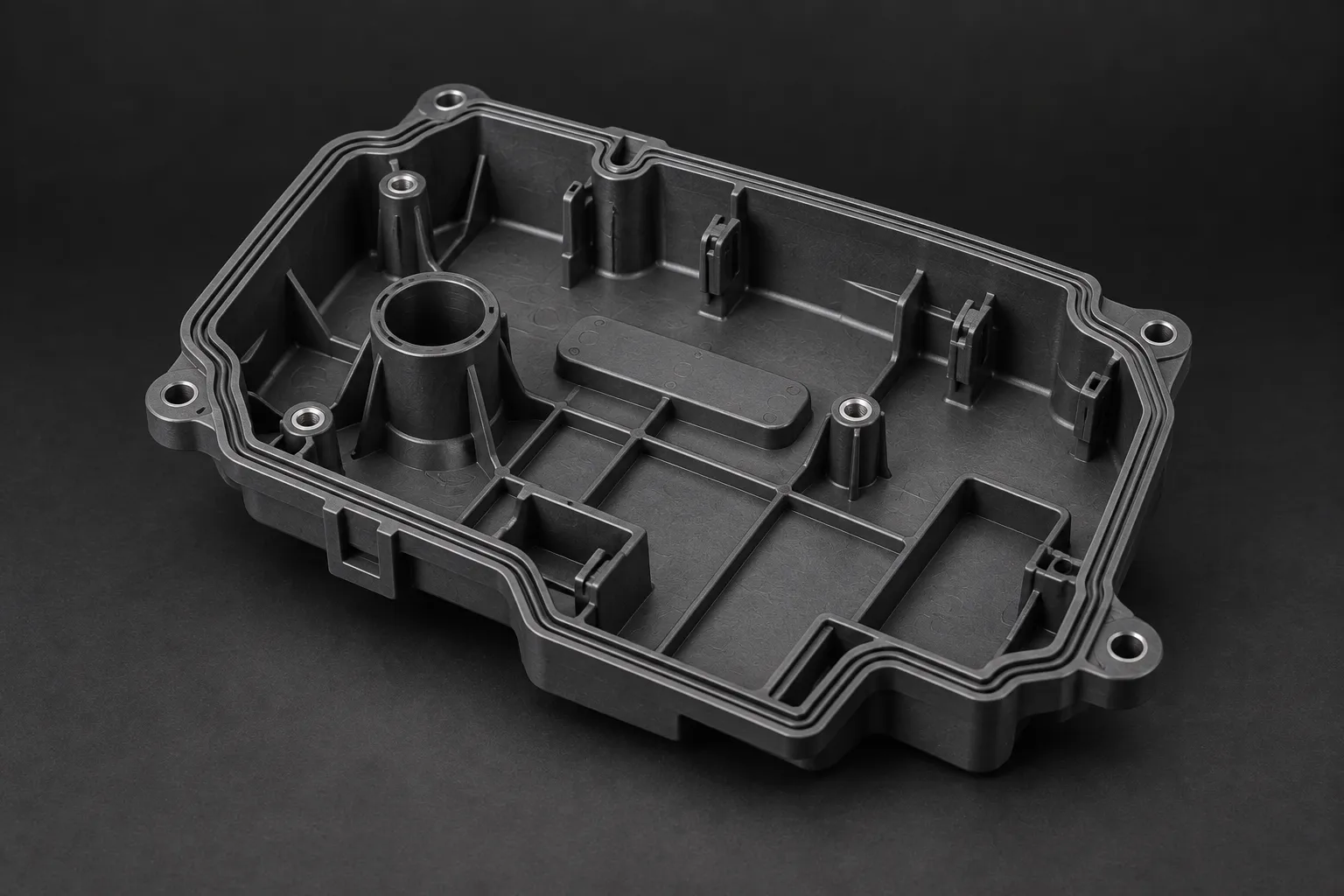
Moulded plastic components, with material, tool design and production requirements considered together.
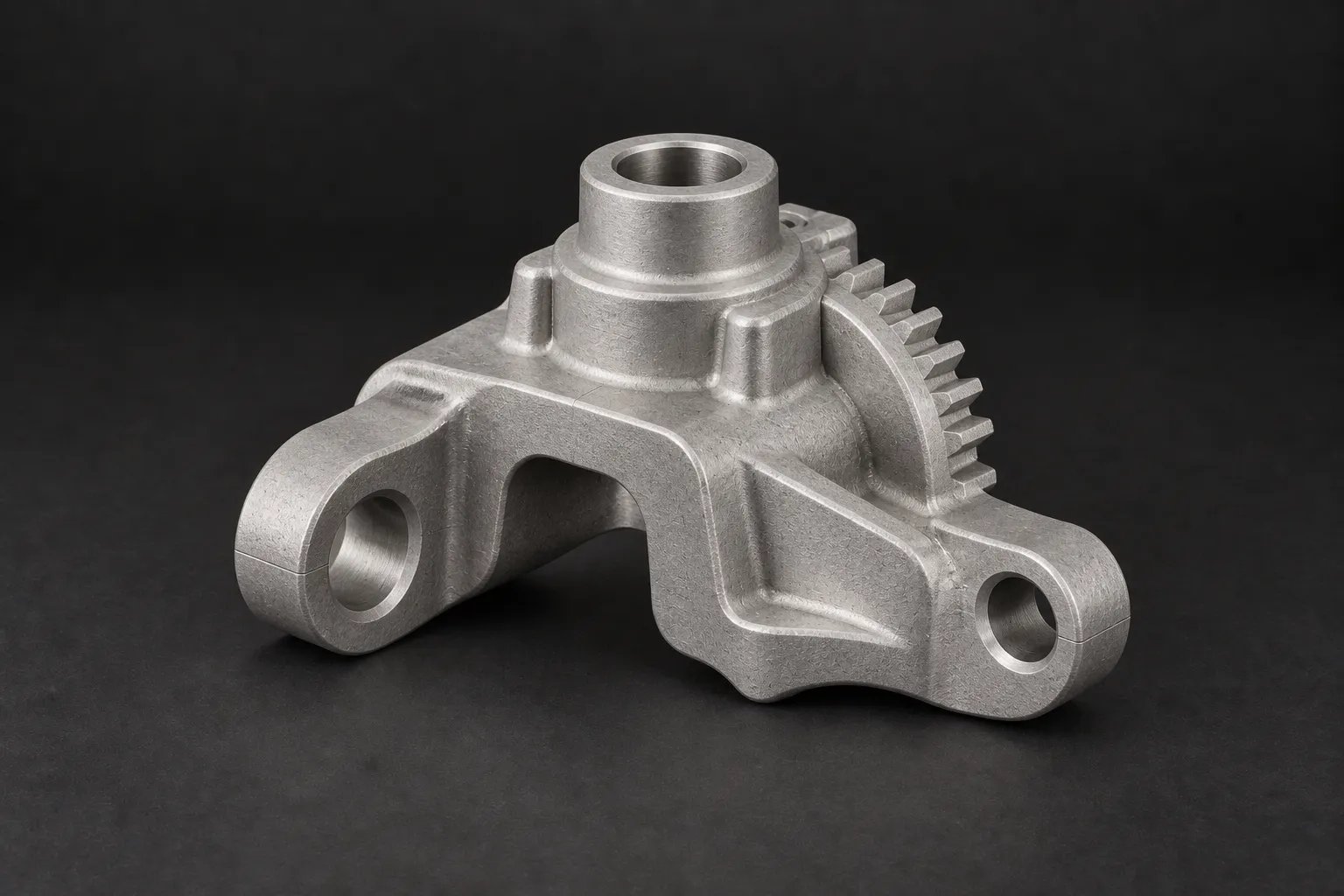
Small, complex metal components where geometry and quantity suit moulding and sintering.
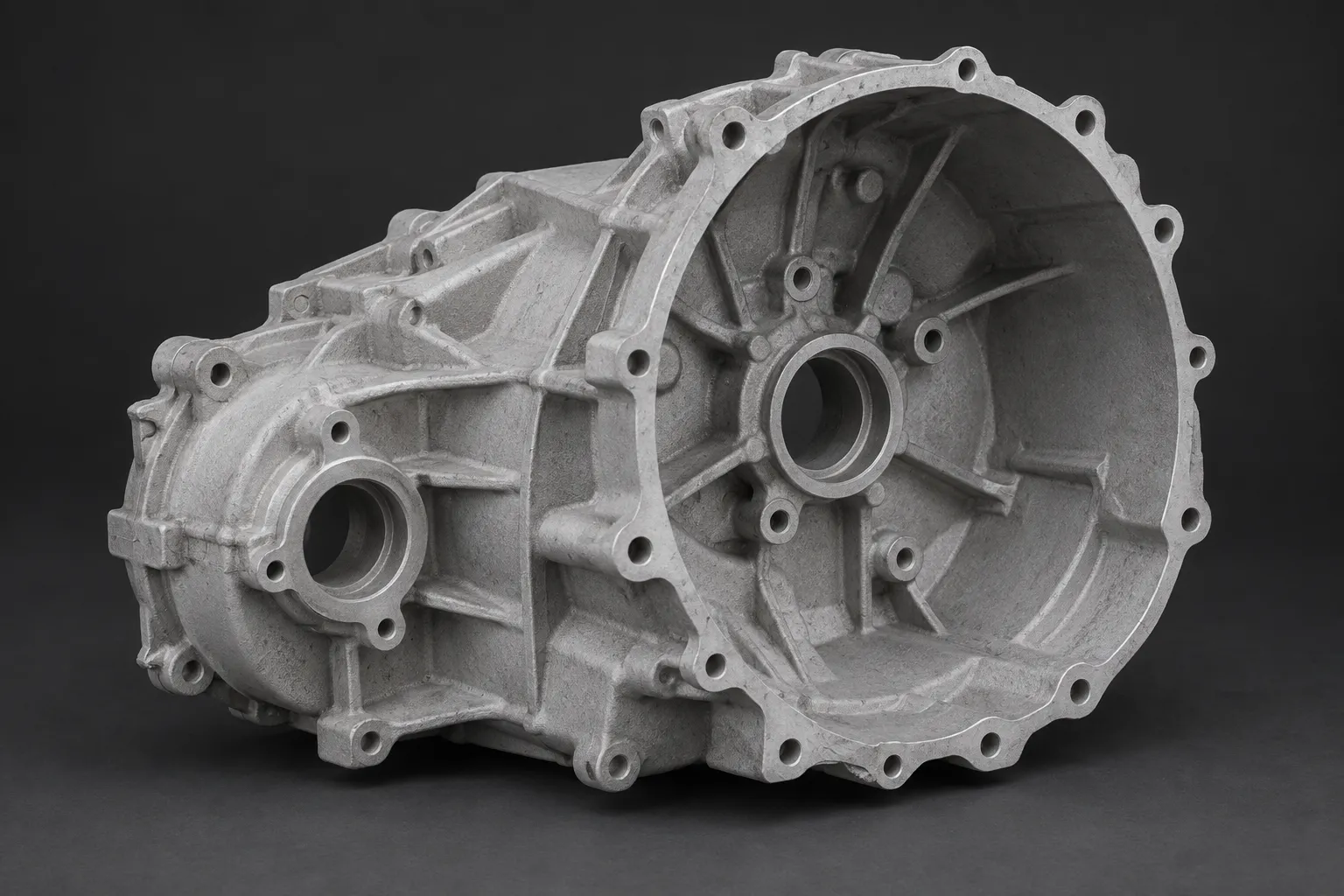
Aluminium housings and components, with casting geometry and any secondary machining planned together.
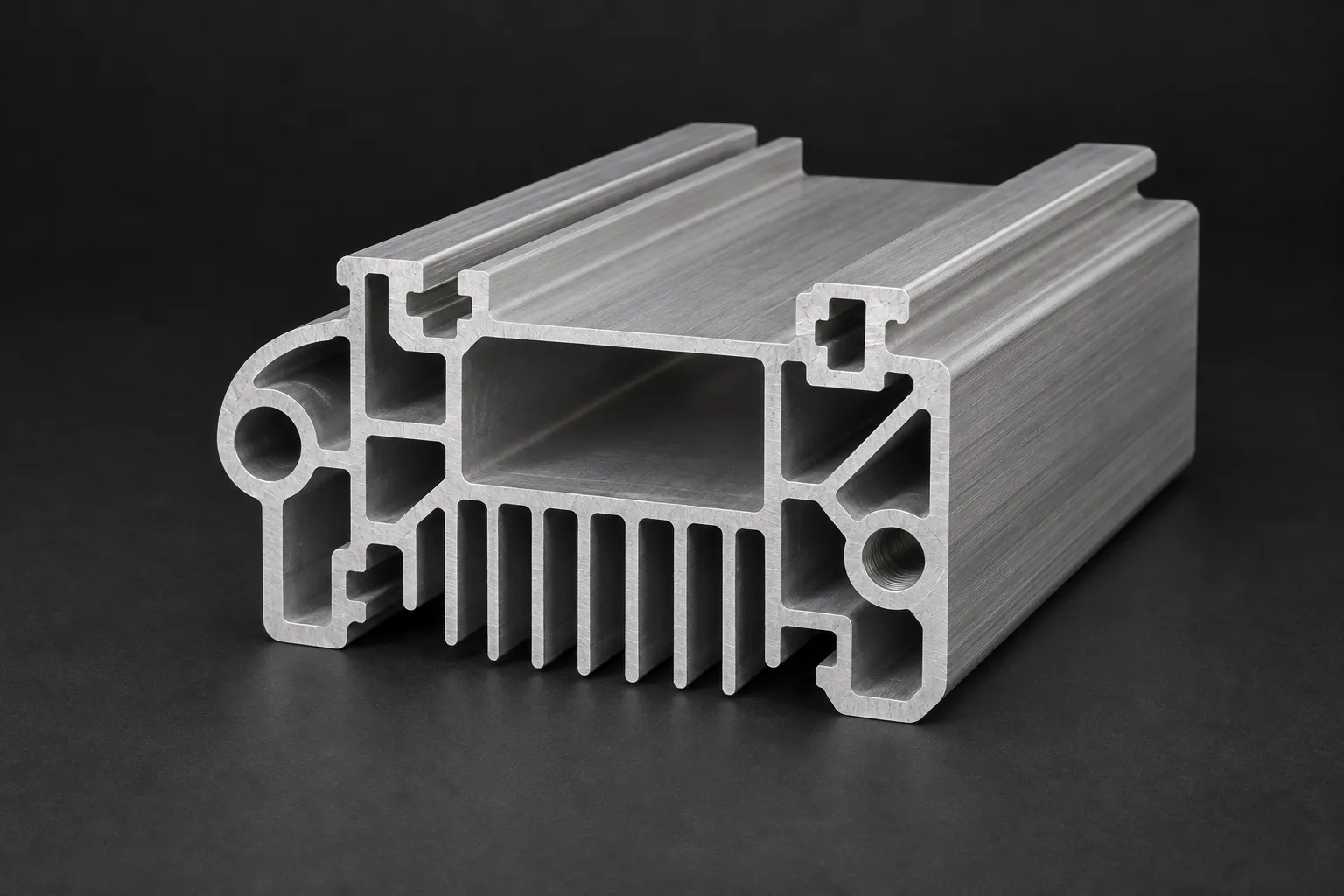
Custom sections developed for the application, then cut, machined and finished as required.
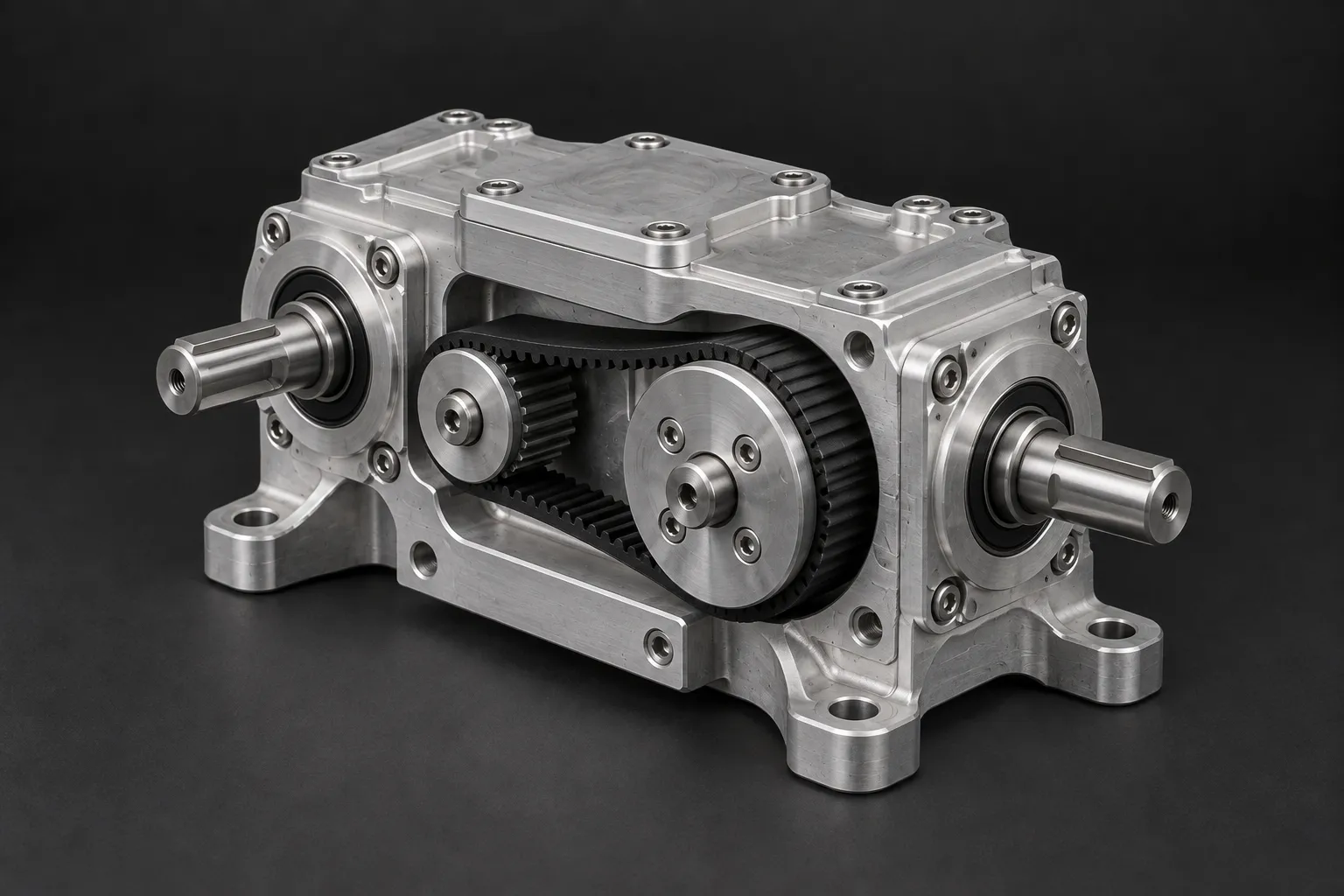
Manufactured and bought-in components brought together, with the interfaces and checks agreed first.
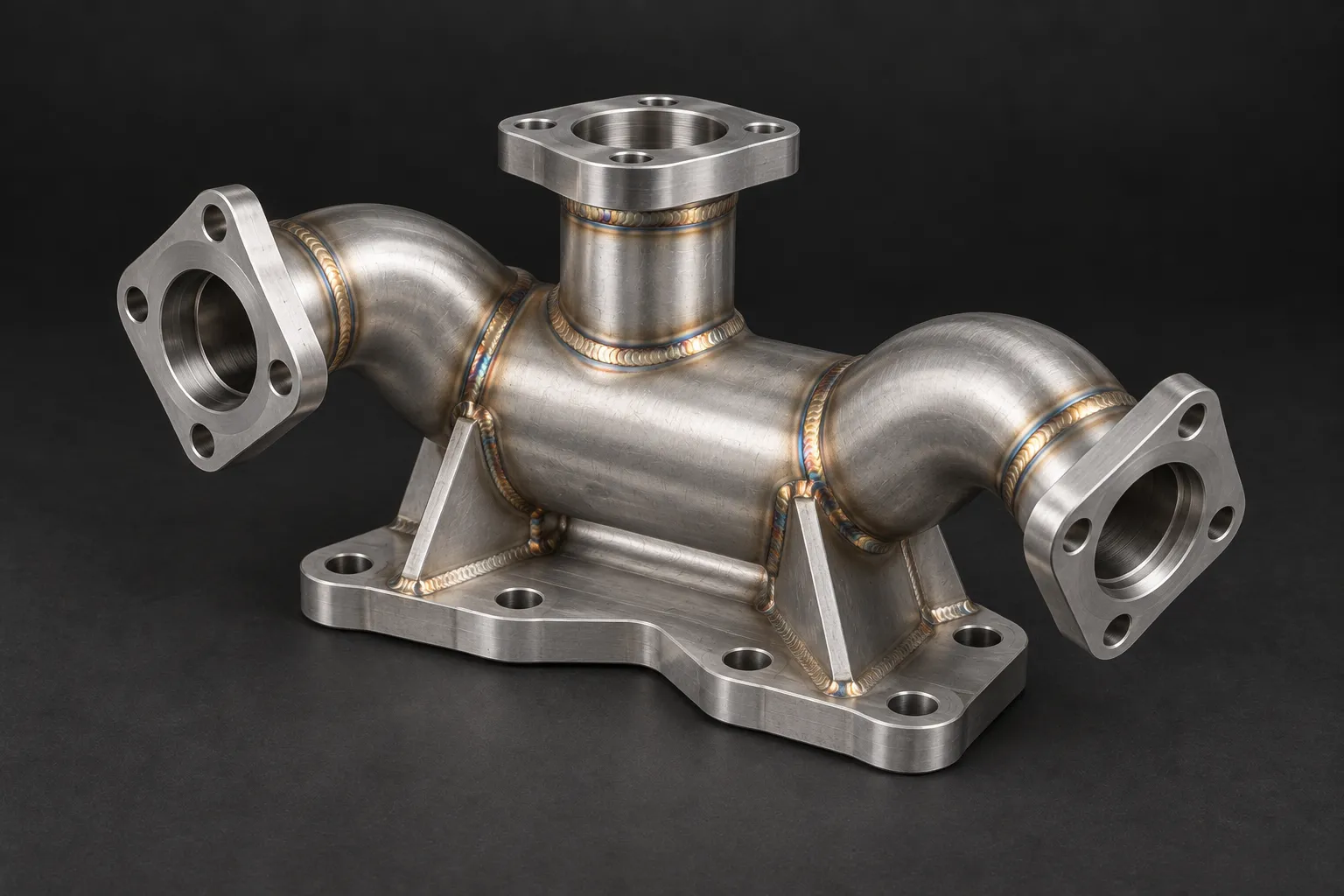
Welded components and fabrications, planned around material, joint access and distortion control.
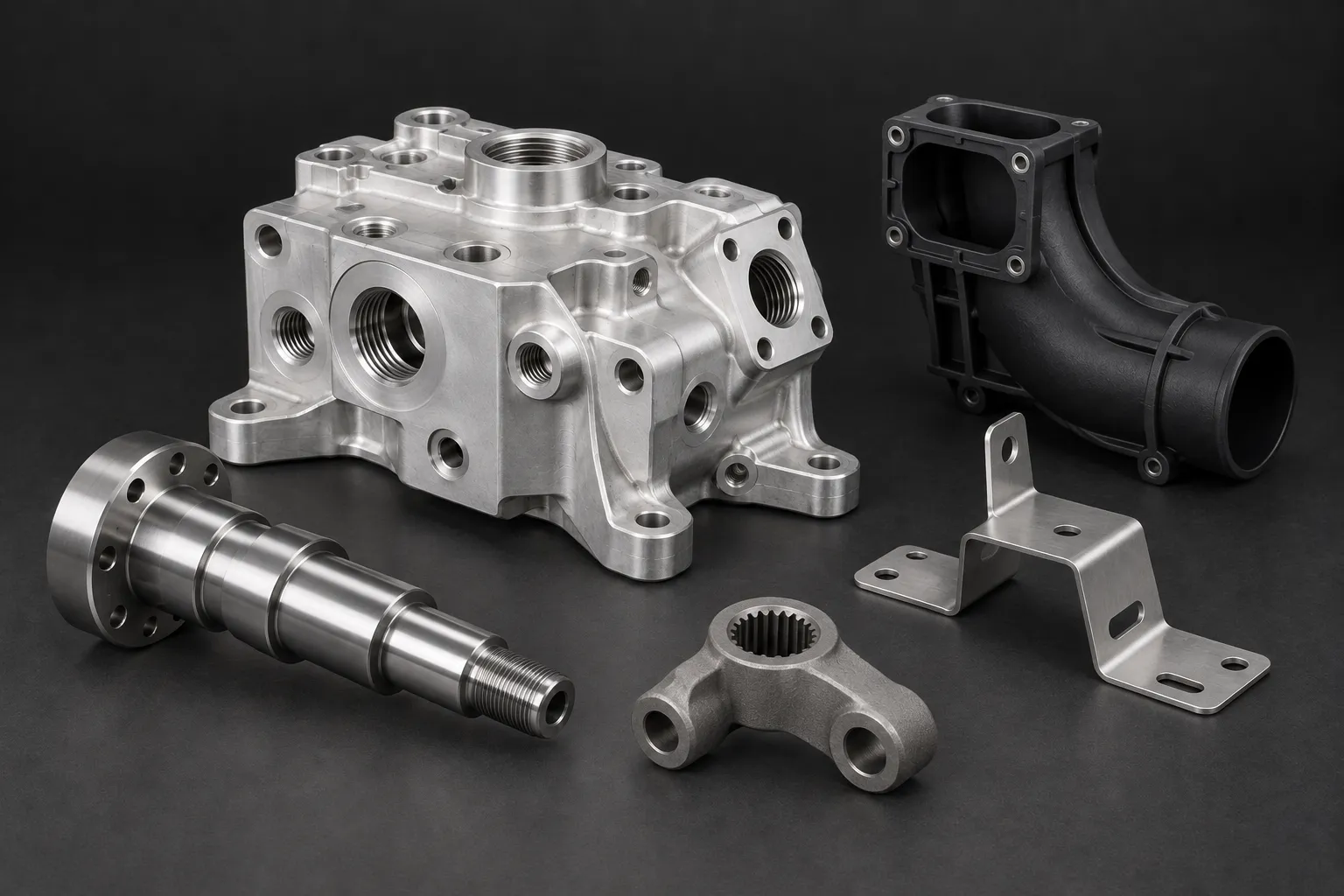
Die casting forces molten aluminium into a steel die under pressure, then cools it to a near-finished part. Once the die exists, each shot produces a consistent casting, which is why die casting is the standard route for aluminium parts at volume: housings, brackets, frames and structural components. The die is the up-front cost, so the part geometry has to be right before it is cut, with even wall sections, adequate draft and the flow and cooling of the metal considered, because changing a die after the fact is expensive. Casting gets you close to net shape, and we machine the bores, faces and threads to final spec in-house. When you are replacing an obsolete casting with no drawing, we build the model from the original and cut the die from that.
The die is the cost. We prove the part geometry from your sample before any steel is cut.
No drawing needed. We measure the obsolete casting and recover the model the die is cut from.
We machine bores, faces and threads into the casting to final spec, all under one roof.
A range of casting aluminium. Tell us the duty and we confirm the grade before the die.
An obsolete casting still holds a sound shape under its wear. We measure the sample, rebuild the model and correct the weakness that made the original fail. The die is cut from that proven model, so you get a cast part better than the original, not a copy of a flawed one.
Bring us the worn casting with no paperwork. We measure it, rebuild the model it was cast from and prove the geometry before the die is committed.
Where the original failed at a thin wall or a stressed boss, we correct the model before any steel is cut, so the fault is not cast into the replacement part.
High pressure aluminium die casting suits high volume aluminium parts, and we also cast magnesium and zinc alloys under the same process. There's no minimum order quantity, giving you the flexibility to order what you need, when you need it.
Please see our material lists for Aluminium Die Casting. Looking for a material you can't find here? Get in touch to discuss your requirements.
A383 / ADC12
A380
A413
Magnesium: AZ91D
Zinc: Zamak 2, Zamak 3, Zamak 5, Zamak 7
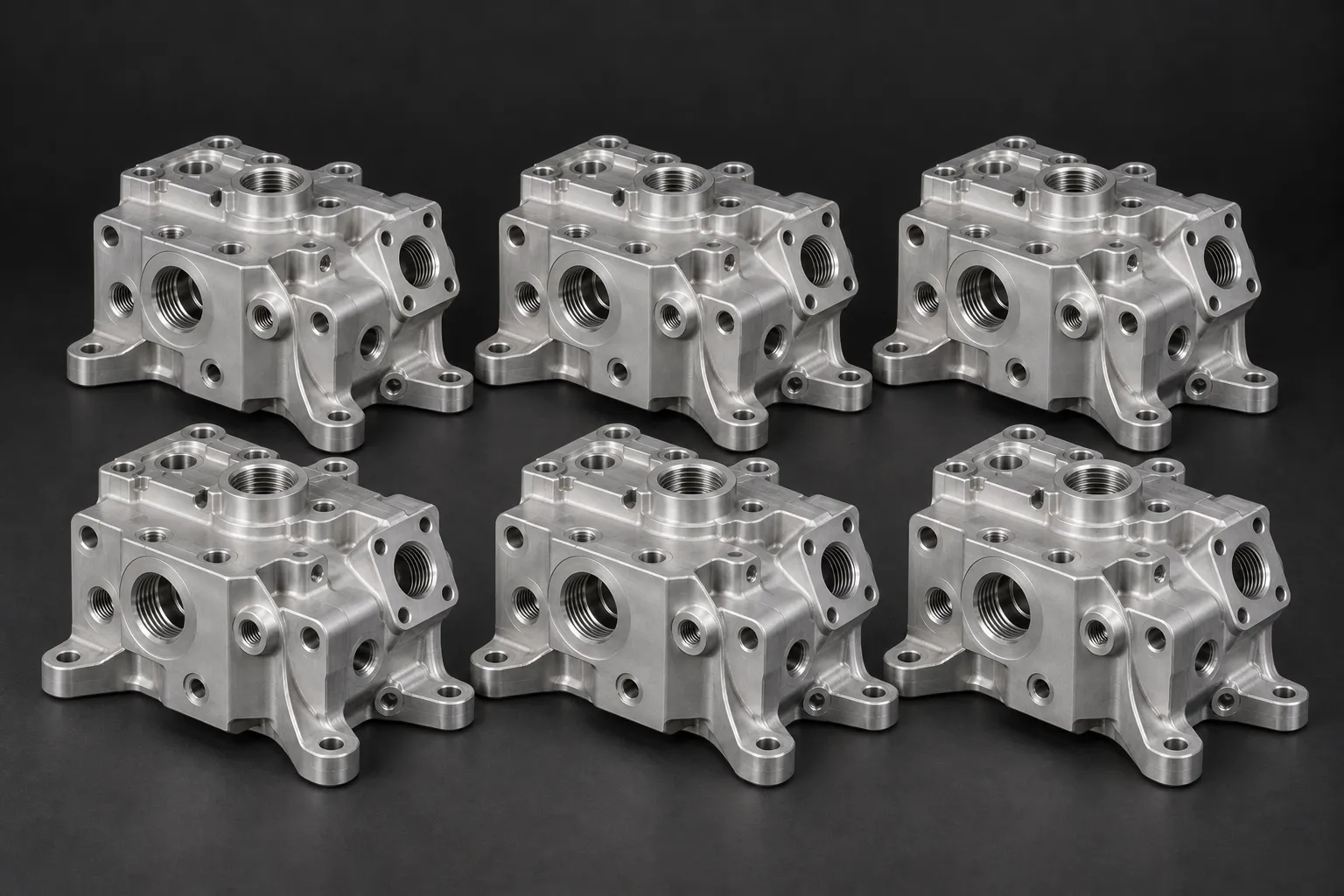
Die cast parts can be left as cast, vibro finished for a smoother surface, powder coated for colour, or polished on external surfaces for a brighter appearance. The options below are shown on the same reference part so the differences are easy to compare. If you need a finish not shown here, contact us and we will confirm what we can achieve.
Surface roughness can be specified using Ra value. Ra1.6 - 0.8um as standard.
Vibro finishing can remove burrs, and improve the die cast finish. Super polishing to Ra 0.05 um is possible.
We can powder coat parts in a wide selection of colours, and mask areas that need it.
We can polish aluminium castings, but only external, easily accessible surfaces.
We sell the expertise that gets a casting right, not shot count. That means the model proven from your sample, the geometry checked for casting before any steel is cut, and the cast features machined to final spec in-house. Over 100,000 parts delivered, on time or early every time, stand behind that judgement. Our engineering team plans the work together, with one point of contact keeping the job clear and coordinated. Here is what that means when you send us a casting.

Over 100,000 parts delivered, on time or early every time, an average of 1.5 days ahead. Once the die is proven, every shot comes off the same.

Miguel came up through Cosworth, Perkins and Caterpillar before founding MV in 2020. The standard those names set is the standard we cast and machine aluminium to.
We cast the part and machine its features to final spec in one place. Nothing is lost in handover, and a casting that does not fit is ours to trace back and correct.
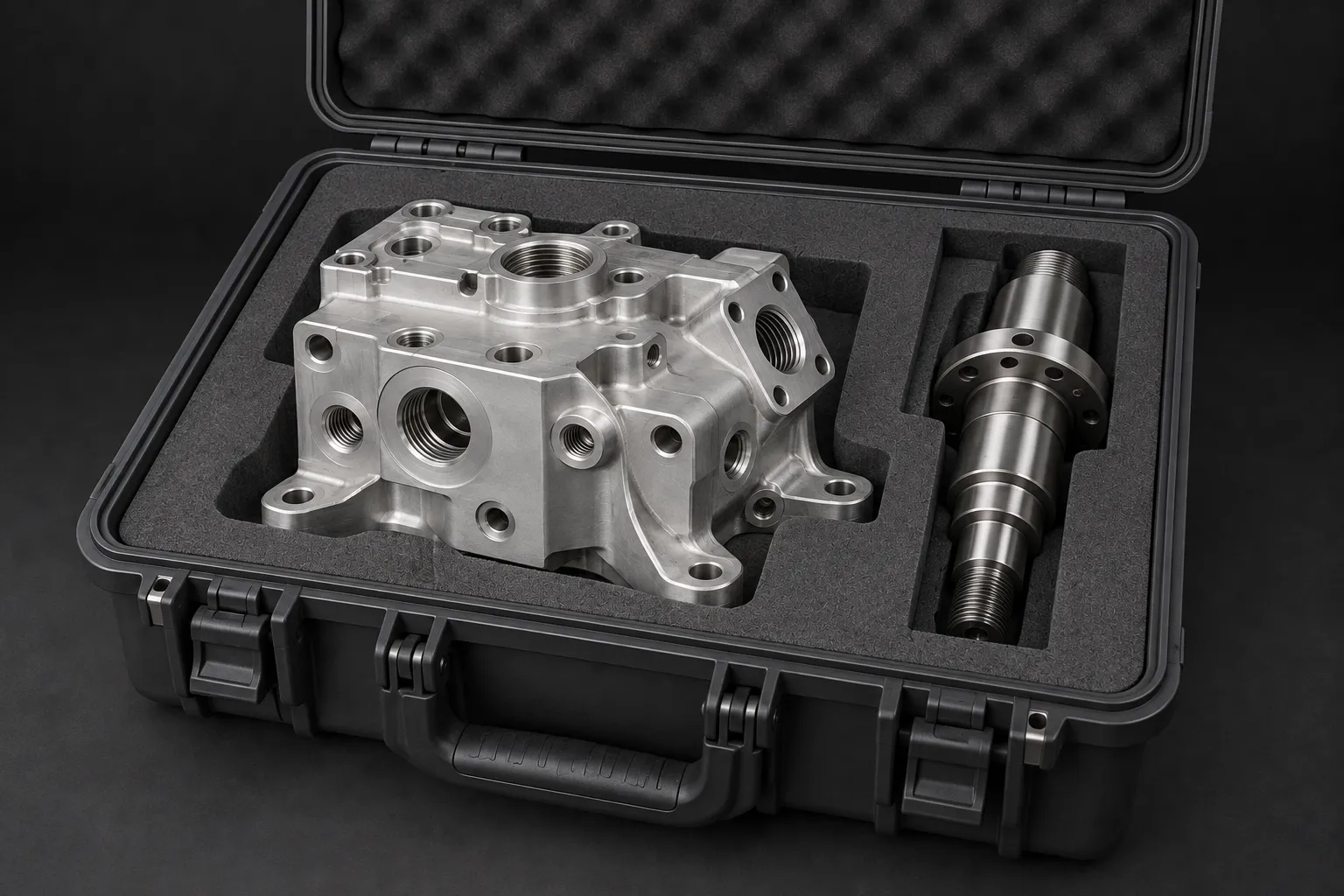
We cast housings, brackets and structural parts for food machinery and oil and gas, where an aluminium part has to fit, seal and last in a working machine.
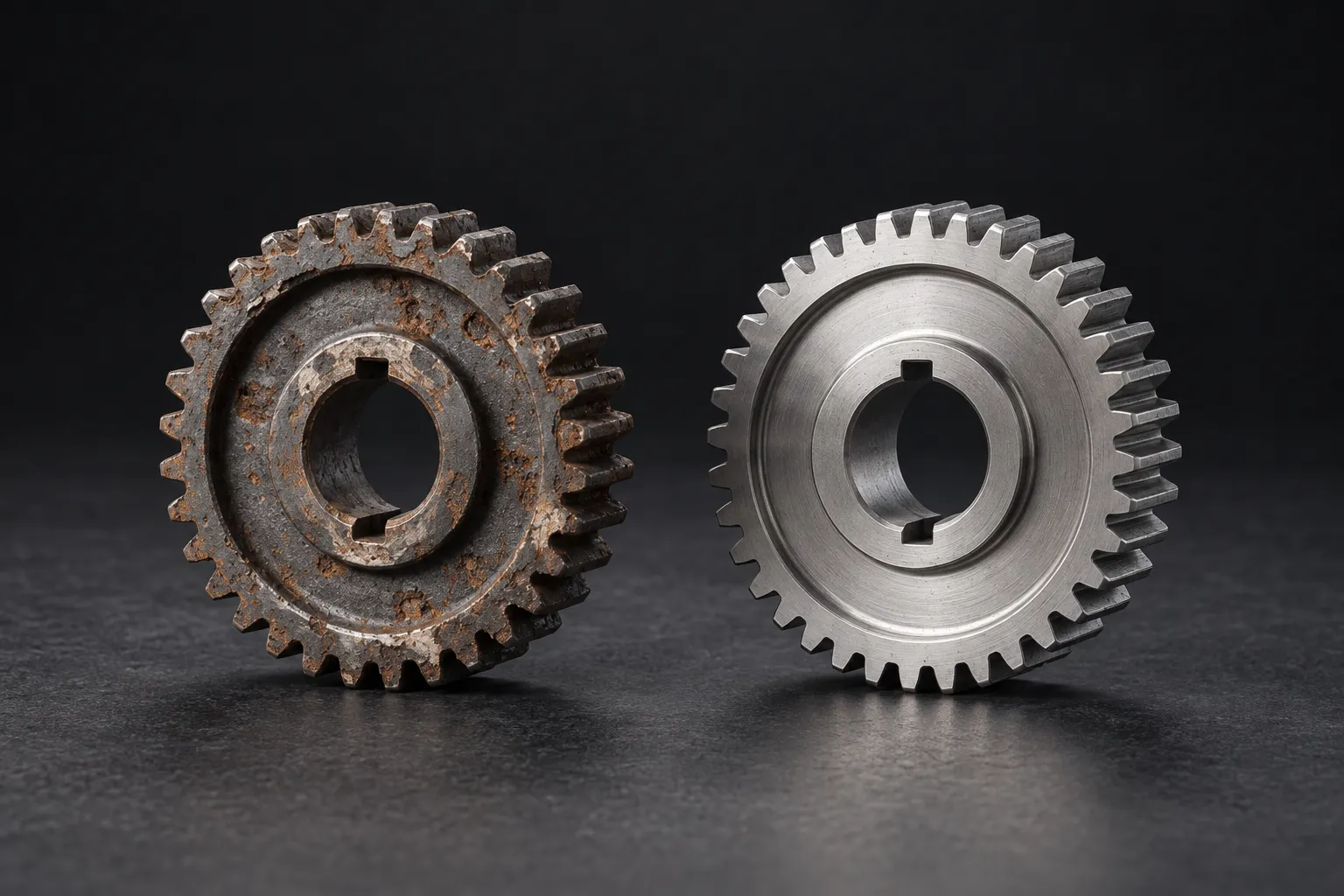
An obsolete casting with no drawing is a starting point, not a dead end. We rebuild the model from the sample, correct what failed and cut the die for a part better than the original.
The die casting process from the part in your hand to the finished casting on your bench. Four steps, one shop, an engineer on your job from the first call to delivery.
A sample, a 2D drawing or CAD. No drawing is fine. We measure the obsolete casting and rebuild the model the die will be cut from.

A real engineer reviews the part, the aluminium grade and the volume, then prices it within 24 hours. Straight advice, and an honest steer if machining or another route fits your quantity better.
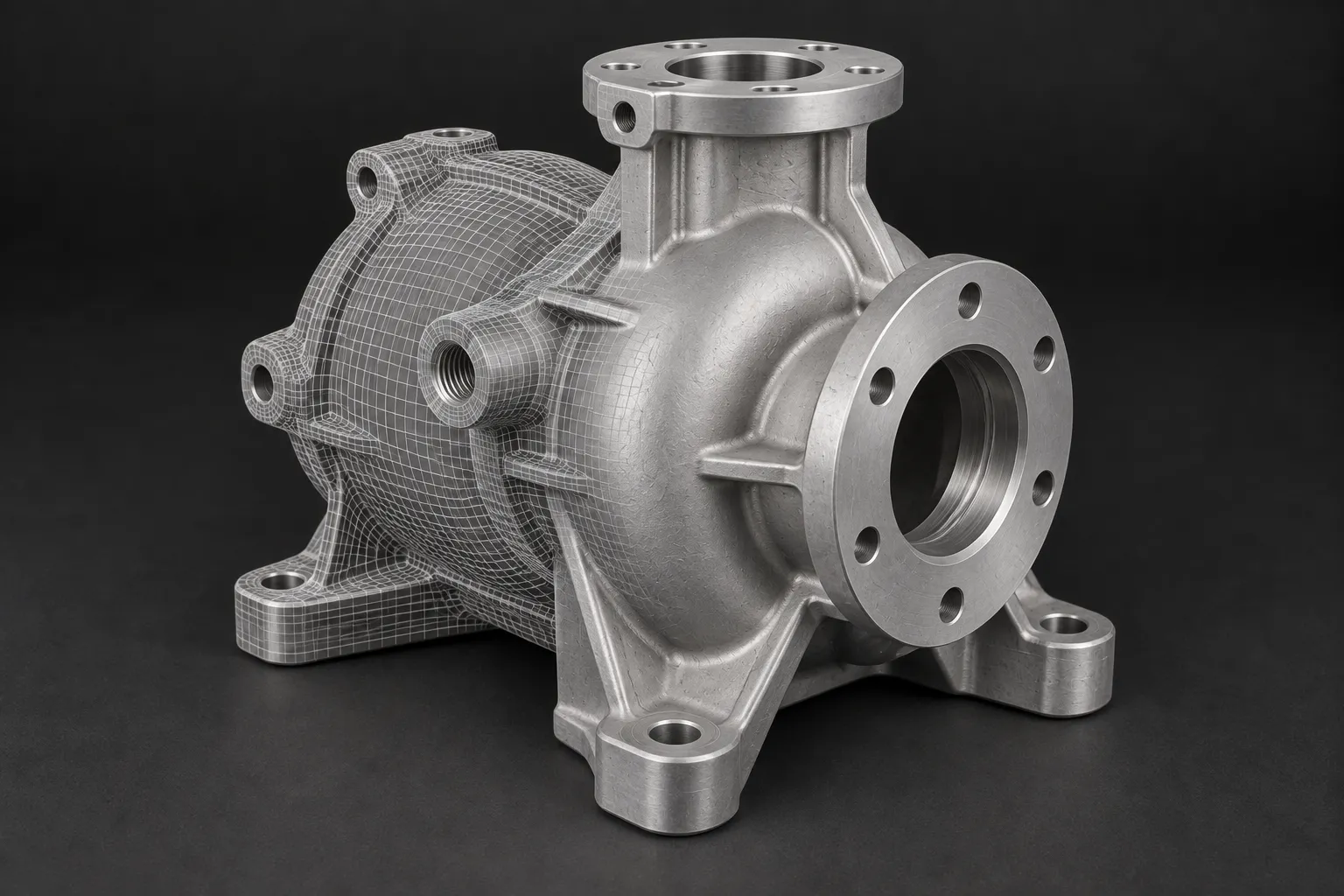
The geometry is checked for casting, wall thickness, draft and the way the aluminium will flow and cool, before any steel is cut. The die is tooled, then the first casting off it is inspected against the model.
The run is cast, the cast features machined to final spec, then delivered on time or early, an average of 1.5 days ahead, ready to fit.
Aluminium die casting FAQs

Yes. An obsolete casting is a starting point, not a dead end, because the worn part still holds the shape the die was cut from. We measure the original, rebuild the model, and where the casting failed at a thin wall or a stressed boss we correct that weakness in the model before any steel is cut. The new die is cut from the proven model, so the aluminium die casting comes out better than the original rather than a copy of a flawed one. This reverse engineering route is why OEM engineers bring us discontinued cast parts that the original maker no longer supplies. Send the worn casting, with or without a drawing, and we will start from what you have.
The die is the up-front cost in aluminium die casting, so we protect that spend by getting the part right before any steel is cut. A die cut from a guessed model is an expensive mistake, and reworking a die after the fact costs real money. We build the model from your actual part, check the geometry for casting, wall thickness, draft and the way the aluminium will flow and cool, then cut the die only when that model is proven. Where you are replacing an obsolete casting, the sample gives us a sound starting shape rather than a guess. That is the difference between a die that works first time and one that needs reworking, and it is why sceptical buyers trust the die spend with us.
Yes. We machine cast features to final spec in-house, so a casting leaves as a finished part rather than a raw shot needing a second supplier. Die casting gets you close to net shape, but bores, mating faces, threads and sealing surfaces usually need machining to hold the fit and finish a working assembly demands. Keeping the casting and the machining under one roof matters: the datums are set once, nothing is lost in handover, and a part that does not fit is ours to trace back and correct. That single point of responsibility is a large part of why precision aluminium casting buyers in oil and gas and food machinery use MV. Tell us which features are critical and we will machine them to the spec agreed.
Every first order is quoted individually, from a single obsolete casting through to a full frame-unit programme, so the right figure depends on the part and the volume. Die casting carries an up-front die cost, so the economics reward volume, but the work is still sized to the job rather than to a fixed minimum. What stays the same at either end is how the part is engineered: the model proven from your sample or drawing, the die cut only once the geometry is sound, and the cast features machined to final spec. Send the part and we will quote the actual work within 24 hours.
We work a range of casting aluminium, including the common pressure die casting alloys such as A380, ADC12 and A413, suited to being cast under pressure rather than machined from wrought stock. The right choice is rarely just about strength. Casting alloys are chosen for how well the metal flows into thin sections and around detail, how it cools without porosity, and how the finished part machines afterwards where features have to be cut to spec. Duty matters too, because a part that has to seal, carry load or survive a working machine in oil and gas or food machinery drives the alloy choice. For that reason we confirm the exact grade with you before we commit the die, so the casting behaves as the application needs. If you need an aluminium outside our usual range, ask us.
It depends on the part, but die casting earns its place when the volume spreads the die cost far enough to beat machining each part from solid. Because the die is the up-front investment, aluminium die casting is at its strongest for repeat volume, where every shot comes off the same once the die is proven. For a single obsolete part or a very small quantity, we will be straight with you: sometimes machining or another route is the better answer, and we will say so in the quote rather than sell you a die you do not need. When the numbers do favour casting, the die is cut once from a proven model and the unit cost falls away across the run. Send the part and the quantity you have in mind and we will tell you honestly which route fits.
An as-cast component has a different surface character from a fully machined billet part. Parting lines, ejector locations and local finishing may remain visible depending on the design. Functional faces can be machined afterwards, while cosmetic requirements should be agreed separately.
Porosity can matter where a casting must retain pressure, seal against another component or undergo significant machining. Tell us the working conditions and required acceptance checks at the outset. The casting route, geometry and any testing need to be agreed for the application.
Draft assists release from the die, while sensible section transitions support filling and cooling. Sudden changes in thickness can complicate the process. We review these features alongside strength, mounting interfaces and any secondary machining before committing to tooling.
A machined prototype can help evaluate fit and assembly, but it will not reproduce every property or feature of the casting process. We identify what the prototype is intended to prove and retain a separate review of casting geometry, material and production acceptance requirements.