Bespoke aluminium profiles to your section, with the die drawn from a sound model. Rails, channels, frames, heat sinks and structural sections extruded to a cross section cut for you, not an off-the-shelf shape, then cut to length and machined in-house. No section drawing needed, we recover the cross section from a sample length. A real engineer prices the work within 24 hours.
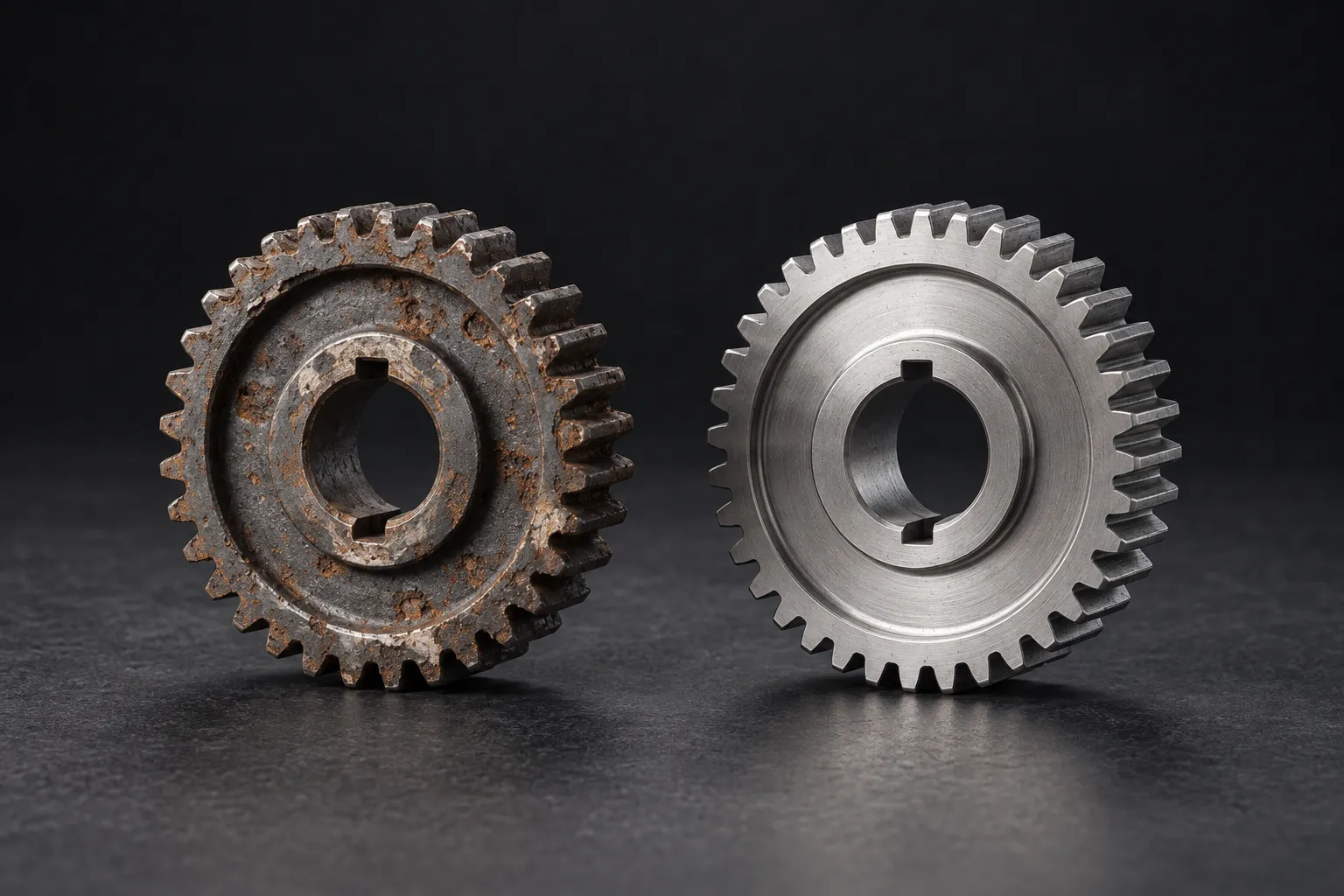
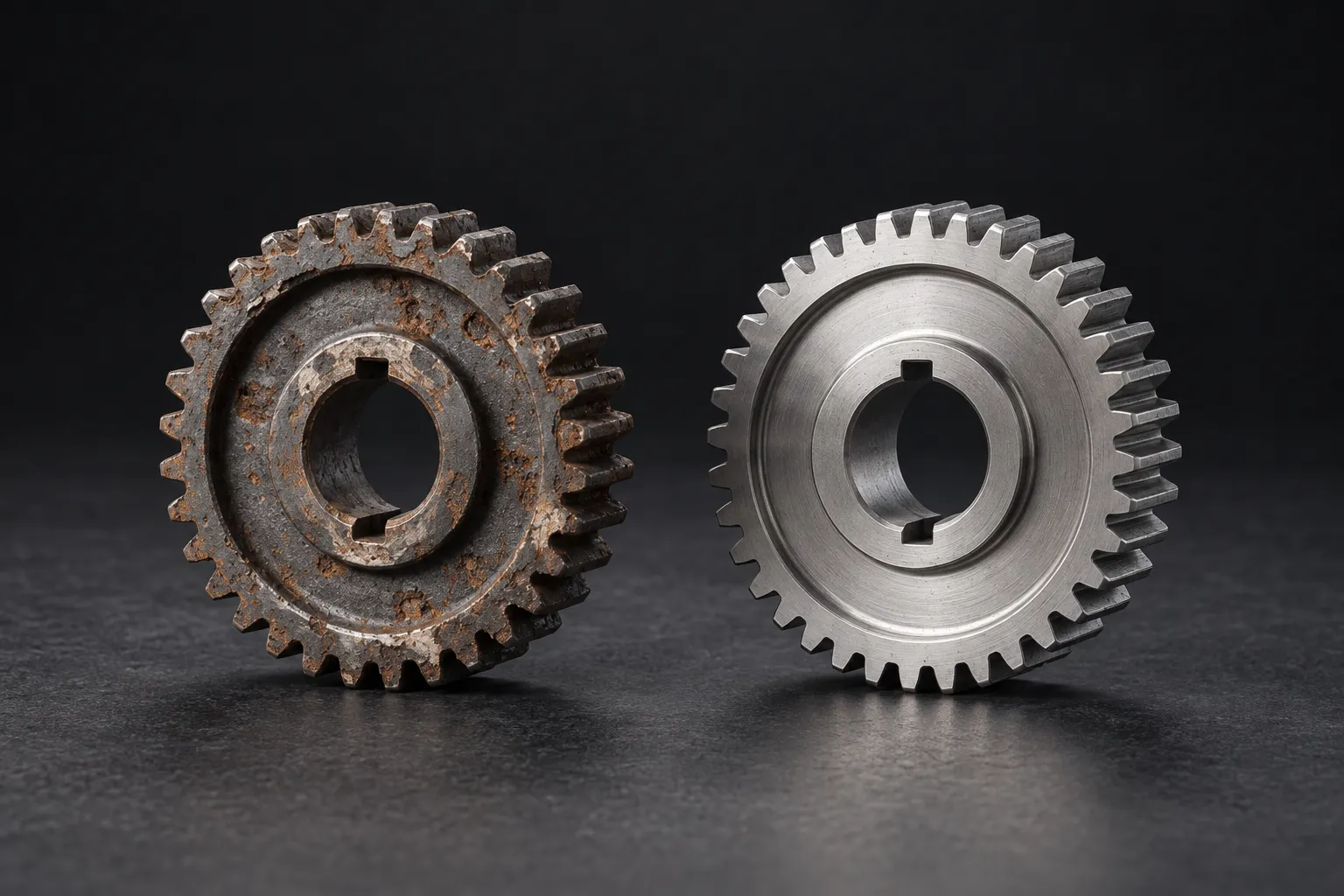
Start with a worn, failed or discontinued part. We reconstruct the design and agree improvements before manufacture.
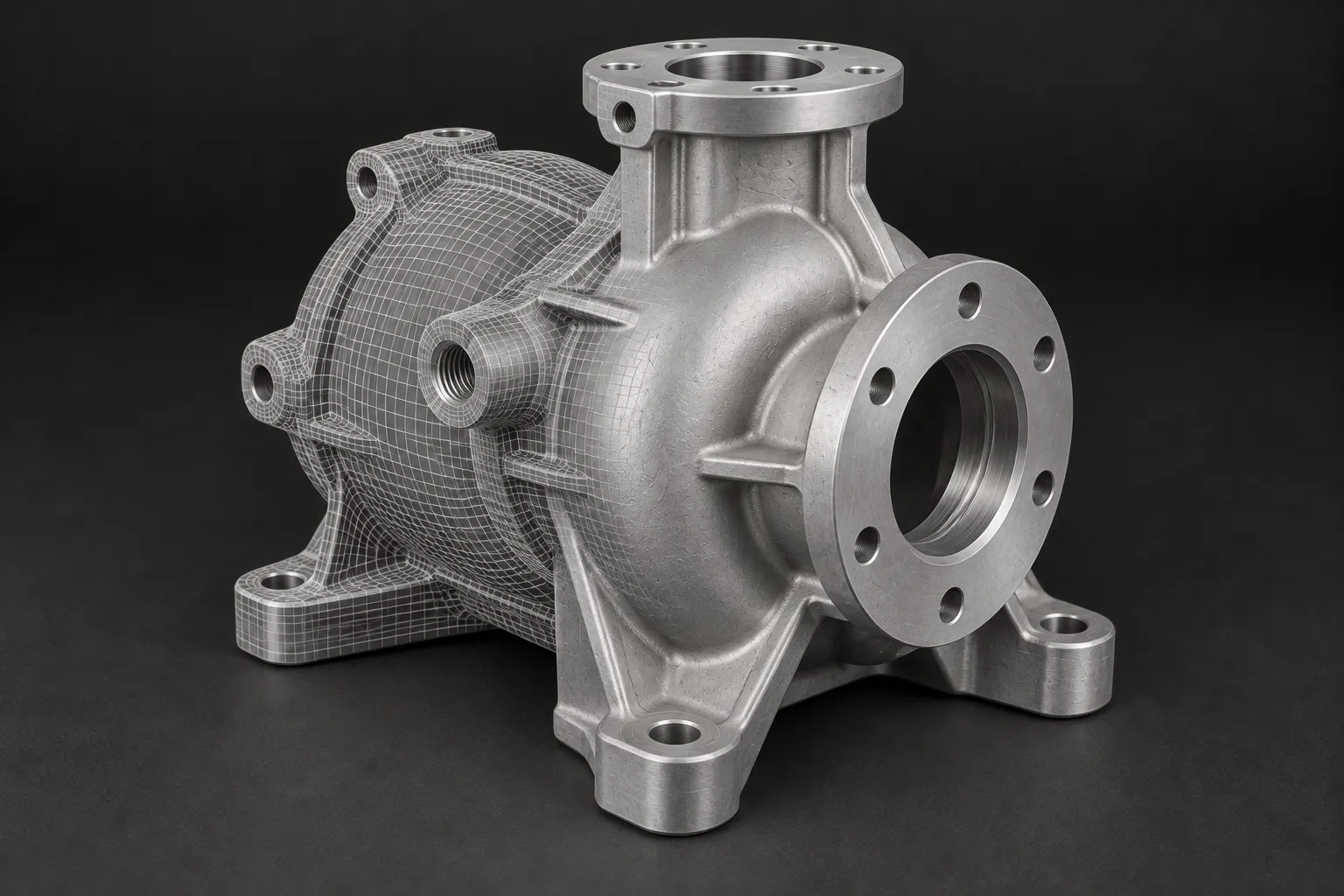
Digital surface capture to support CAD reconstruction and the wider reverse engineering job.
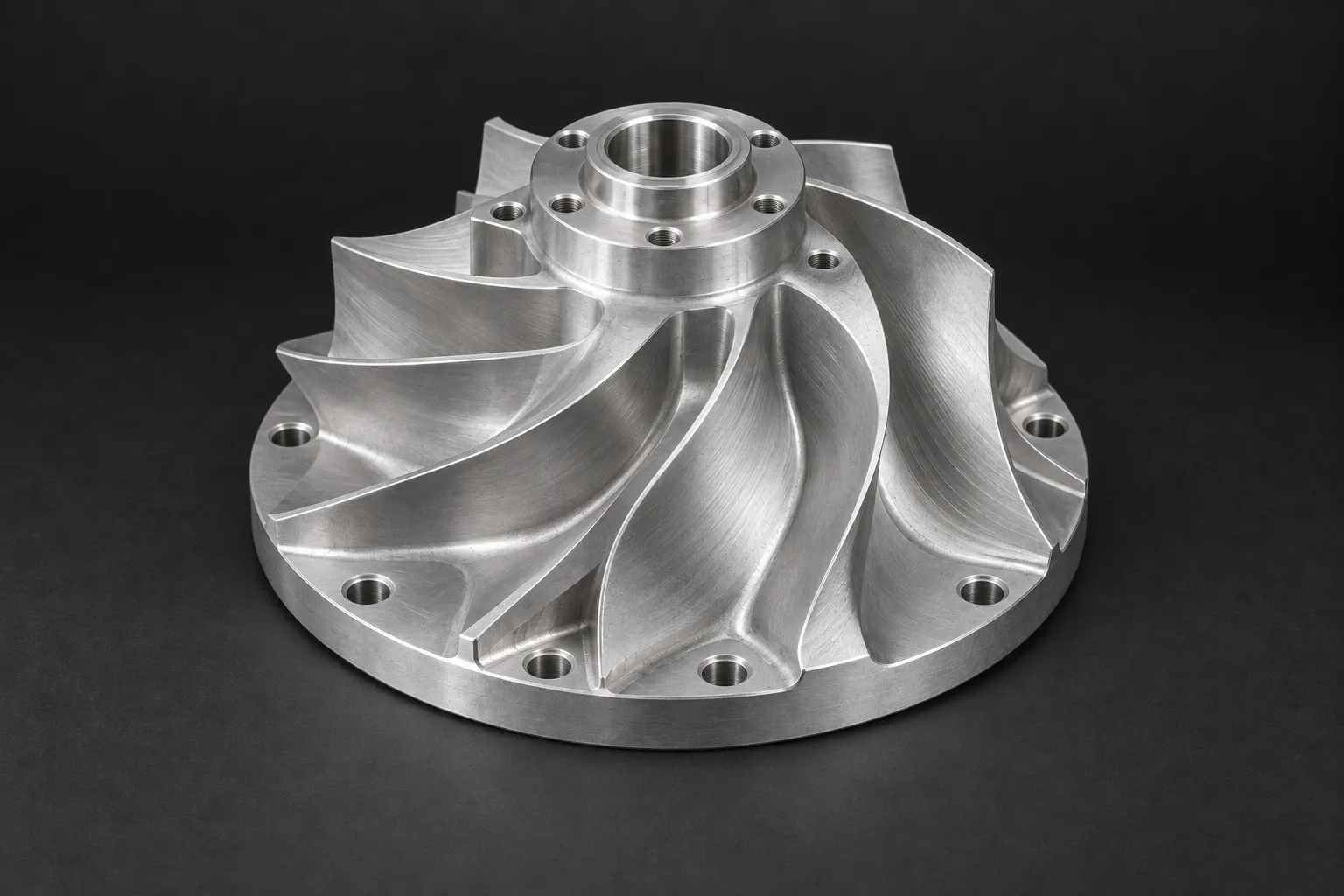
Machine angled features and complex surfaces, with the set-up planned around the critical relationships.
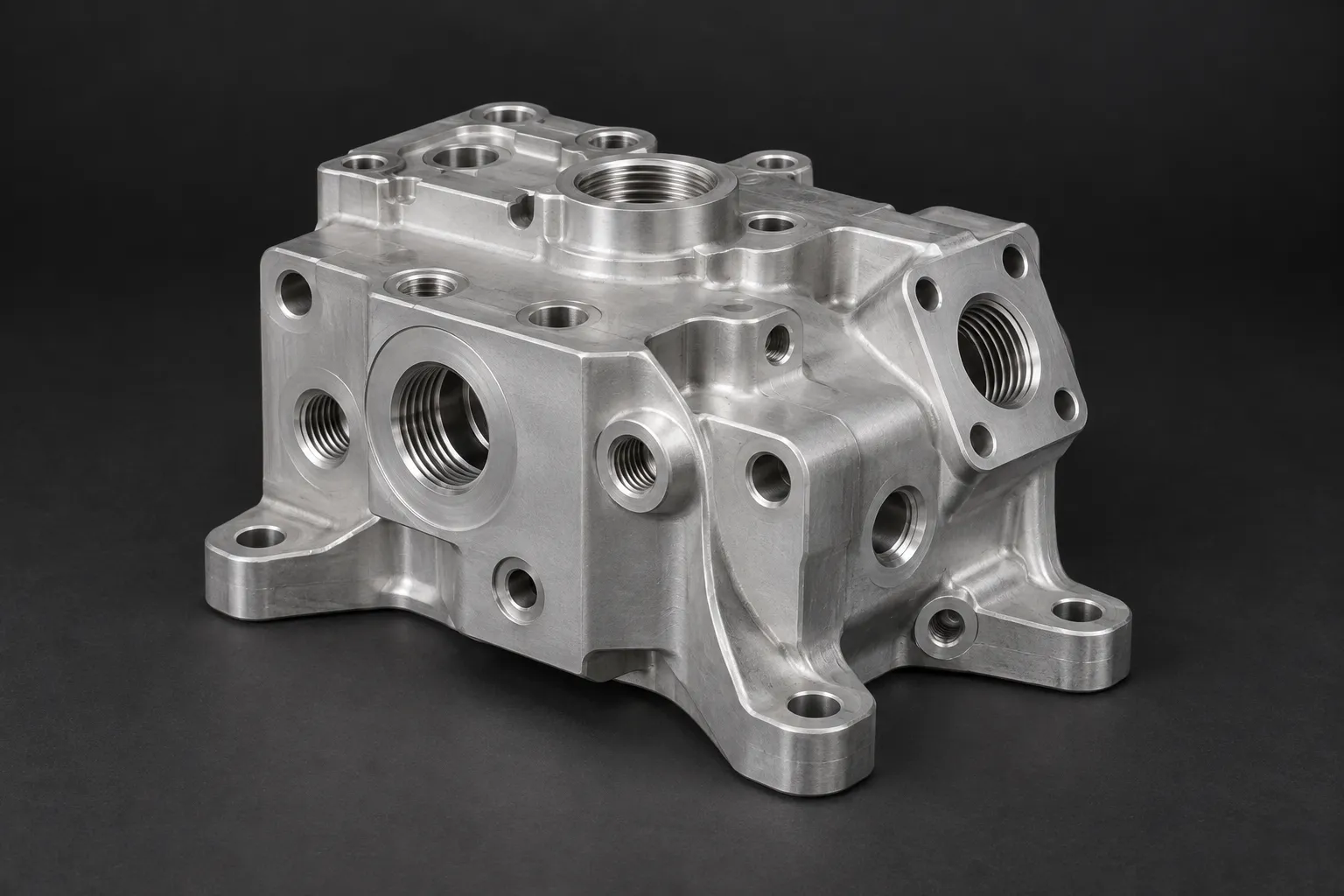
Milled housings, brackets and precision components in metals and engineering plastics.
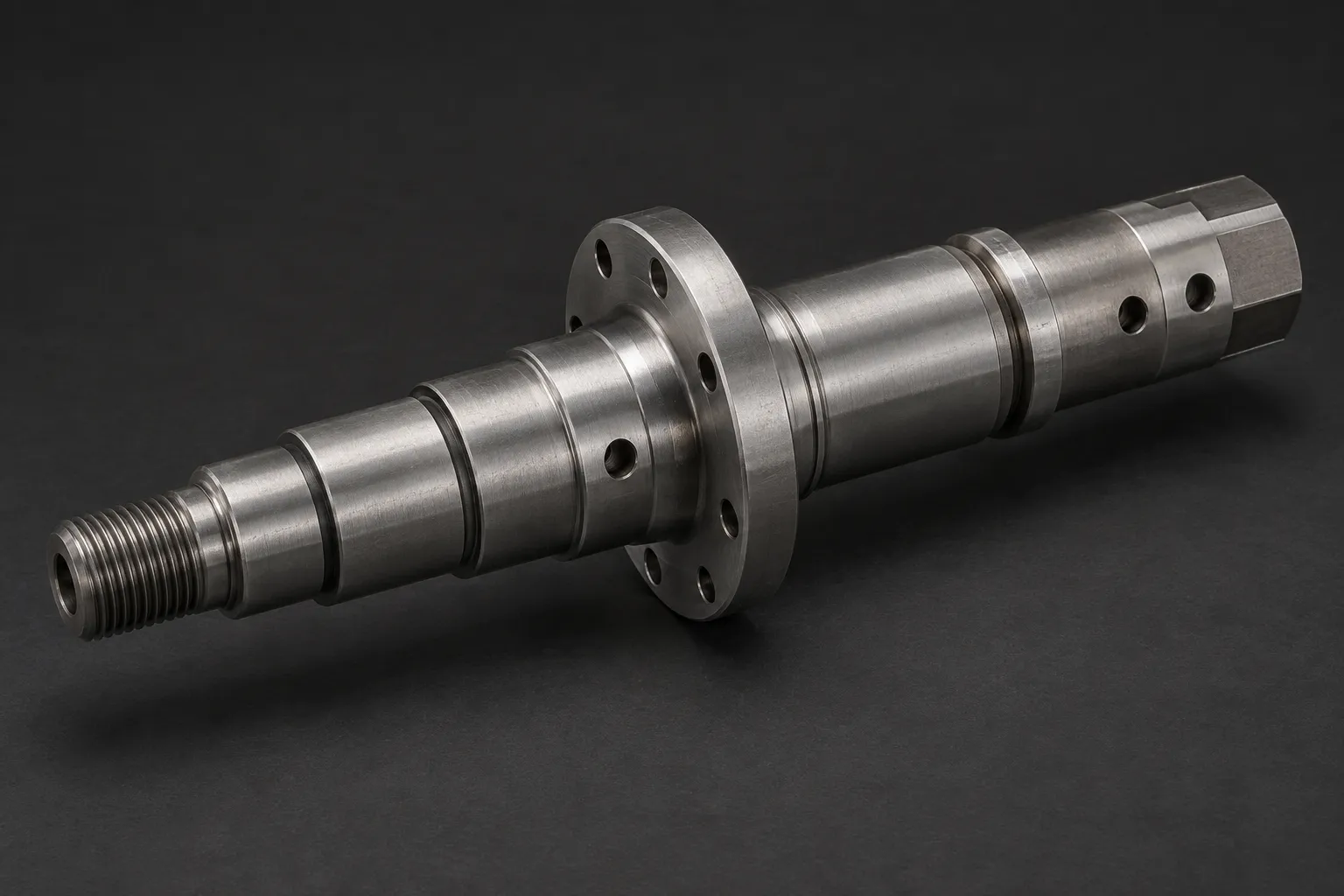
Stepped shafts, threaded fittings and housings, made to drawing or reverse engineered from a sample.
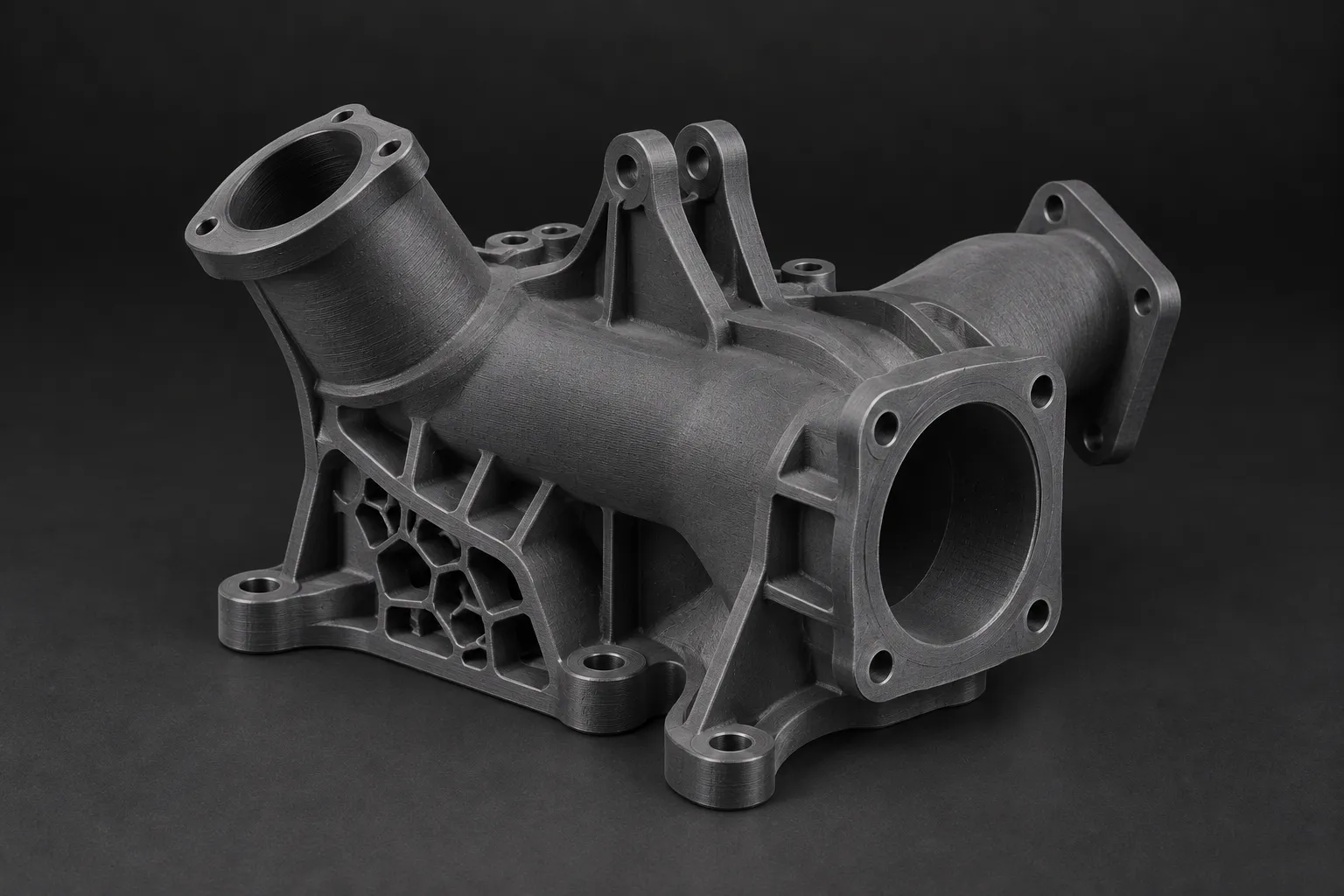
Bring us the application. Our engineers recommend the material and approach for your prototype or part.
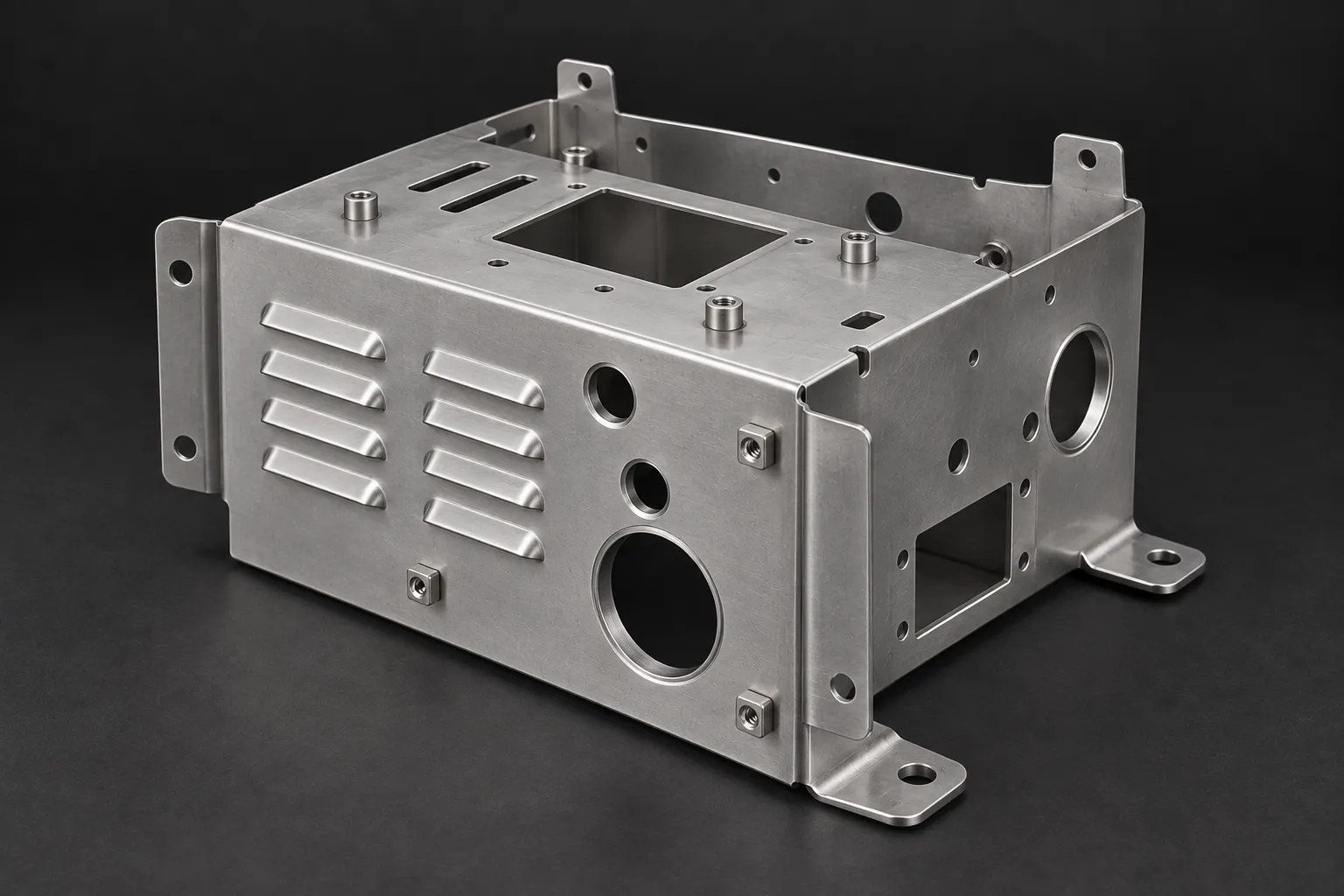
Brackets, panels and enclosures, developed around the bends, interfaces and finished assembly.
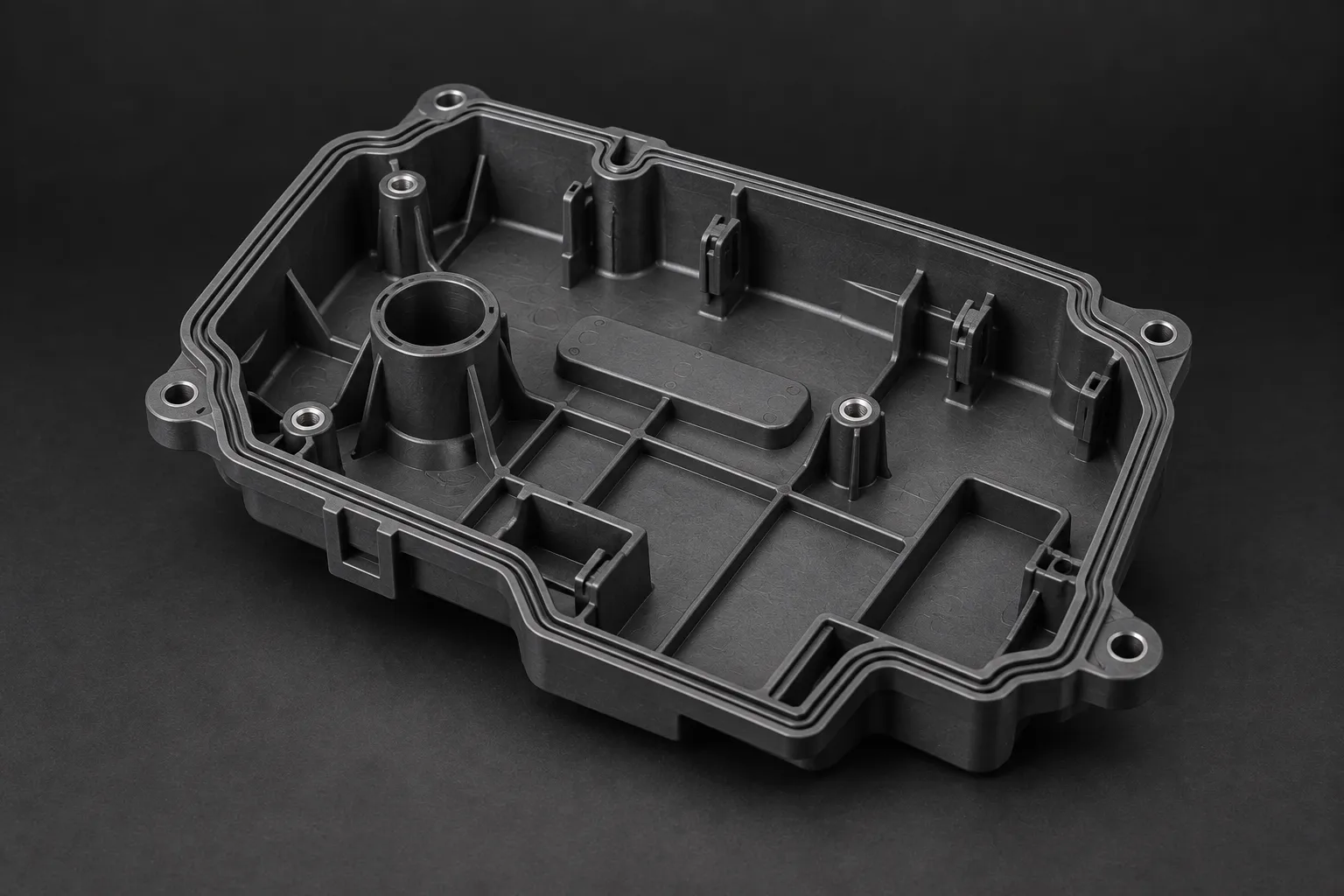
Moulded plastic components, with material, tool design and production requirements considered together.
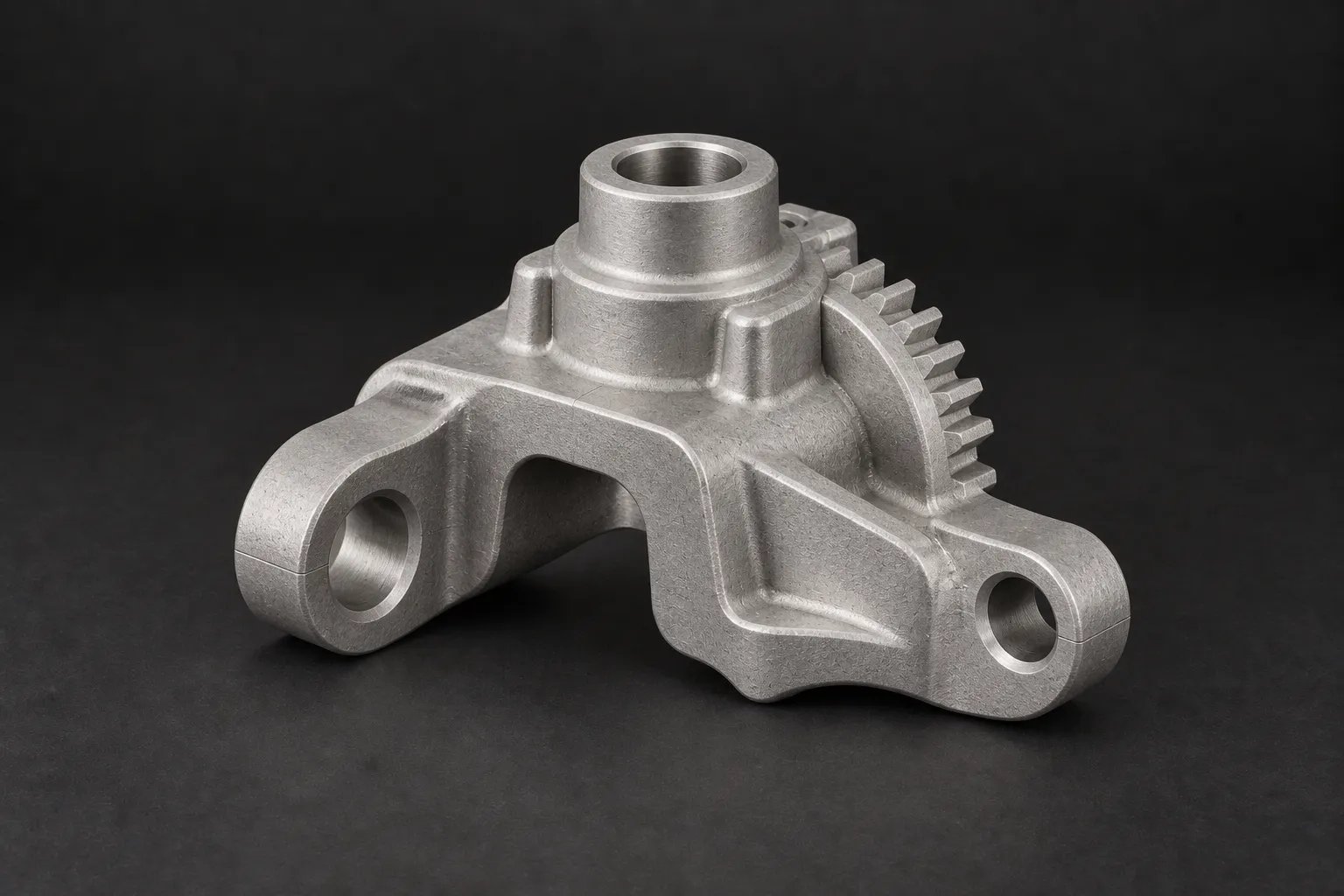
Small, complex metal components where geometry and quantity suit moulding and sintering.
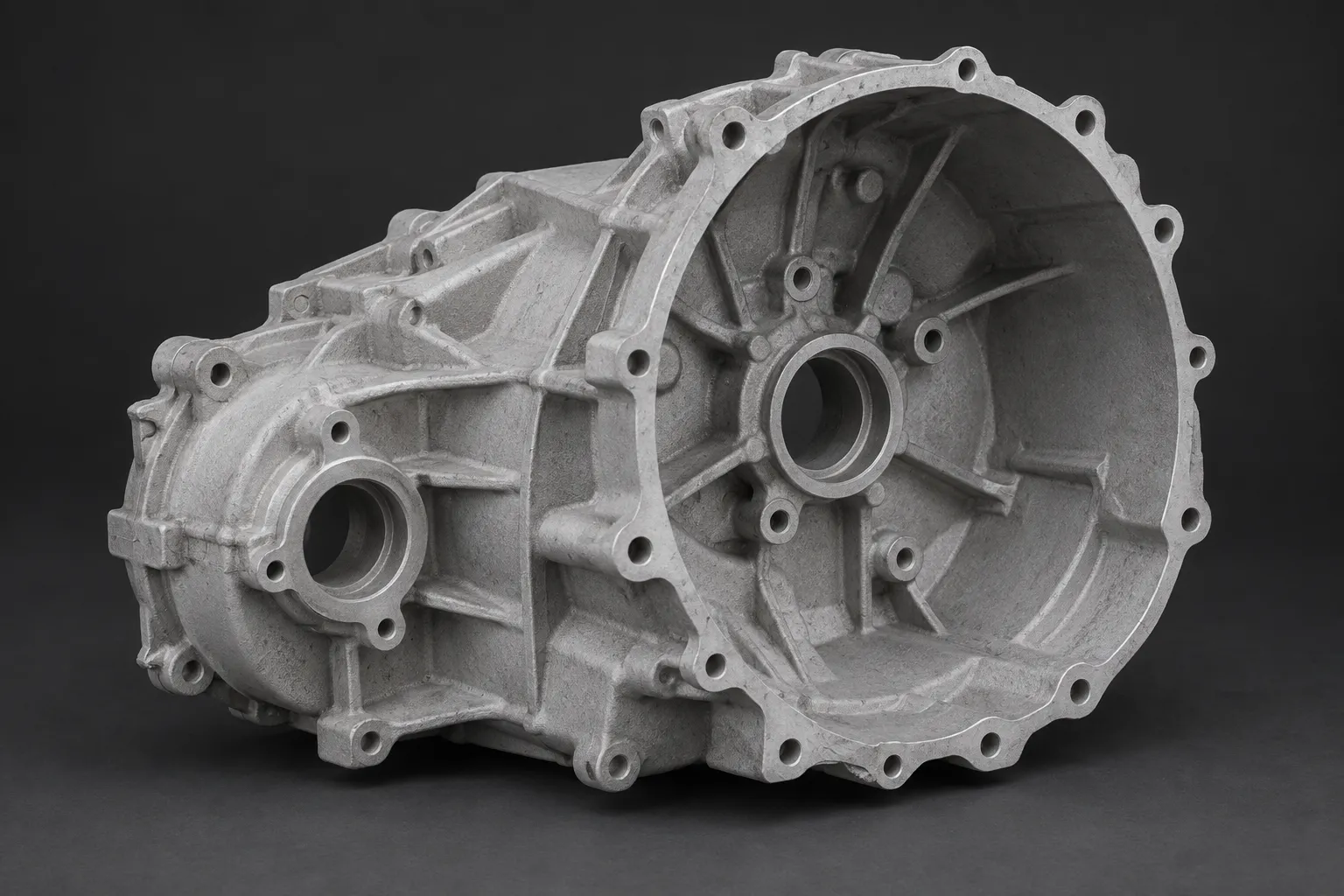
Aluminium housings and components, with casting geometry and any secondary machining planned together.
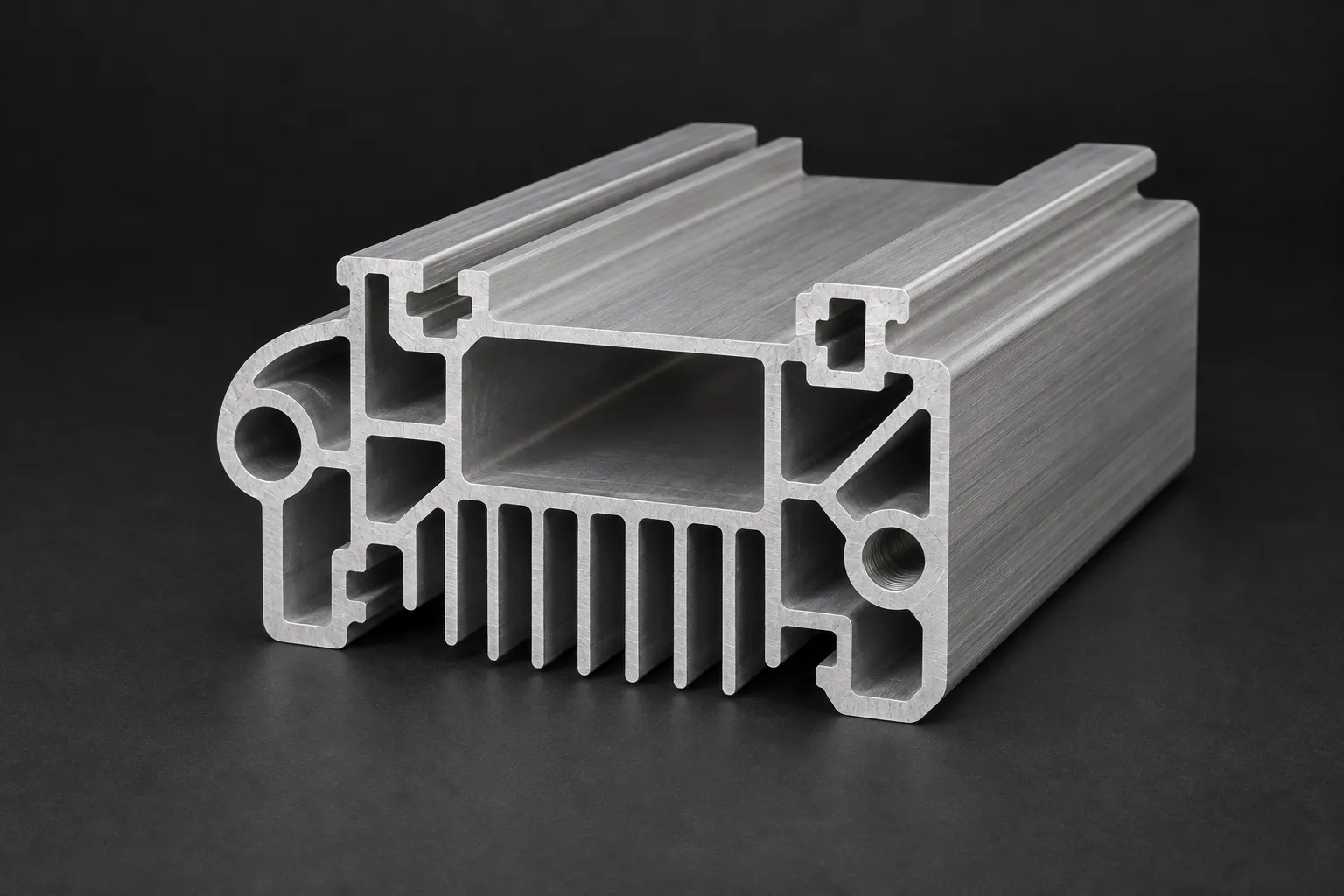
Custom sections developed for the application, then cut, machined and finished as required.
Manufactured and bought-in components brought together, with the interfaces and checks agreed first.
Welded components and fabrications, planned around material, joint access and distortion control.
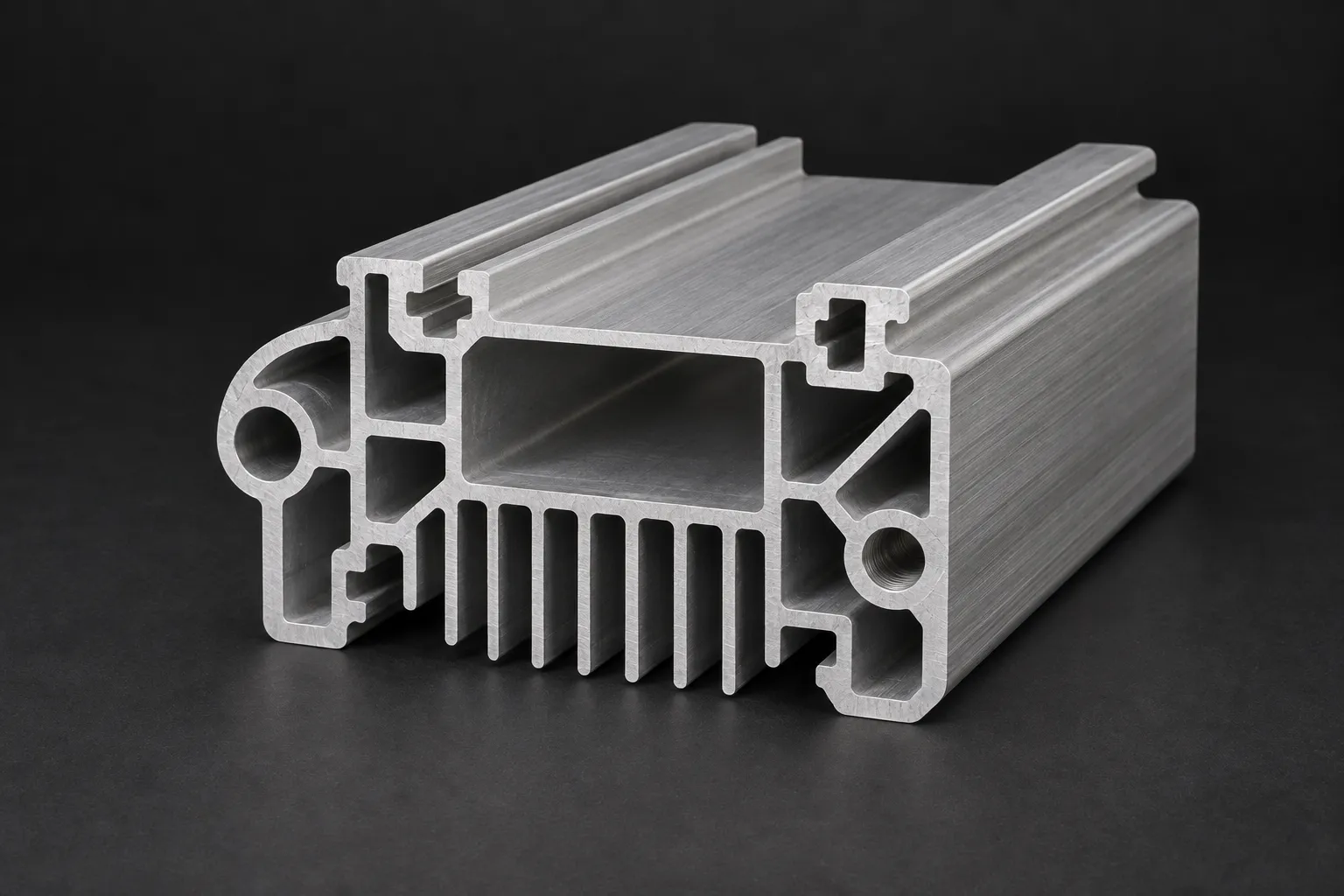
Extrusion pushes heated aluminium through a shaped die to produce a continuous profile with a constant cross section: rails, channels, frames, heat sinks and structural sections. Whatever the shape of the die, the extruded length carries that cross section from end to end. A custom extrusion means a die cut to your section rather than an off-the-shelf profile, so getting the cross section right, with even wall thicknesses and no fragile thin webs, is what the design work in front of the die is about. Common grades such as 6060 and 6063 are stocked for faster turnaround, in tempers such as T5 and T6, and we cut to length and machine the profile in-house. Where you have a length of an obsolete profile but no section drawing, we recover the cross section from the sample.
A profile drawn to your cross section, not an off-the-shelf shape you have to design around.
No drawing needed. We measure the cross section of an obsolete length and build the model from it.
We cut extruded lengths to size and machine holes, slots and features so the profile fits.
A range of extrusion aluminium. Tell us the duty and we confirm the grade before the die.
An obsolete profile is defined entirely by its cross section, and that cross section is still there in any sample length. We measure it, rebuild the model and correct any weakness in the section before the die is cut. You get a profile better than the original, ready to fit.
Send a length of the obsolete profile with no paperwork. We measure its cross section, rebuild the model and have the die cut from that section.
Where a thin web or a weak wall made the original section flex or fail, we correct the cross section in the model before any steel is cut for the die.
Custom aluminium extrusion is ideal for complex cross sections and long, economical profile runs, with no minimum order quantity whether you need one length or a full production run. Common grades are stocked for faster turnaround, with further grades available on request, including specific tempers such as T5 and T6.
Please see our material lists for Custom Aluminium Extrusions. Looking for a material you can't find here? Get in touch to discuss your requirements.
Common Grades: Aluminium 6060, Aluminium 6063
Other Grades: Aluminium 1050, Aluminium 1060, Aluminium 3003, Aluminium 5083, Aluminium 6042, Aluminium 6061, Aluminium 6082, Aluminium 6262, Aluminium 7180
Extruded aluminium profiles can be left as extruded, hand brushed for a linear grain, or anodised in colour or the tougher Type 3 hard coating. Each finish is shown below on the same reference part. If your project calls for a finish that is not listed, get in touch and we will confirm whether we can match it.
Surface roughness can be specified using Ra value. Ra3.2 - 1.6um as standard.
Achieve a brushed look. Ideally anodised after.
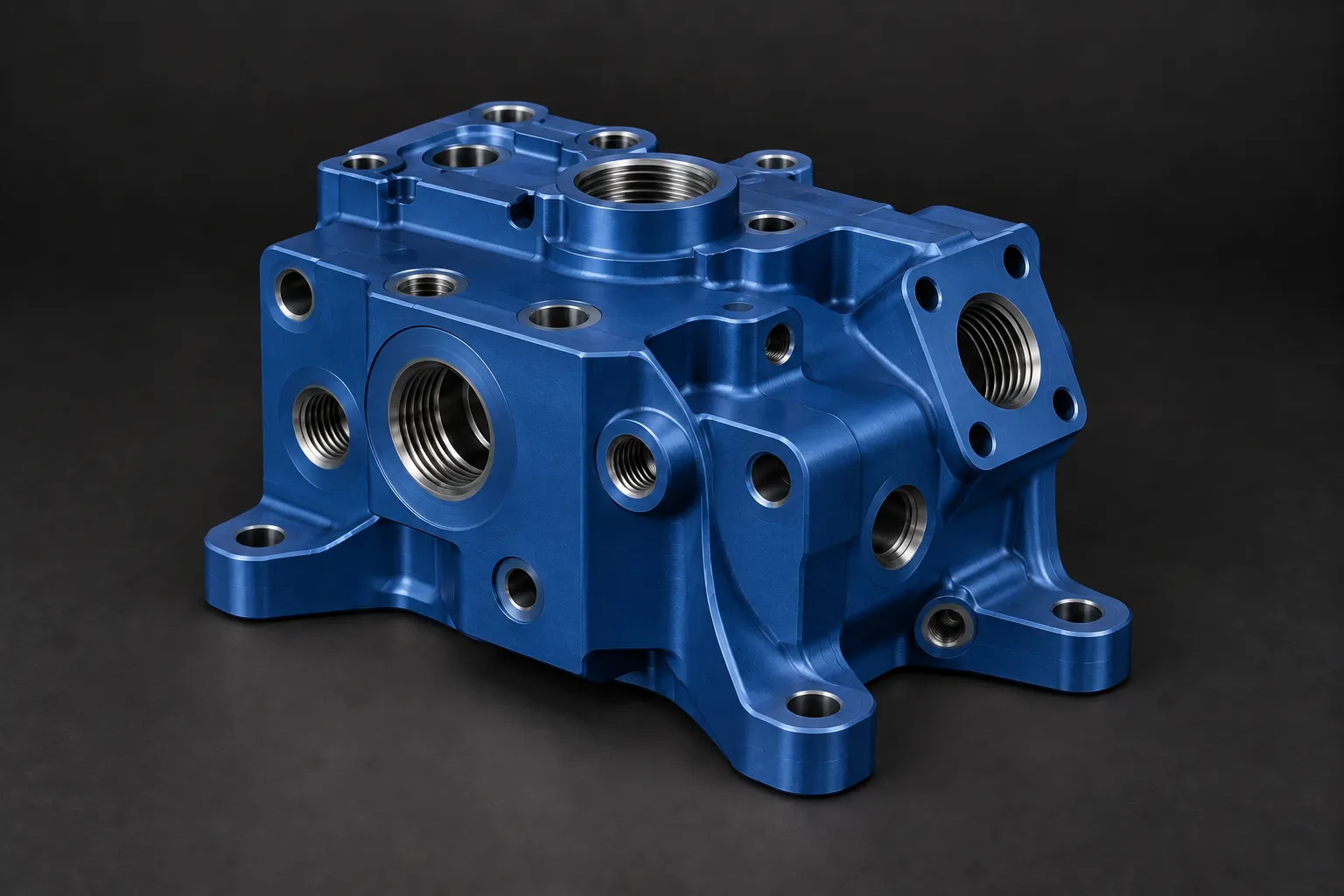
Standard: clear, black, red, green, blue, yellow / gold. Any other with a RAL number.
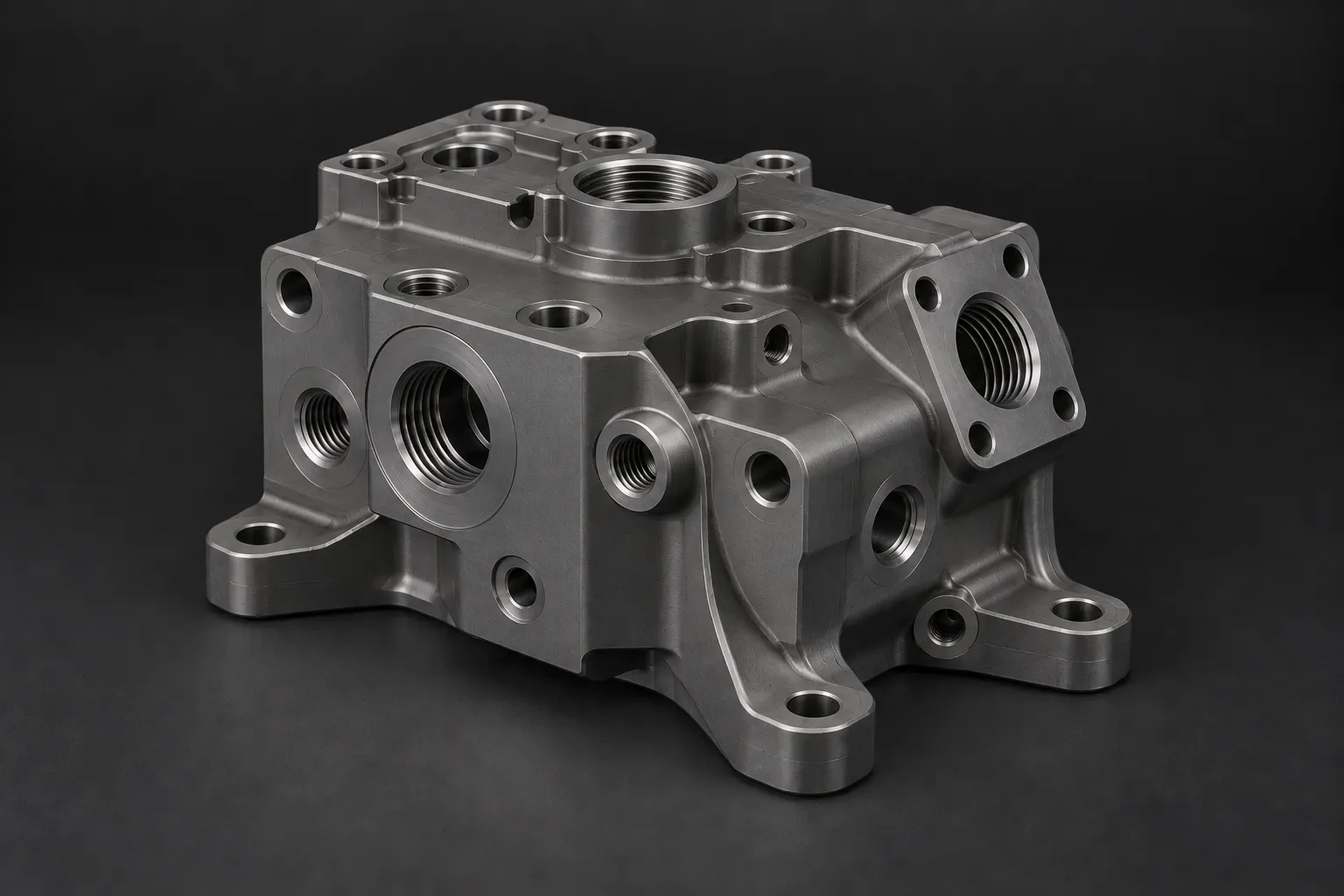
Standard: black or grey.
We sell the expertise that gets a profile right, not metres of section. That means the cross section recovered from your sample, the die drawn from a proven model, and the length cut to size and machined so the profile is ready to fit. Over 100,000 parts delivered, on time or early every time, stand behind that judgement. Our engineering team plans the work together, with one point of contact keeping the job clear and coordinated. Here is what that means when you send us a profile.

Over 100,000 parts delivered, on time or early every time, an average of 1.5 days ahead. Profiles cut to length and machined, delivered when we said.

Miguel came up through Cosworth, Perkins and Caterpillar before founding MV in 2020. The standard those names set is the standard we draw a section and machine an extrusion to.
We recover the section, have the die drawn, then cut to length and machine features in-house. Nothing is lost in handover, and a profile that does not fit is ours to correct.
We make frames, rails and structural sections for food machinery and oil and gas, where a profile has to carry load, mount cleanly and last in a working machine.
A discontinued profile with no section drawing is a starting point, not a dead end. We recover the cross section from a sample length and have a die cut for a profile better than the original.
The extrusion process from the length in your hand to the finished profile on your bench. Four steps, one shop, an engineer on your job from the first call to delivery.
A sample length, a section drawing or CAD. No drawing is fine. We measure the cross section and rebuild the model the die will be drawn from.

A real engineer reviews the section, the aluminium grade and temper, the length, the machining and the volume, then prices it within 24 hours. Straight advice, and an honest steer if machining from solid fits better.
The cross section is drawn from the proven model, the die is cut, and the profile is extruded so the section holds true along the full length.
The profile is cut to length and machined to your features, then delivered on time or early, an average of 1.5 days ahead, ready to fit.
Custom aluminium extrusion FAQs

Yes. An extrusion is defined entirely by its cross section, and that section is still there in any sample length, so a discontinued profile with no section drawing is a starting point rather than a dead end. We measure the cross section, rebuild the model, and where a thin web or a weak wall made the original flex or fail we correct the section before any steel is cut for the die. The die is drawn from that proven model, so the custom aluminium extrusion comes out better than the original. This reverse engineering route is why OEM engineers bring us obsolete profiles the original maker no longer supplies. Send a sample length, with or without a drawing, and we will start from what you have.
Yes. We cut extruded lengths to size and machine holes, slots and end features in-house, so the profile arrives ready to fit rather than as raw stock for another supplier to finish. An extrusion gives you the cross section along the length, but most parts still need cutting to length, drilling, tapping or notching before they mount into a frame or assembly. Keeping the extrusion and the machining under one roof means the datums are set once, nothing is lost in handover, and a profile that does not fit is ours to trace back and correct. That is a large part of why buyers of machined aluminium extrusion in oil and gas and food machinery use MV. Tell us the features you need and we will machine them to the spec agreed.
An engineer prices your custom aluminium extrusion within 24 hours, and it is a real engineer who reviews it, not an automated estimate. Our engineers review the cross section, the aluminium grade and temper, the length, the machining needed and the volume, because all of those drive the cost of an extrusion far more than the outline size does. A complex section with thin webs, or one that needs a lot of machining after extruding, takes more planning than a simple bar, and the quote reflects that honestly. If another process such as machining from solid suits the part better, you get told straight. Send a sample length, a section drawing or a CAD file, and you will have a costed answer inside a day.
It depends on the length you need, but a custom die earns its place when the volume of profile spreads the die cost far enough to beat machining the section from solid. The die is the up-front investment in a bespoke aluminium extrusion, so the economics favour repeat volume, where every metre carries the same cross section once the die is proven. For a very short run or a one-off, we will be straight with you: sometimes machining the section from stock is the better answer, and we will say so in the quote rather than sell you a die you do not need. Where you are recovering an obsolete profile, the die also brings back a section you could not otherwise buy. Send the section and the quantity and we will tell you honestly which route fits.
We work a range of extrusion aluminium, with common grades such as 6060 and 6063 stocked for faster turnaround and further grades available on request, in tempers such as T5 and T6. The right choice is rarely just about strength. Extrusion alloys are chosen for how cleanly the metal flows into thin webs and fine detail, how the section holds its shape as it cools, and how the finished profile machines and takes a finish afterwards, while the temper sets the final hardness and how the profile behaves in service. Duty matters too, because a structural frame, a mounting rail or a heat sink in oil and gas or food machinery each pull the choice a different way. We confirm the exact grade and temper with you before we commit the die. If you need a grade outside our usual range, ask us.
Anything with a constant cross section is a candidate for extrusion: rails, channels, frames, heat sinks, mounting sections and structural profiles that carry the same shape from end to end. The test is simple. If you can slice the part and every slice looks the same, an aluminium extrusion profile is usually the efficient route, because the die does the shaping once and the length carries it. Features that vary along the part, such as holes, slots and cut ends, are added afterwards, which is why we cut to length and machine in-house. Where the part changes shape along its length, we will tell you that casting or machining fits better. Send the part or a sketch of the section and we will confirm whether extrusion is the right process within 24 hours.
Extrusion suits parts based on a repeated cross-section. Wall thickness, internal voids and the balance of the profile influence its practicality. Our engineers review the section together with the finished length, subsequent machining and intended load before recommending a custom extrusion route.
Straightness and twist need to be specified in relation to the profile, length and application. Cutting or machining can introduce further requirements for the finished component. We agree the important interfaces and checks rather than treating the extruded section as the final specification on its own.
Finishing can be planned around the chosen alloy, desired appearance and functional surfaces. Machining and assembly requirements should be considered before the finish is specified. Tell us where appearance, contact faces or dimensional fits matter so the sequence can be reviewed as a whole.
A suitable profile can sometimes combine several functions into one repeated section. It still needs to work structurally and allow access for machining, fixing and assembly. We compare the revised design with the existing arrangement before recommending a change.