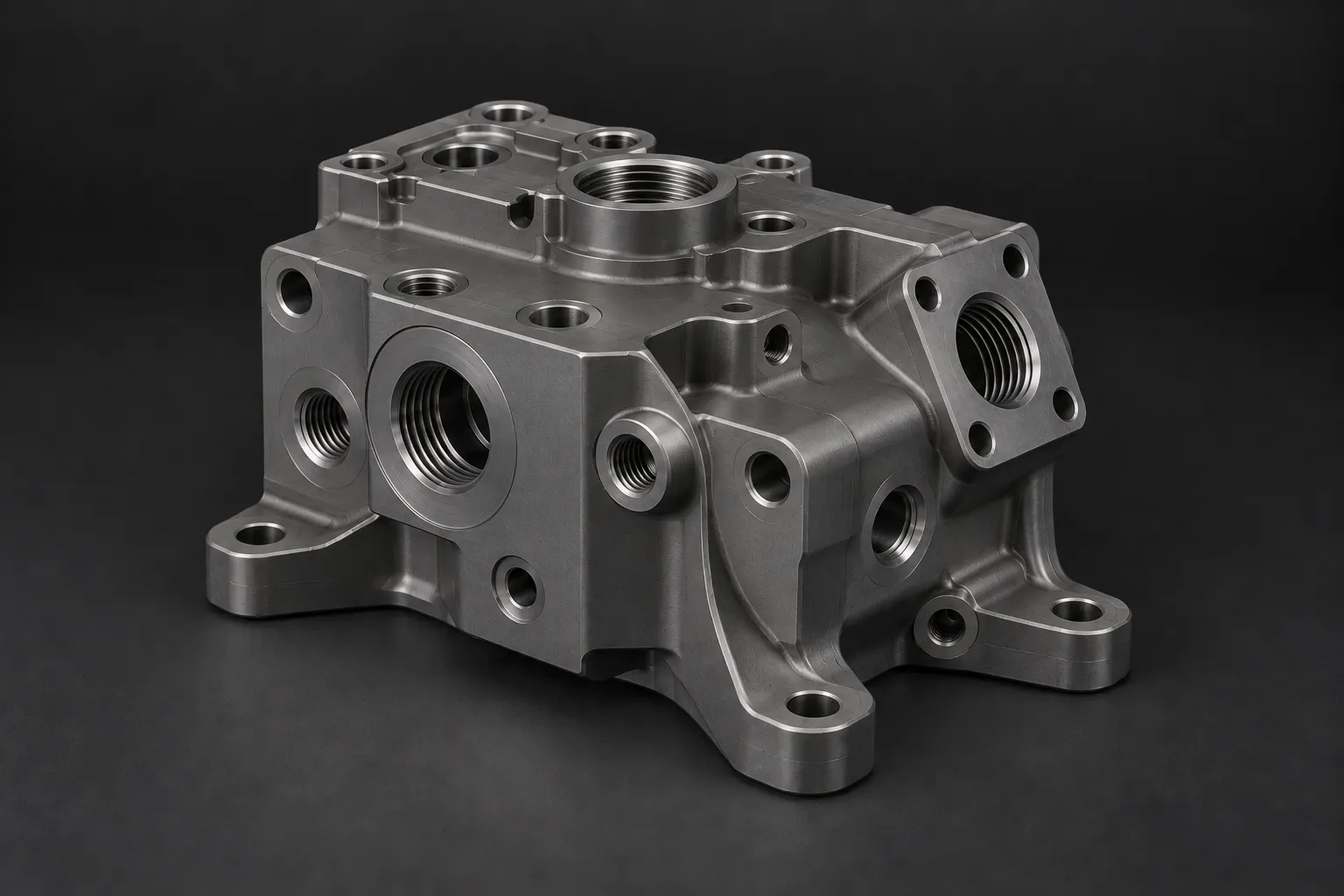
Accurate milled parts from your drawing, or from the sample when there is no drawing. Brackets, plates, housings and mounting parts cut square and true in aluminium, steel, stainless steel, brass and engineering plastics, typically held to around 0.05mm or tighter on request, and repeatable part after part. A real engineer prices the work within 24 hours.
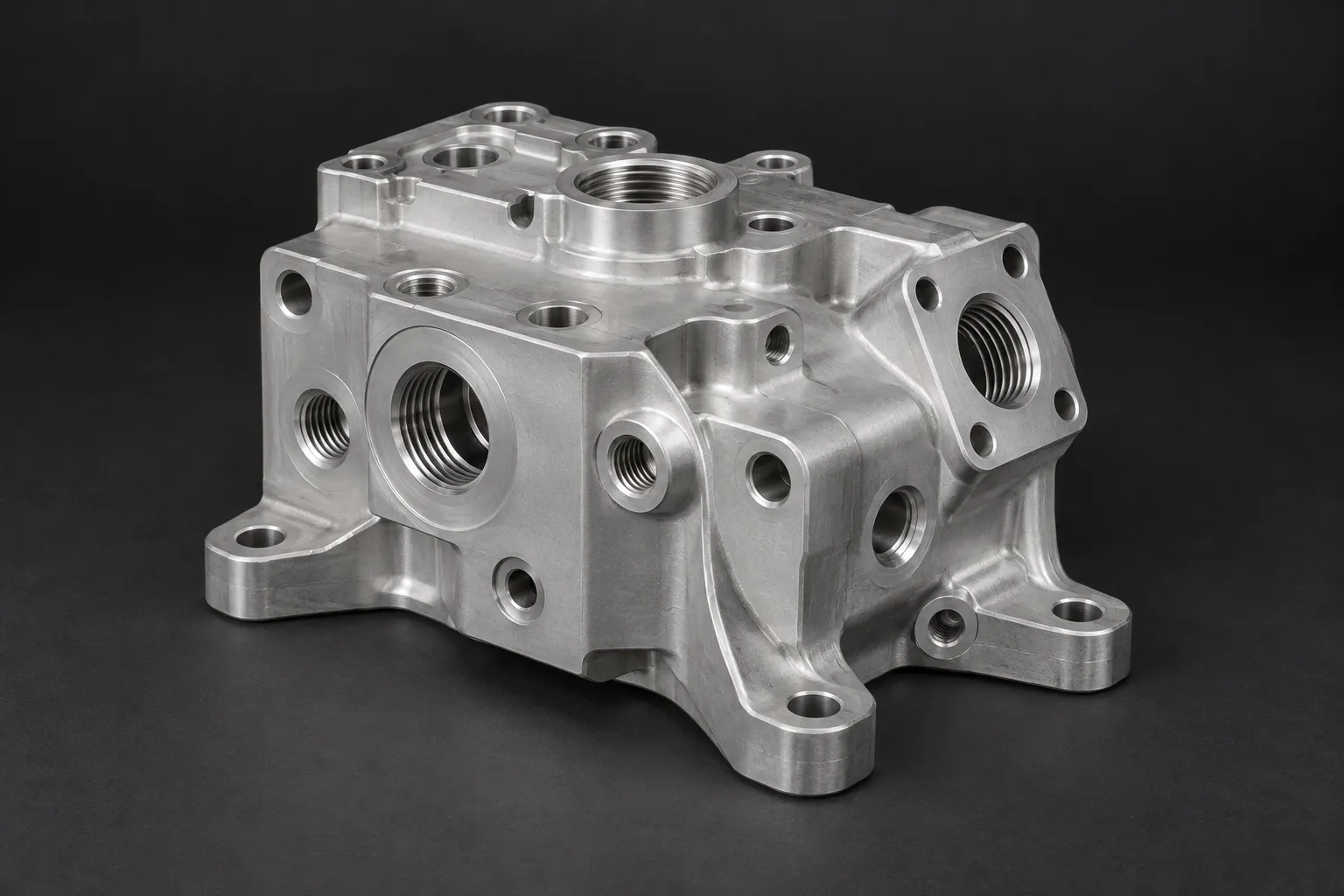
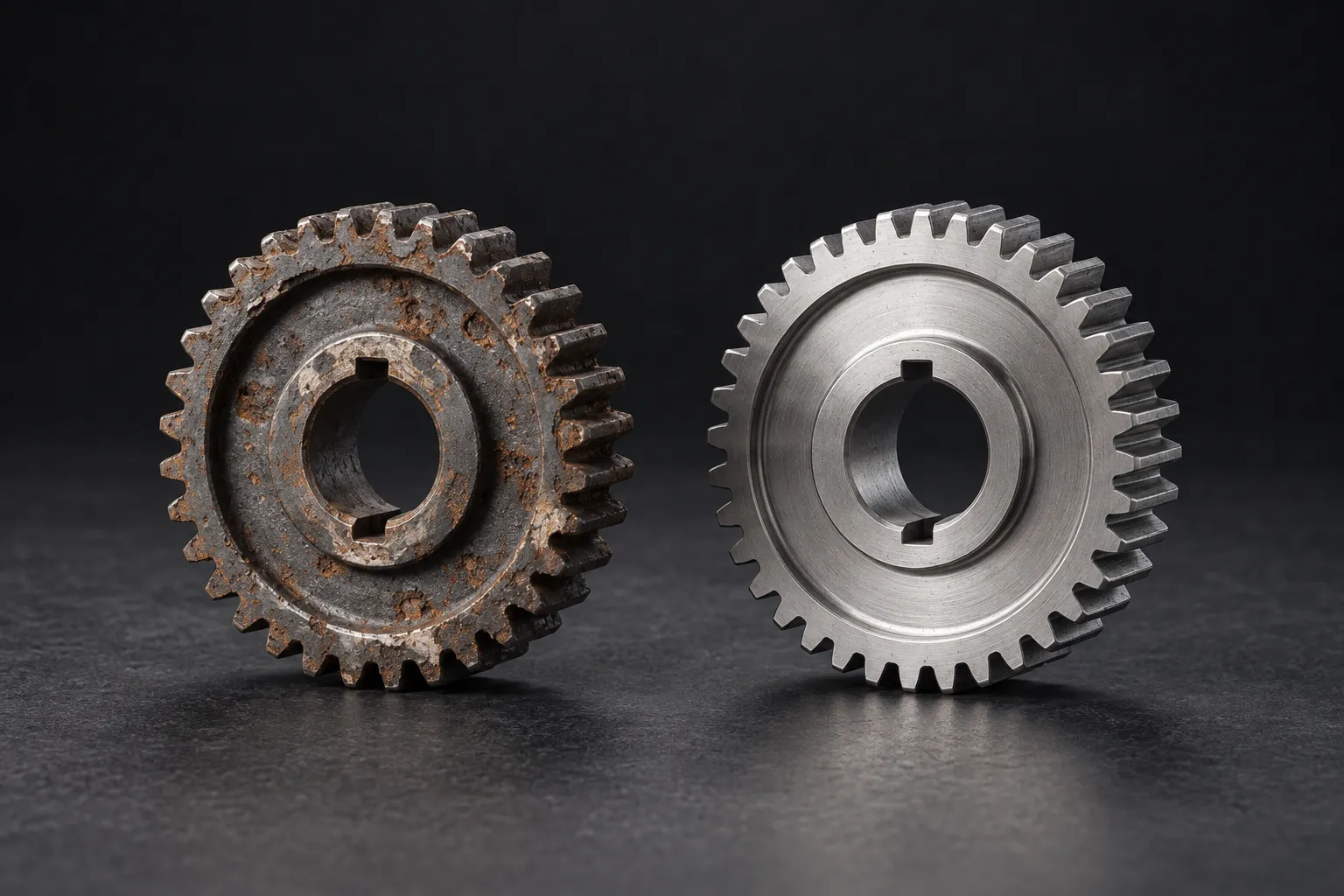
Start with a worn, failed or discontinued part. We reconstruct the design and agree improvements before manufacture.
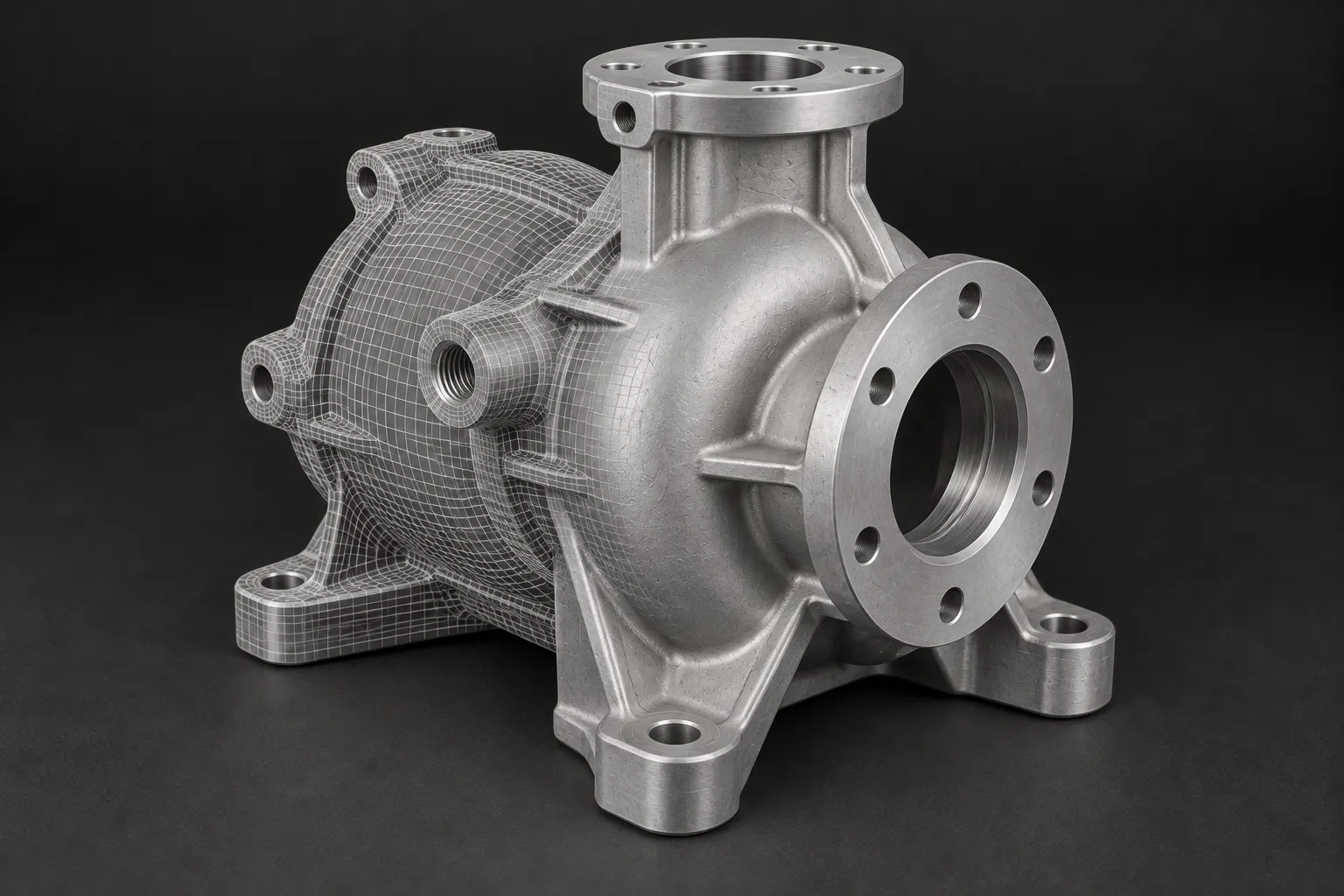
Digital surface capture to support CAD reconstruction and the wider reverse engineering job.
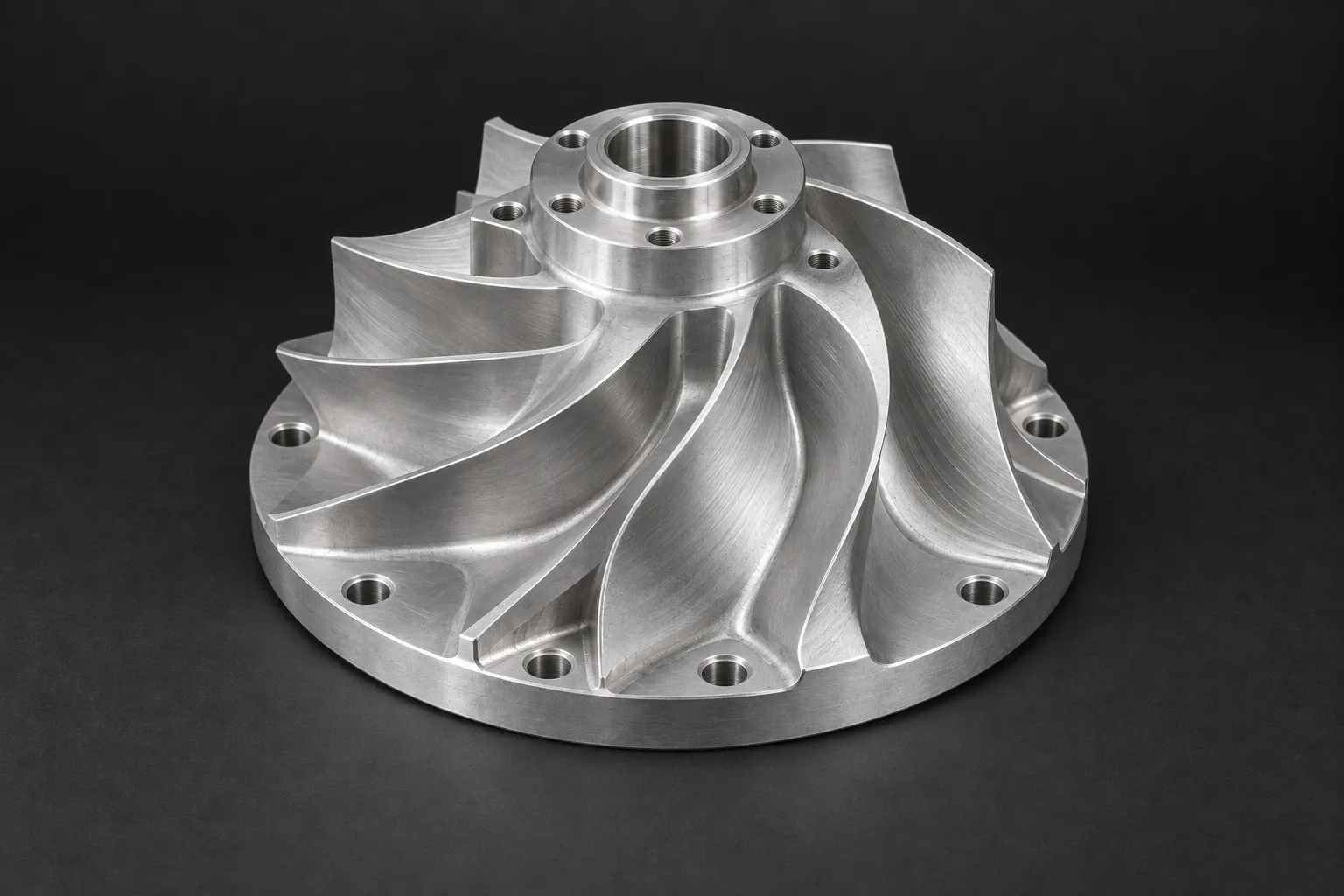
Machine angled features and complex surfaces, with the set-up planned around the critical relationships.
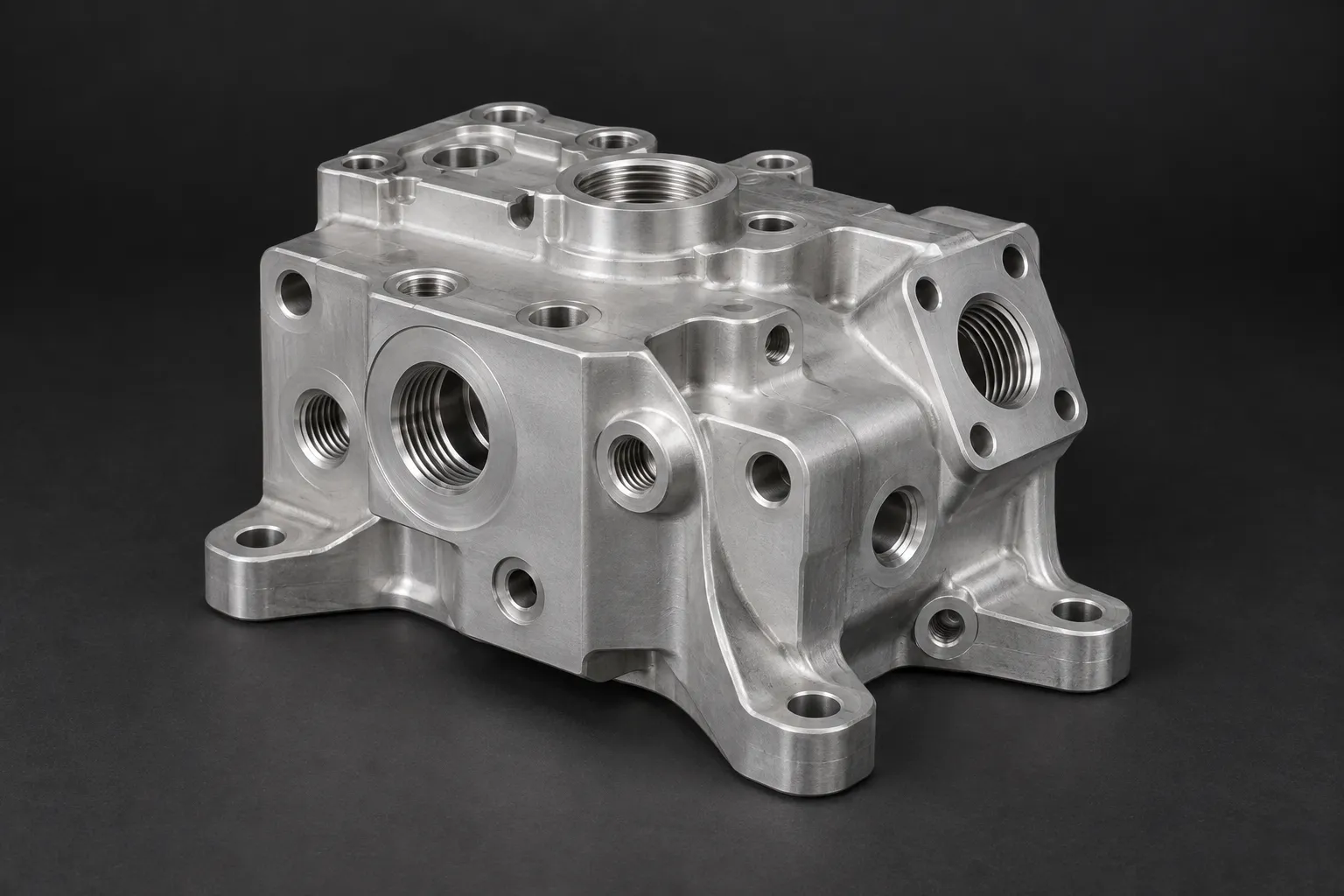
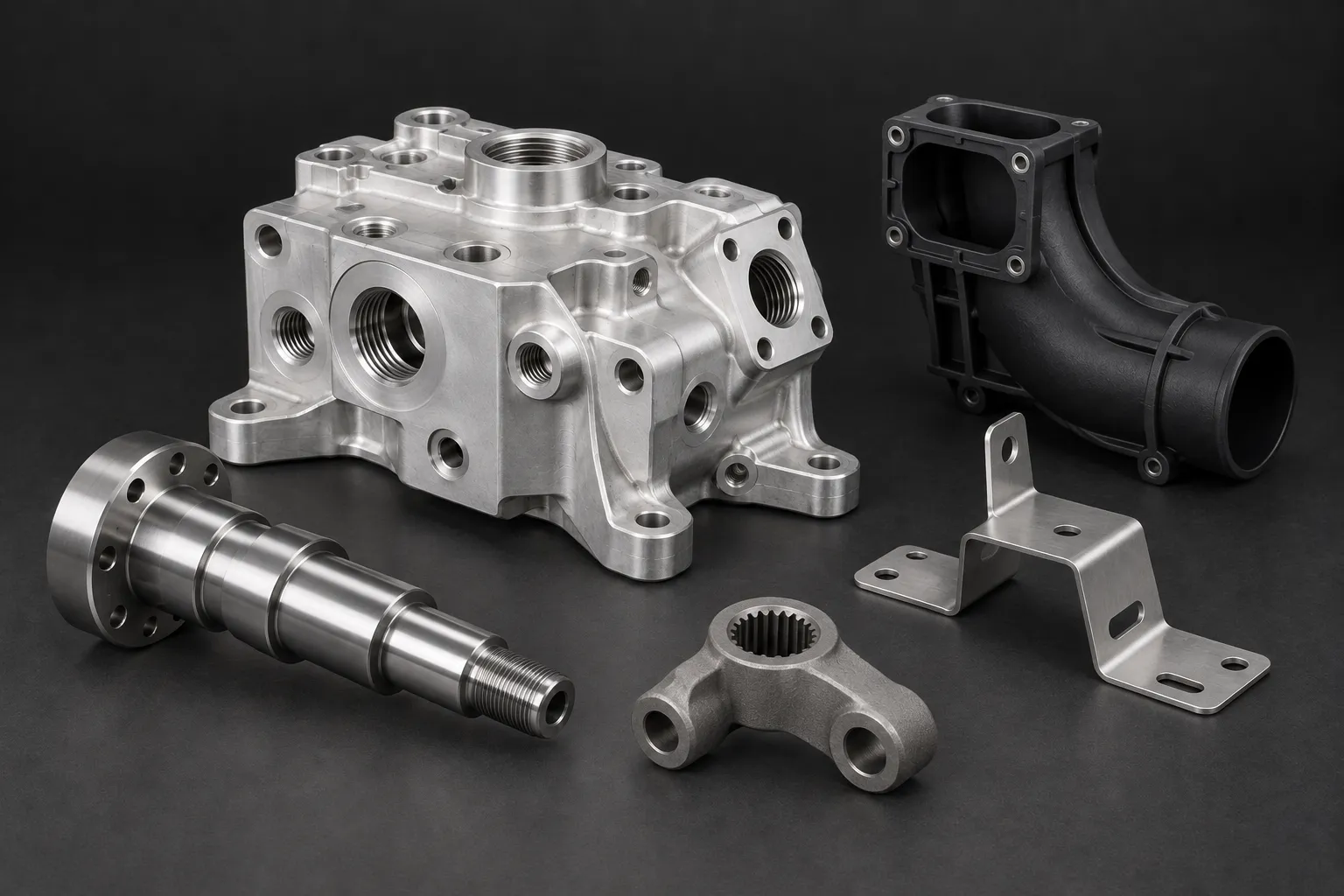
Milled housings, brackets and precision components in metals and engineering plastics.
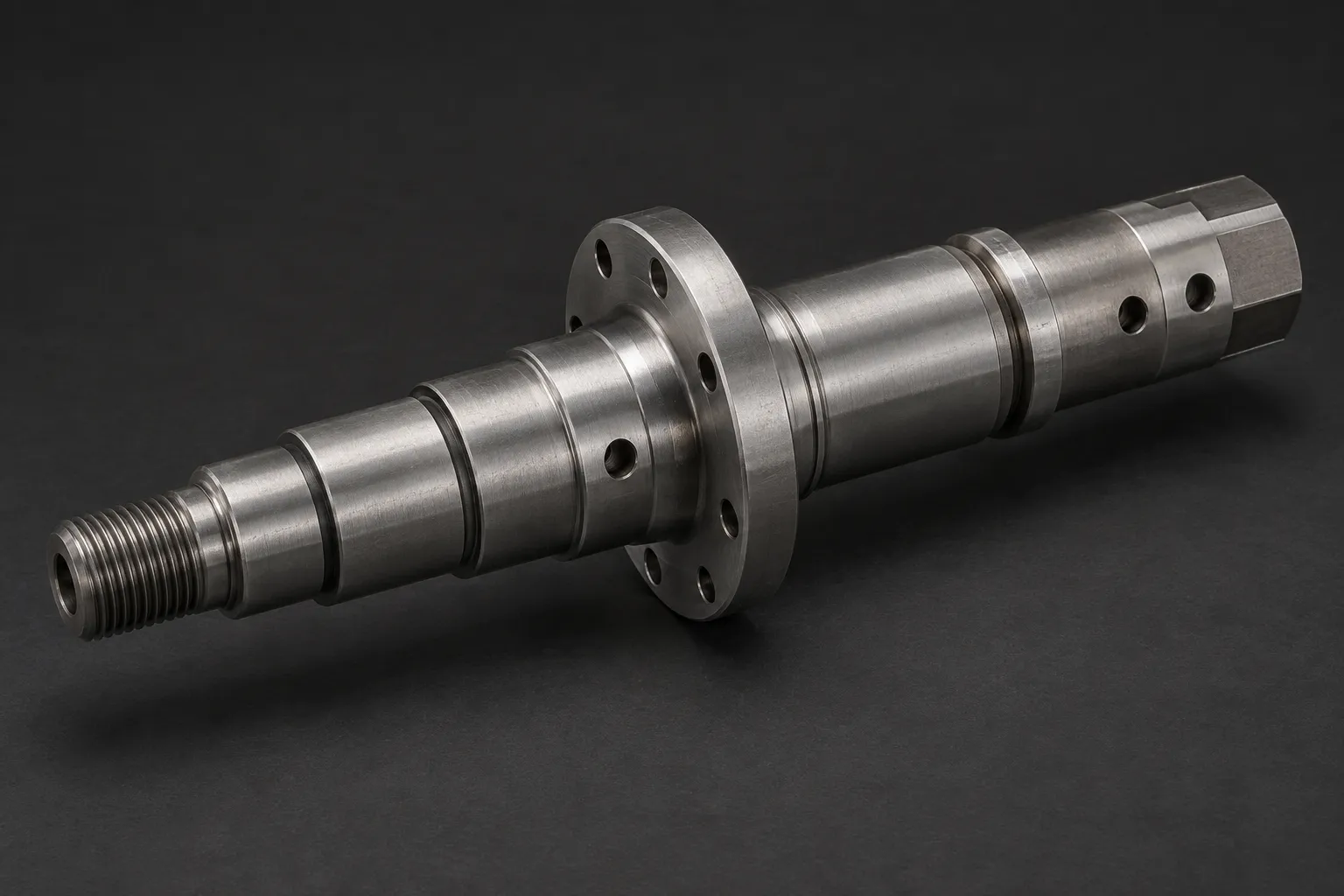
Stepped shafts, threaded fittings and housings, made to drawing or reverse engineered from a sample.
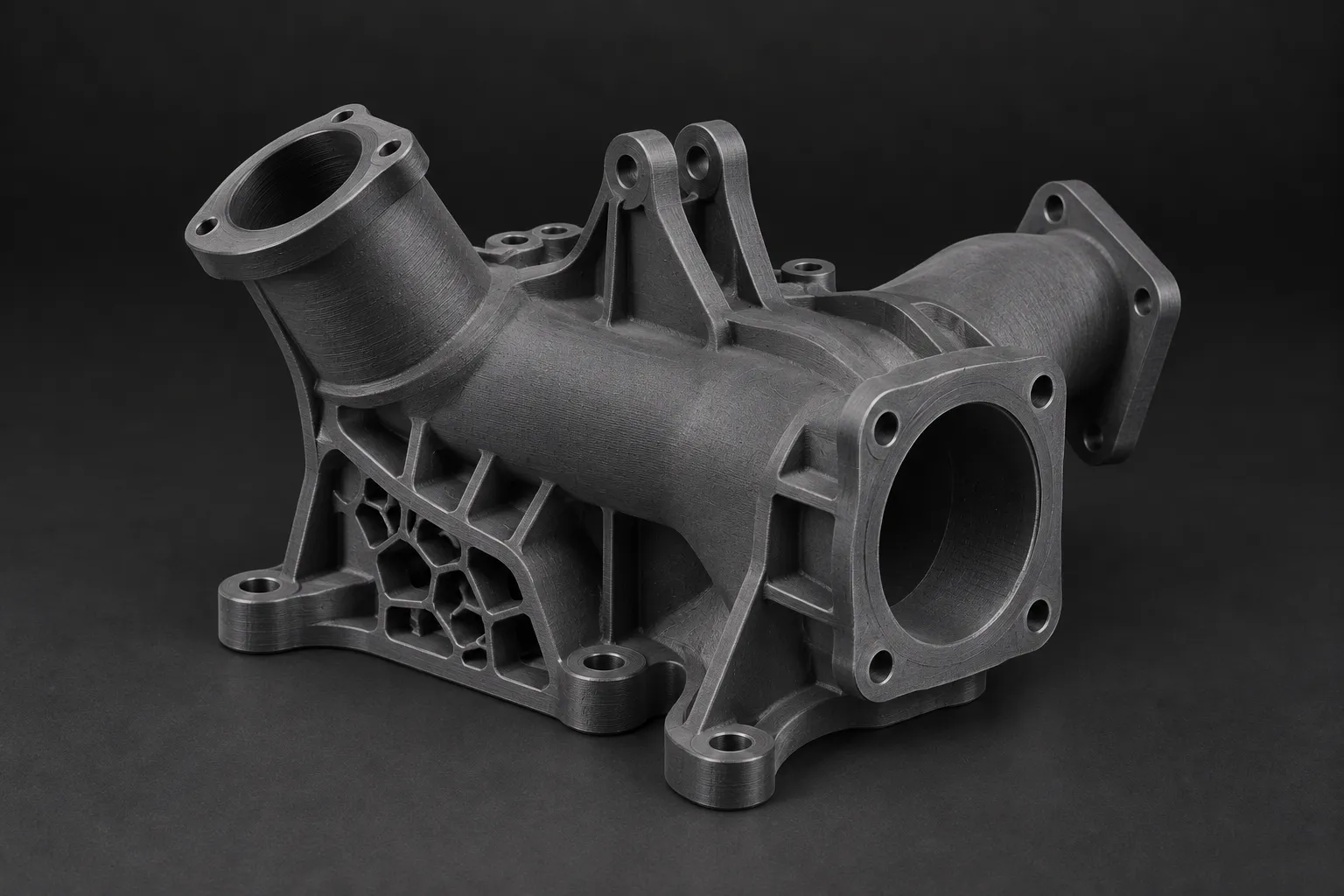
Bring us the application. Our engineers recommend the material and approach for your prototype or part.
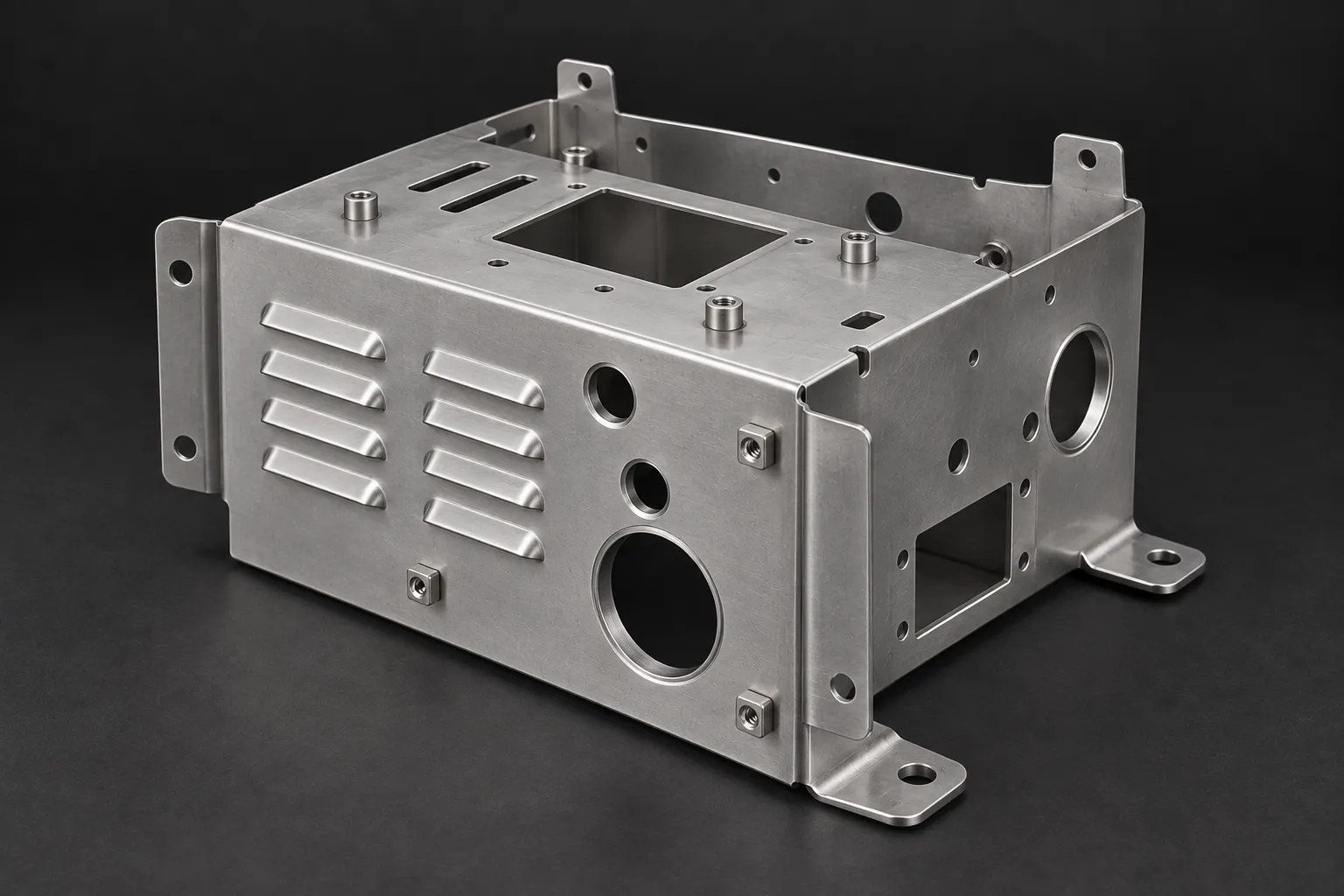
Brackets, panels and enclosures, developed around the bends, interfaces and finished assembly.
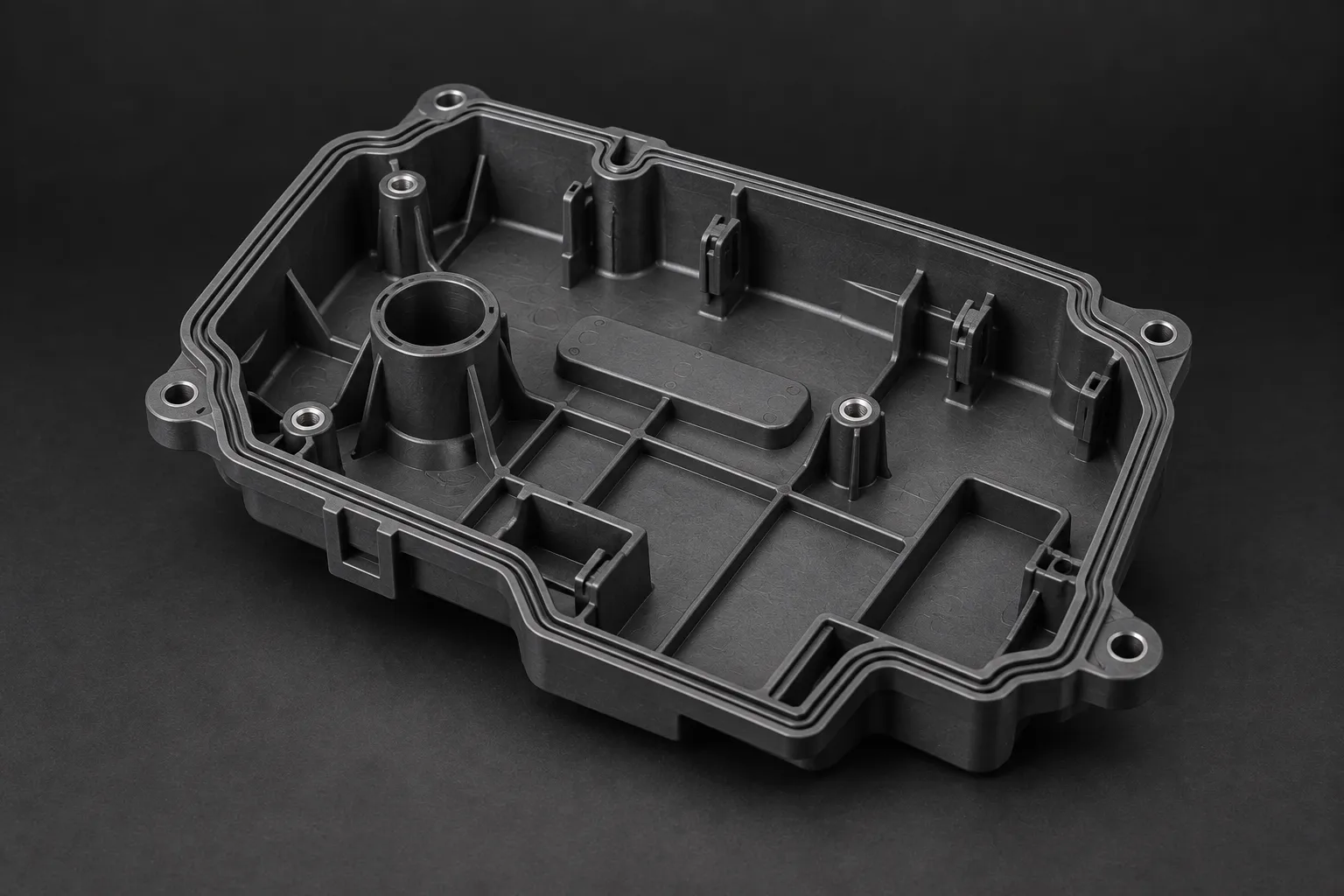
Moulded plastic components, with material, tool design and production requirements considered together.
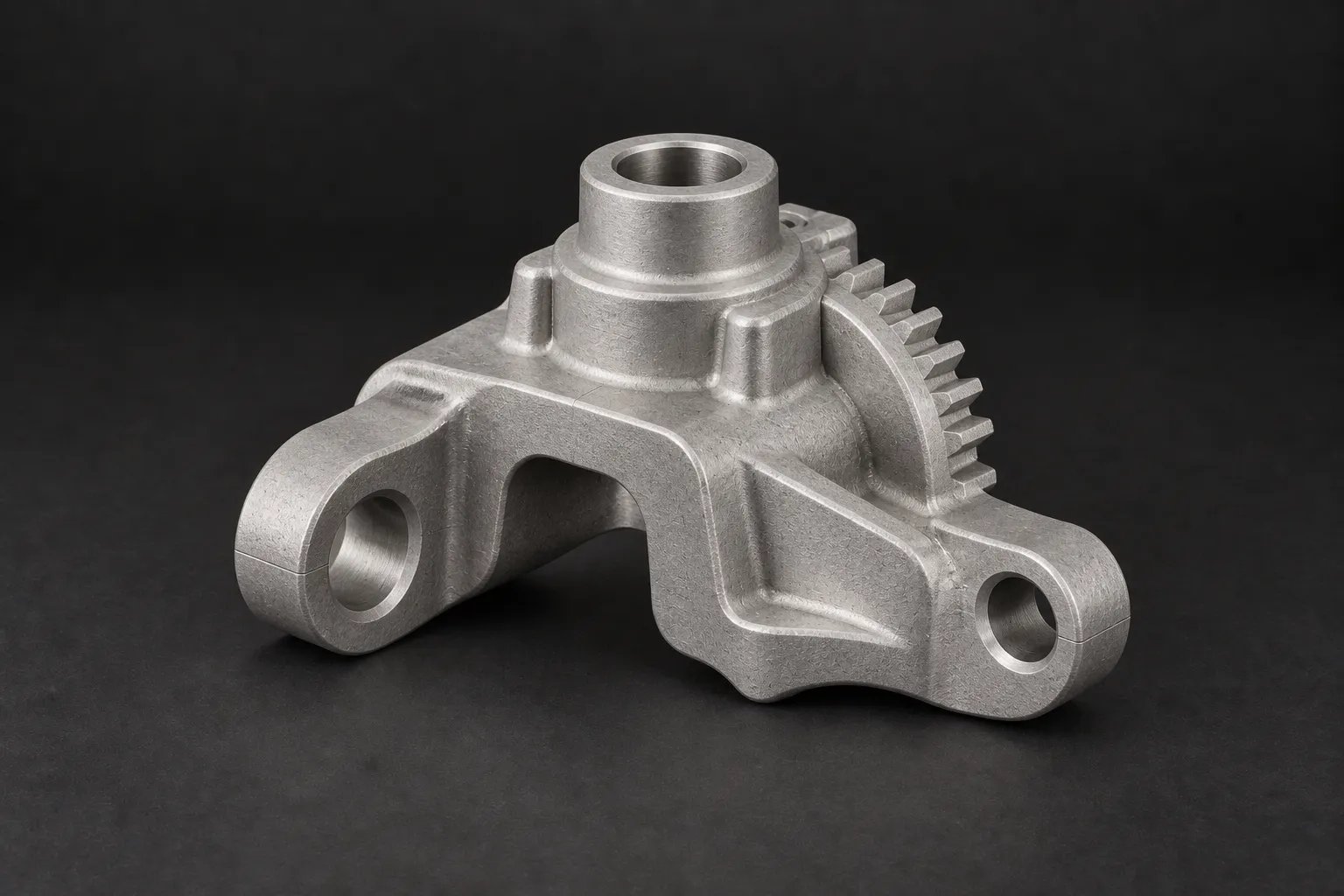
Small, complex metal components where geometry and quantity suit moulding and sintering.
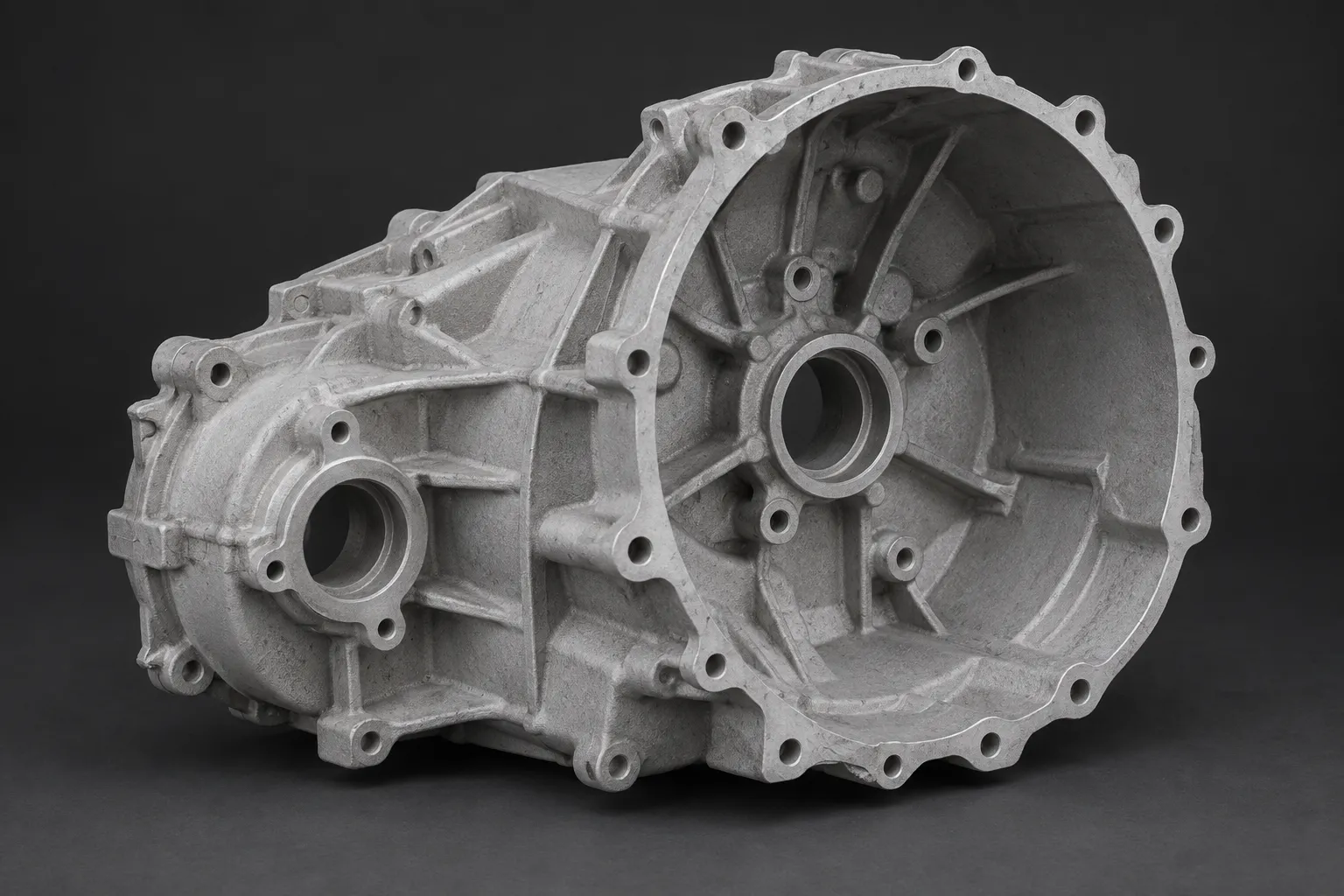
Aluminium housings and components, with casting geometry and any secondary machining planned together.
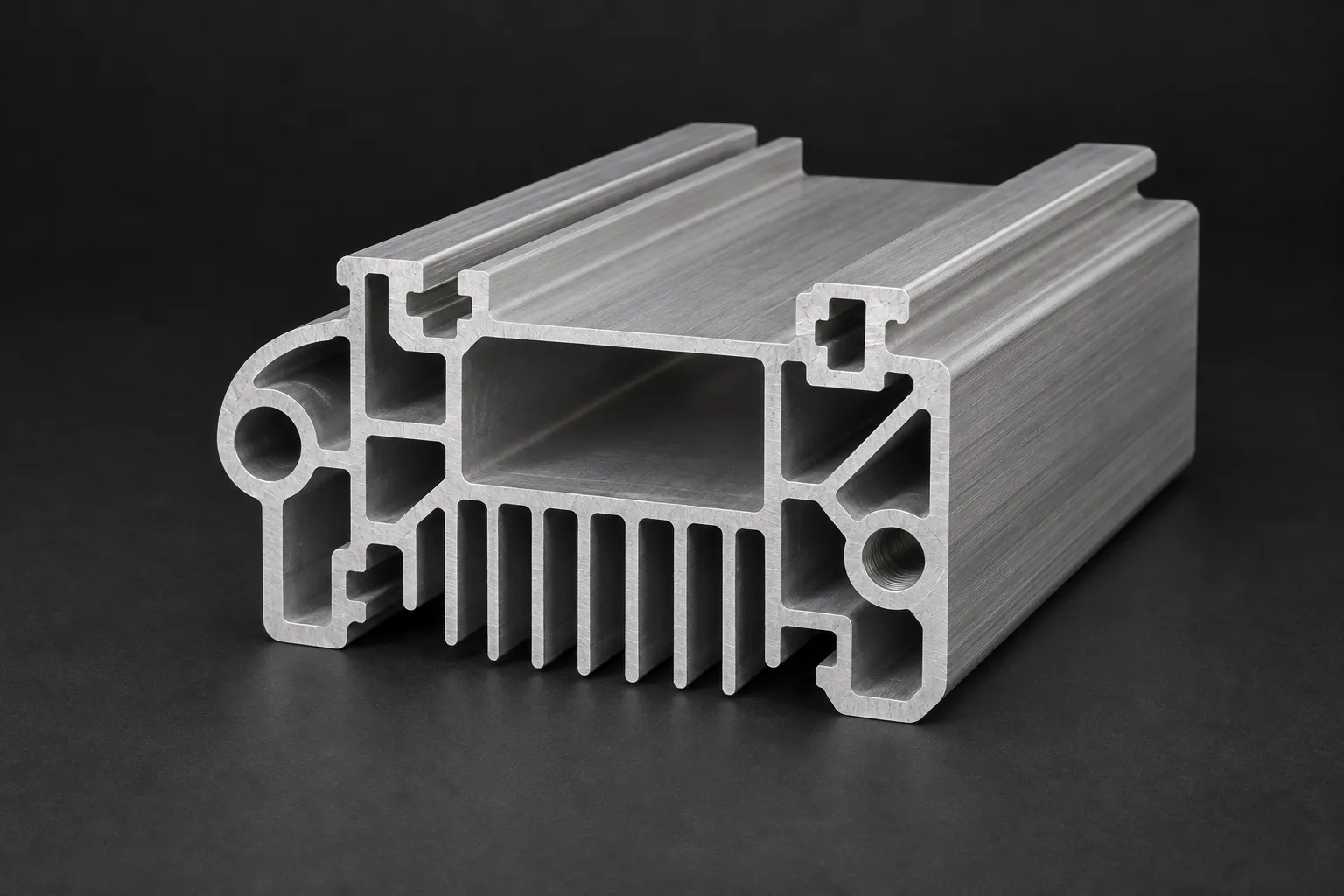
Custom sections developed for the application, then cut, machined and finished as required.
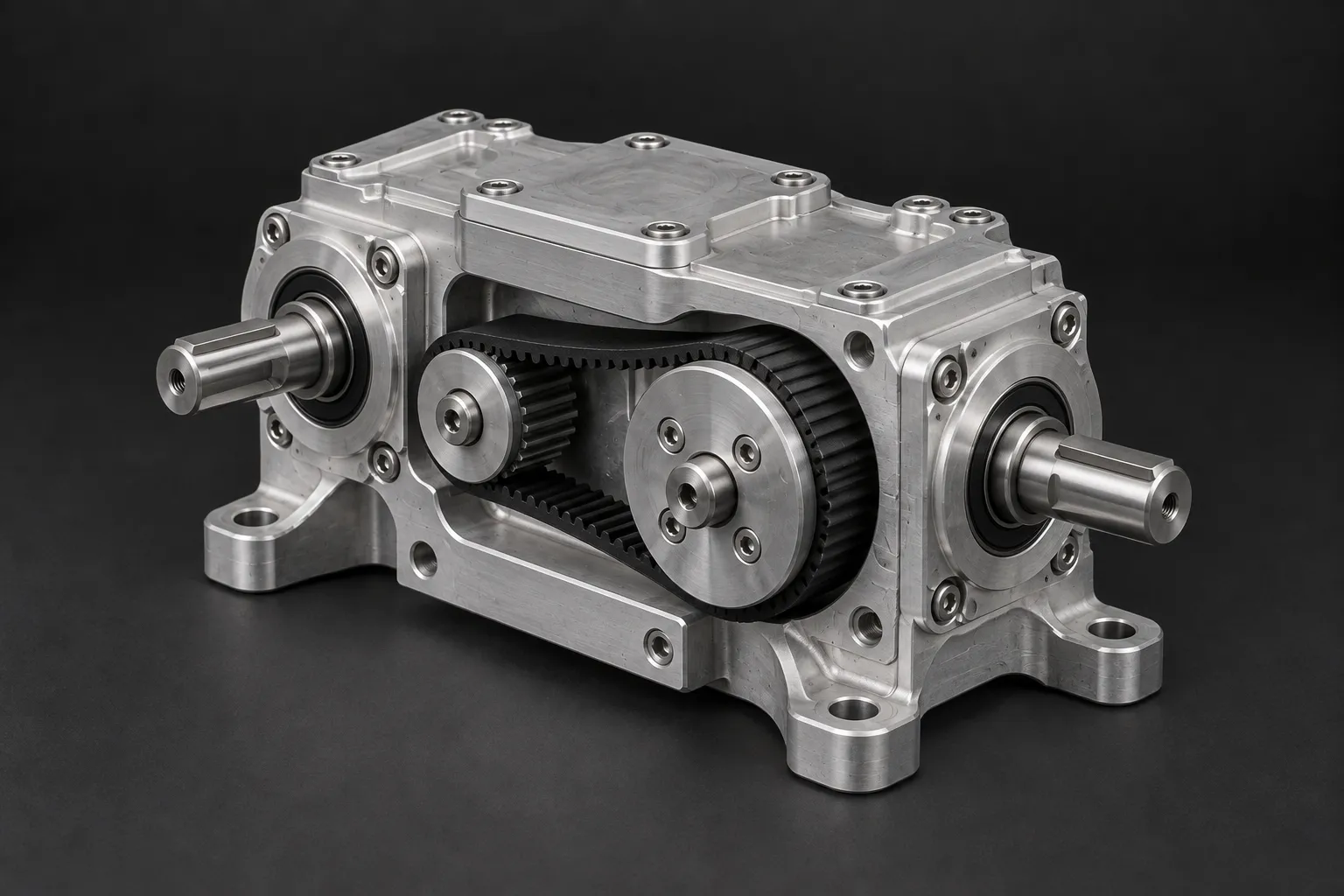
Manufactured and bought-in components brought together, with the interfaces and checks agreed first.
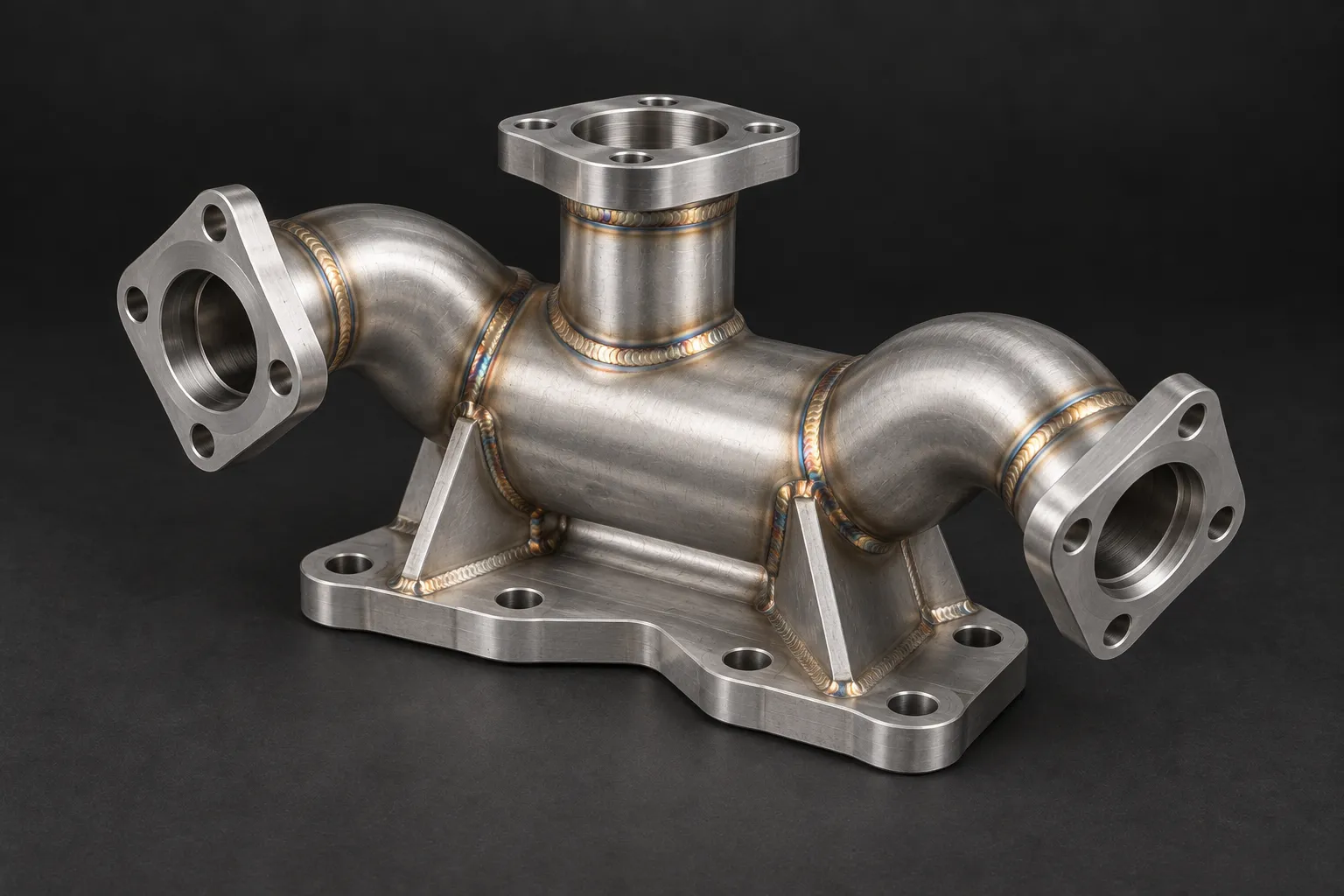
Welded components and fabrications, planned around material, joint access and distortion control.
CNC milling uses a rotating cutting tool to remove material from a fixed workpiece, shaping flat faces, slots, pockets, holes, threads and profiles. The machine follows a programme from your design and repeats the same path part after part, so every component in a batch matches the last, typically to within around 0.05mm and tighter on the critical features on request. It is the workhorse of precision manufacturing: most prismatic components, brackets, plates, housings and mounting parts start life on a milling machine. We mill production batches and single replacements with the same care, from your CAD in STEP, IGES or Parasolid, or from the sample when there is no drawing.
Brackets, plates, housings and mounting parts, milled square and true to the drawing.
Slots, pockets, bores, threads and surface profiles cut in one programme.
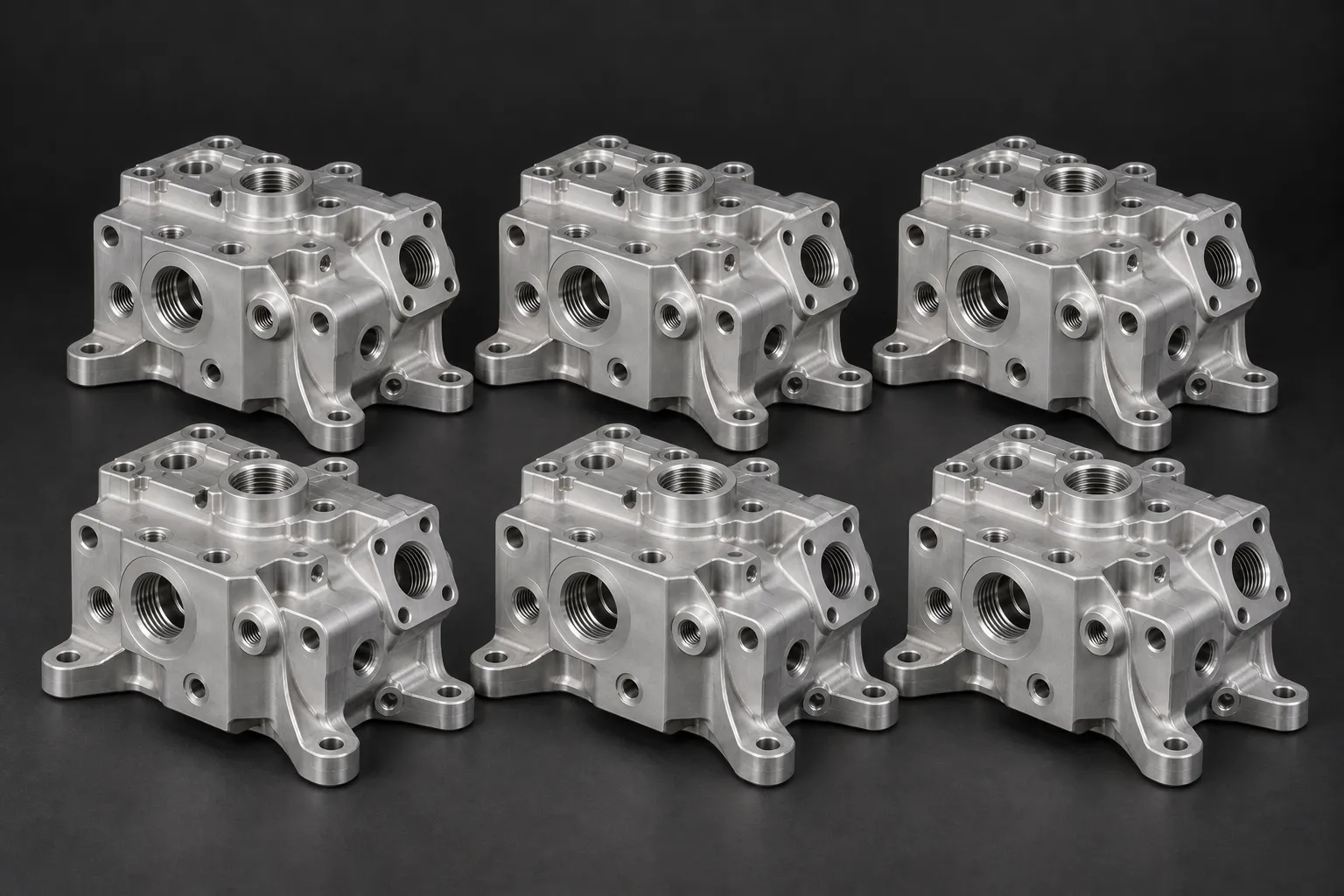
Part one and part one thousand match, because the toolpath repeats and the first is checked.
Aluminium, steel, stainless steel, brass and engineering plastics. Confirm the grade with us.
A milled component with no drawing still holds its faces, slots and bores in a fixed relationship. We measure the sample, rebuild the model with those features true to one another, and mill the replacement, correcting the weakness the original carried.
Bring us the worn or obsolete part with no paperwork. We measure it, rebuild the model and mill the replacement from there.
Where a feature failed because the original geometry was wrong, we correct it in the model before we mill, so the replacement does not inherit the fault.
Our CNC milling service covers a wide range of metals and engineering plastics, from general purpose aluminium through to stainless steel and PEEK. If the grade you need isn't listed, get in touch and we'll do our best to source it.
Please see our material lists for CNC Milling. Looking for a material you can't find here? Get in touch to discuss your requirements.
Al6061
Al6063
Al6082
Al7075 (Aerospace Grade)
Al5086 (Marine Grade)
Al5754 (H22)
1045 (EN8 / C45)
EN24
EN19
303
304
306
316
Duplex 2205
Titanium Ti-6Al-4V (TC4)
Titanium TA2
Brass C510, C544
Brass CZ121, CZ112 / CW712R
Alloy Steel 4340
Copper C101, C172
Copper C14500 / CW118C
Nickel Inconel 625, 718
ABS
PP
POM-M
POM-C
HDPE
PEEK
PPS
PPSU
CNC milled parts leave our factory with the same range of finish options as our standard machining service, since milling is the process behind most of what we produce. Choose a clean as-milled surface, a bead blasted texture, or coloured and hard anodising depending on how the part will be used. Get in touch if you need a finish outside this list and we will look into it for you.
Surface roughness can be specified using Ra value. Ra3.2 - 1.6um as standard.
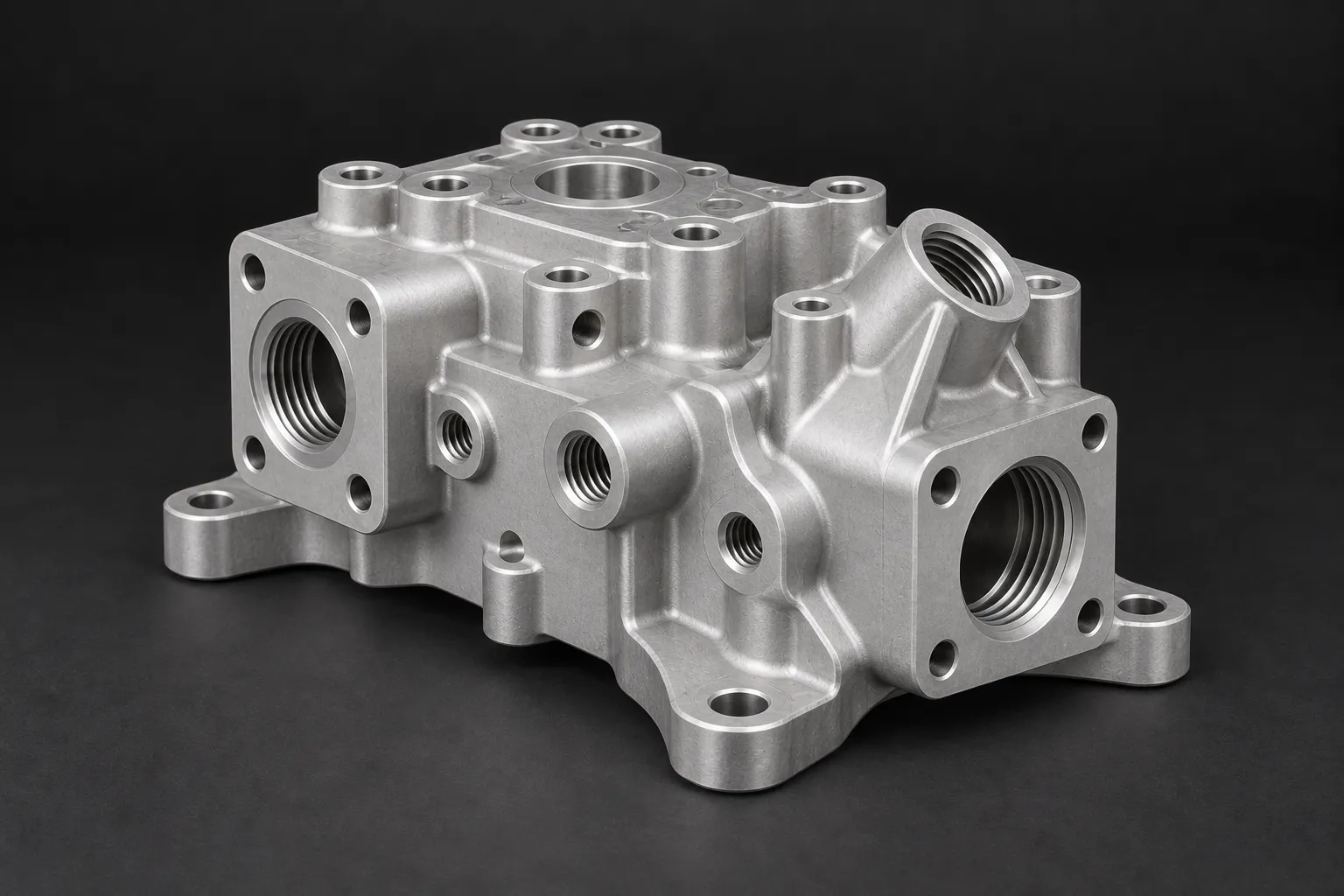
Bead blast size: 80um as standard. 50-120um available.
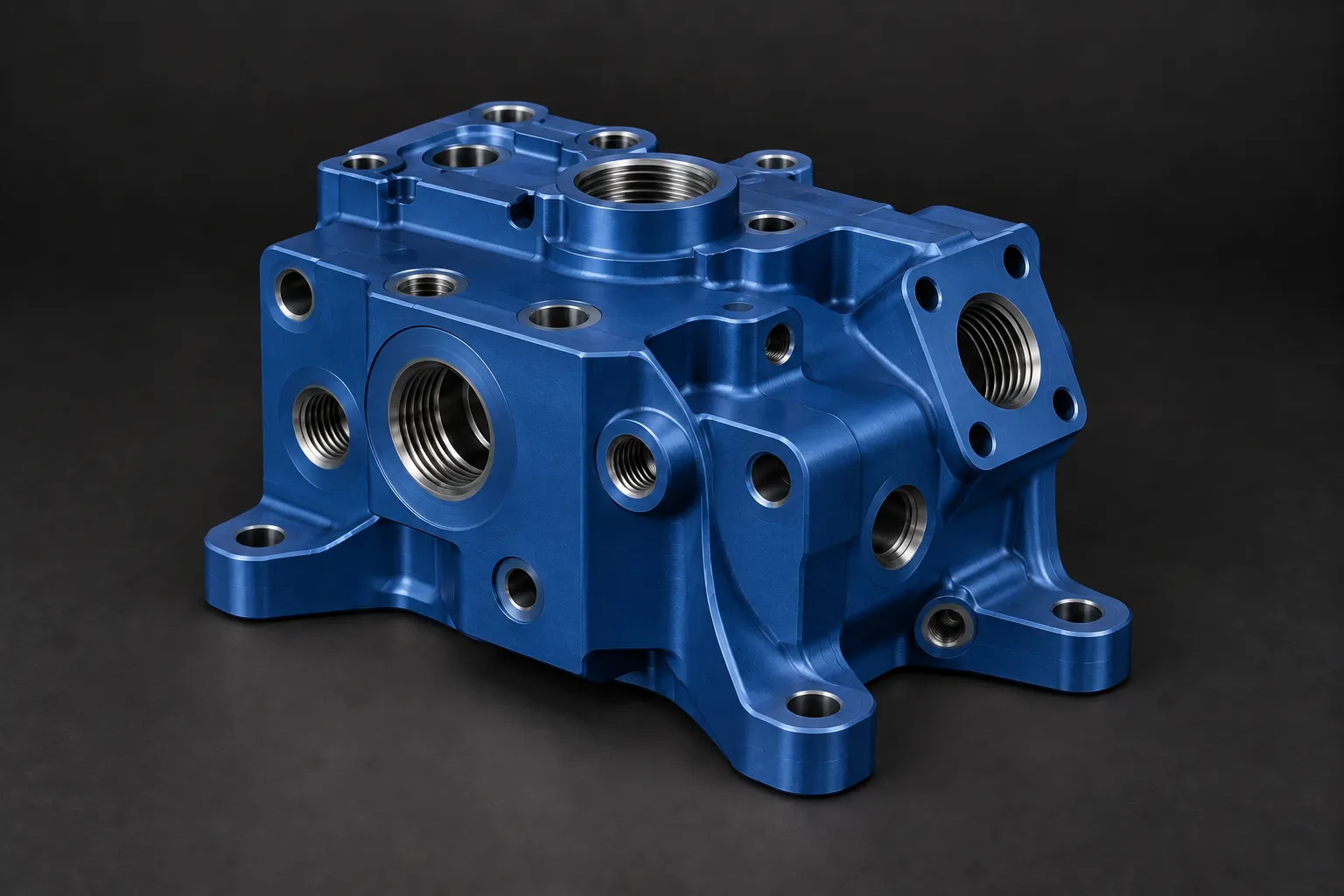
Standard: Clear / natural, black, red, green, blue, yellow / gold. Close match to specified RAL numbers.
Standard: Black or Grey. Much duller in look, but has much better surface protection.
We sell the expertise that gets a milled part right, batch after batch, not machine time. That means the toolpaths and fixturing set for accuracy, the first article checked before the batch runs, and every part in the run matching the first. Over 100,000 parts delivered, on time or early every time, stand behind that judgement. Our engineering team plans the work together, with one point of contact keeping the job clear and coordinated. Here is what that means when you send us milling.

Over 100,000 parts delivered, on time or early every time, an average of 1.5 days ahead. Batches and one-offs delivered when we said.

Miguel came up through Cosworth, Perkins and Caterpillar before founding MV in 2020. The standard those names set is the standard we mill to.
The programme repeats the same toolpath and we check the first article, so part one and part one thousand match. A batch that drifts is caught on the machine, not on delivery.
We mill housings, flanges, brackets and wear parts for oil and gas and food machinery, where a mounting part has to fit and hold in a working machine.
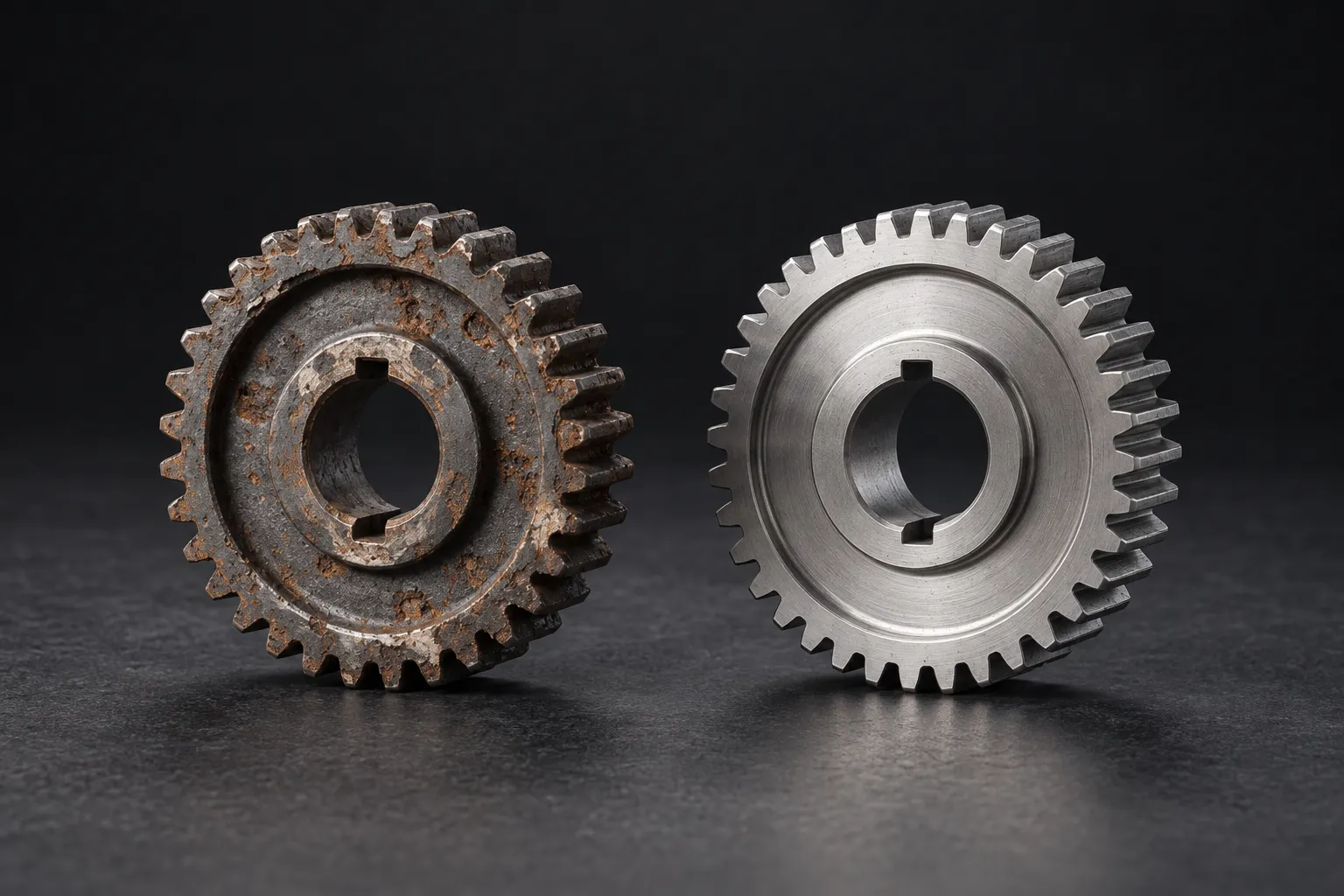
A worn or obsolete milled part with no drawing is a starting point, not a dead end. We recover the model and mill a part better than the original.
The milling process from the drawing or part in your hand to the finished component on your bench. Four steps, one shop, an engineer on your job from the first call to delivery.
CAD in STEP, IGES or Parasolid, a 2D drawing or a physical sample. No drawing is fine. We measure the part and reverse engineer the model to mill from.

A real engineer reviews the part, the material and the volume, then prices it within 24 hours. Straight advice, and an honest steer if the part needs the extra faces of 5 axis.
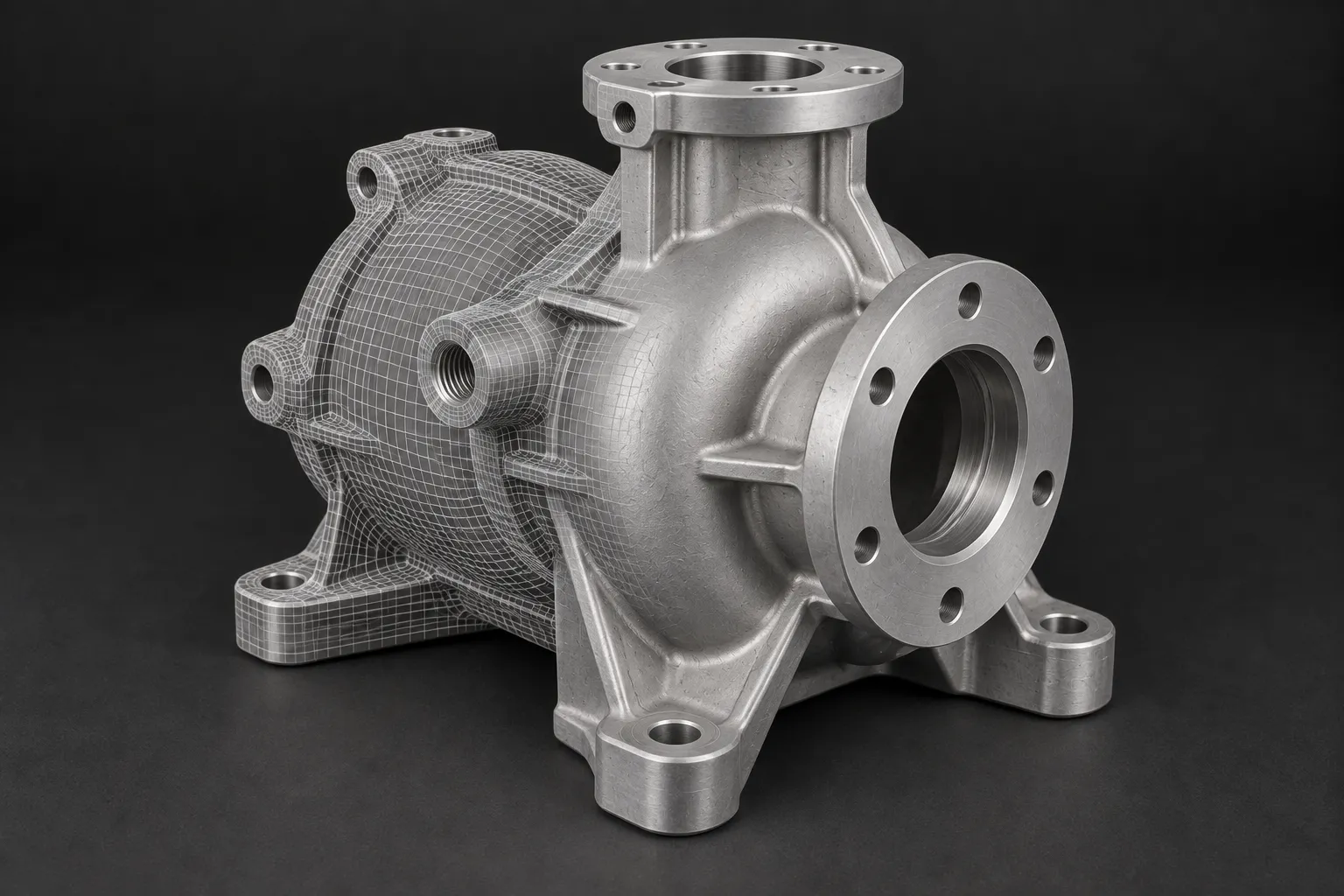
We set the toolpaths and fixturing for accuracy and repeatability, then prove the first article against the model before the batch runs, so a drifting batch is caught on the machine.
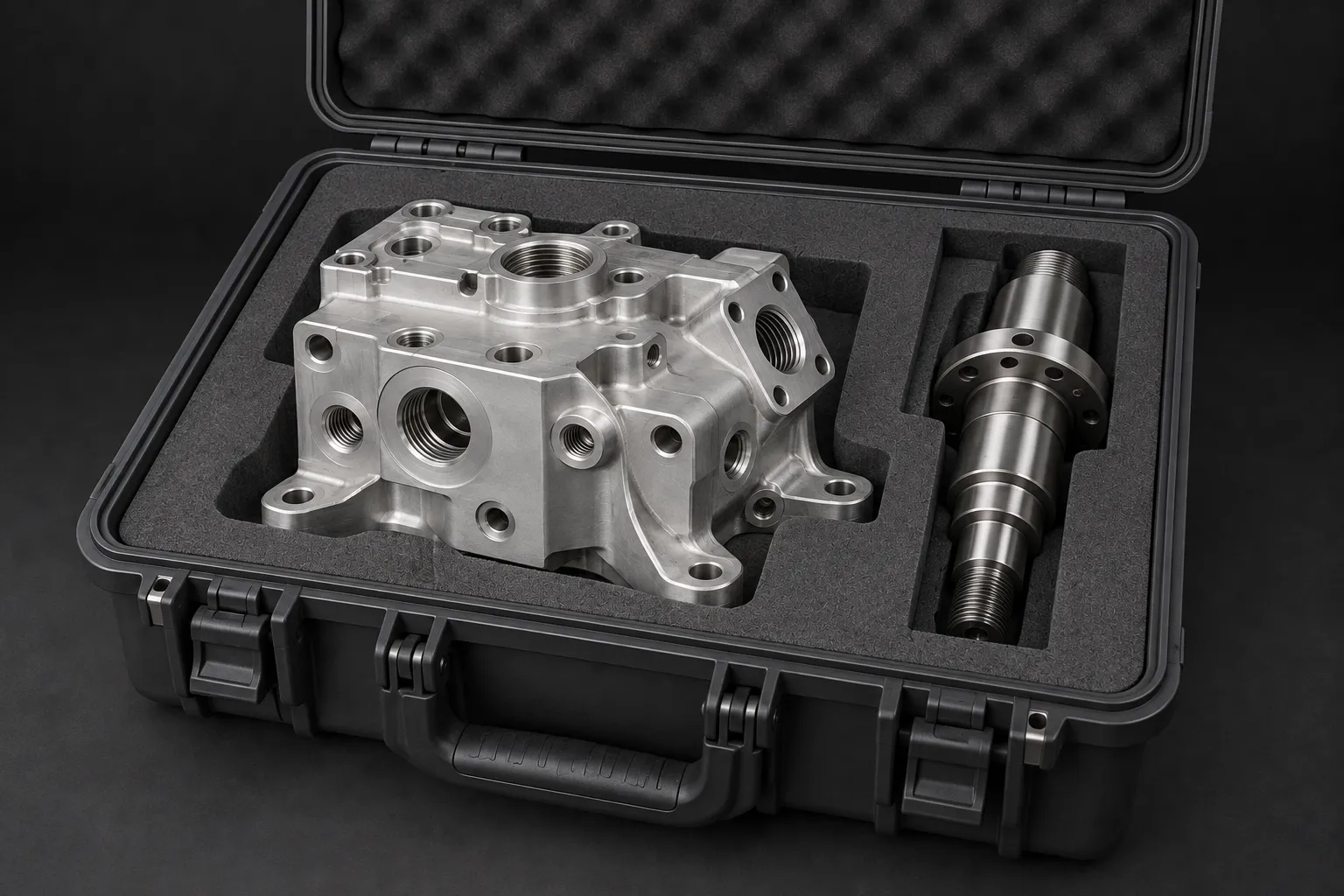
The finished parts delivered on time or early, an average of 1.5 days ahead, every one matching the first, ready to fit the assembly, with the model and programme held on file.
CNC milling FAQs

Yes, and it is what we are known for. We reverse engineer the part: measuring it by metrology or 3D scanning, rebuilding it as a full CAD model, and milling the replacement from that model. A milled component carries its faces, slots, bores and threads in a fixed relationship to one another, and recovering that relationship accurately is the whole skill, so the replacement fits the assembly the original came from. Where a feature failed because the original geometry was wrong, we correct it in the model before we mill, so the new part comes back better than the original. Send us the worn or obsolete component and our engineers will quote your CNC milling within 24 hours.
Yes. CNC milling works from a programme, so the machine follows the same toolpath on every part, and diameters, slots, pockets and hole positions repeat across the batch without hand adjustment, typically within around 0.05mm. Before the batch runs we inspect the first article against the CAD model, which confirms the programme and the fixturing are producing the part the drawing calls for. From there, part one and part one thousand come off the same. We also hold your model and programme on file, so when you reorder months later the new batch matches the first rather than starting from scratch. For an OEM buyer running a production line, that consistency is what makes precision milling a dependable subcontract route rather than a gamble on each order.
We mill aluminium, steel, stainless steel, brass and engineering plastics, among others, and the right choice depends on what the part has to do. Each material cuts differently: aluminium mills fast and suits light brackets, plates and housings; steel and stainless hold up in higher-load and higher-temperature duties but cut slower and need the right tooling to keep a clean finish; brass machines cleanly for fittings; and engineering plastics suit wear parts and insulating components. Aluminium CNC milling and steel milling are both routine for us. We confirm the grade with you before we quote, so the toolpaths and finish are planned around the actual material. If you need a grade outside these families, tell us and we will confirm we can hold it.
We work from 3D CAD in STEP, IGES or Parasolid, and we can also work from a 2D drawing or the physical part where no model exists. We cannot mill from an STL, which is a surface mesh rather than a true solid, though it is fine as a visual reference. On tolerances, milling typically holds around 0.05mm, tighter on the critical features on request, and we confirm what the part needs at quote stage rather than promise it blind. If you have only a worn sample, that is enough to start: we reverse engineer the model first, then mill from it. Tell us the fit the part has to make and we will confirm the tolerance before you commit.
CNC milling shapes a part by removing material with a rotating tool, working the faces the machine can reach and re-fixturing the part to reach the rest. It suits prismatic components: brackets, plates, housings and mounting parts with faces, slots, pockets and bores. 5 axis machining adds two rotary axes so the tool can reach five faces of a part in one setup, which suits complex geometry, contoured surfaces and parts where many features have to stay true to one datum. Plenty of parts do not need five axes, and milling them on 3 axis is quicker and cheaper. When you send us a part we will tell you which route fits, rather than pushing every job onto one machine. If your part has features on several faces that must stay true, ask us about 5 axis.
Every first job is quoted individually once an engineer has reviewed the part, the material and the quantity, so the right figure depends on the job rather than a fixed starting price, and we mill both single replacements and production batches with the same care. A one-off is often a reverse engineering job: a worn or obsolete milled part with no drawing, which we measure, model and mill as a single replacement. A larger run is about consistency, so the programme and fixturing are set once and every part comes off the same, checked against the first article. We size the work to the job, from a single prototype through to full production runs, rather than working to a minimum quantity. Send the part or drawing and we will quote within 24 hours.
A rotating milling cutter naturally leaves a radius in an internal corner. The available cutter diameter and reach influence the practical corner size. If a mating component needs a square corner, we can review relief features or a different manufacturing route rather than assuming milling alone will produce it.
Include a model and mark the dimensions that affect function. Deep pockets, narrow slots and small radii can restrict cutter access and increase machining time. Our engineers review these details together with material, quantity and inspection requirements before confirming the quote.
CNC milling can suit engineering plastic components, particularly where the design calls for accurate machined interfaces. Material selection must account for stiffness, heat, moisture and dimensional movement. Tell us how the part will be used so we can review whether machining or another process is appropriate.
Threaded holes, counterbores and mounting faces can be included in the machining plan. Identify thread specifications, usable depth and the interfaces that matter to assembly. Where a thread will see repeated use in a softer material, an insert may be worth considering as part of the design.