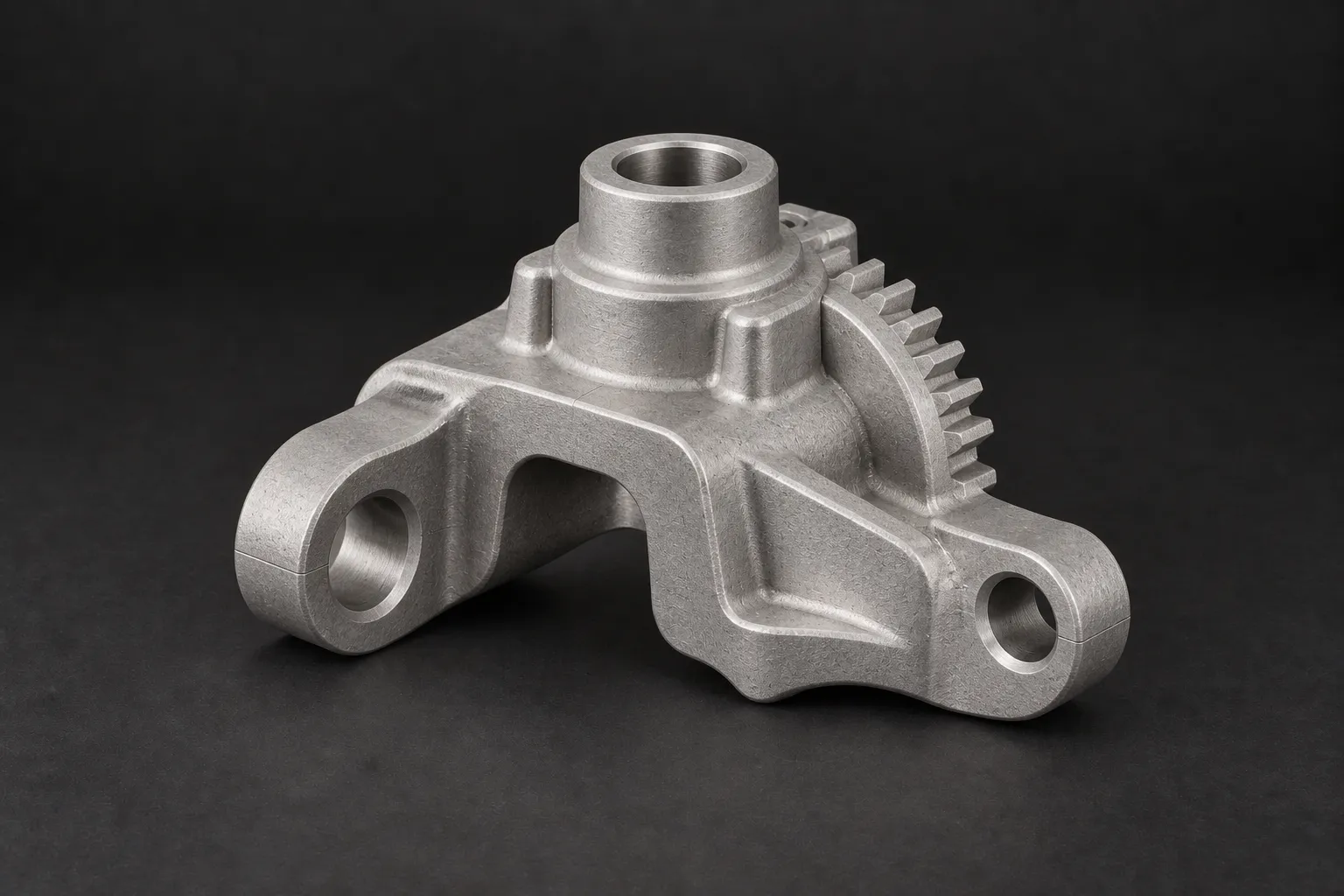
Small, complex metal parts at volume, with the geometry proven before the tool. MIM produces intricate net-shape components, roughly palm-size and smaller, that would be slow to machine one at a time and too fine to cast, and where it is not the right route we say so before any steel is cut. A real engineer prices the work within 24 hours.
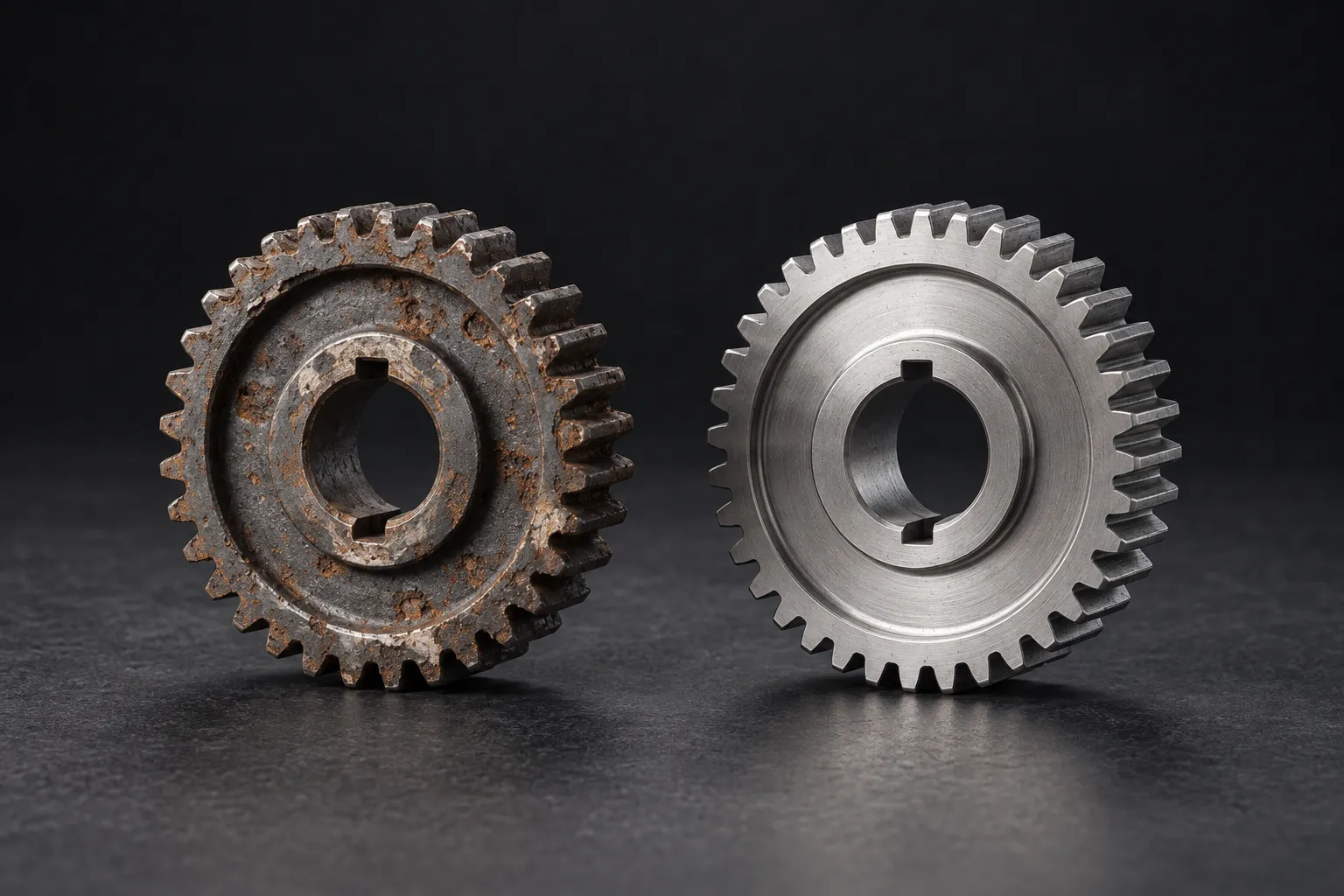
Start with a worn, failed or discontinued part. We reconstruct the design and agree improvements before manufacture.
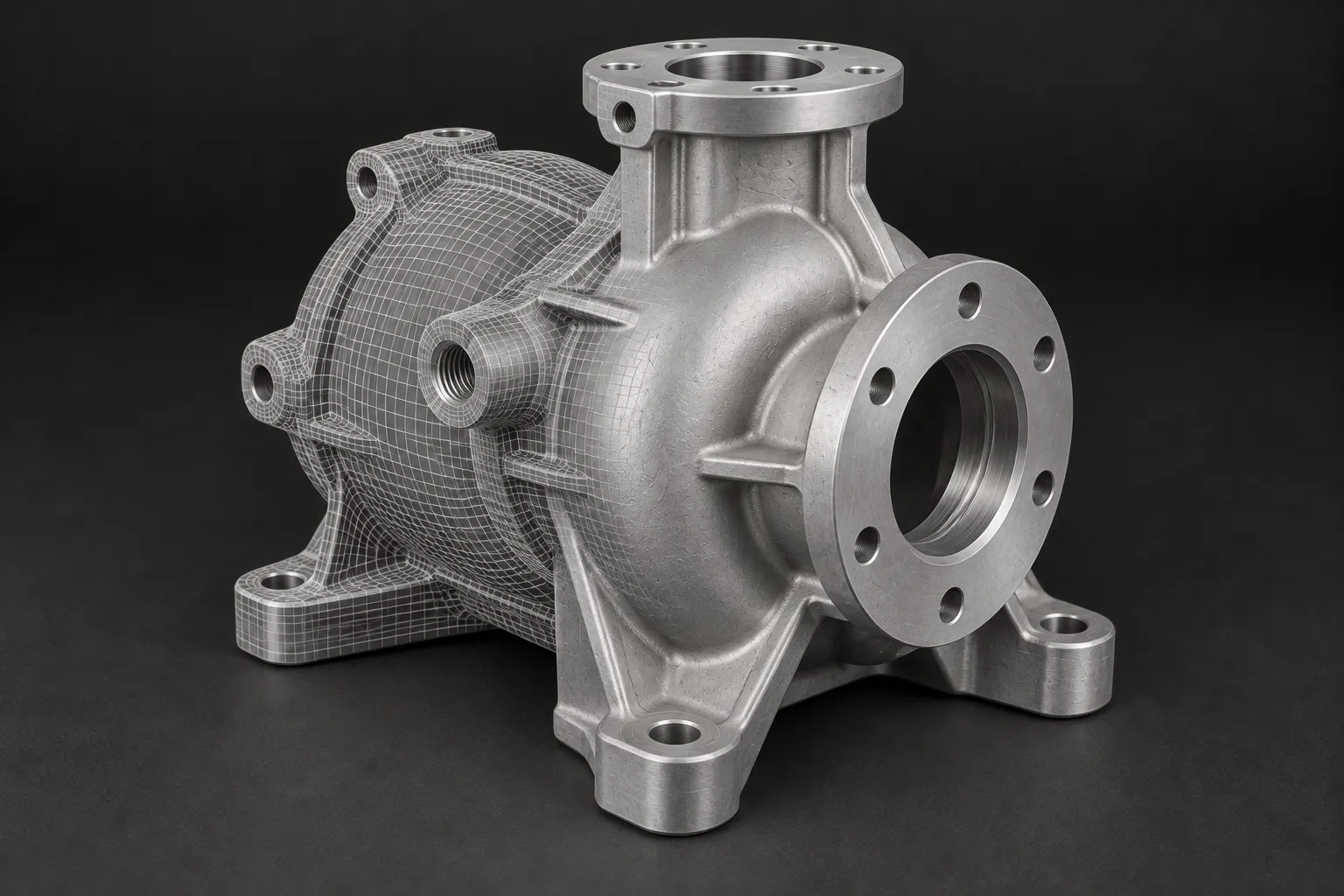
Digital surface capture to support CAD reconstruction and the wider reverse engineering job.
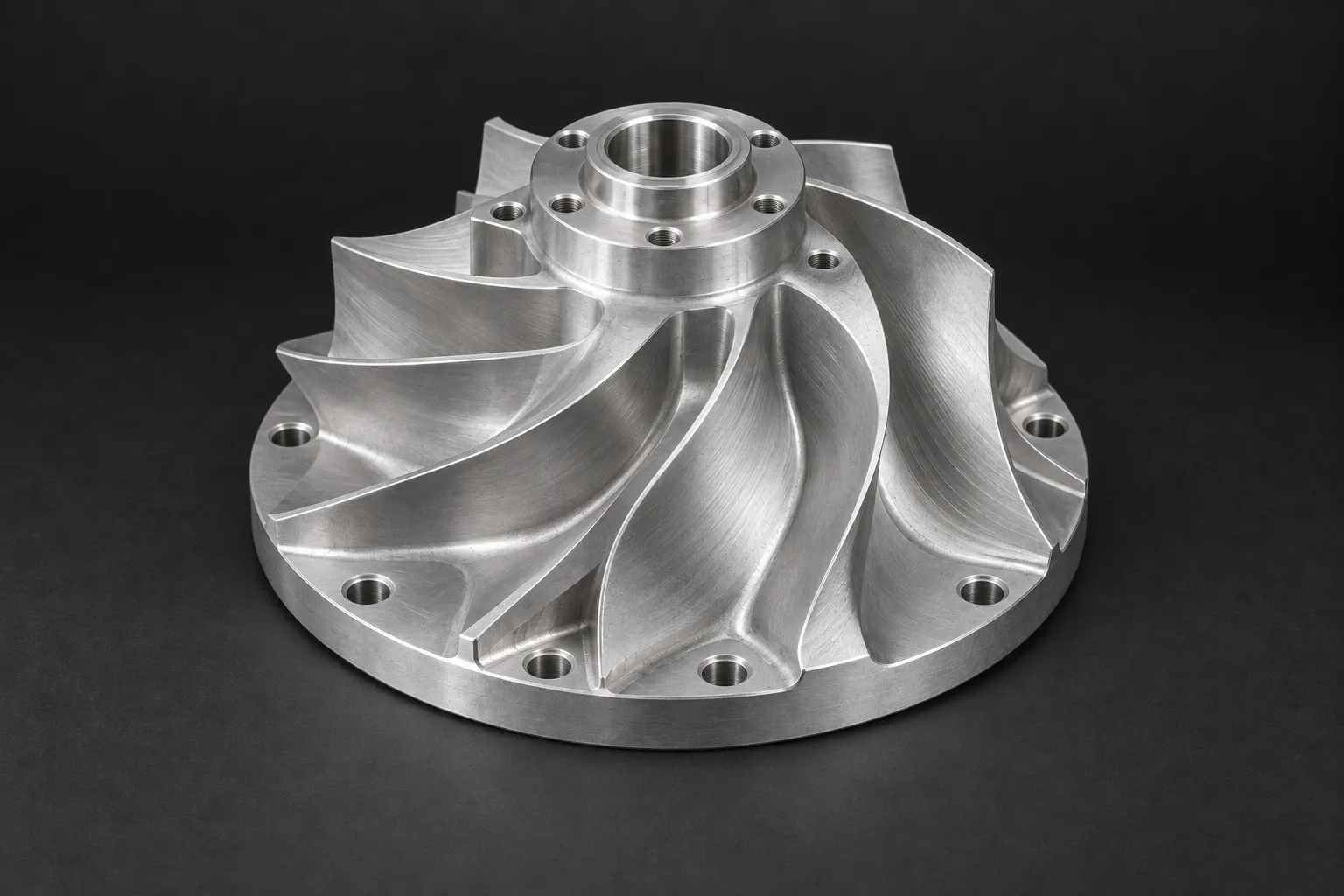
Machine angled features and complex surfaces, with the set-up planned around the critical relationships.
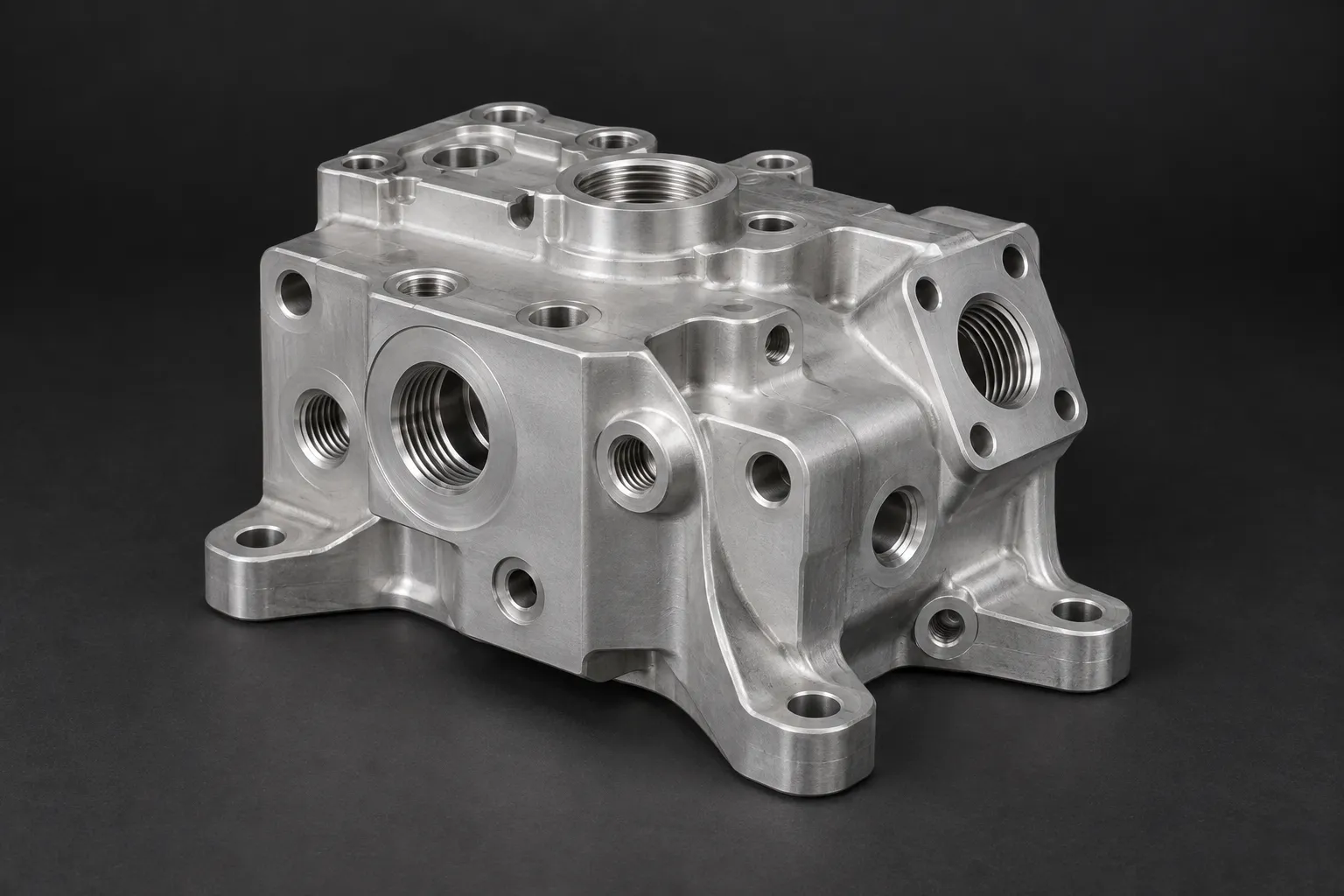
Milled housings, brackets and precision components in metals and engineering plastics.
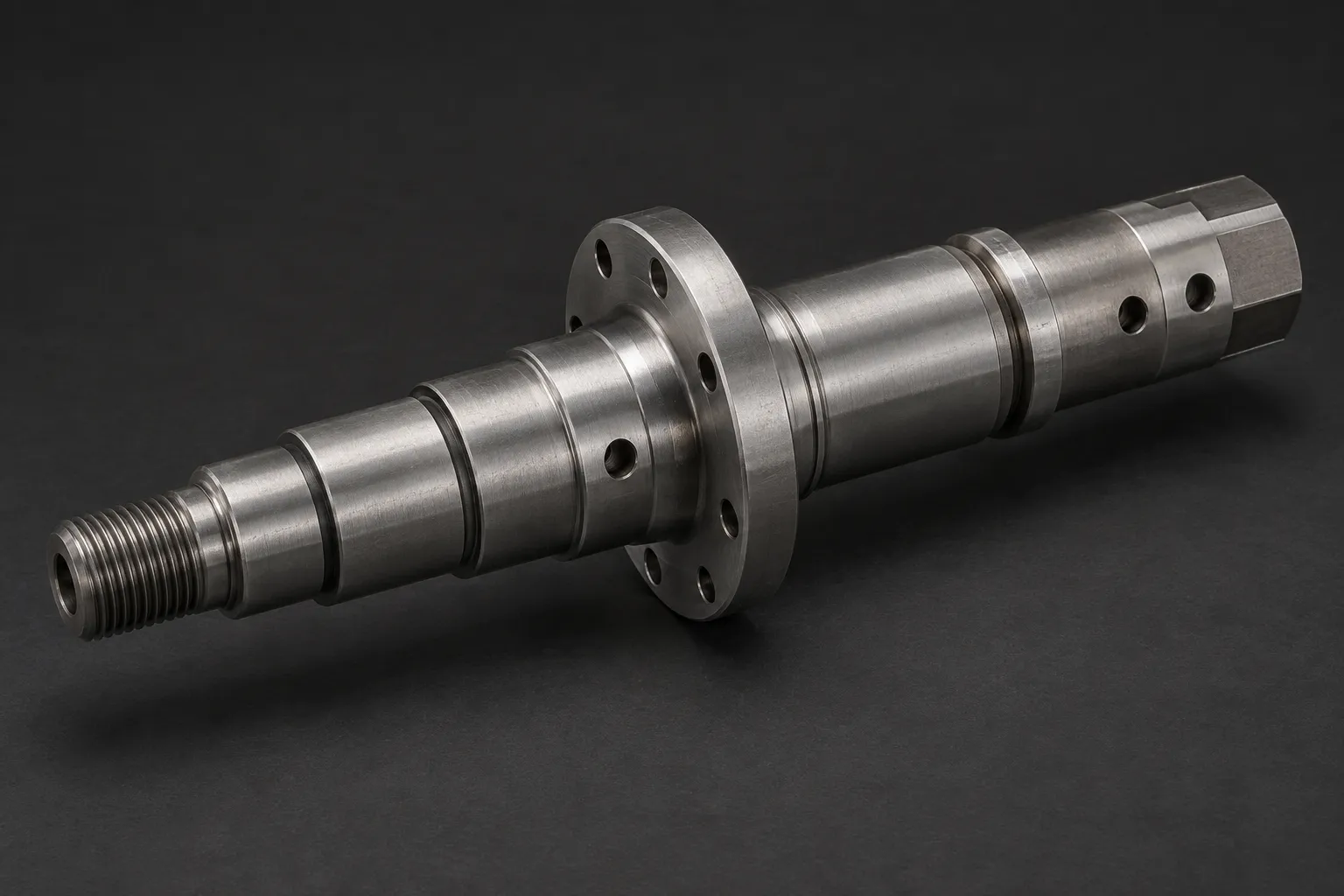
Stepped shafts, threaded fittings and housings, made to drawing or reverse engineered from a sample.
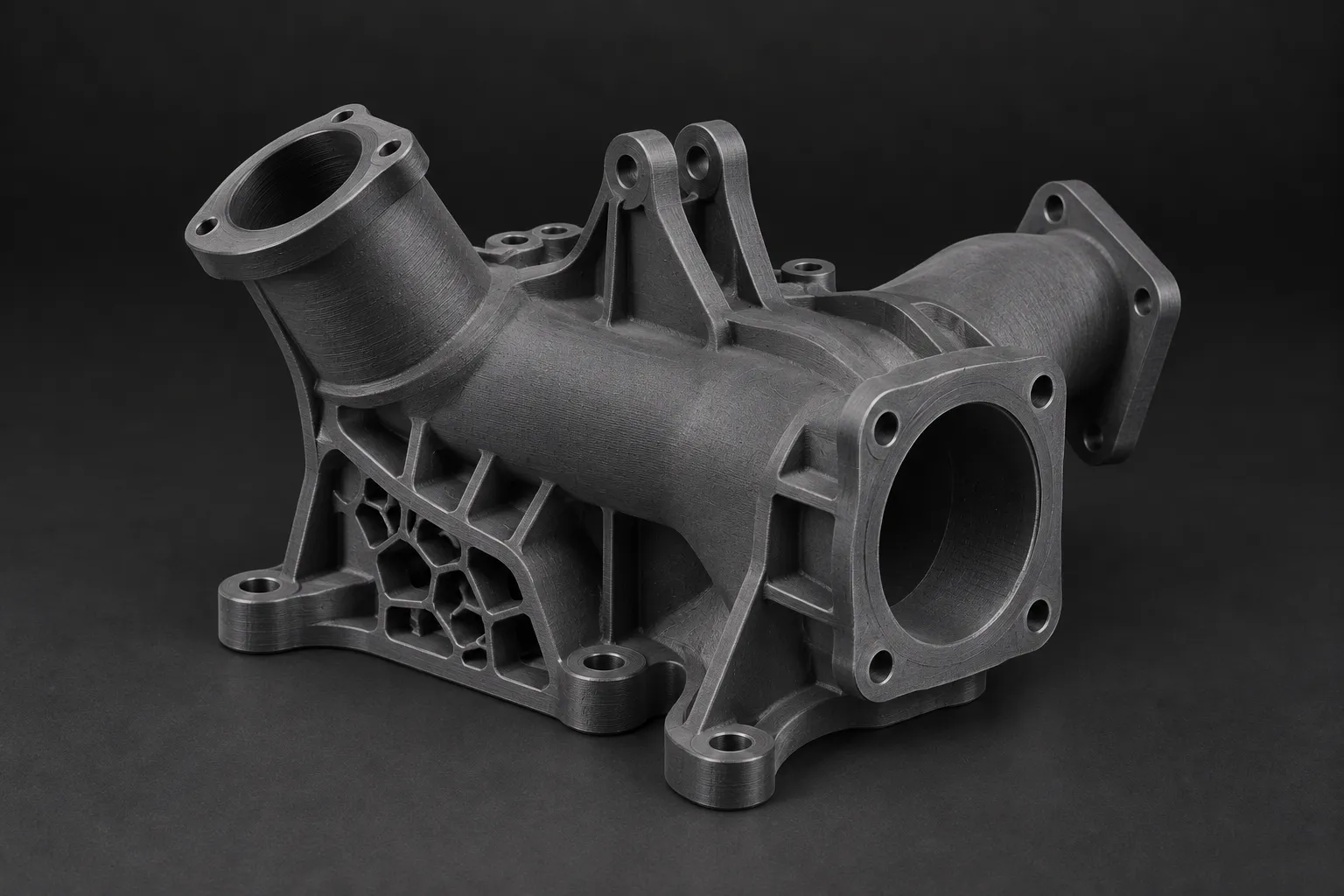
Bring us the application. Our engineers recommend the material and approach for your prototype or part.
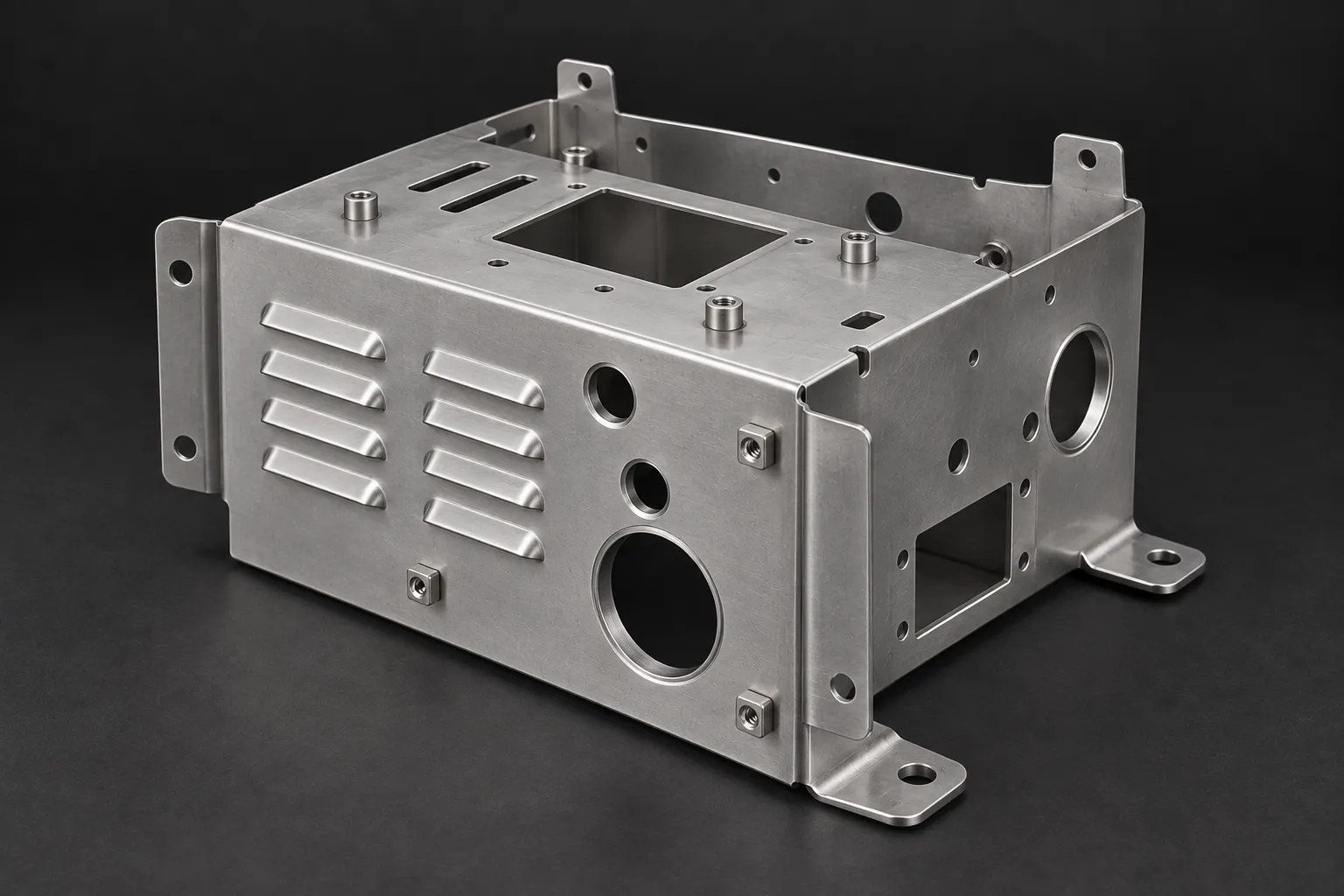
Brackets, panels and enclosures, developed around the bends, interfaces and finished assembly.
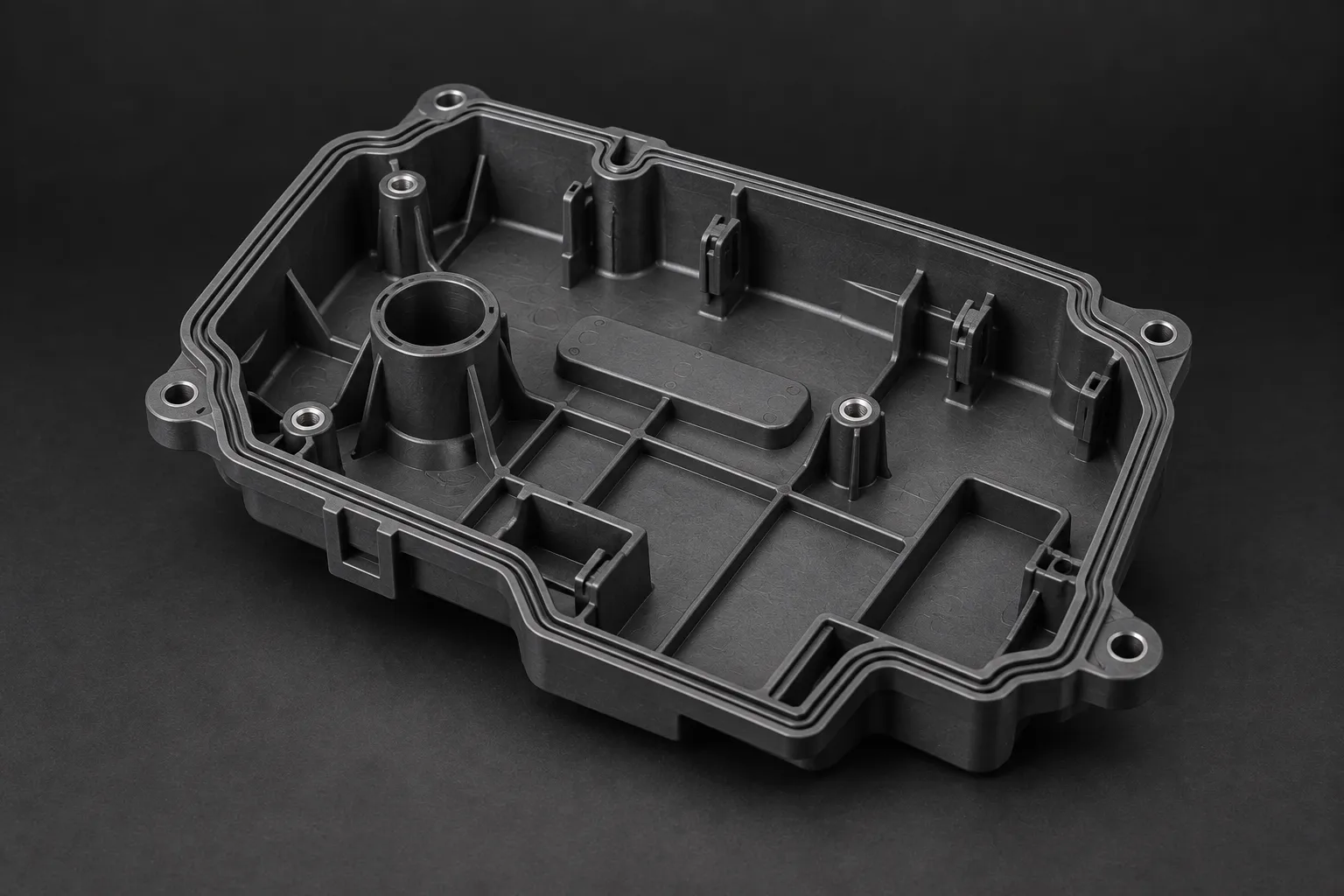
Moulded plastic components, with material, tool design and production requirements considered together.
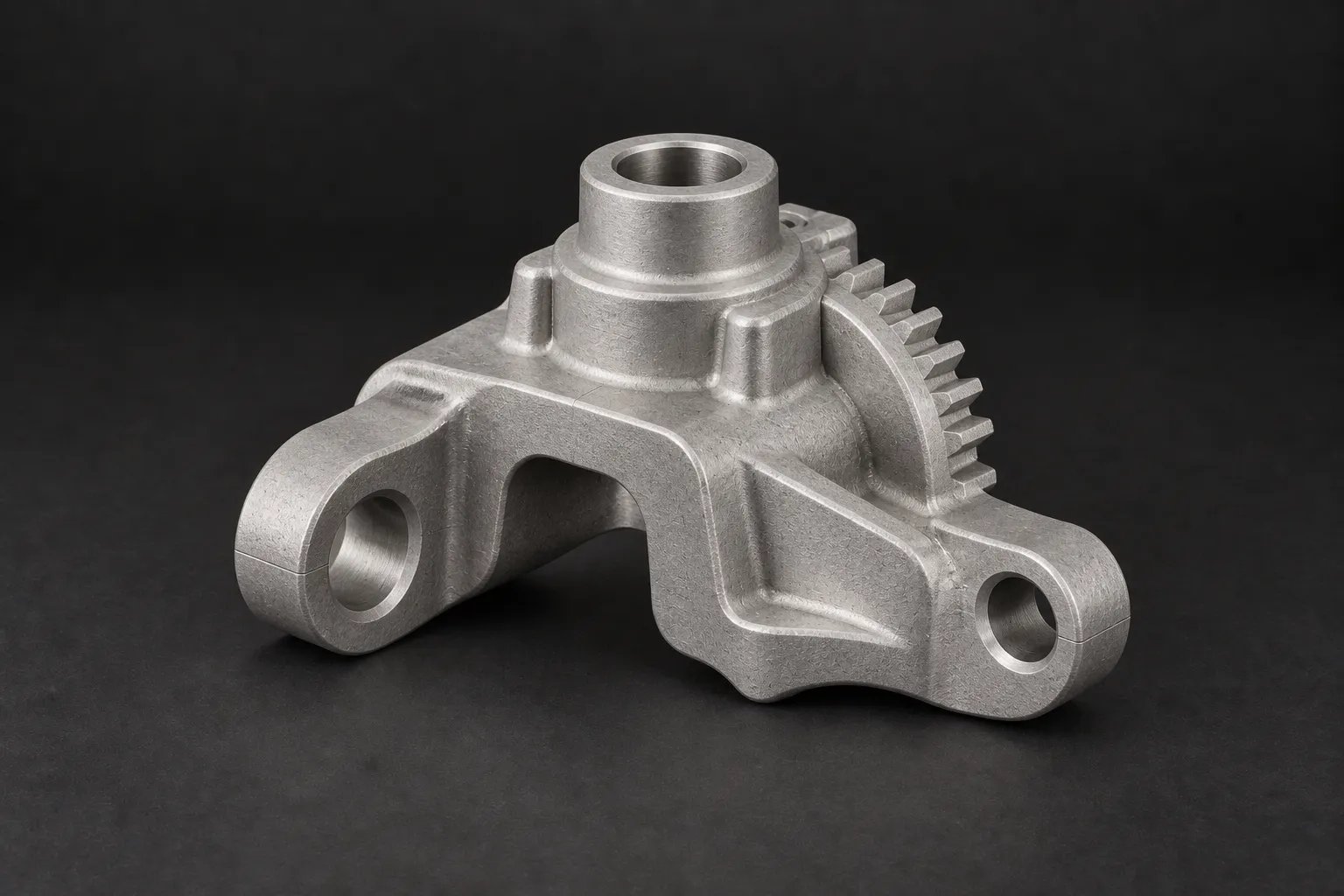
Small, complex metal components where geometry and quantity suit moulding and sintering.
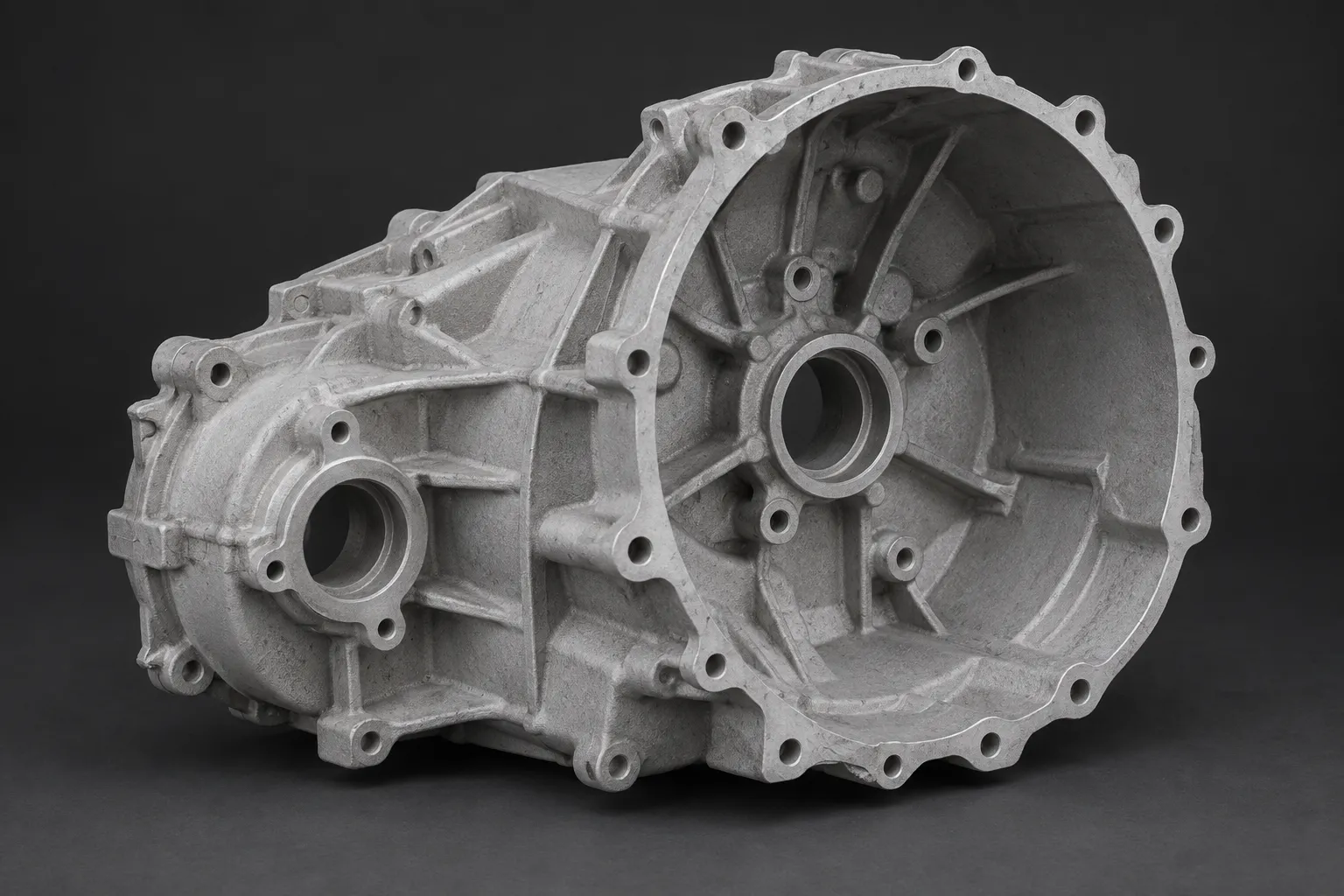
Aluminium housings and components, with casting geometry and any secondary machining planned together.
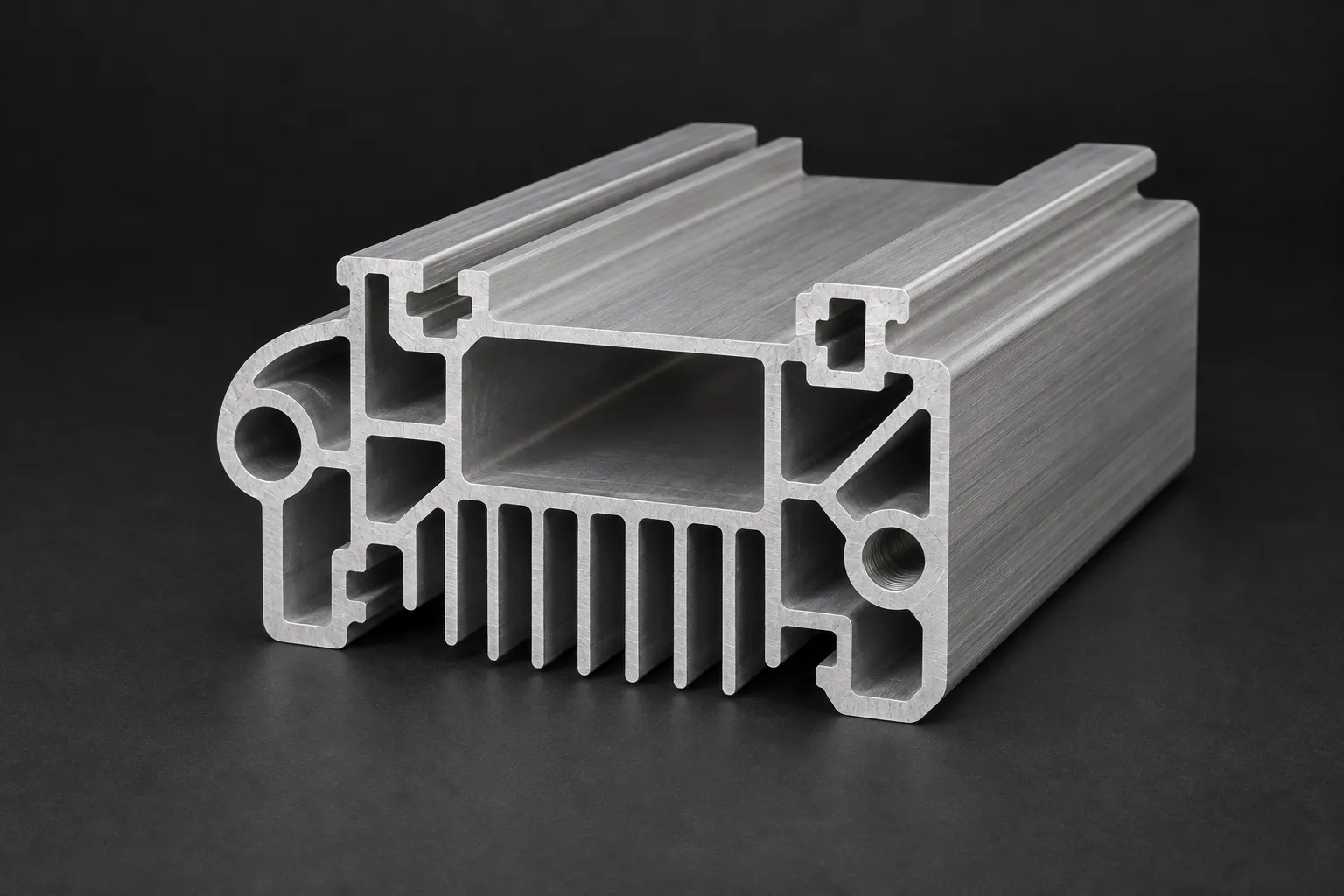
Custom sections developed for the application, then cut, machined and finished as required.
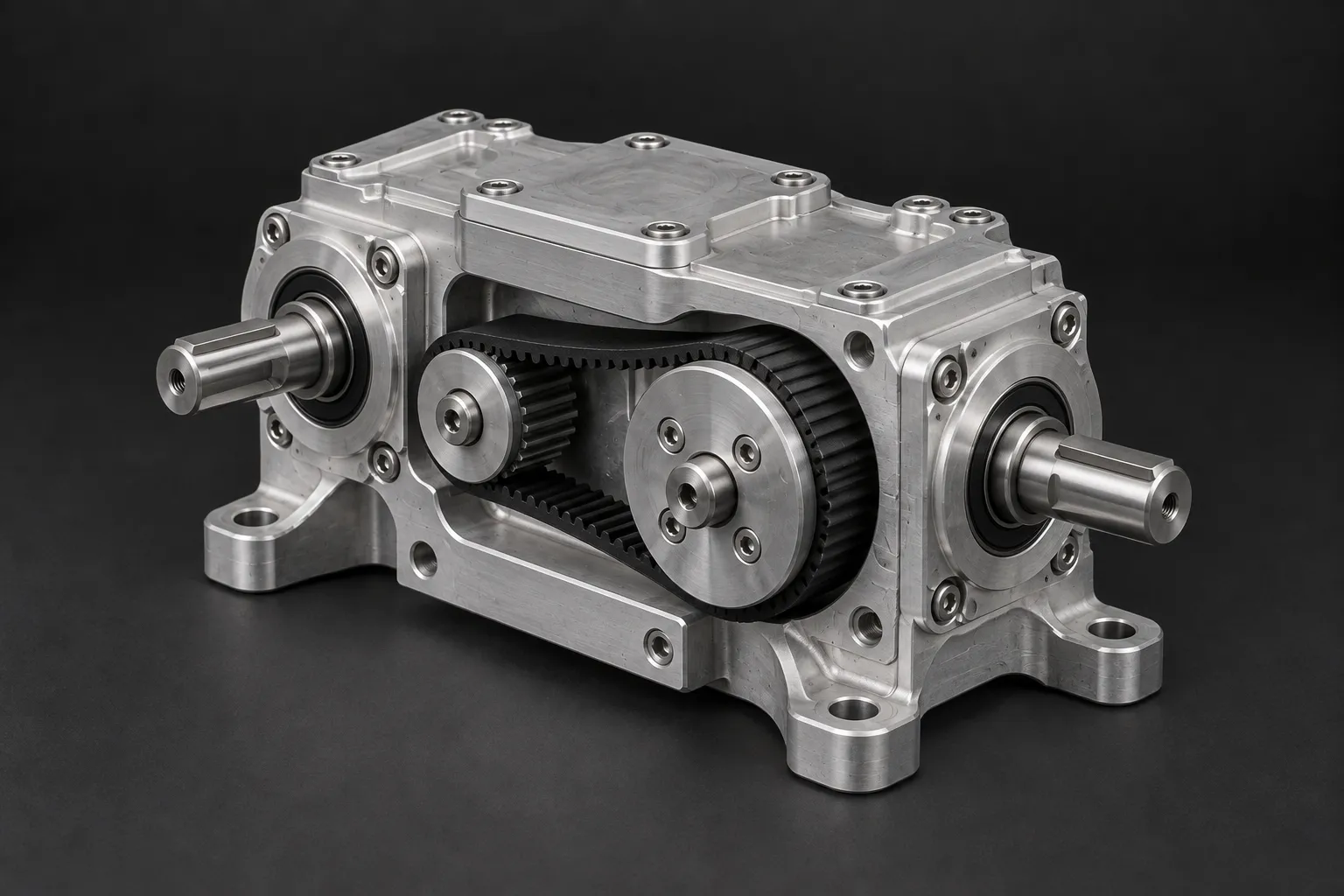
Manufactured and bought-in components brought together, with the interfaces and checks agreed first.
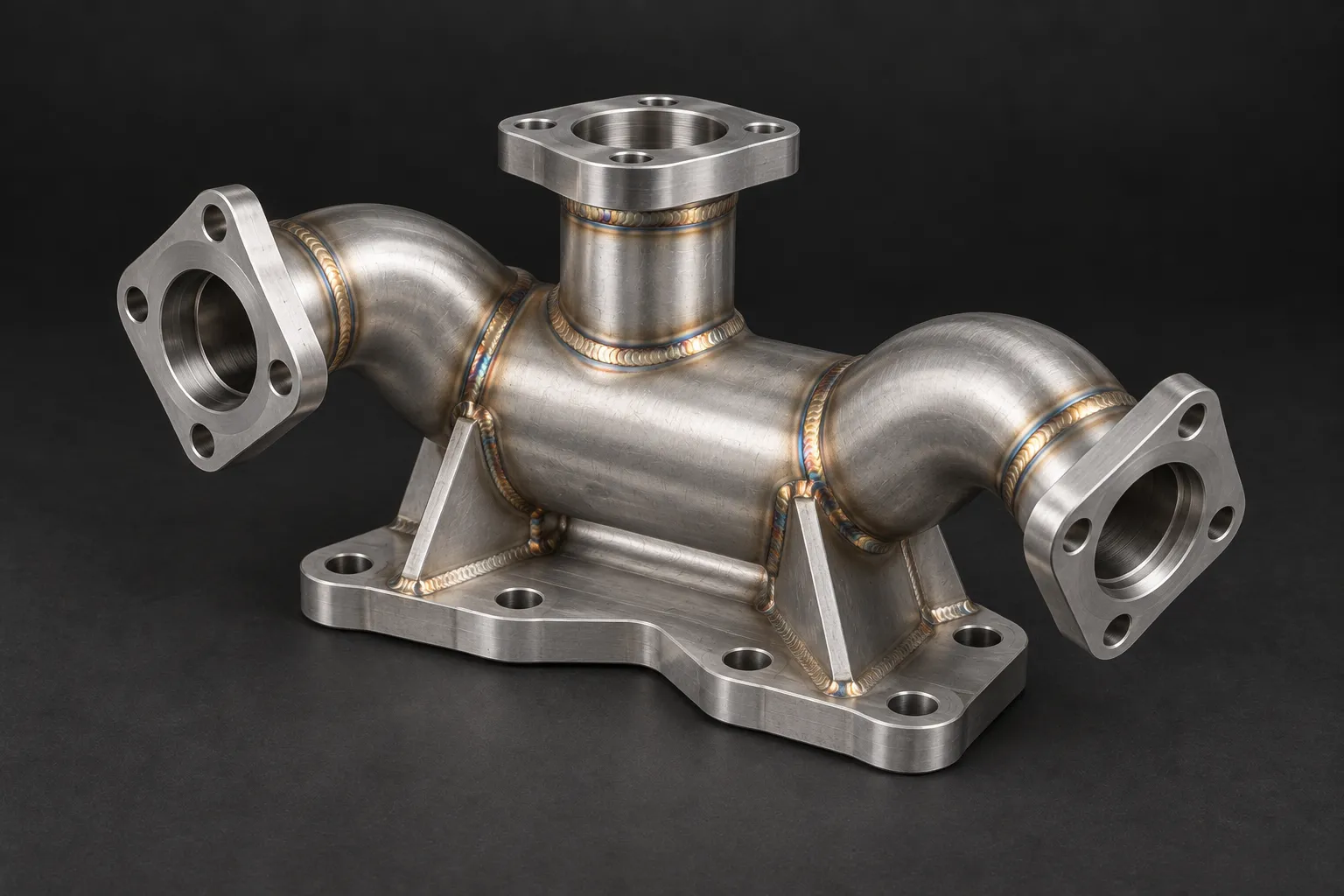
Welded components and fabrications, planned around material, joint access and distortion control.
Metal injection moulding, MIM, blends fine metal powder with a binder, injects the mixture into a tool like a plastic part, then removes the binder and sinters the result into a solid metal component. It produces small, intricate metal parts in volume that would be slow or wasteful to machine one at a time, and too fine or detailed to cast, typically parts that fit in the palm of a hand. The part shrinks predictably during sintering, usually by around 15 to 20 percent, which is why the tool is cut larger than the finished size and why the model in front of it has to be right. Like plastic moulding, the tool is the up-front investment. Where MIM is not the best route, we will tell you so before any steel is cut.
Intricate metal parts moulded close to finished shape, too fine to machine one at a time.
We advise whether MIM, machining or casting fits your part, before any tool is committed.
No drawing needed. We measure the small metal part and rebuild the model the tool is cut from.
A range of MIM metals. Tell us the duty and we confirm the grade before the tool is cut.
A small metal part that no maker still supplies is a starting point, not a dead end. We measure the sample, rebuild the model and correct any weakness before the tool is cut, then advise whether MIM is the right route. You get a part better than the original.
Bring us the small metal part with no paperwork. We measure it, rebuild the model it was made from and advise on the best process before any tool is cut.
Where the original part failed at a thin section or a stressed feature, we correct the model before the tool is cut, so the fault is not moulded into the replacement.
Metal injection moulding suits small, complex, high volume parts in a focused range of steels and alloys, sintered to their final metal properties after moulding. There's no minimum order quantity, so it's viable even before you've settled on final volumes.
Please see our material lists for Metal Injection Moulding. Looking for a material you can't find here? Get in touch to discuss your requirements.
AISI 4605
M2
S7
SS316
SS304
17-4 PH
Magnetic Alloys: Fe-3%Si, Fe-50%Ni
Copper
Titanium (6Al-4V)
MIM parts are typically left as sintered, with no further finishing required, though bead blasting is available where a more uniform matte surface is preferred. Both options are shown below on the same reference part. If you need a different finish for your MIM parts, get in touch and we will confirm whether it is possible.
The part will remain as machined with no further finishing processes.
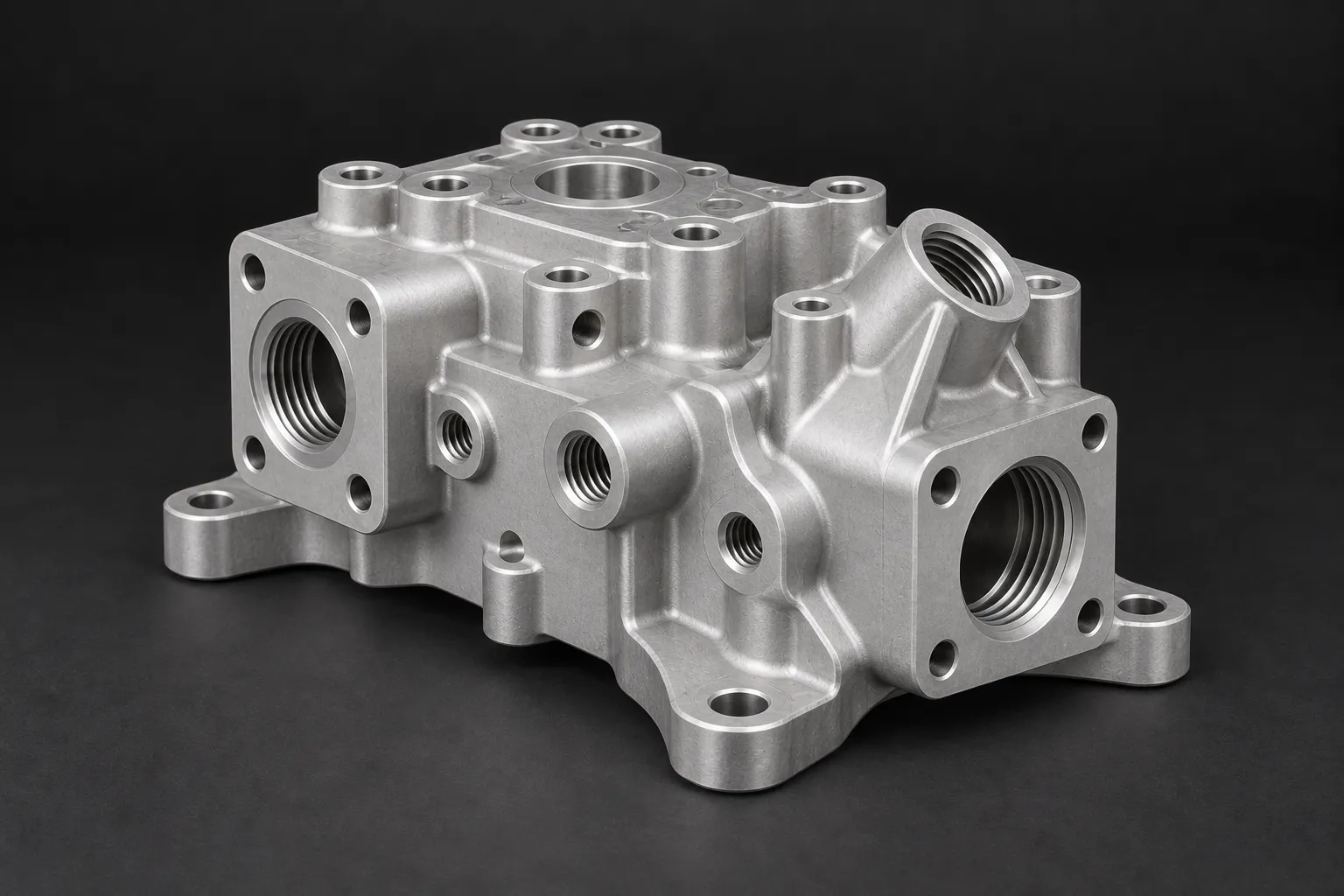
Bead blast size: 80um as standard. 50-120um available.
We sell the expertise that gets a small metal part right, not tool time. That means an honest read on whether MIM, machining or casting suits your part, the model proven from your sample, and the geometry checked before any tool is cut. Over 100,000 parts delivered, on time or early every time, stand behind that judgement. Our engineering team plans the work together, with one point of contact keeping the job clear and coordinated. Here is what that means when you send us a small metal part.

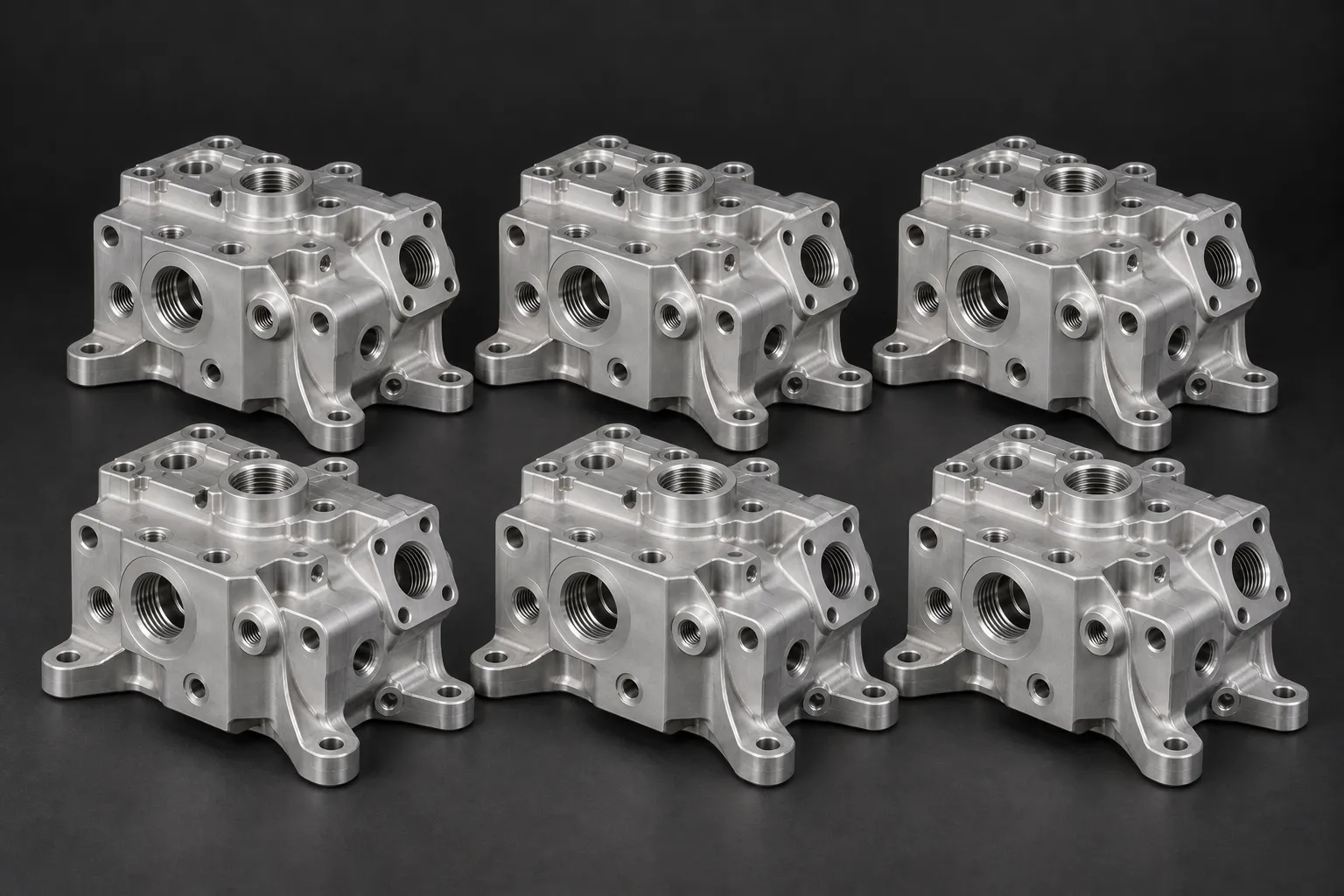
Over 100,000 parts delivered, on time or early every time, an average of 1.5 days ahead. Once the tool is proven, every part comes off the same.

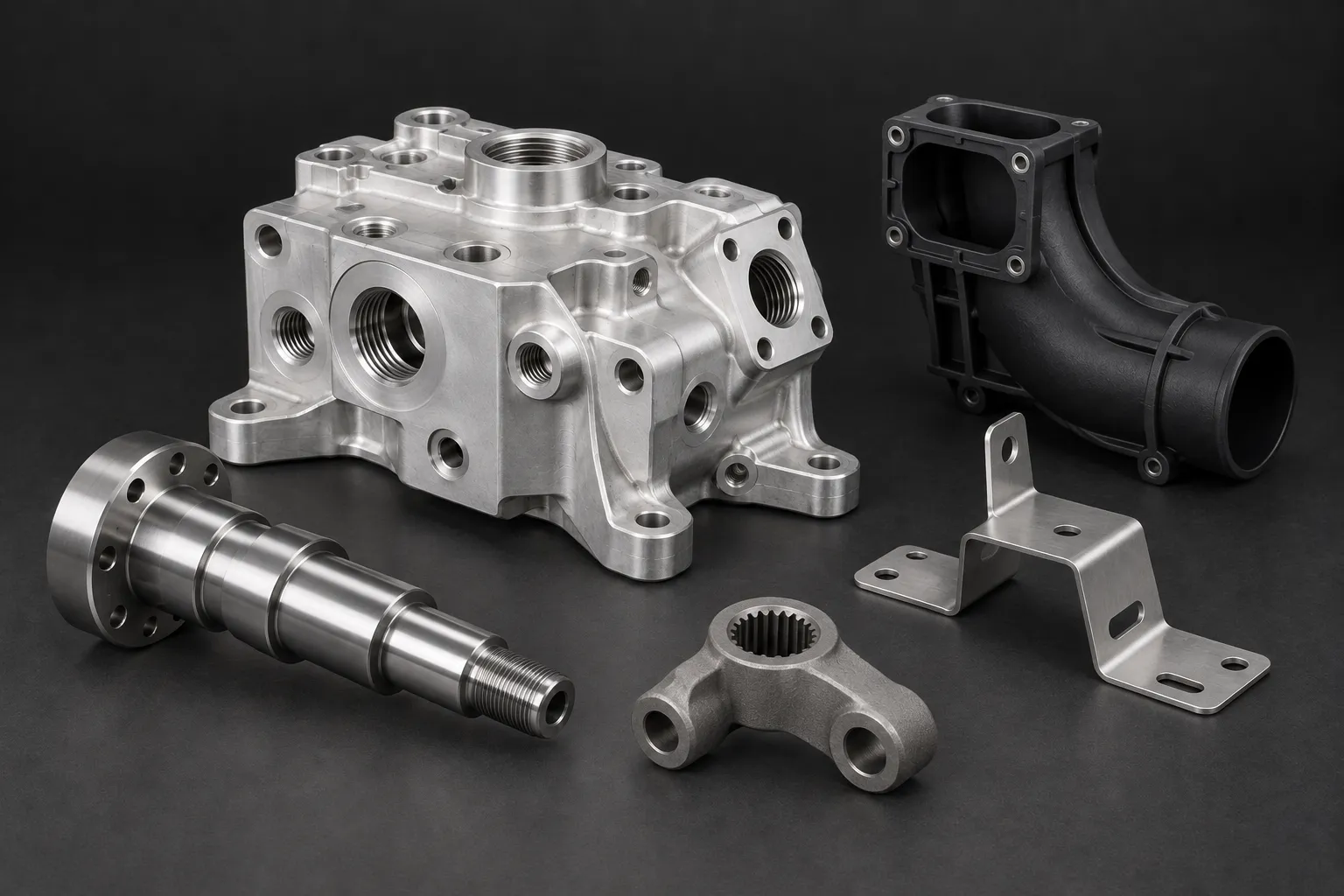
Miguel came up through Cosworth, Perkins and Caterpillar before founding MV in 2020. The standard those names set is the standard we hold small, complex metal parts to.
We will tell you honestly when MIM is not the right process, rather than sell you a tool you do not need. If machining or casting suits the part better, you hear it in the quote.
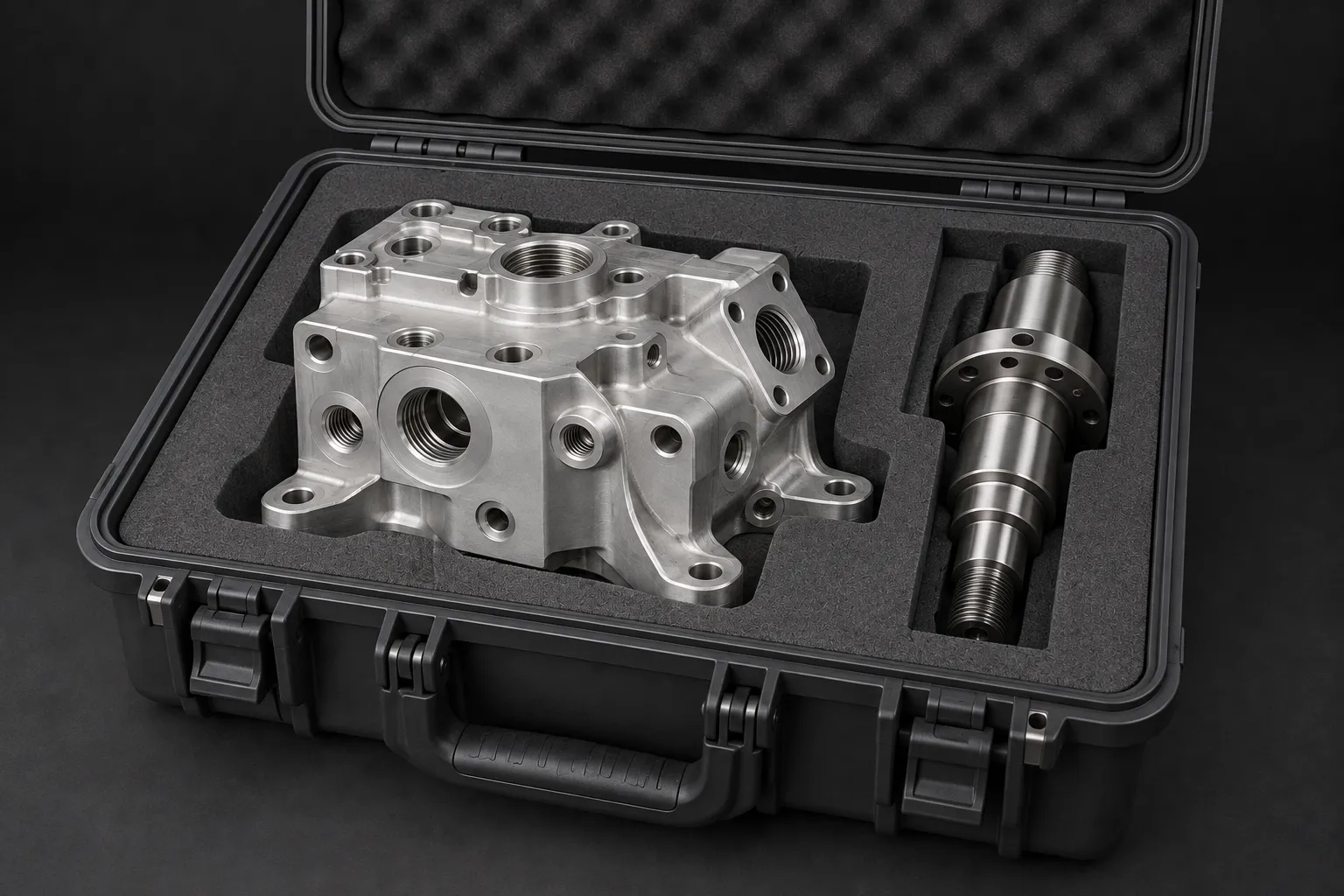
We make small, intricate metal fittings and instrument components for oil and gas and food machinery, where a detailed part has to fit and last in a working machine.
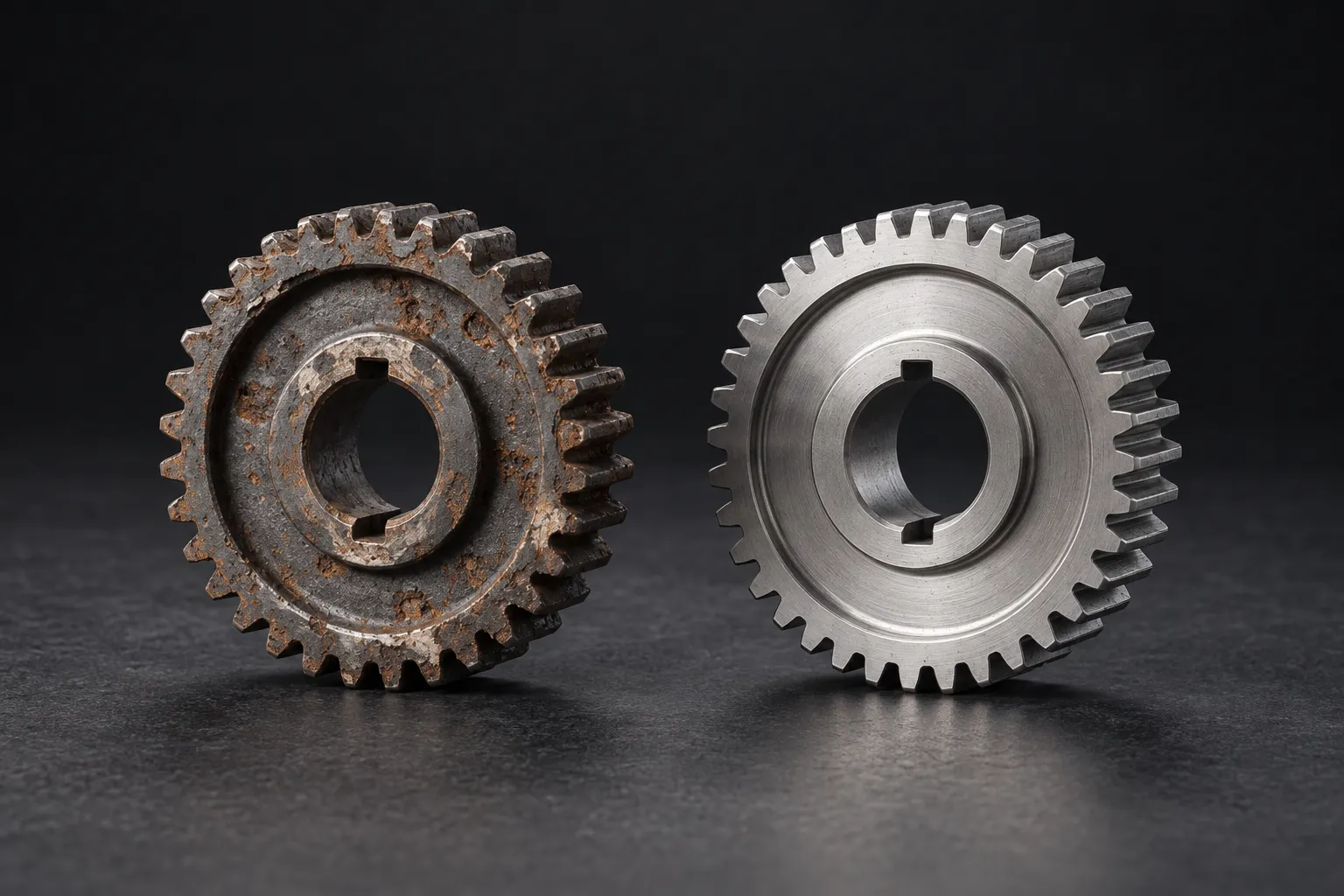
An obsolete small metal part with no drawing is a starting point, not a dead end. We rebuild the model from the sample, correct what failed and advise the route for a part better than the original.
The metal injection moulding process from the part in your hand to the finished component on your bench. Four steps, one shop, an engineer on your job from the first call to delivery.
A small metal sample, a 2D drawing or CAD. No drawing is fine. We measure the part and rebuild the model the tool will be cut from.

A real engineer reviews the part, the metal and the volume, then prices it within 24 hours, including an honest read on whether MIM, machining or casting fits best.
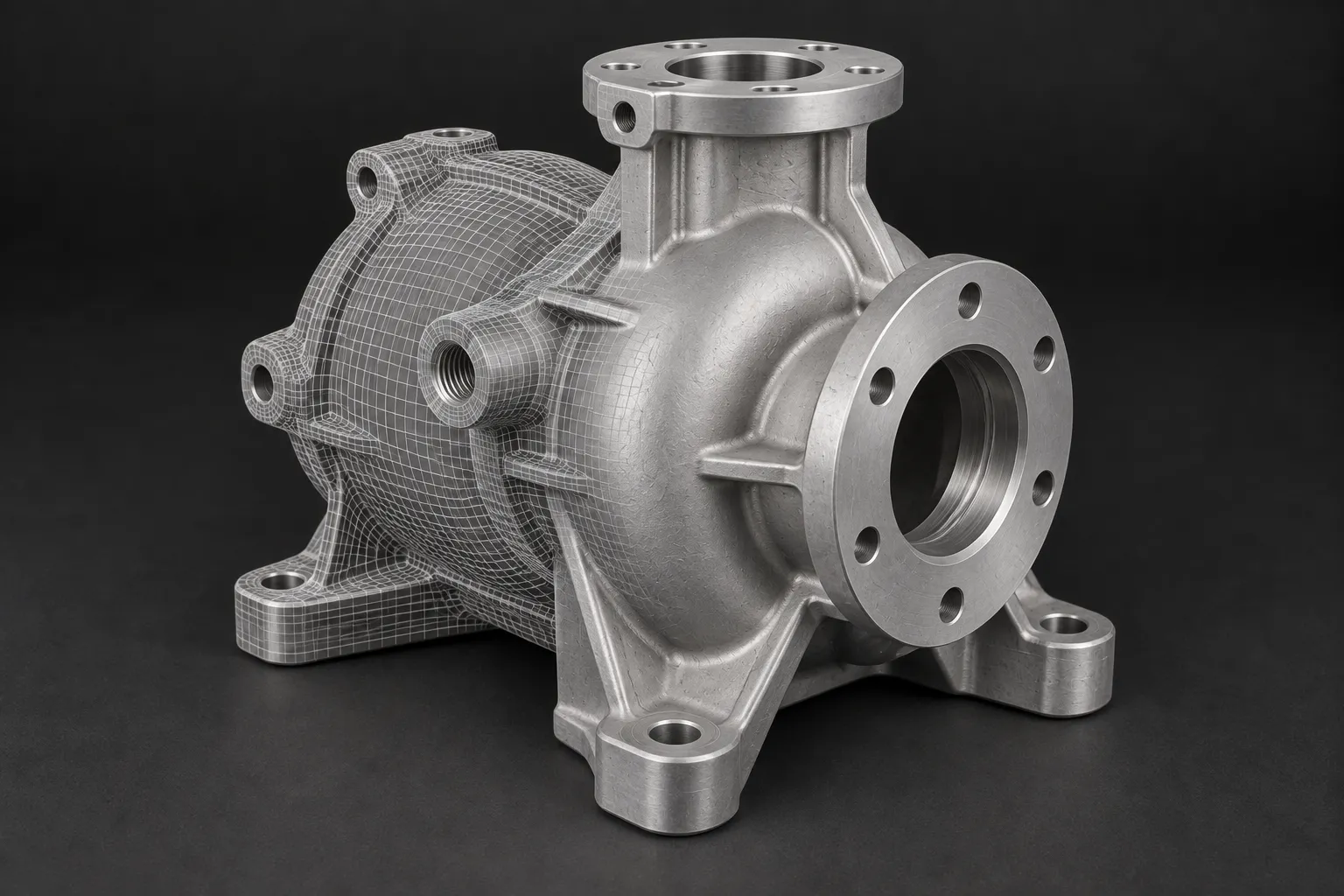
The geometry is checked for moulding and for the shrinkage that happens during sintering, then the tool is cut and the first part off it is inspected.
The run is moulded, debound and sintered to solid metal, then delivered on time or early, an average of 1.5 days ahead, ready to fit.
Metal injection moulding FAQs

Yes. A small metal part that no maker still supplies is a starting point, not a dead end, because the worn sample still holds the shape and detail we need. We measure the part, rebuild the model, and where it failed at a thin section or a stressed feature we correct that weakness before any tool is cut. We then advise whether metal injection moulding is the right route or whether machining or casting fits better. Where MIM does suit it, the tool is cut from a proven model, so the part comes out better than the original. This is why OEM engineers bring us obsolete small metal components in oil and gas and food machinery. Send the part, with or without a drawing, and we will start from what you have.
We tell you in the quote, honestly, rather than sell you a tool you do not need. Metal injection moulding suits small, complex, high-volume metal parts, the kind that are slow or wasteful to machine one at a time and too fine or detailed to cast. If your part is large, simple, or wanted only in small numbers, machining or casting is usually the better answer, and we will say so. The reason is the tool: MIM carries an up-front tooling cost that only pays back across volume, so the sums have to work. Because MV also machines and casts, we have no reason to push you toward MIM when another route fits your part and quantity better. Send the part and the numbers you have in mind and you will get a straight read within 24 hours.
Metal injection moulding starts by blending fine metal powder with a polymer binder to make a feedstock that flows like a plastic. That feedstock is injected into a tool, exactly as a plastic part would be, to form what is called a green part. The binder is then removed and the part is sintered, heated so the metal powder fuses into a dense, solid component. The part shrinks in a predictable way during sintering, usually by around 15 to 20 percent, which is why the tool is cut larger than the finished size and why the geometry has to be right before any steel is cut. The result is a small, complex net-shape metal part produced in volume with detail that would be slow to machine. If that sounds like your component, send it over and we will confirm whether MIM fits.
It depends on your numbers, and we will be straight about that. Metal injection moulding carries an up-front tool cost, so like any moulding route it pays back only when the volume is high enough to spread that cost across many parts. For genuine volume of a small, complex metal part, MIM is often the most efficient route you can pick, because each cycle produces an intricate net-shape part that machining would labour over. For low volumes, we will point you to machining or another process rather than tool for a run that does not justify it. Because MV machines and casts as well as moulds, that advice is honest. Send the part and the quantity and we will tell you whether the MIM tool is worth it within 24 hours.
We work a range of MIM metals, including stainless steels such as 316 and 17-4 PH, low-alloy and tool steels, suited to being moulded and sintered rather than machined from bar or cast from a melt. The right choice is rarely just about strength. A MIM metal is chosen for how the powder packs and sinters to a dense part, how the finished component resists wear or corrosion in service, and how it holds fine detail through moulding and sintering. Duty matters too, because a small fitting or instrument component in oil and gas or food machinery pulls the metal choice a particular way. For that reason we confirm the exact grade with you before the tool is cut, so the sintered part performs as the application needs. If you need a metal outside our usual range, ask us.
MIM is at its best for small parts with complex detail wanted in real volume, roughly the size that fits in the palm of a hand and carries features too fine to machine economically. The process fills a specific gap: below the size where casting holds detail, and above the complexity where machining each part one at a time makes sense. Small connectors, intricate fittings and detailed instrument components are typical, especially where thousands are needed and every one has to match. If your part is large, if the geometry is simple, or if you need only a handful, MIM is usually the wrong tool and we will point you to machining or casting instead. Send the part and the quantity and we will tell you honestly whether MIM is the right route within 24 hours.
The moulded component changes size during binder removal and sintering. Tooling and process development must allow for that behaviour. Critical dimensions and interfaces are reviewed early, and any features requiring subsequent machining are identified as part of the proposed manufacturing route.
Threads and bores must be assessed against the geometry, tolerance and production requirements. Some features may be moulded near to shape and finished afterwards. We consider the complete route, including secondary machining, rather than assuming every critical feature can be delivered directly from the mould.
MIM uses metal powder mixed with a binder to form the initial component. The binder is then removed and the part is sintered. Those additional stages affect the design, dimensions and economics, so a shape that is easy to mould in plastic is not automatically suitable for MIM.
Send the part model or sample, intended material, quantity and critical performance requirements. Highlight fits, threads, surface requirements and loading conditions. MV can then compare MIM with machining or other supporting processes around the reverse engineered or existing design.