Bring us the job and tell us what the part needs to do. Our engineers recommend the printing approach, filament or material and finish around the loads, temperature, environment and fit. From an early prototype to a replacement developed through reverse engineering, we help you choose the right next step.
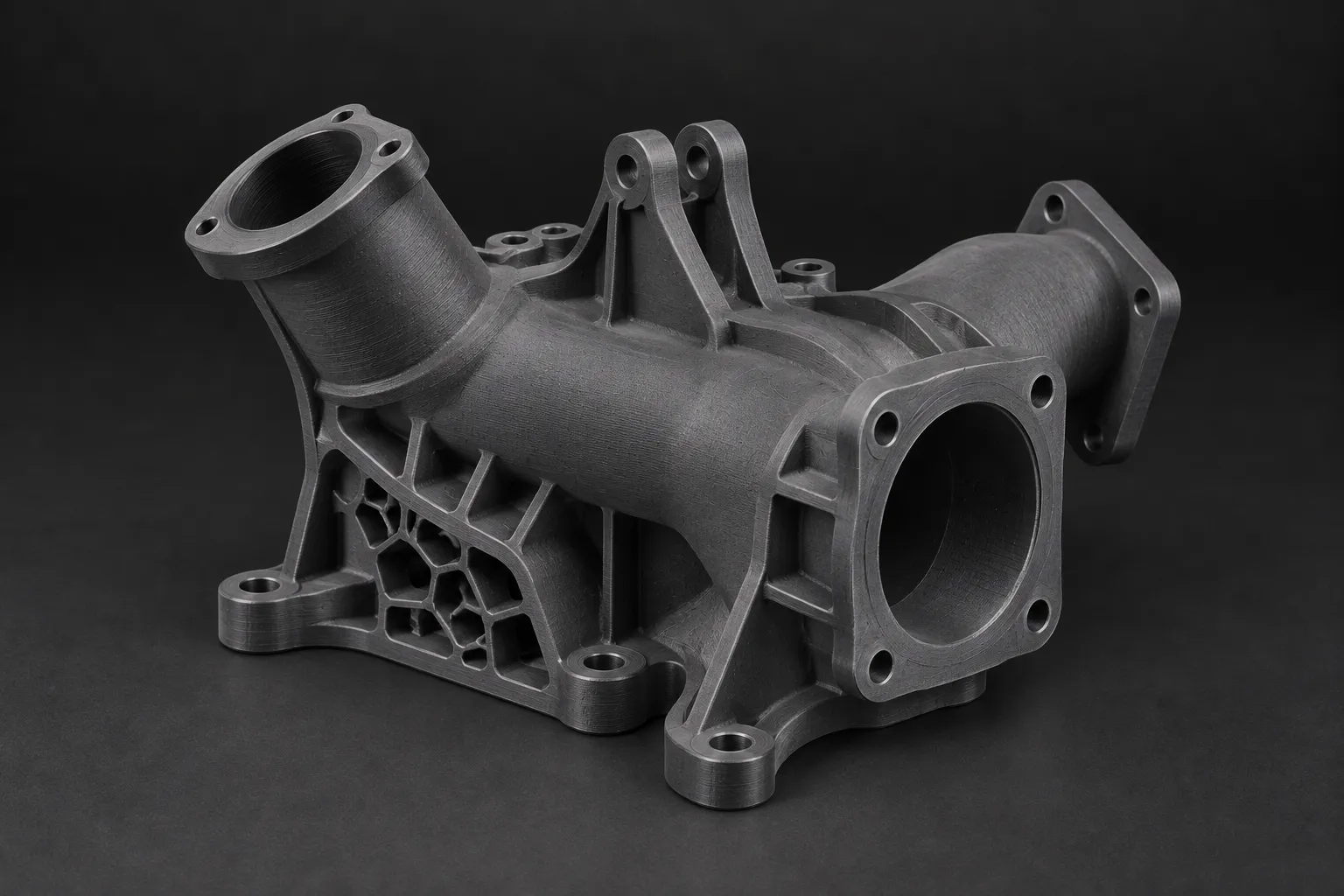
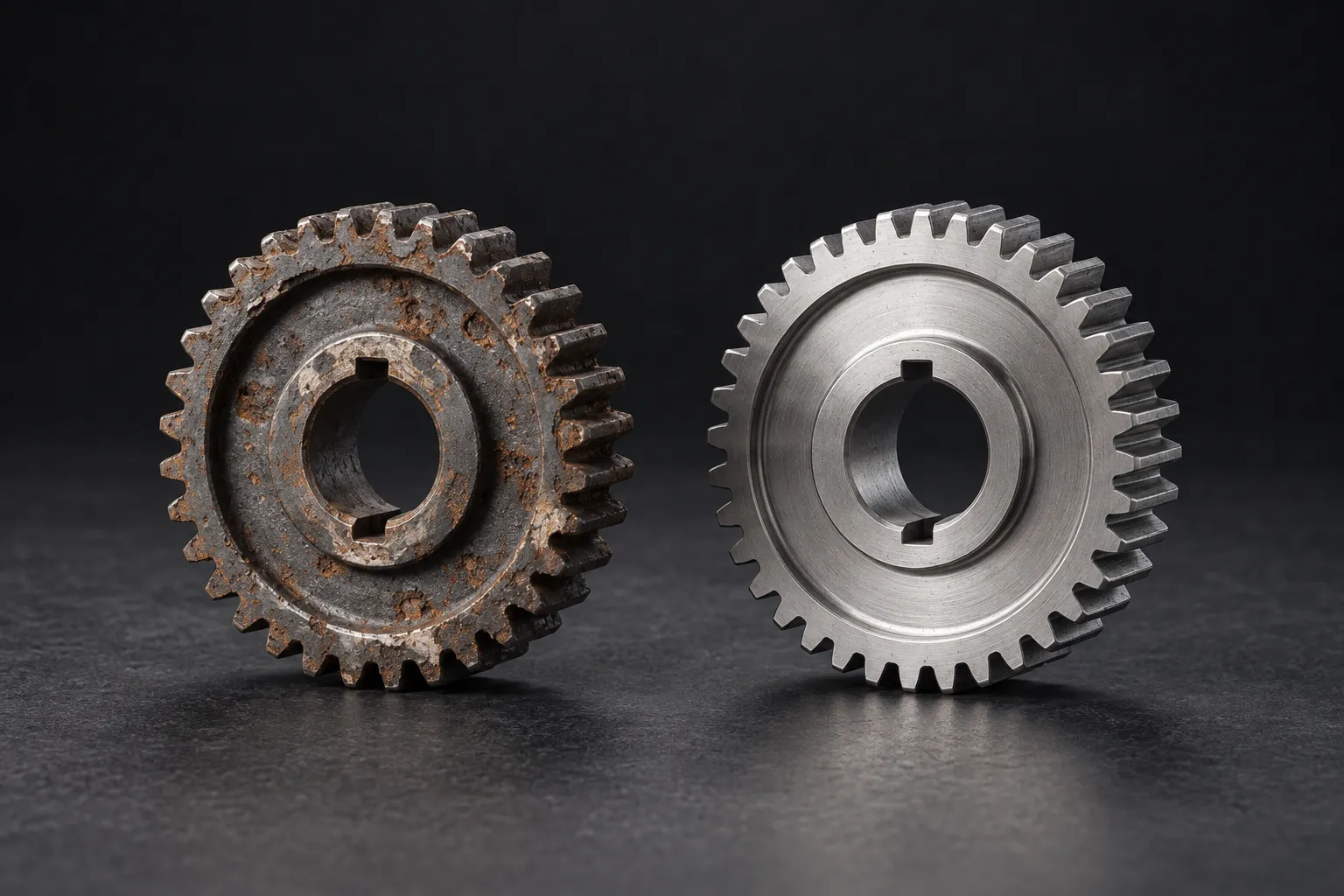
Start with a worn, failed or discontinued part. We reconstruct the design and agree improvements before manufacture.
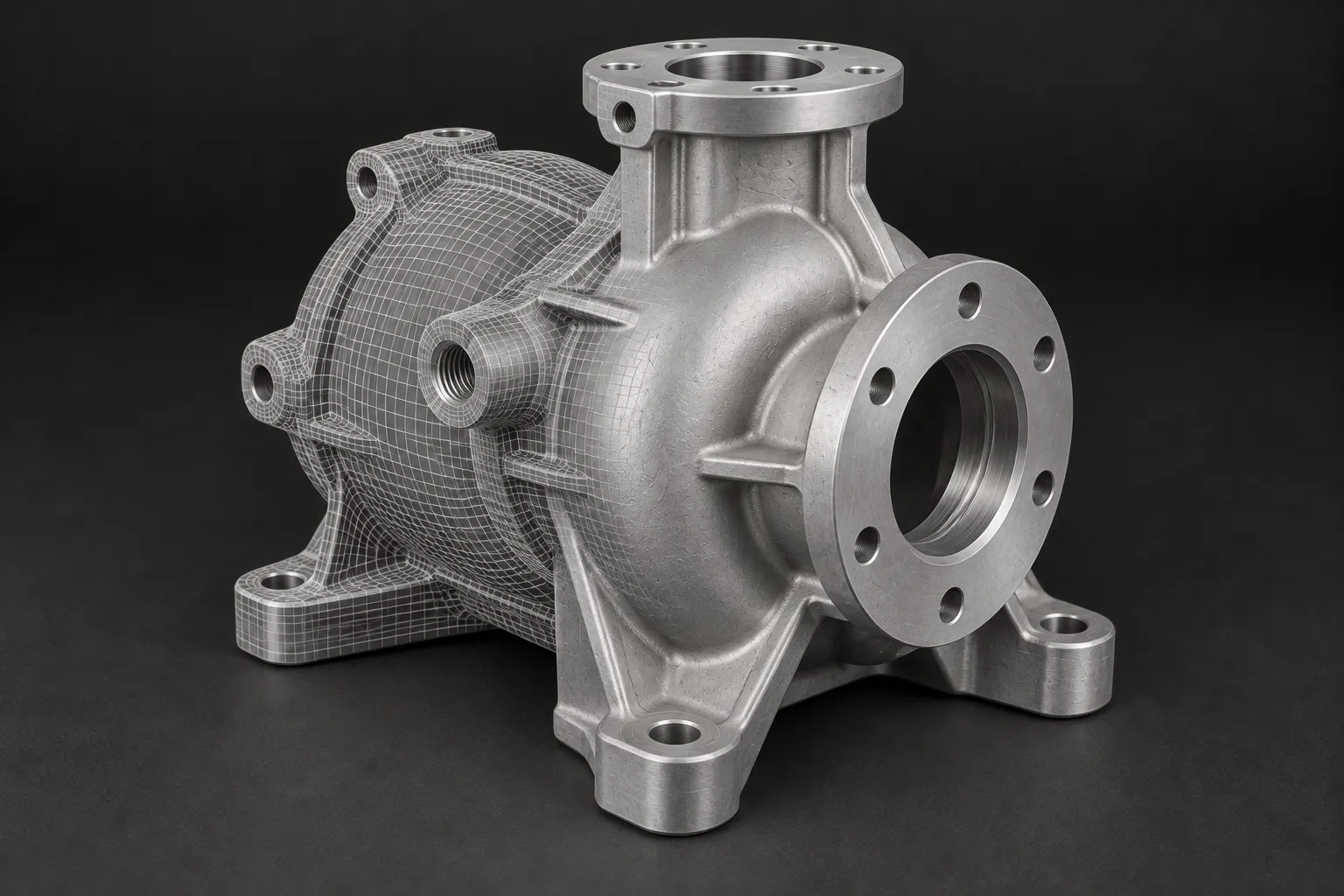
Digital surface capture to support CAD reconstruction and the wider reverse engineering job.
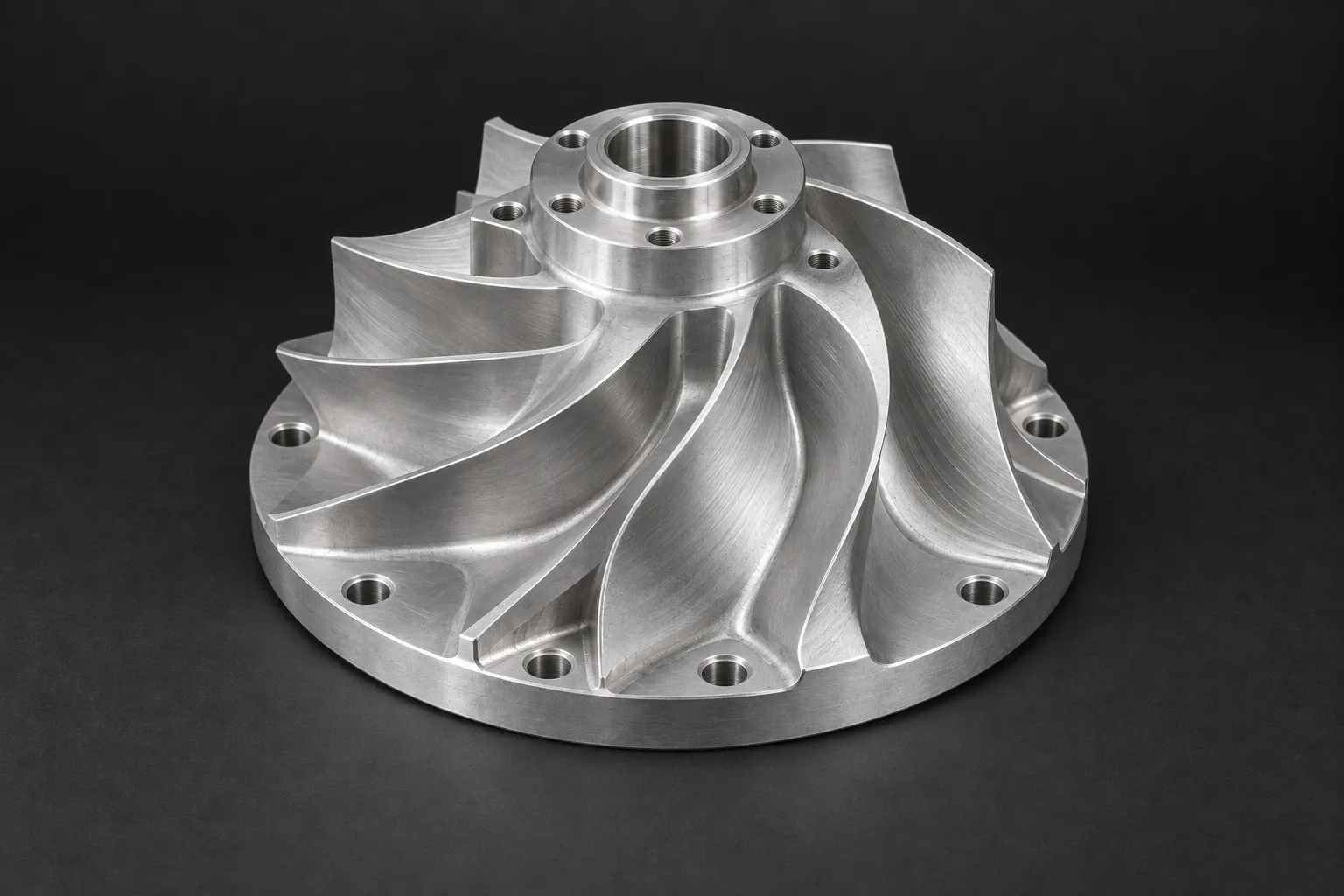
Machine angled features and complex surfaces, with the set-up planned around the critical relationships.
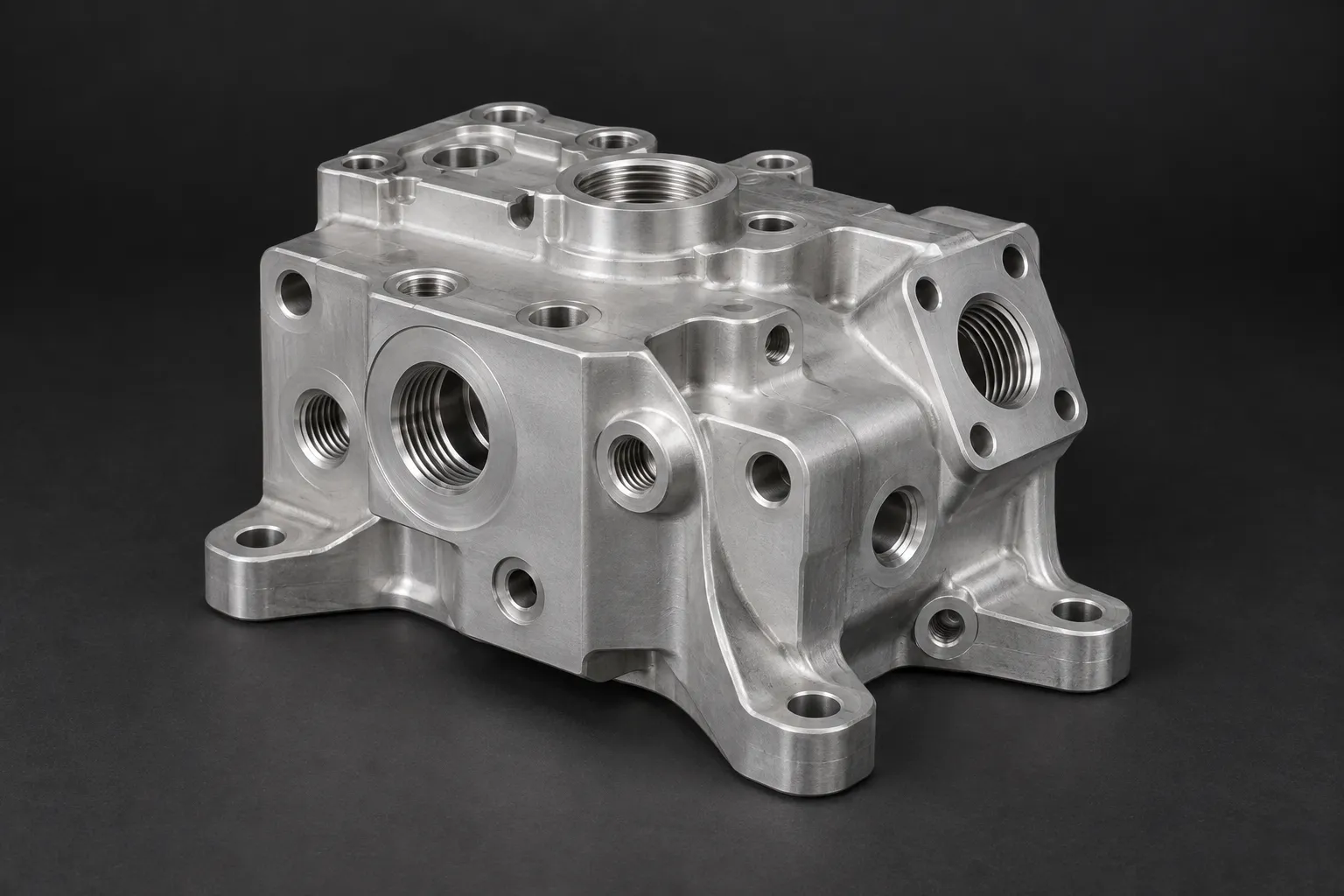
Milled housings, brackets and precision components in metals and engineering plastics.
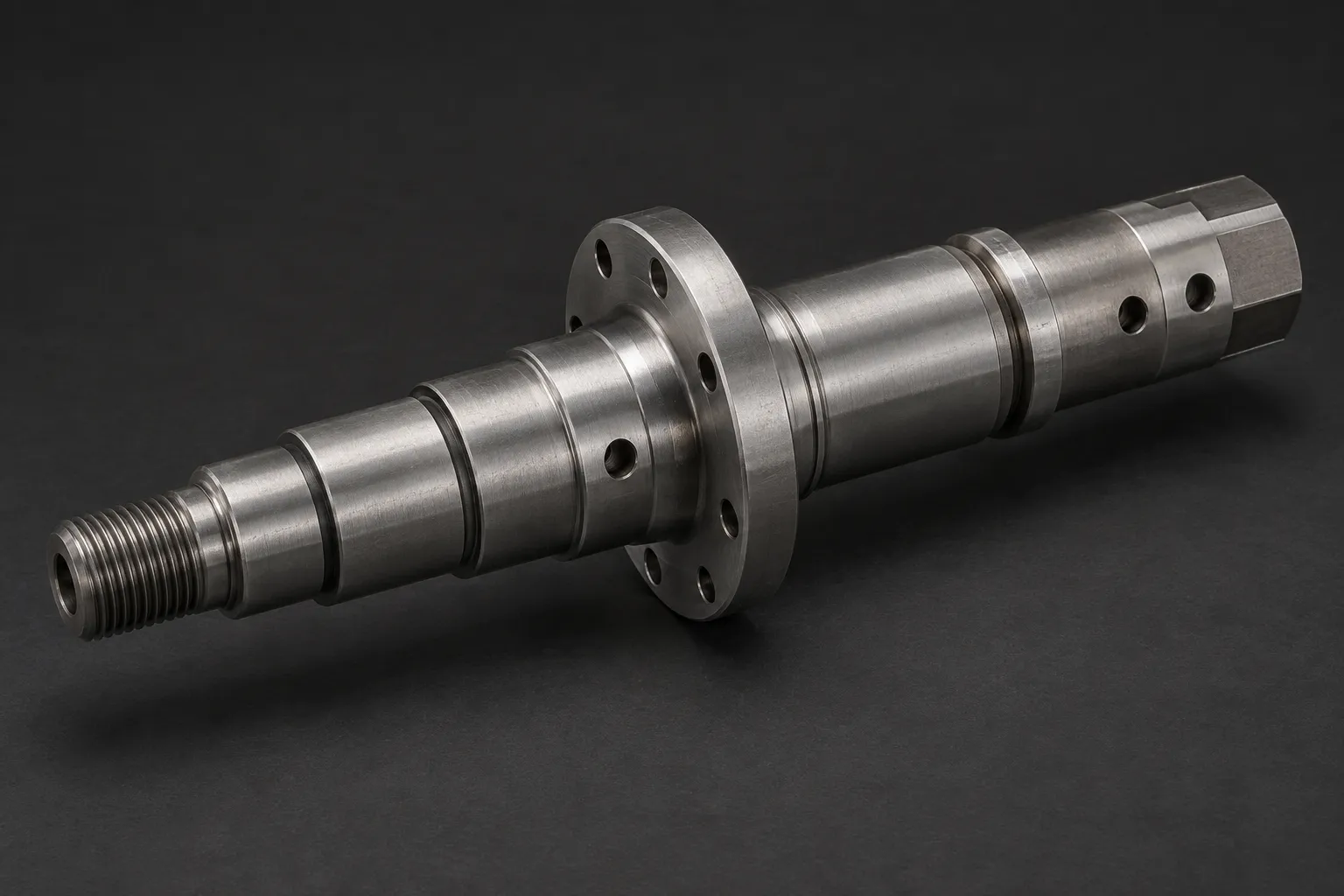
Stepped shafts, threaded fittings and housings, made to drawing or reverse engineered from a sample.
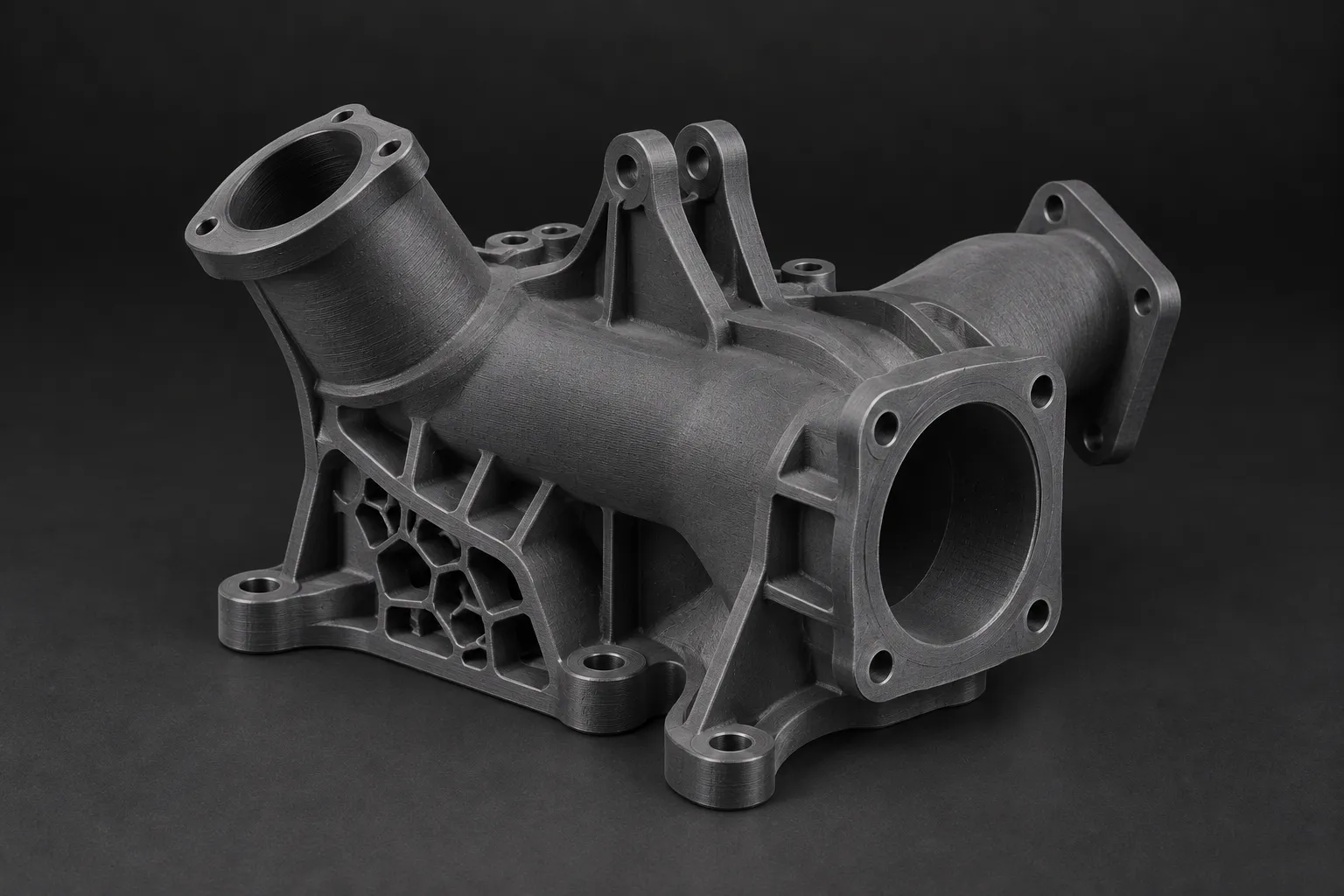
Bring us the application. Our engineers recommend the material and approach for your prototype or part.
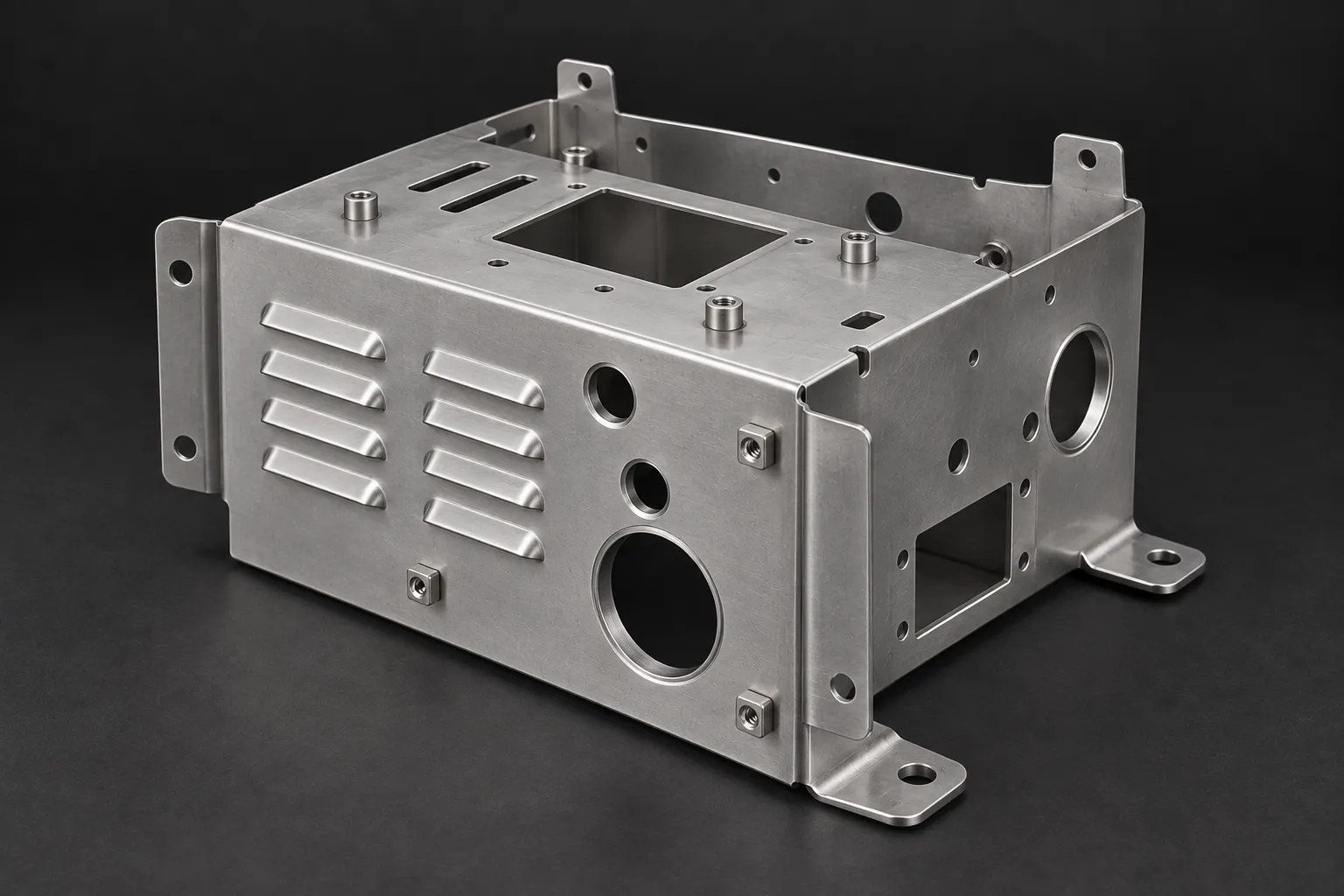
Brackets, panels and enclosures, developed around the bends, interfaces and finished assembly.
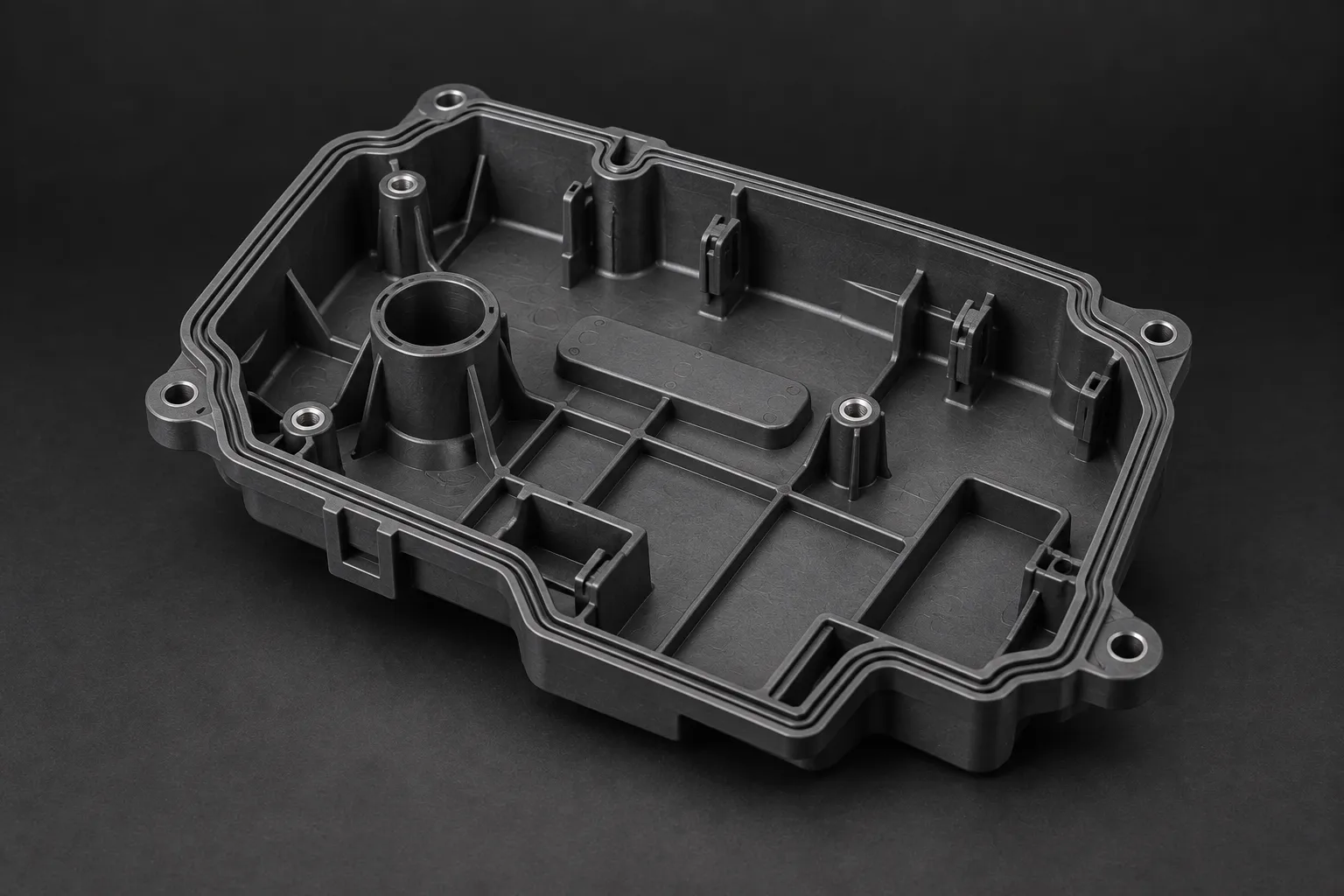
Moulded plastic components, with material, tool design and production requirements considered together.
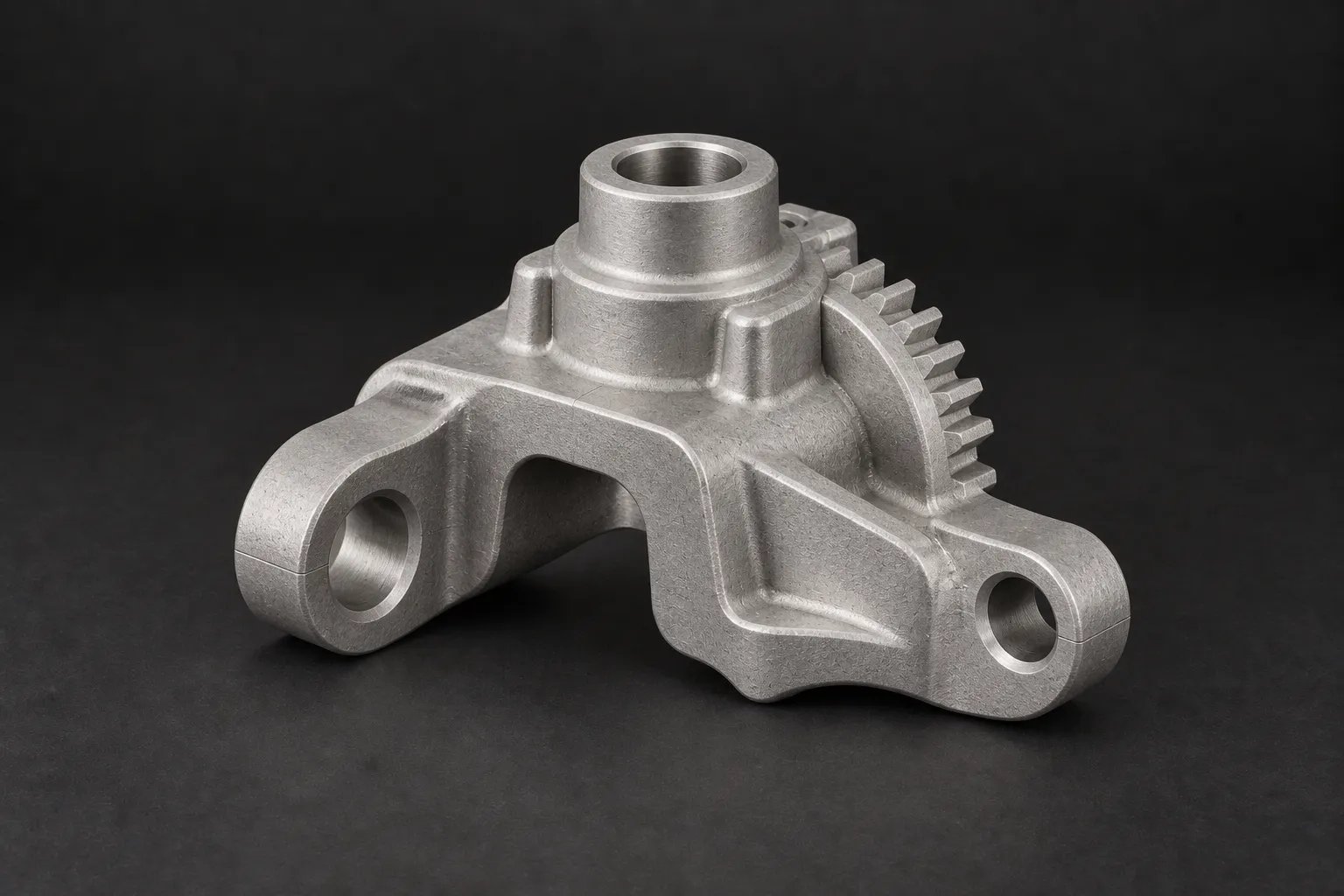
Small, complex metal components where geometry and quantity suit moulding and sintering.
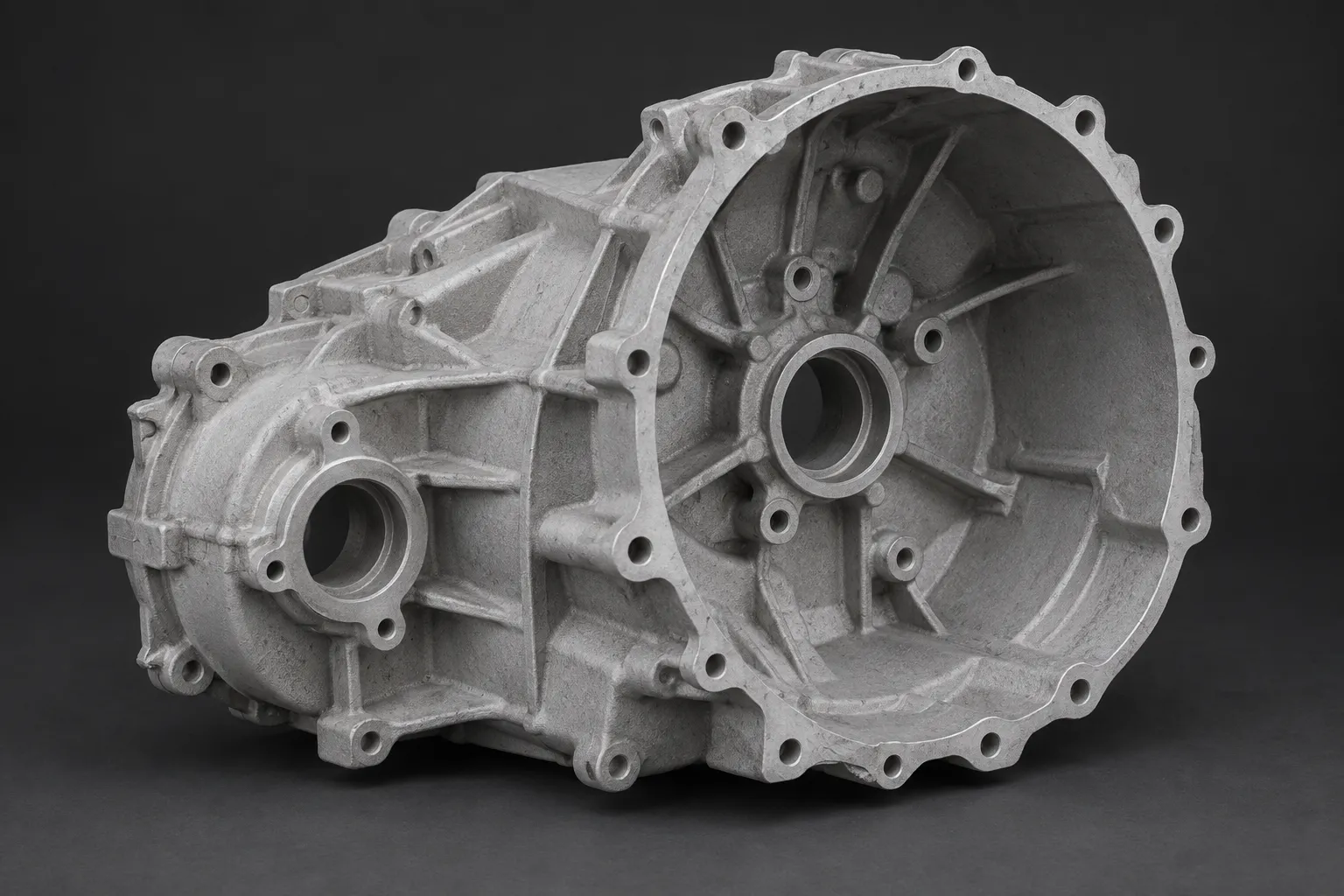
Aluminium housings and components, with casting geometry and any secondary machining planned together.
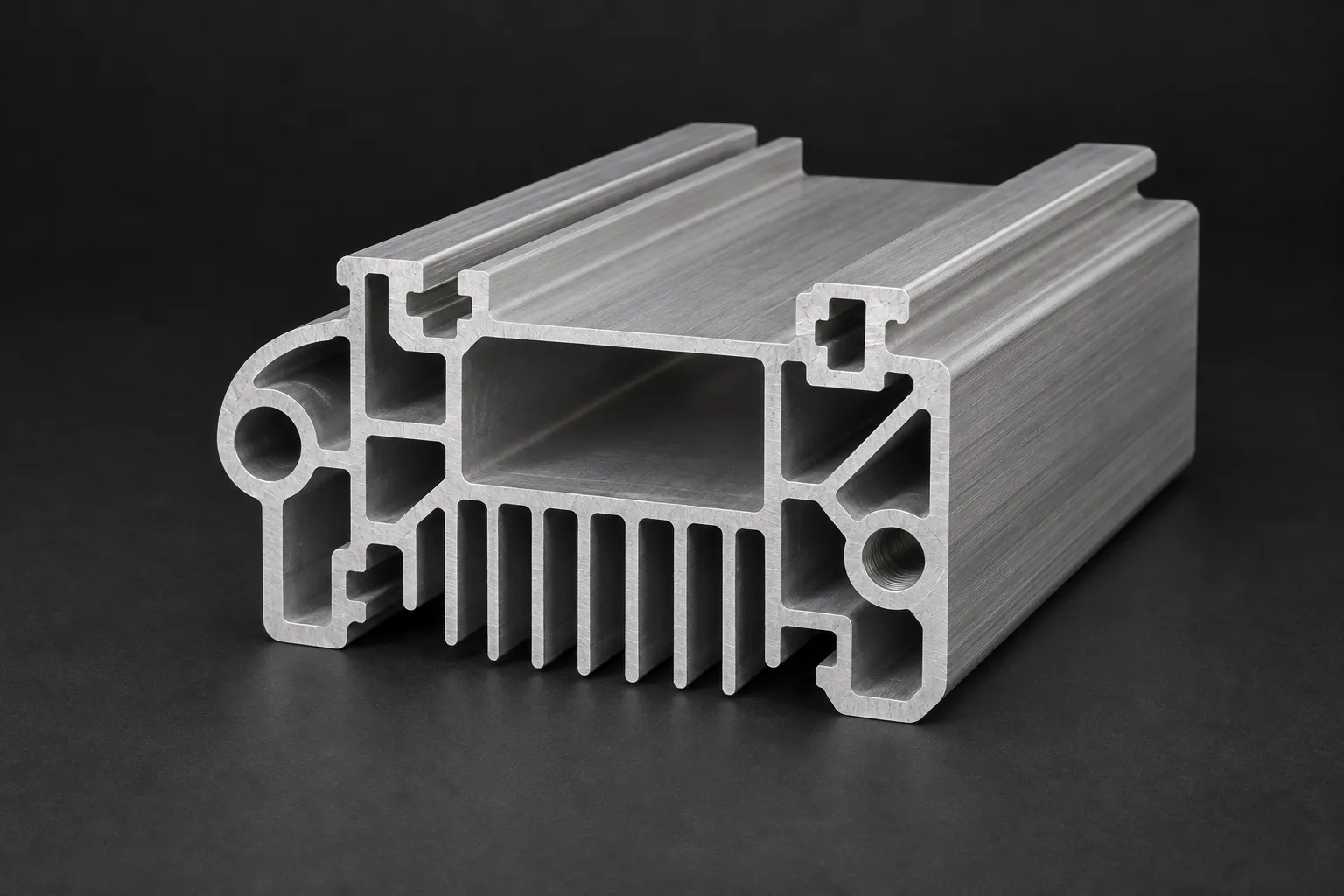
Custom sections developed for the application, then cut, machined and finished as required.
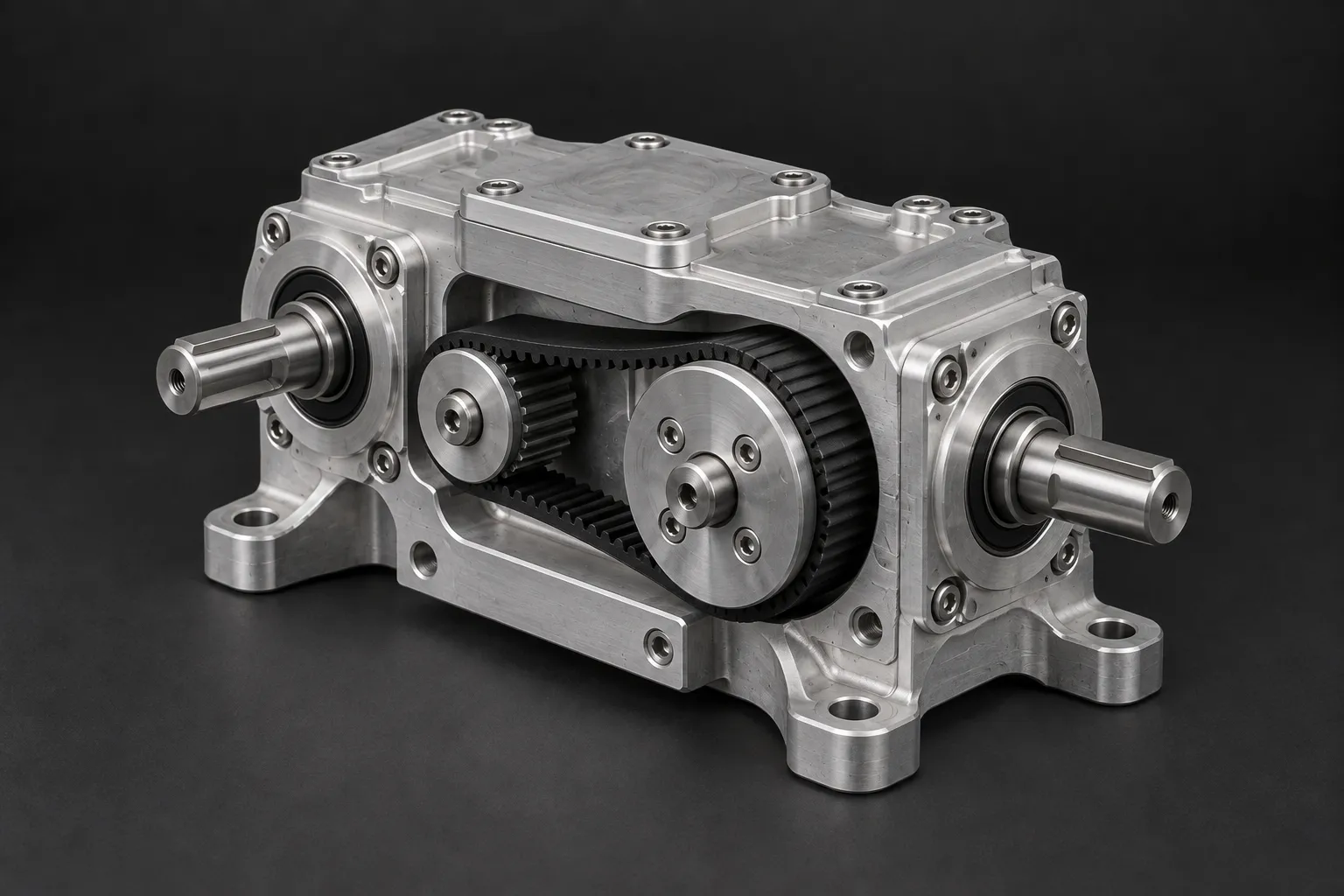
Manufactured and bought-in components brought together, with the interfaces and checks agreed first.
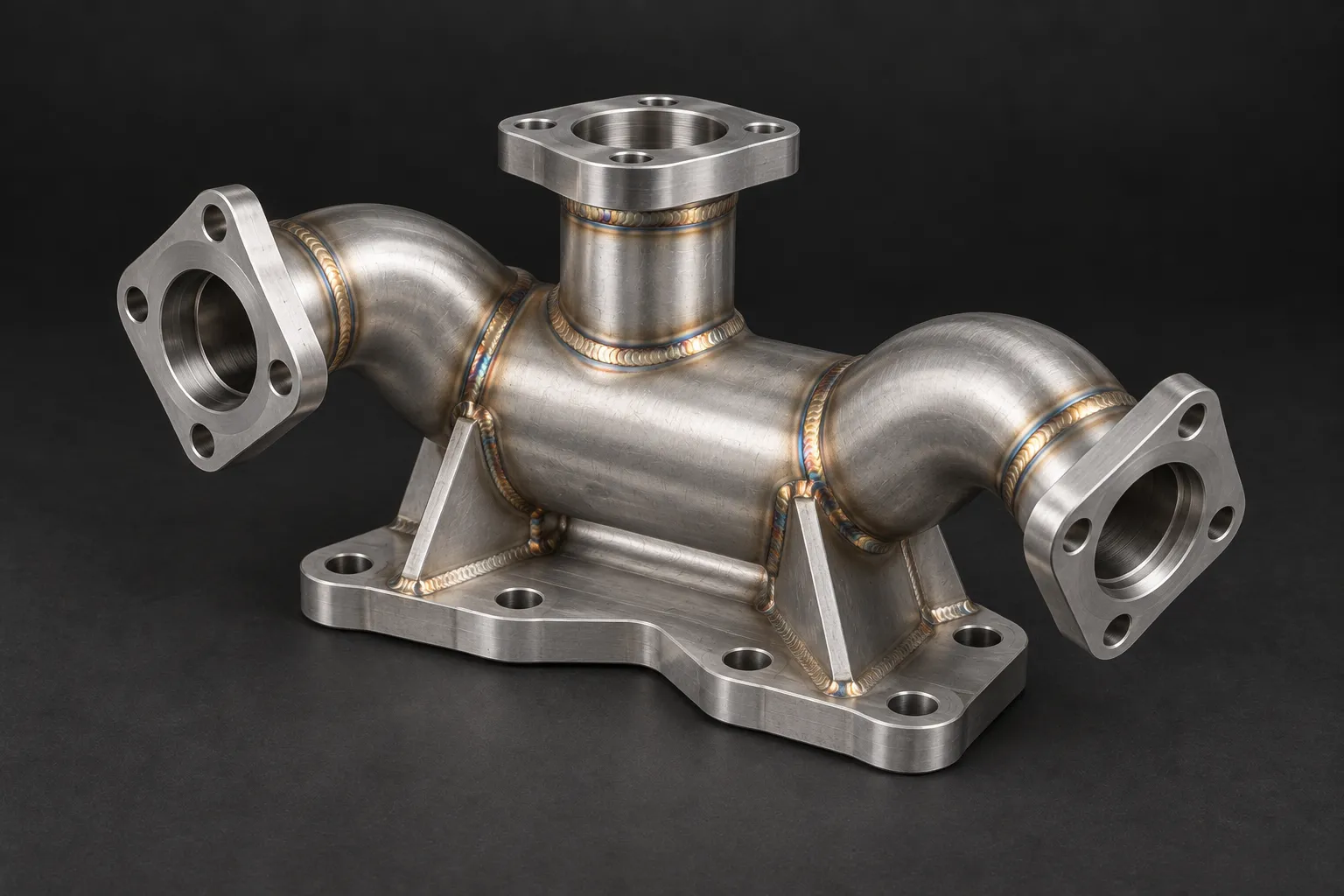
Welded components and fabrications, planned around material, joint access and distortion control.
3D printing builds a part layer by layer from a digital model. It can be useful for checking form and fit, developing tooling aids and producing suitable low-volume components. The result depends on the material, geometry, orientation and printing process, so our team reviews those together. You bring the application and the available model or sample; MV recommends the approach and explains the limits before work begins.
A practical route from a digital model to a component you can review, test and fit.
We assess complex features, channels and lattices for the chosen printing method.
Use a prototype to inform the design before committing to machining, moulding or further printed parts.
Tell us about the application. Our engineers recommend a suitable filament or material and explain the trade-offs.
When there is no drawing, we measure the worn part, build the model and print it as the first physical proof. Where the original was weak, we correct it in the model, so the printed part, and the production run after it, come out better than the original.
Bring us the part with no paperwork. We measure it, build the model and print the first proof, so you hold the part before you spend on tooling.
A print is a cheap physical check on the model. You confirm fit and form in your hand before you commit to a machined or moulded production run.
You do not need to arrive with a filament specification. Tell us about the loads, working temperature, exposure to fluids or chemicals, appearance and the features that need to fit. Our engineers use that information to recommend the material and printing approach, then explain the expected result and any limitations.
If a drawing already specifies a material, include it with the enquiry. We will review the requirement rather than assume that any printed polymer will behave the same way.
Our team recommends the filament or material
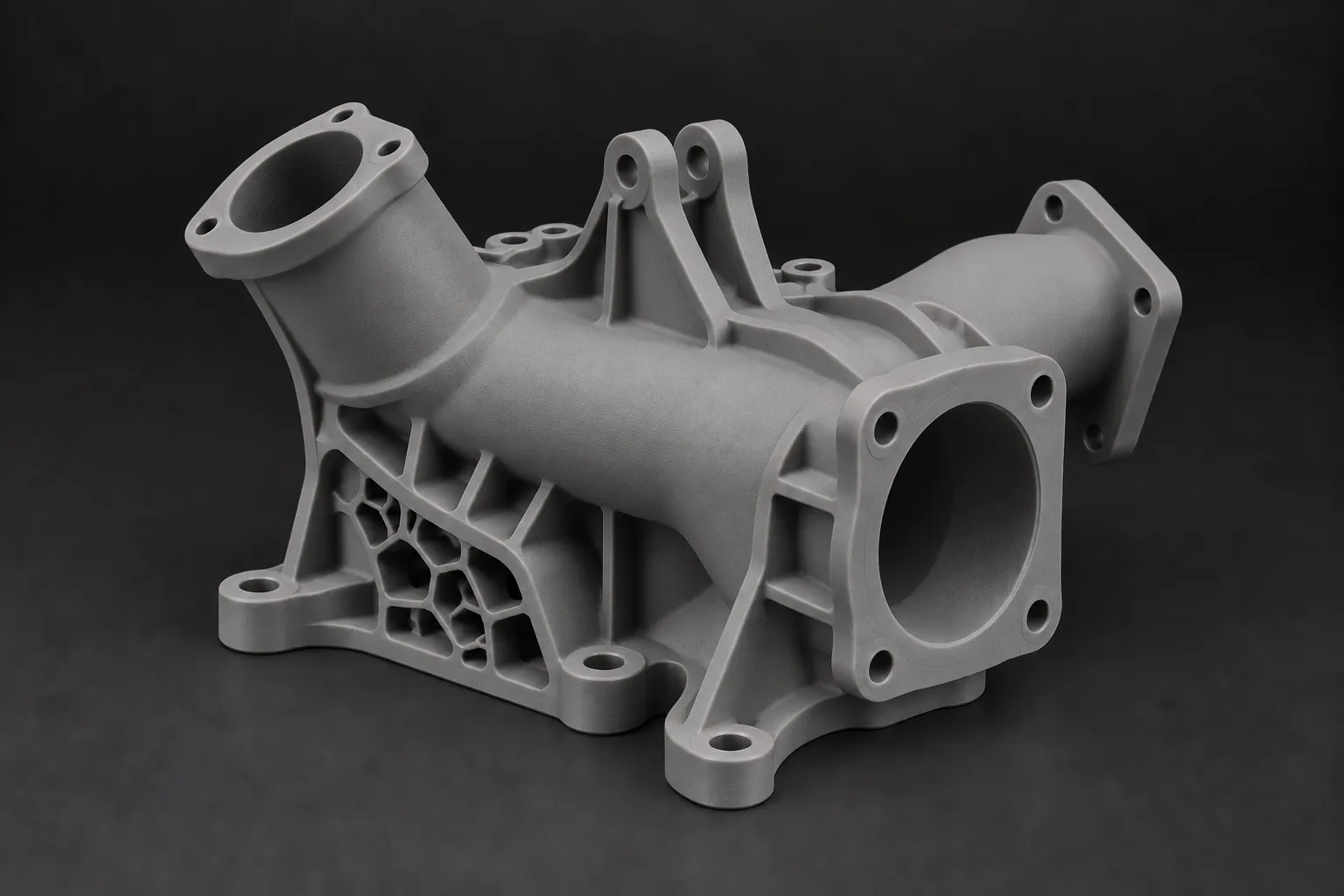
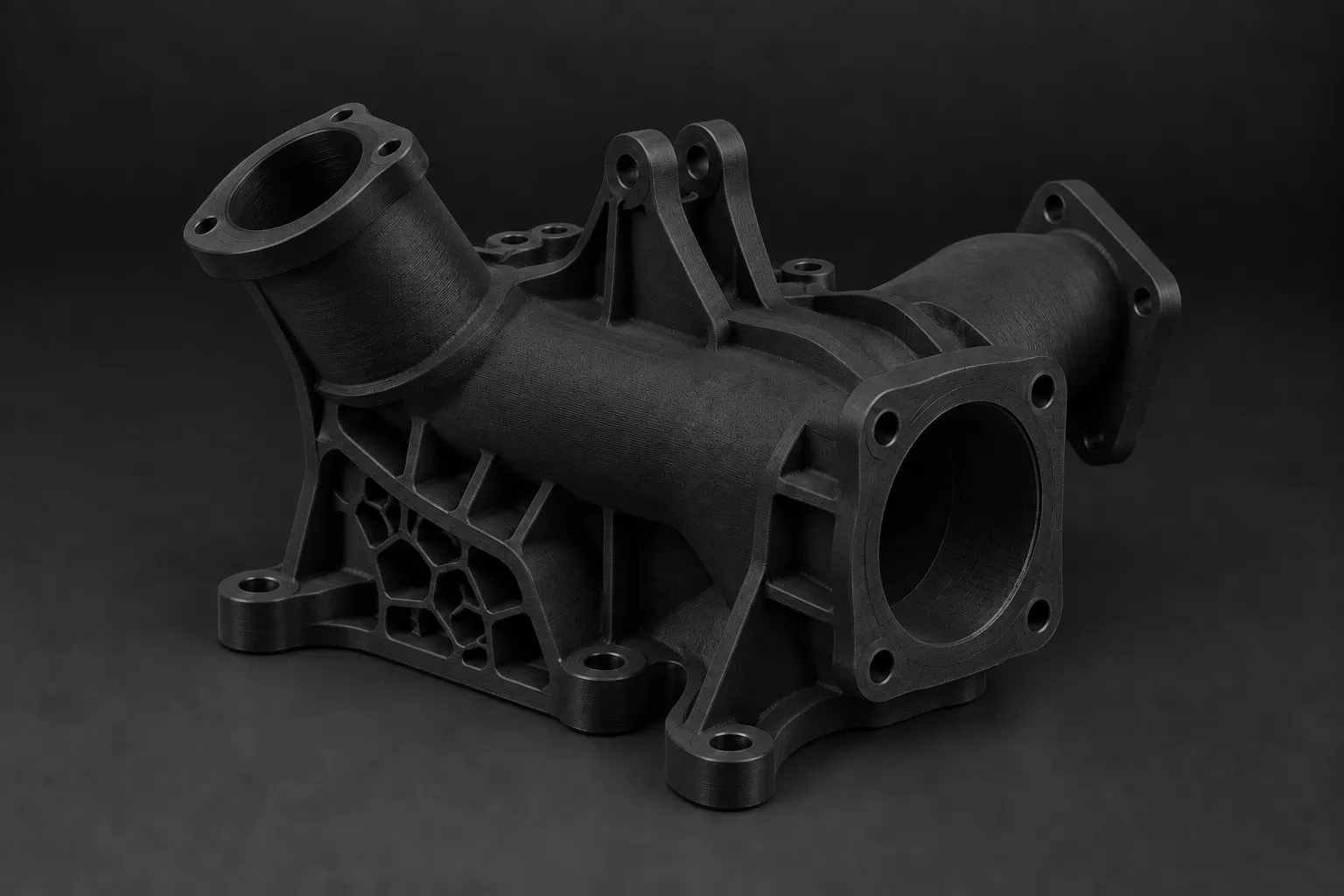
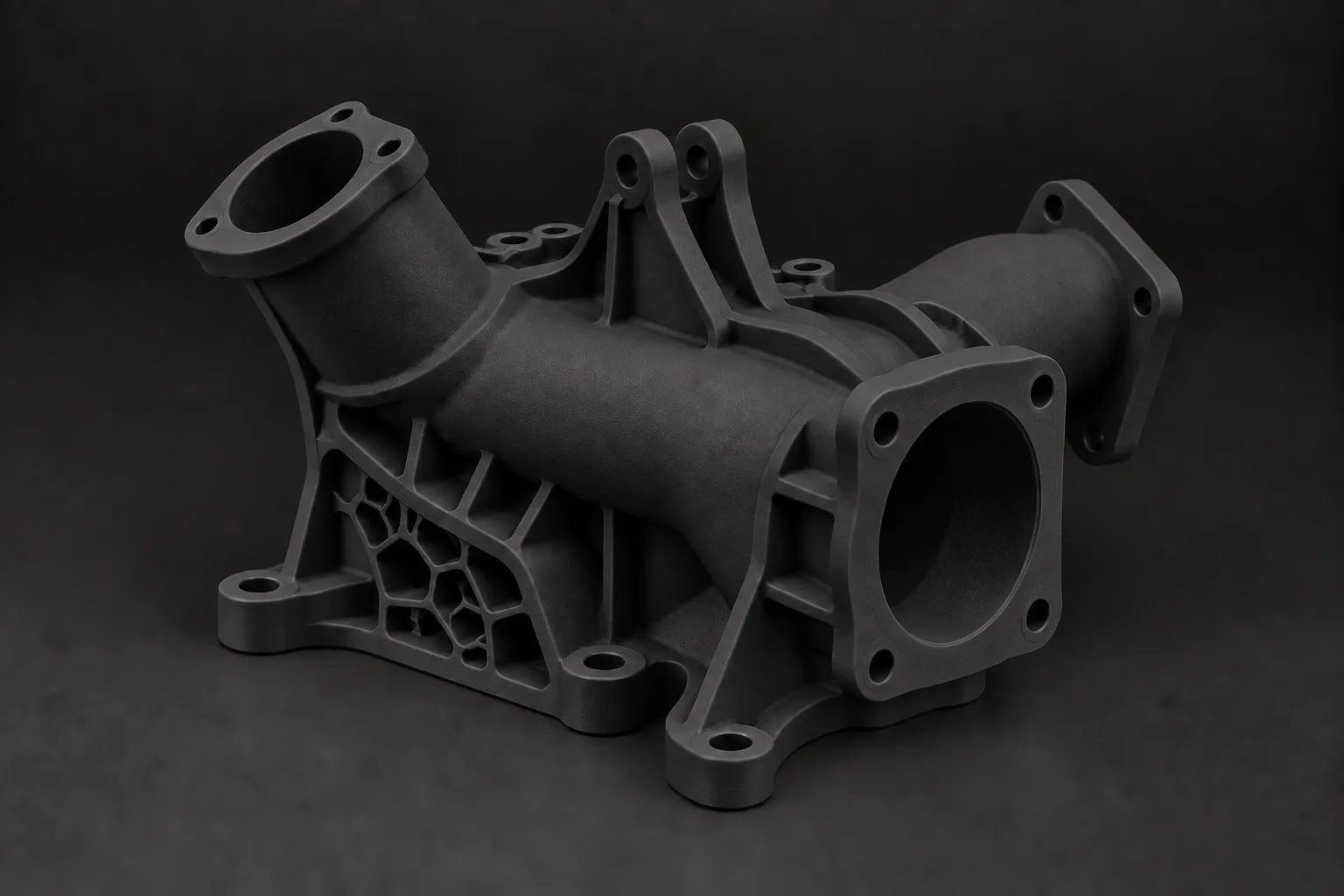
The finish depends on the selected material, printing process and intended use. Our team will recommend what is appropriate and explain how post-processing could affect appearance, dimensions or important features. The examples below illustrate finish categories; the available options are confirmed for your job.
The surface retains the texture of the chosen printing process. Our engineers explain what to expect before you commit.
Where appropriate to the material and process, polishing can reduce surface texture. We review its effect on edges and critical features.
Colour treatment may be suitable for the selected material. We confirm the achievable colour and surface result for the job.
Smoothing and colour treatment can be considered together where the material and geometry permit. The team confirms suitability before printing.
Our engineers take responsibility for recommending the printing route, from material selection through orientation and finishing. You explain the job, and we turn that into a practical proposal. If a machined or moulded part is a better fit for the requirements, we explain why and recommend the appropriate service.

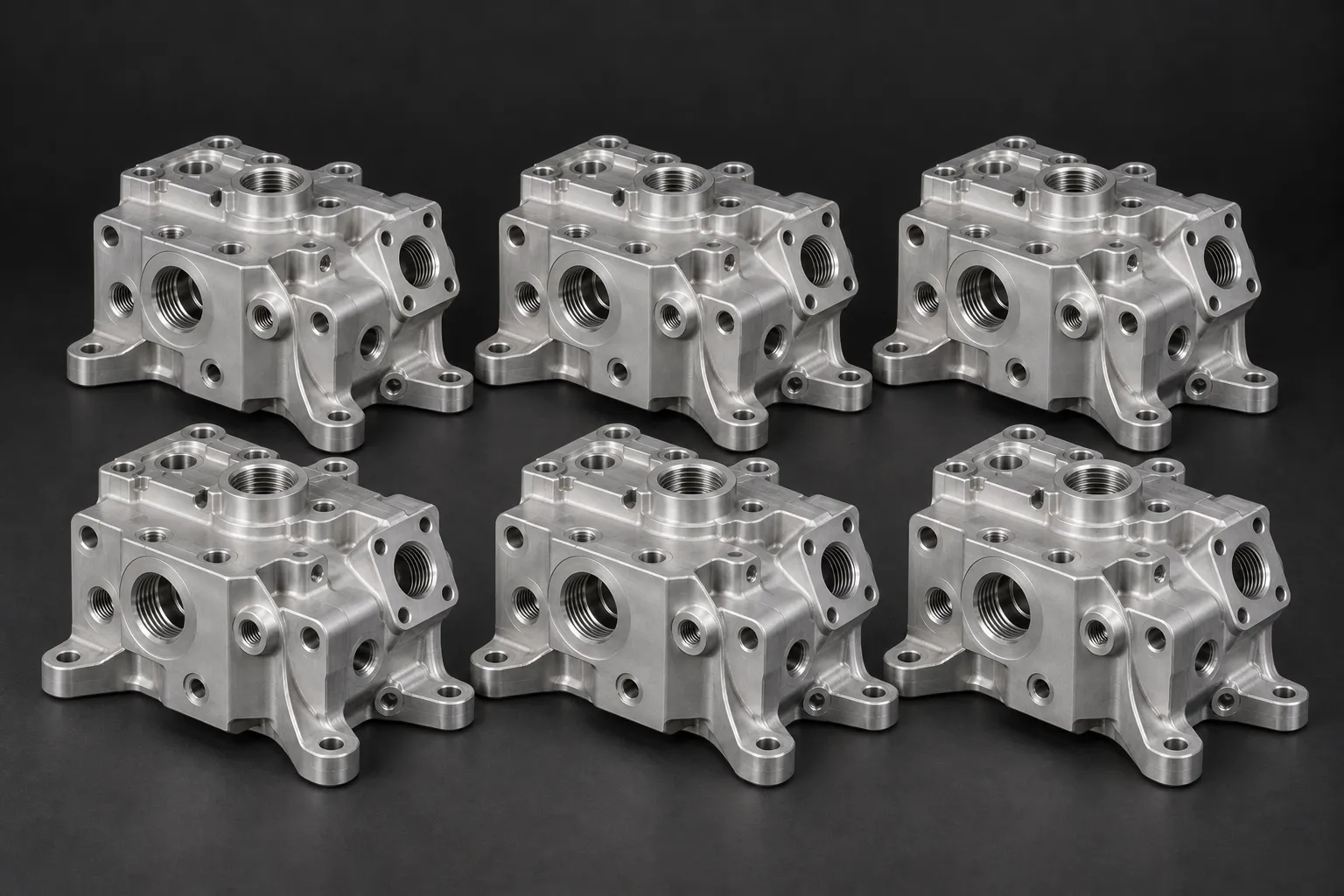
Over 100,000 parts delivered, on time or early every time, an average of 1.5 days ahead. Prototypes and low-volume parts, delivered when we said.

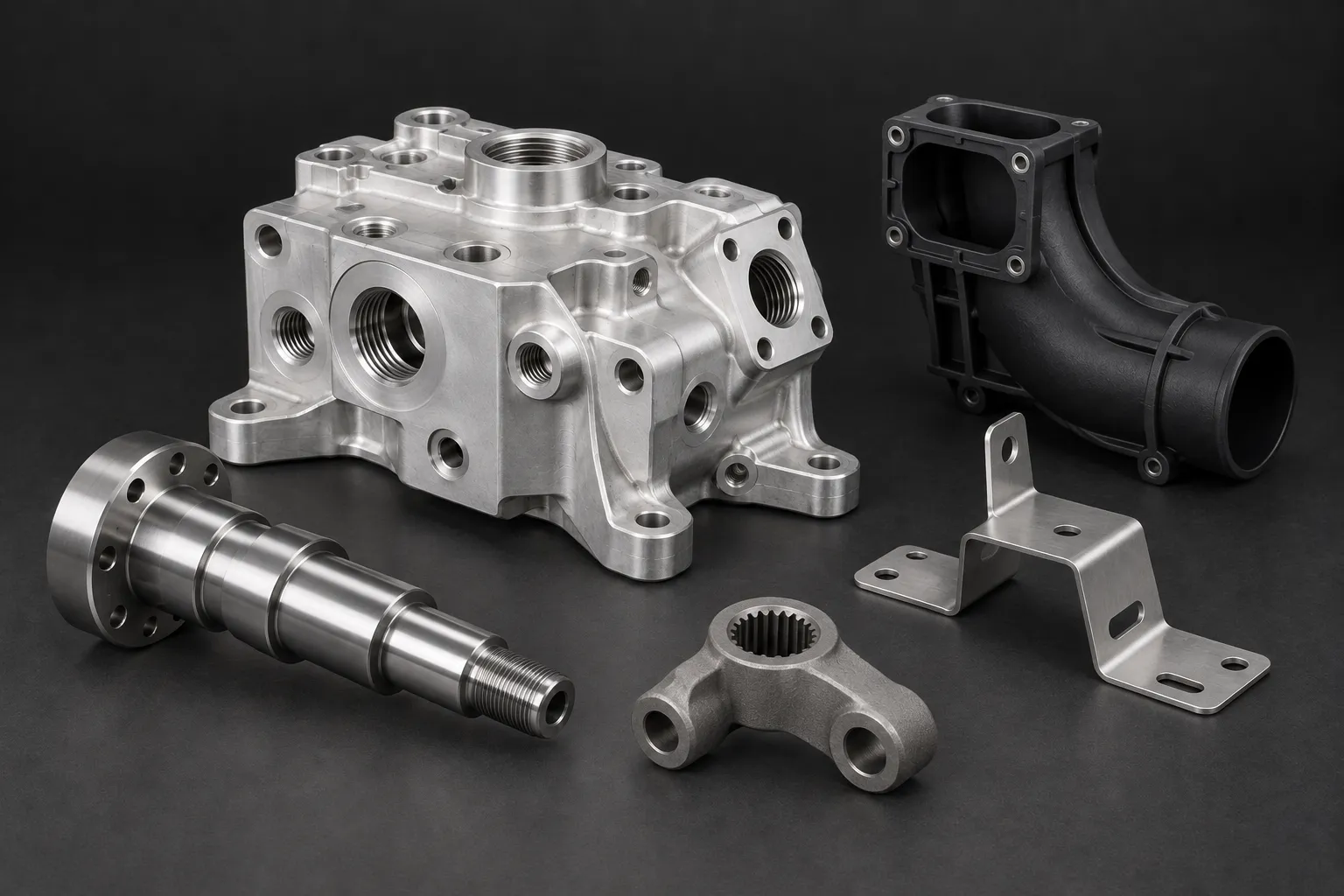
Miguel's background at Cosworth, Perkins and Caterpillar helped shape MV. Our team treats each printed part as an engineering decision, with the application and the required result in view.
A print is rarely the end of the job. We move the same model on to machining or moulding when volumes justify the tooling, so you scale without starting again.
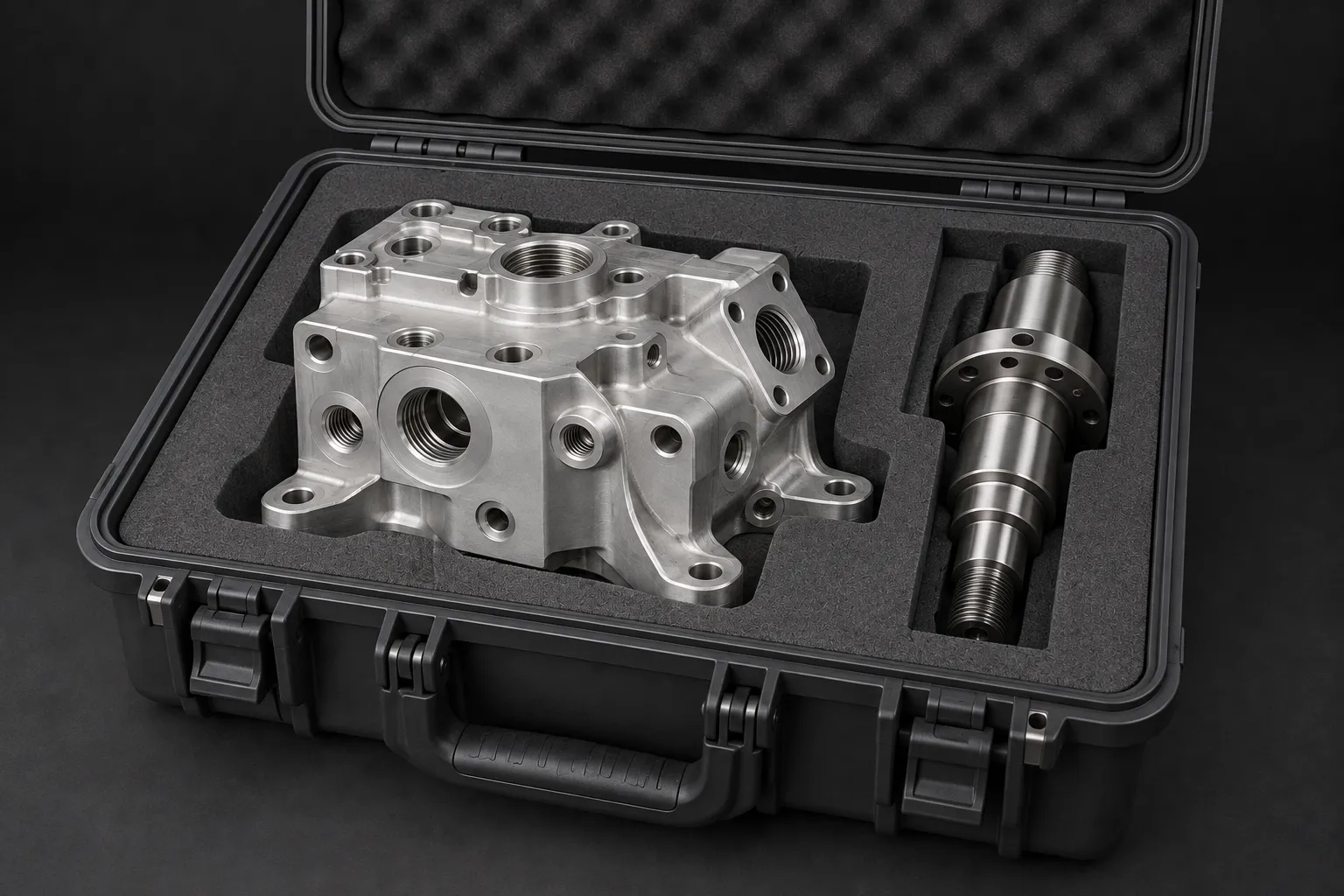
We print prototypes, jigs, fixtures and low-volume parts for food machinery and oil and gas, where a part has to be proven before it goes near a production budget.
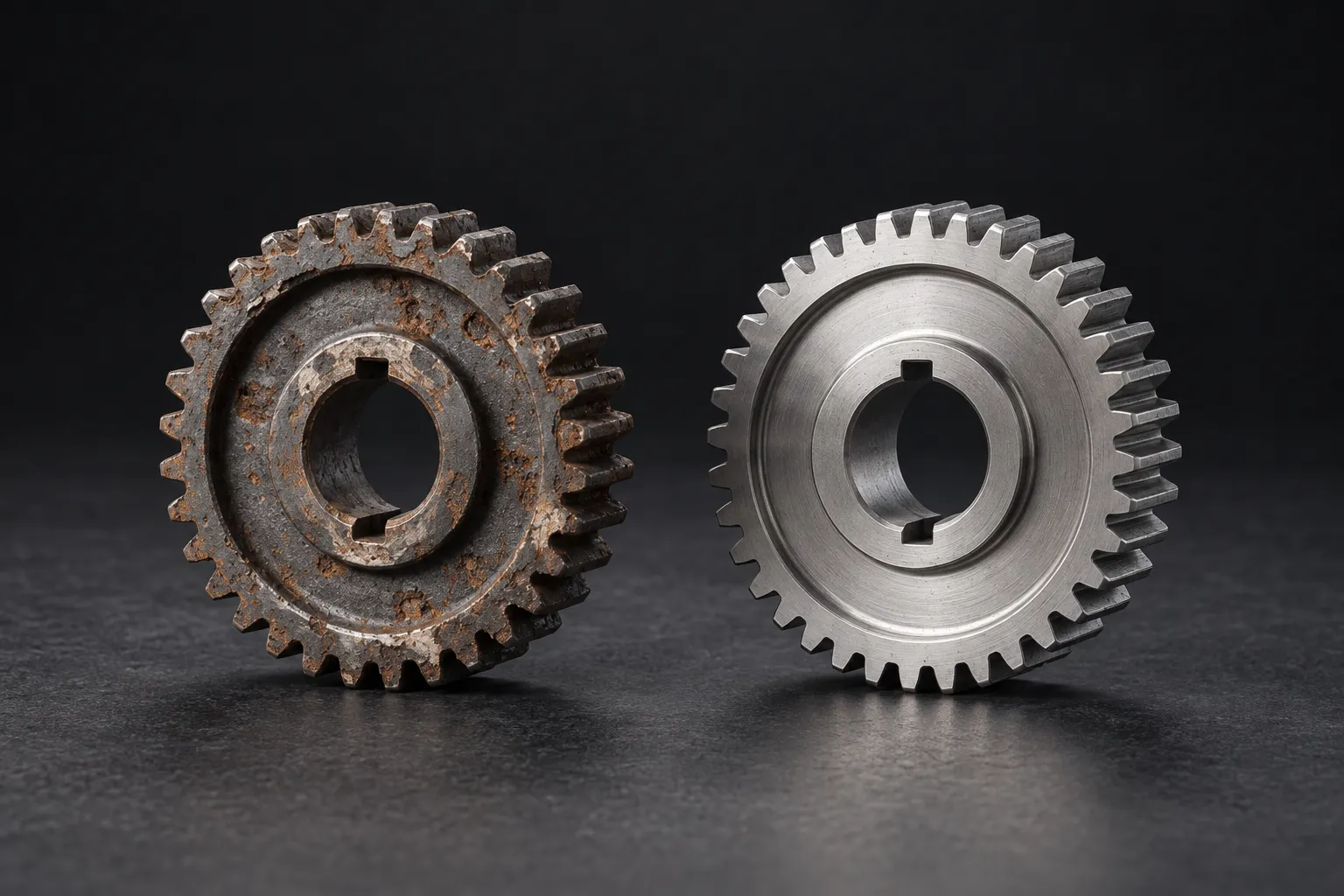
A worn part with no drawing is a starting point, not a dead end. We model it, print the proof and, where the original was weak, make the replacement better than the original.
The 3D printing process from the model in your file to the part in your hand. Four steps, one shop, an engineer on your job from the first call to delivery.
A CAD model, an STL, or a physical sample we reverse engineer when there is no drawing. We measure the part and build the model to print from.

Our engineers review the application, recommend the material and printing approach, and provide an engineer-made quote within 24 hours. If another manufacturing route suits the job better, we explain the recommendation.
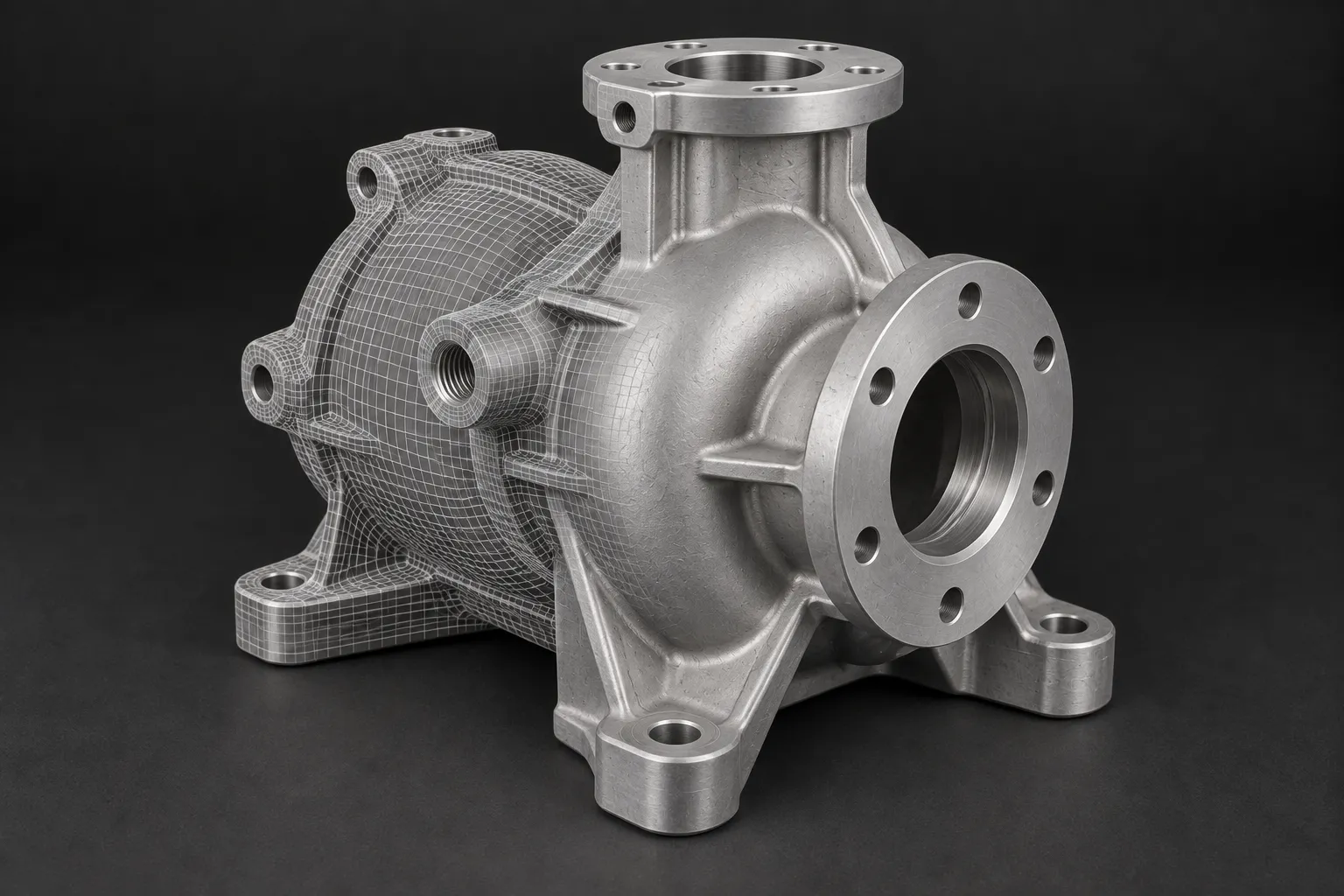
The team agrees the material, orientation and post-processing around the application, then prints and checks the part against the agreed requirements.
The finished printed part delivered on time or early, an average of 1.5 days ahead, ready to test, fit and take on to production on the same model.
3D printing FAQs

Yes. We measure or scan the worn part, build the model and print it, and the print is often the first physical proof of that model before any production run. This is where reverse engineering and additive manufacturing meet: an obsolete part with no paperwork becomes a part you can hold and test within days. Where the original design was weak, we correct it in the model before printing, so the proof, and the production part after it, come out better than the original. Industrial 3D printing is the fastest way to turn a sample into something you can check in your hand. Send us the part and we will build the model.
Both, within limits. Additive manufacturing suits prototypes, fit and function checks, jigs and fixtures, and low-volume parts where the cost of a mould is not justified. For higher volumes we will point you to injection moulding or machining and explain why, because past a certain quantity those processes are cheaper per part and hold tighter tolerances. The strength of 3D printing for engineering prototypes is speed and freedom of geometry: you prove the part cheaply, then scale it. We run additive manufacturing alongside CNC, so the same model moves from printed proof to machined or moulded production without starting again. Tell us the volume and we will advise the route.
The achievable tolerance and surface finish depend on the printing process, material, size and geometry. We review the important fits before quoting and agree what the printed part needs to demonstrate. Tight sliding fits, sealing surfaces and other critical features may need additional work or a different manufacturing route. Our engineers explain those limits so the prototype or finished part is used appropriately.
We provide an engineer-made quote within 24 hours. Send your CAD file or sample details, quantity, required date and a description of what the part needs to do. Our team recommends the material and approach, identifies any missing information and confirms what is included in the quote.
No. Bring us the application and our engineers will recommend it. Useful information includes loads, working temperature, chemical exposure, impact, appearance and the interfaces that need to fit. We explain the options and confirm the proposed material and process with you before work begins. If printing is unsuitable, we recommend a machining or moulding route instead.
Yes. A printed prototype and a production part can share the same model, which is the whole point of proving the part in print first. Once you have confirmed fit and form in your hand, we move that model on to injection moulding for volume polymer parts, or to machining where the part is better cut than printed. Because we run additive manufacturing alongside CNC and moulding, nothing is lost in handover between suppliers, and the part you proved is the part you scale. One of our first orders was four frame units, which shows the work is sized to what you need. Send us the model or the sample and we will map the route from proof to production.
Tell us about temperature, loads, chemicals, outdoor exposure and how the part connects to other components. Our engineers use that brief to recommend the material and printing approach. A material name alone does not establish whether the finished print will perform reliably in the application.
Yes. Layer direction, support requirements and the position of critical features can affect both performance and finish. We plan orientation around what the part needs to do. Functional testing may be appropriate where a prototype will be used under load or in demanding conditions.
Mounting features and inserts can be considered during the design review. Their suitability depends on the material, wall thickness, loads and assembly method. Send details of the fasteners and adjoining parts so we can recommend an approach rather than adding features without checking how they will work.
A prototype can help assess overall shape, assembly access and selected interfaces. It may not reproduce the strength, finish or dimensional behaviour of the final production process. We agree the purpose of the prototype first so that its results support the next manufacturing decision.