These are the questions we hear most from procurement leads and design engineers, grouped by what they are usually trying to work out: can we really make their part, what we can make it from, what it is like to work with us, and how quotes and delivery run. If your question is not here, talk to an engineer and we will answer it straight.
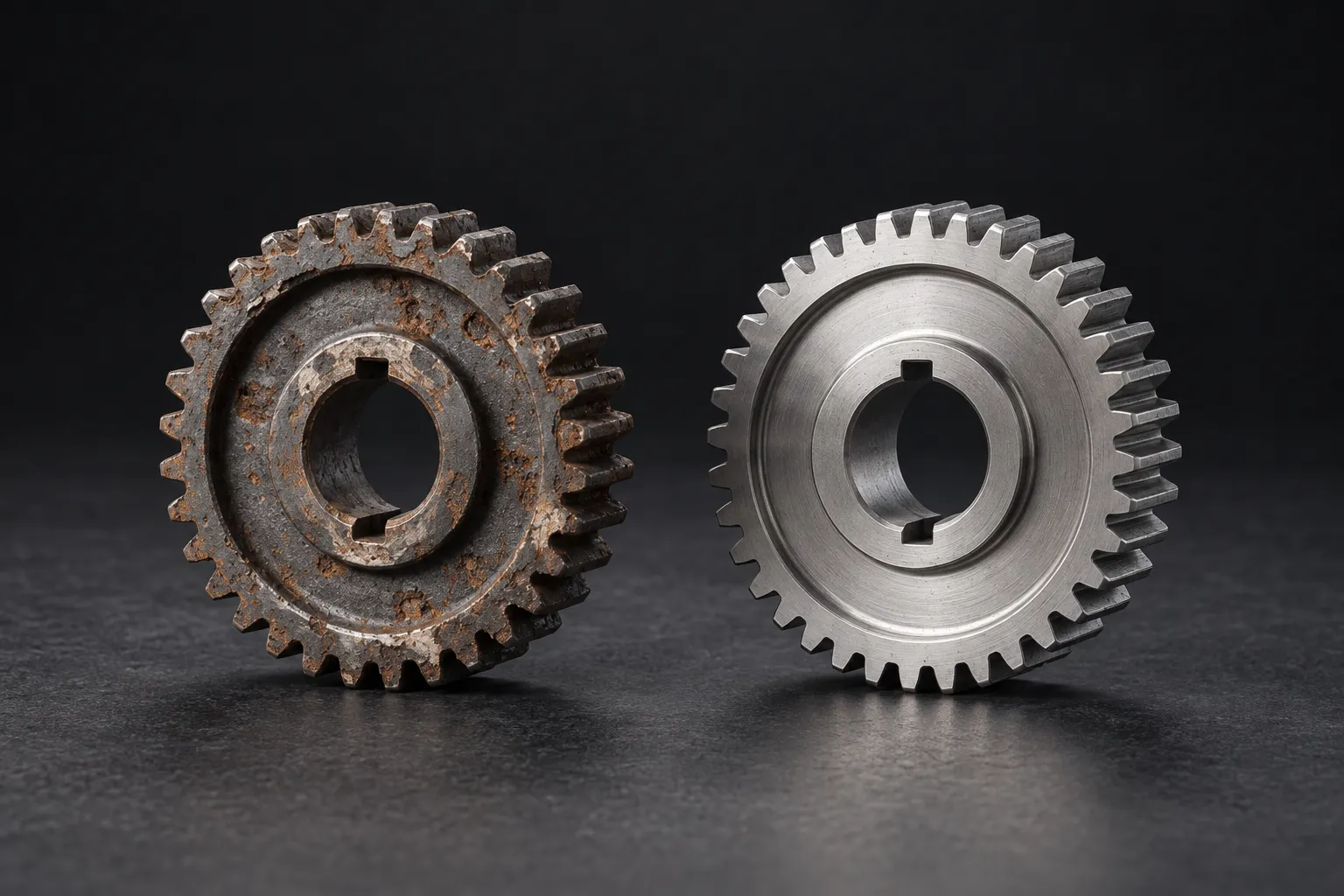
Start with a worn, failed or discontinued part. We reconstruct the design and agree improvements before manufacture.
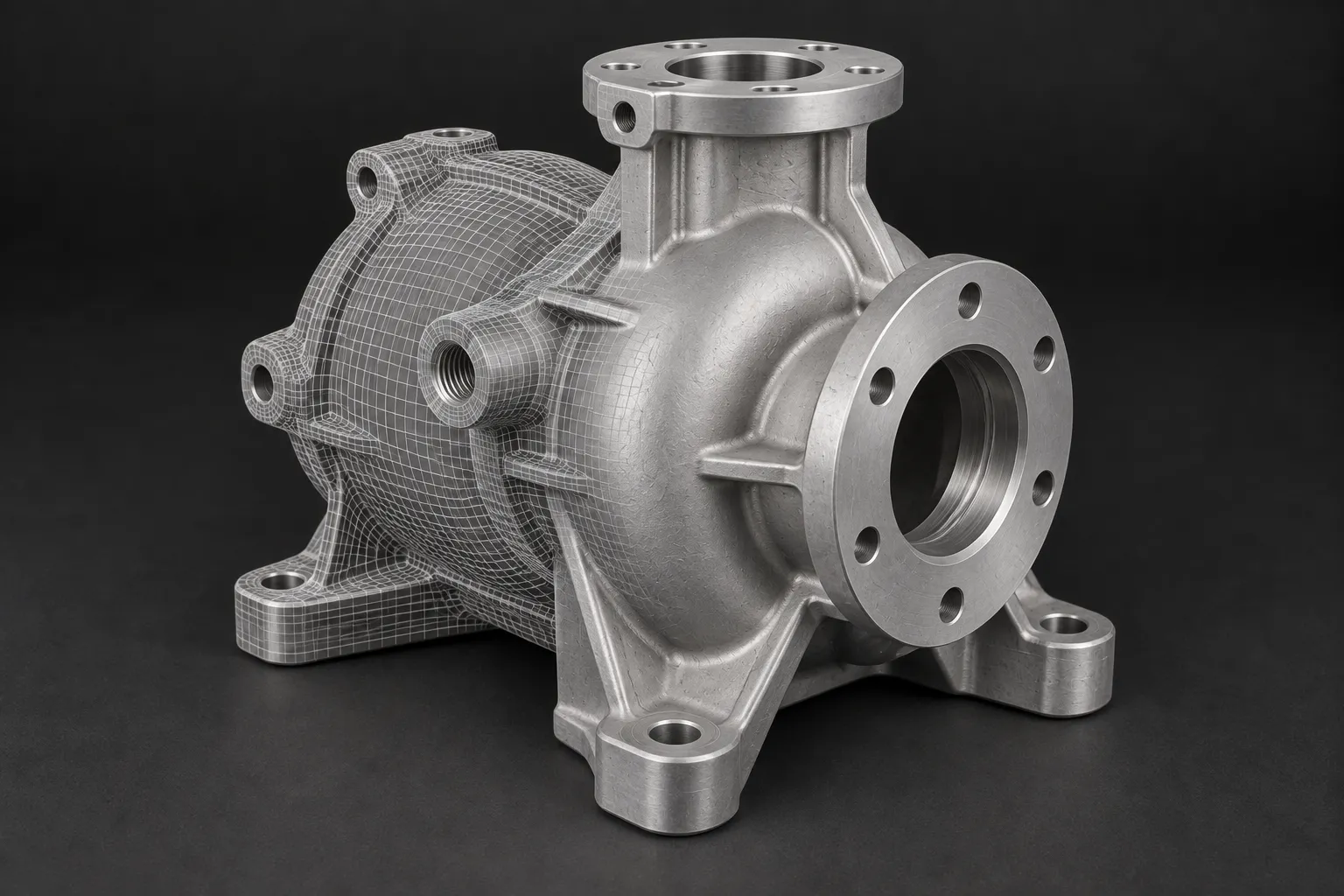
Digital surface capture to support CAD reconstruction and the wider reverse engineering job.
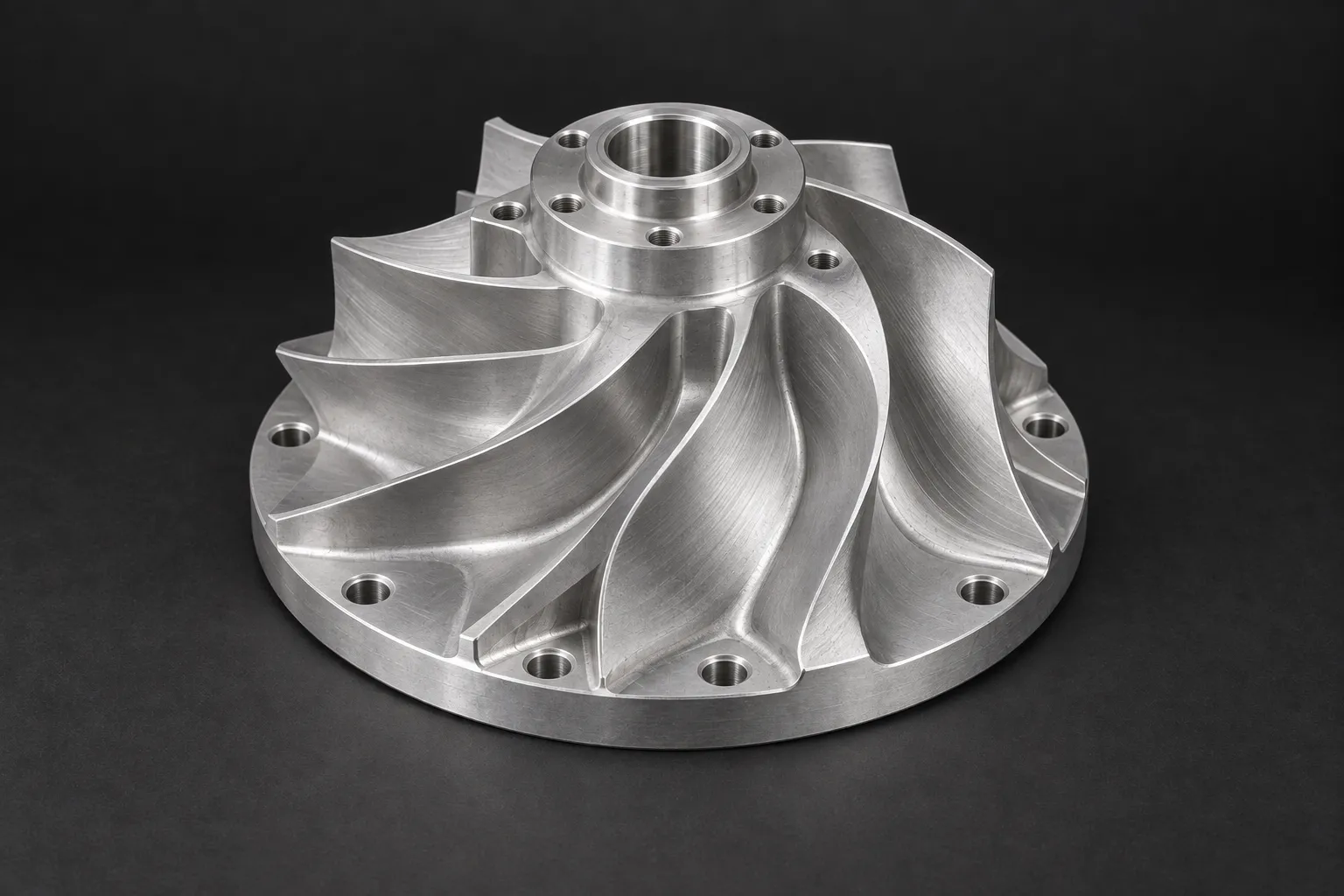
Machine angled features and complex surfaces, with the set-up planned around the critical relationships.
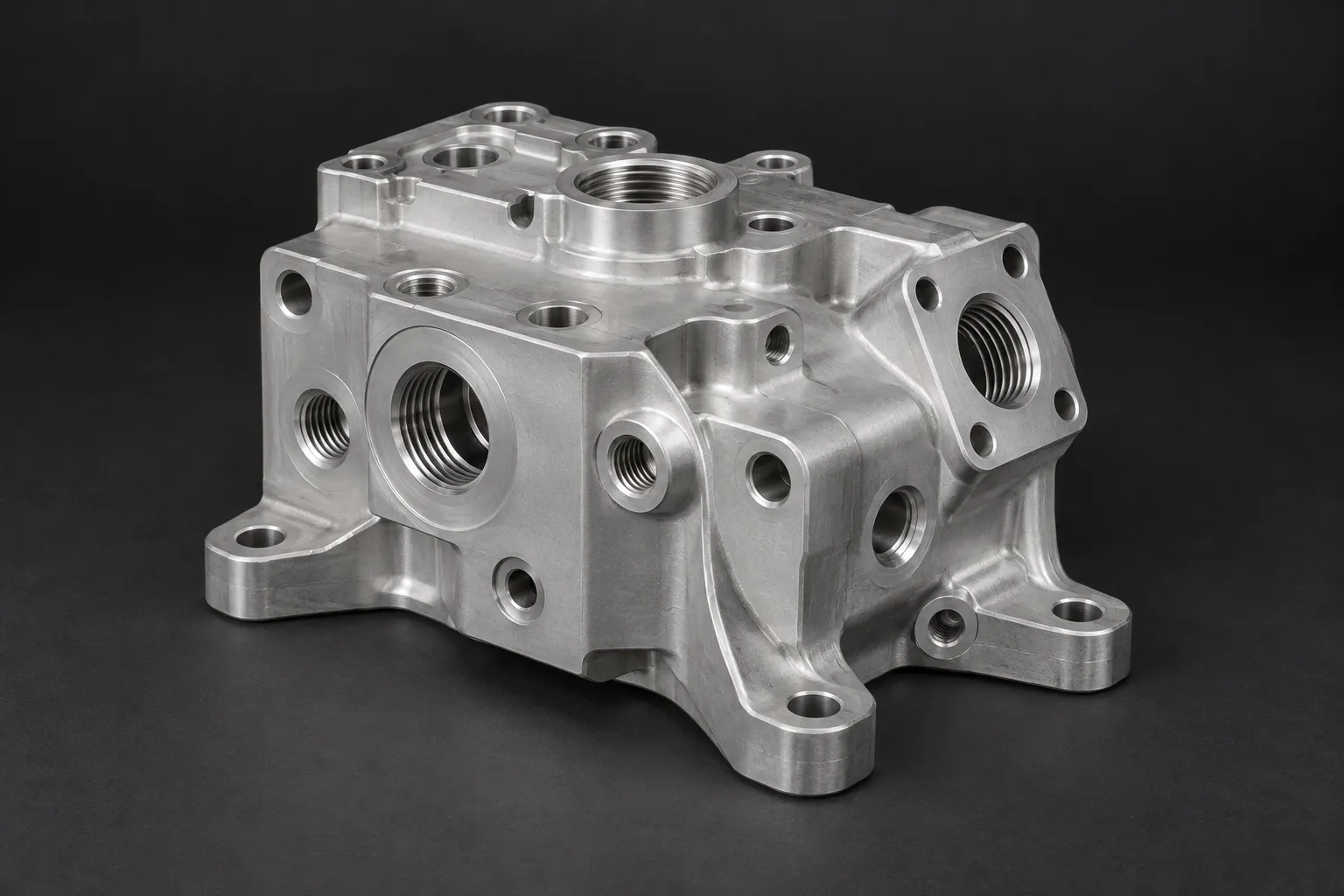
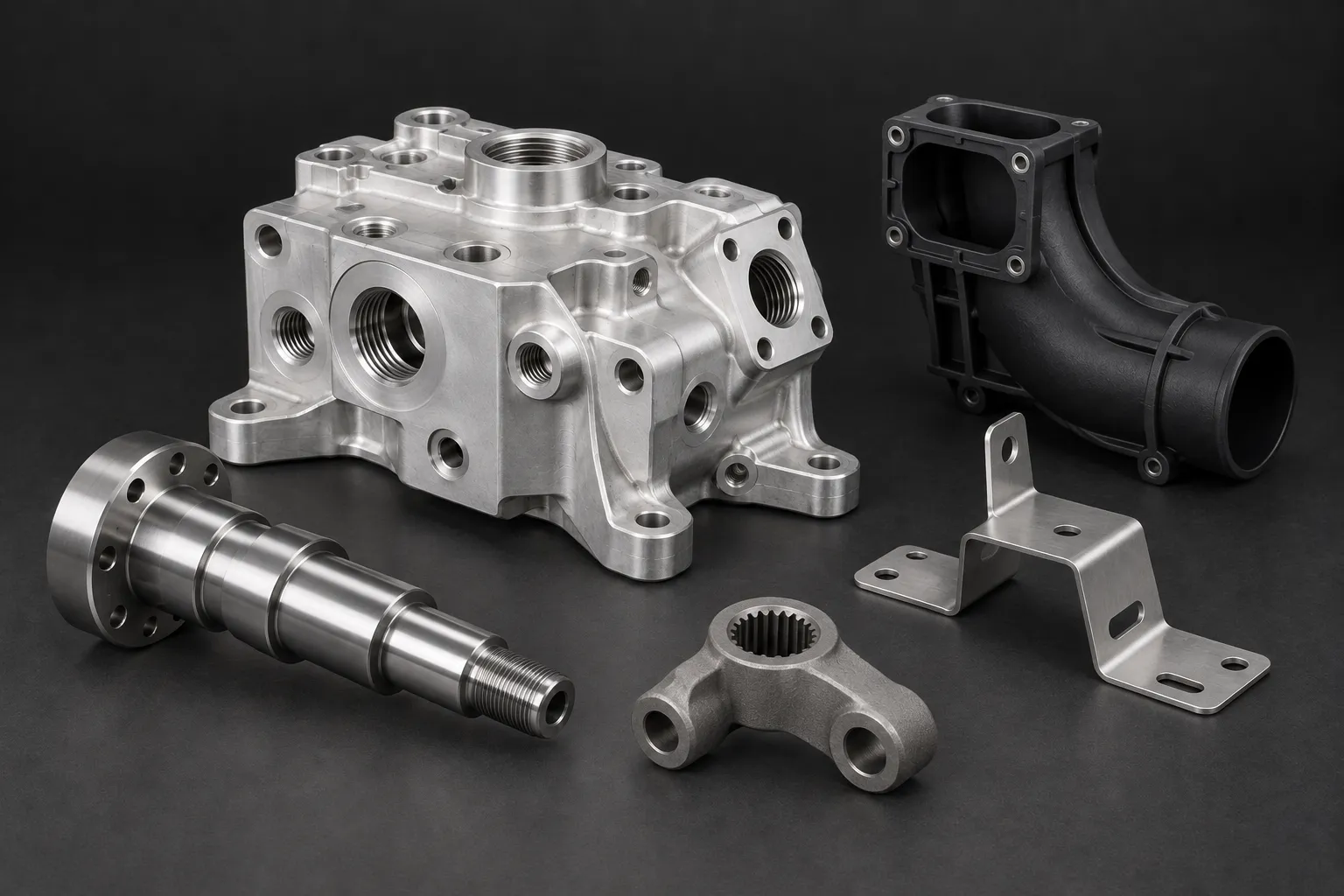
Milled housings, brackets and precision components in metals and engineering plastics.
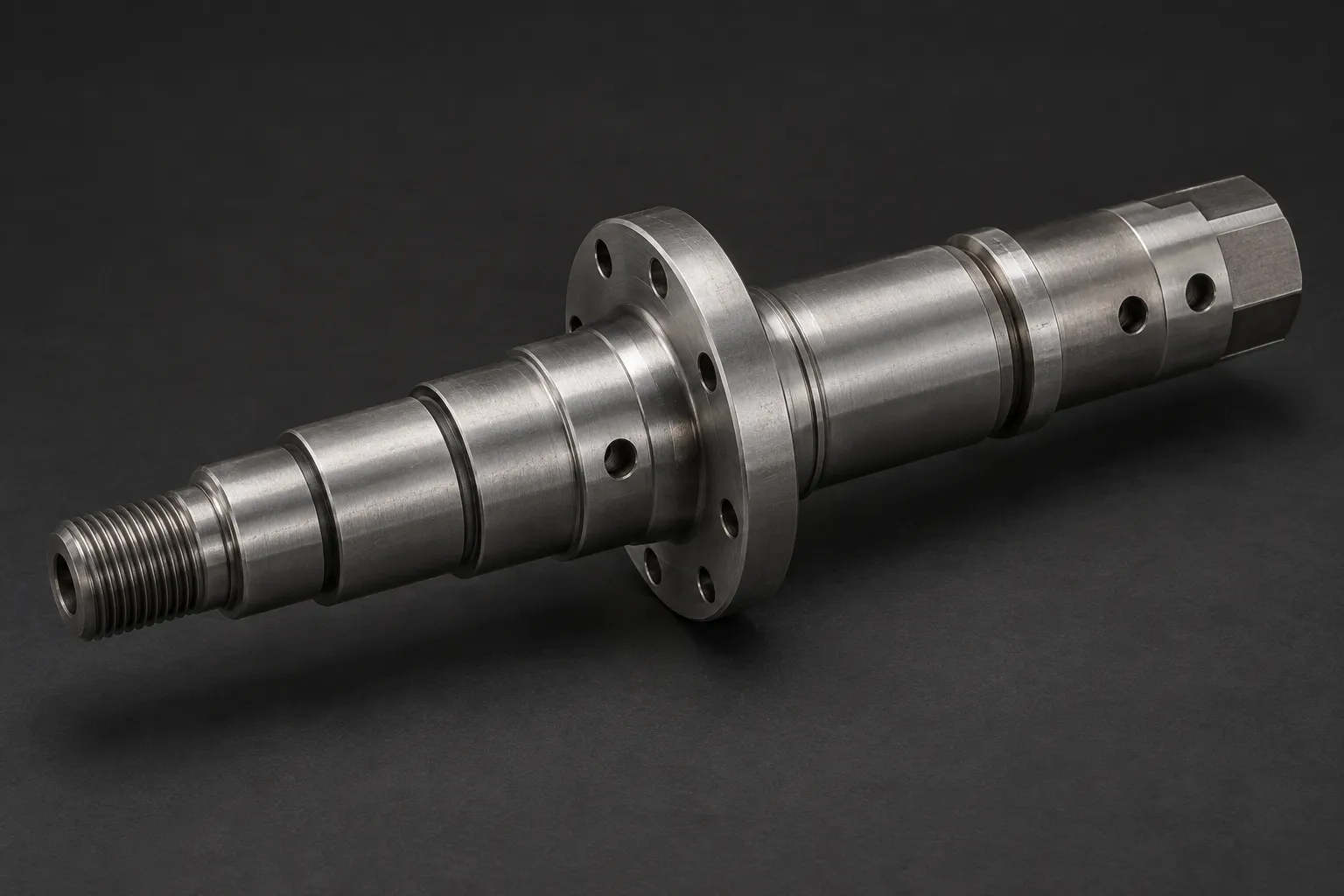
Stepped shafts, threaded fittings and housings, made to drawing or reverse engineered from a sample.
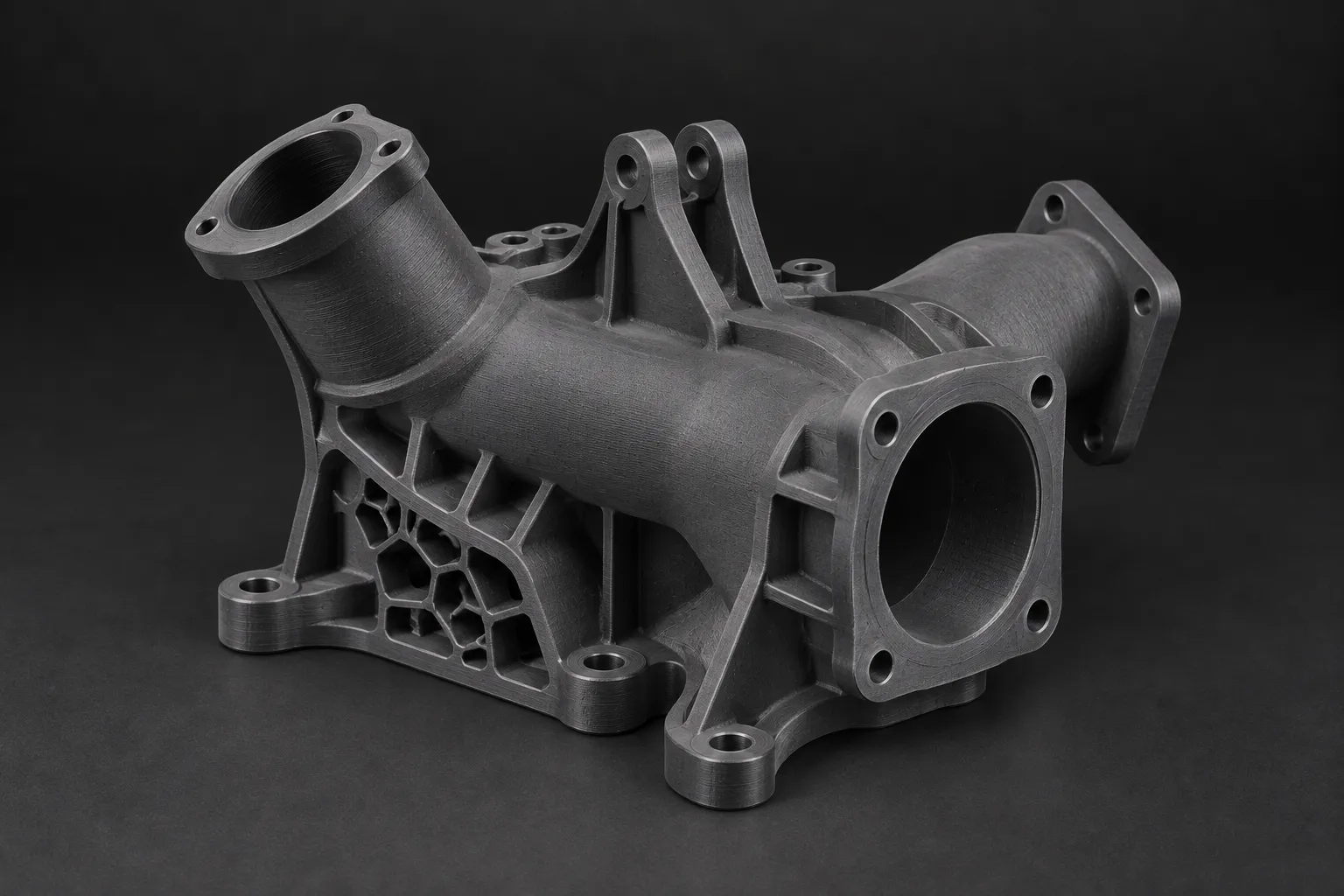
Bring us the application. Our engineers recommend the material and approach for your prototype or part.
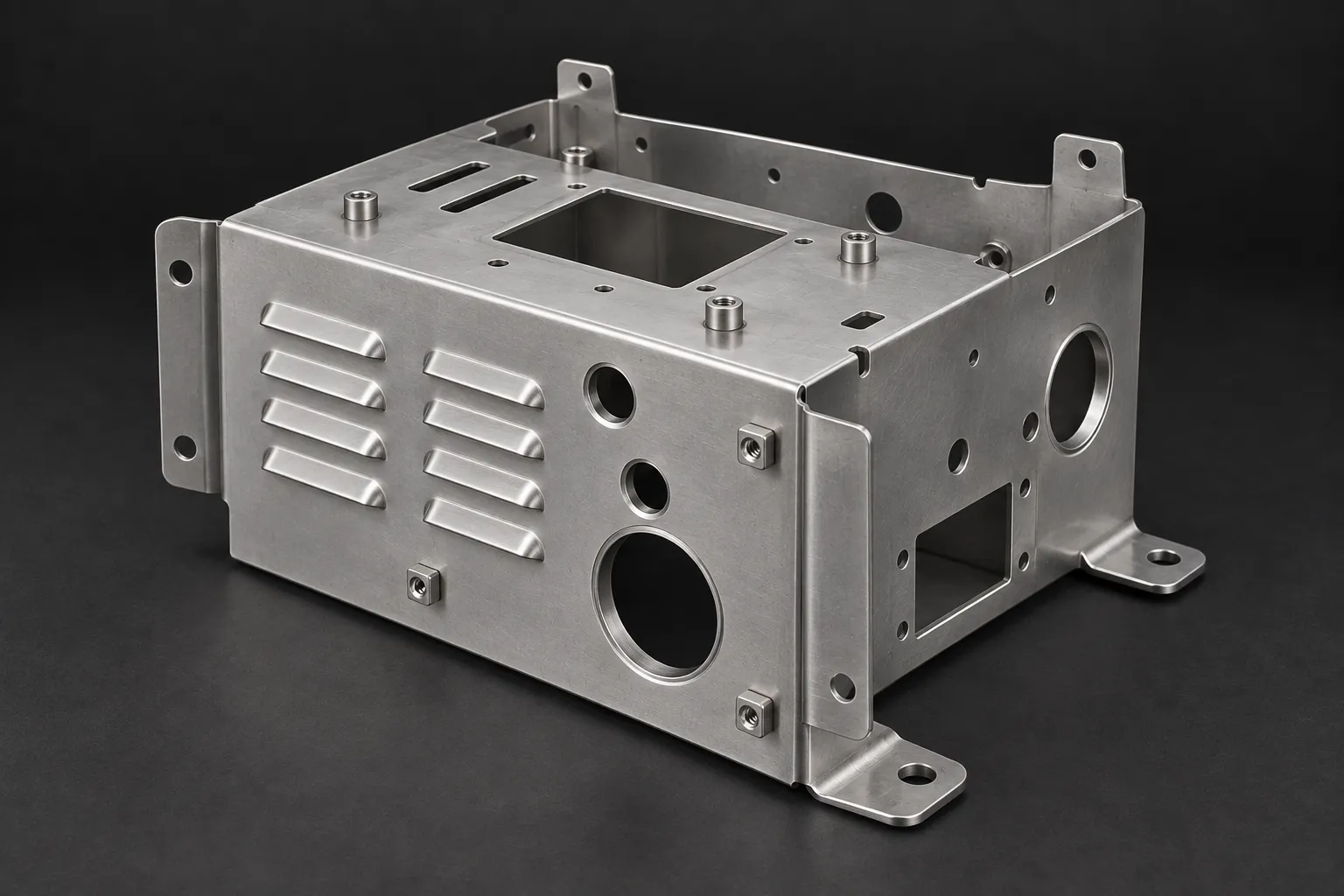
Brackets, panels and enclosures, developed around the bends, interfaces and finished assembly.
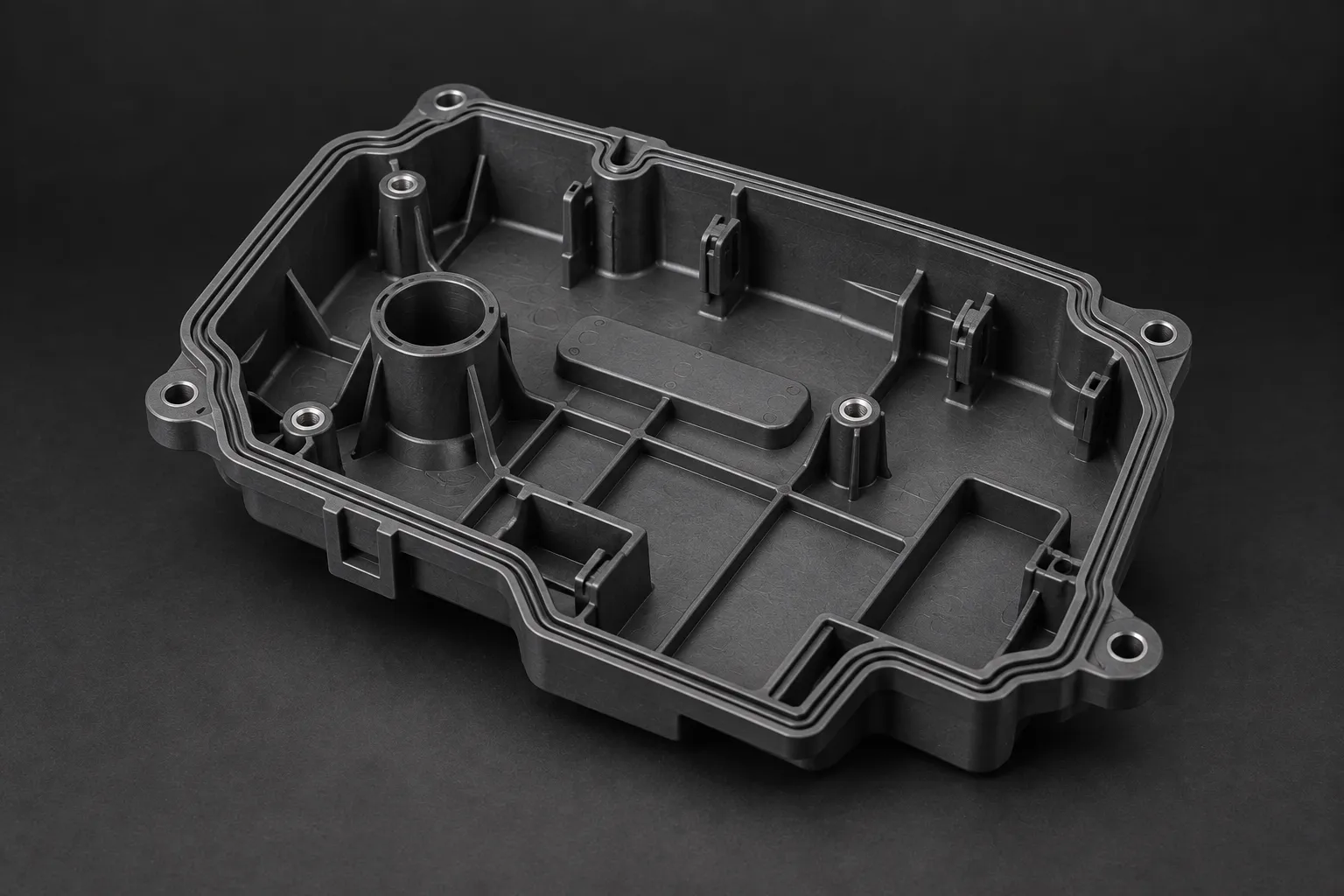
Moulded plastic components, with material, tool design and production requirements considered together.
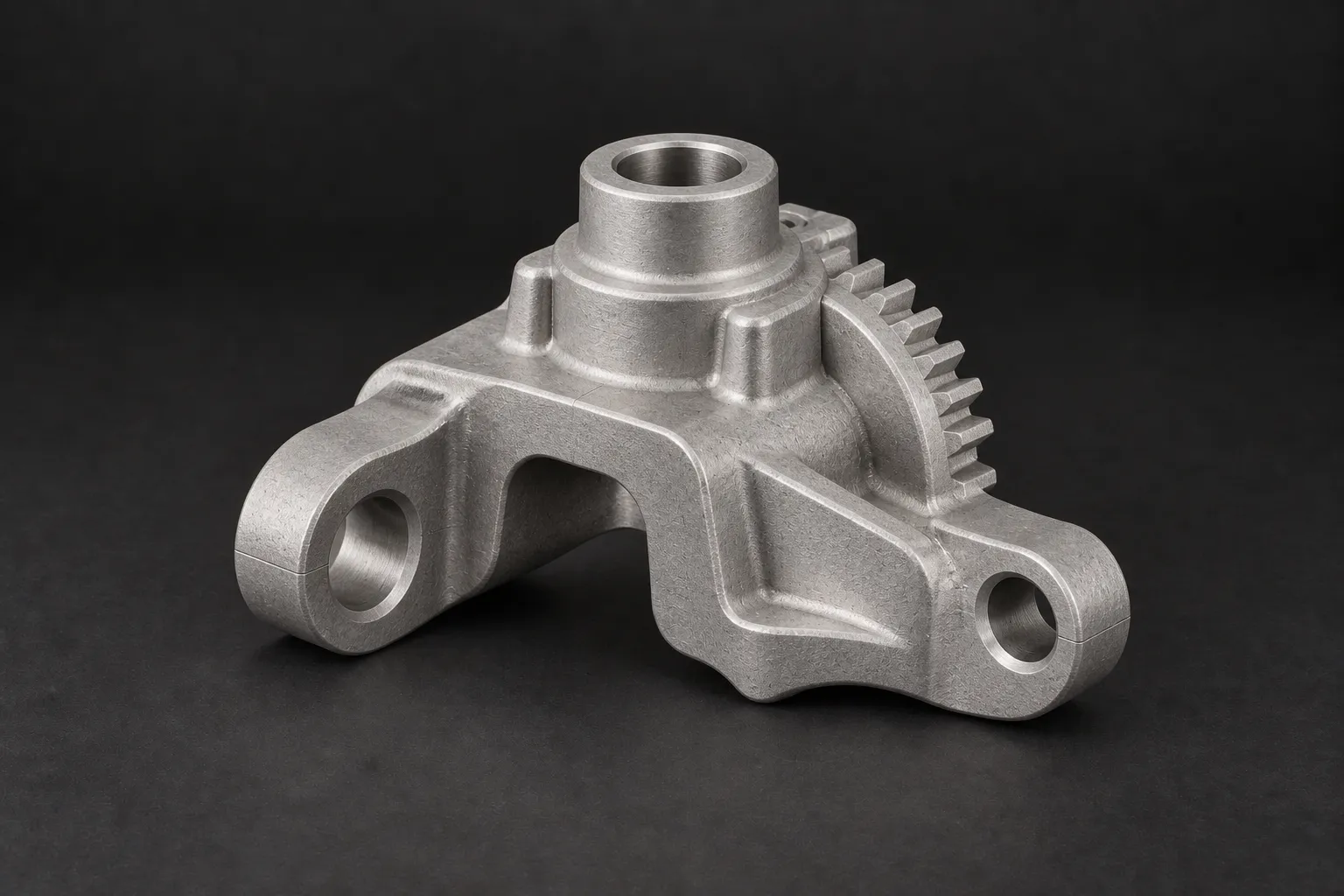
Small, complex metal components where geometry and quantity suit moulding and sintering.
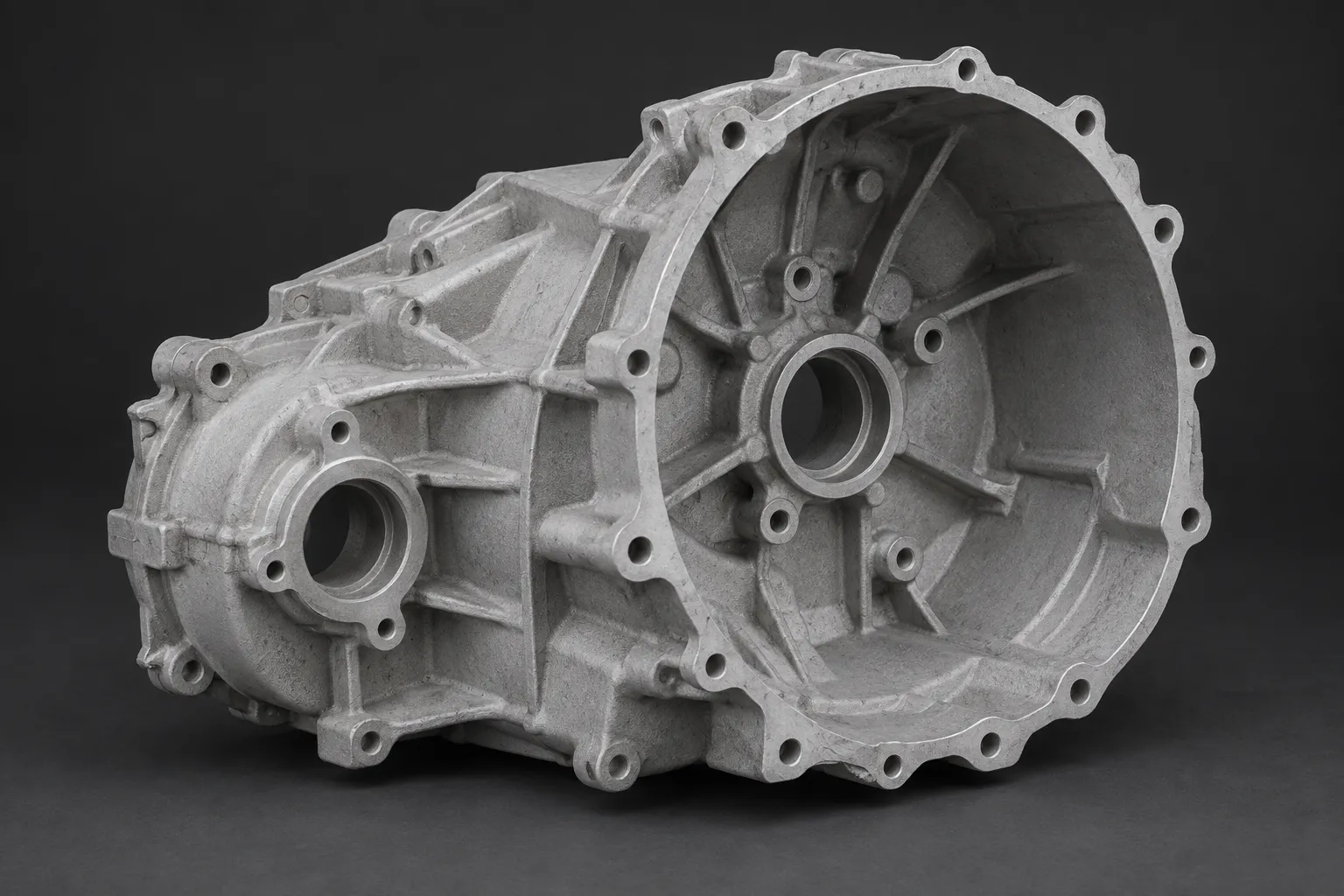
Aluminium housings and components, with casting geometry and any secondary machining planned together.
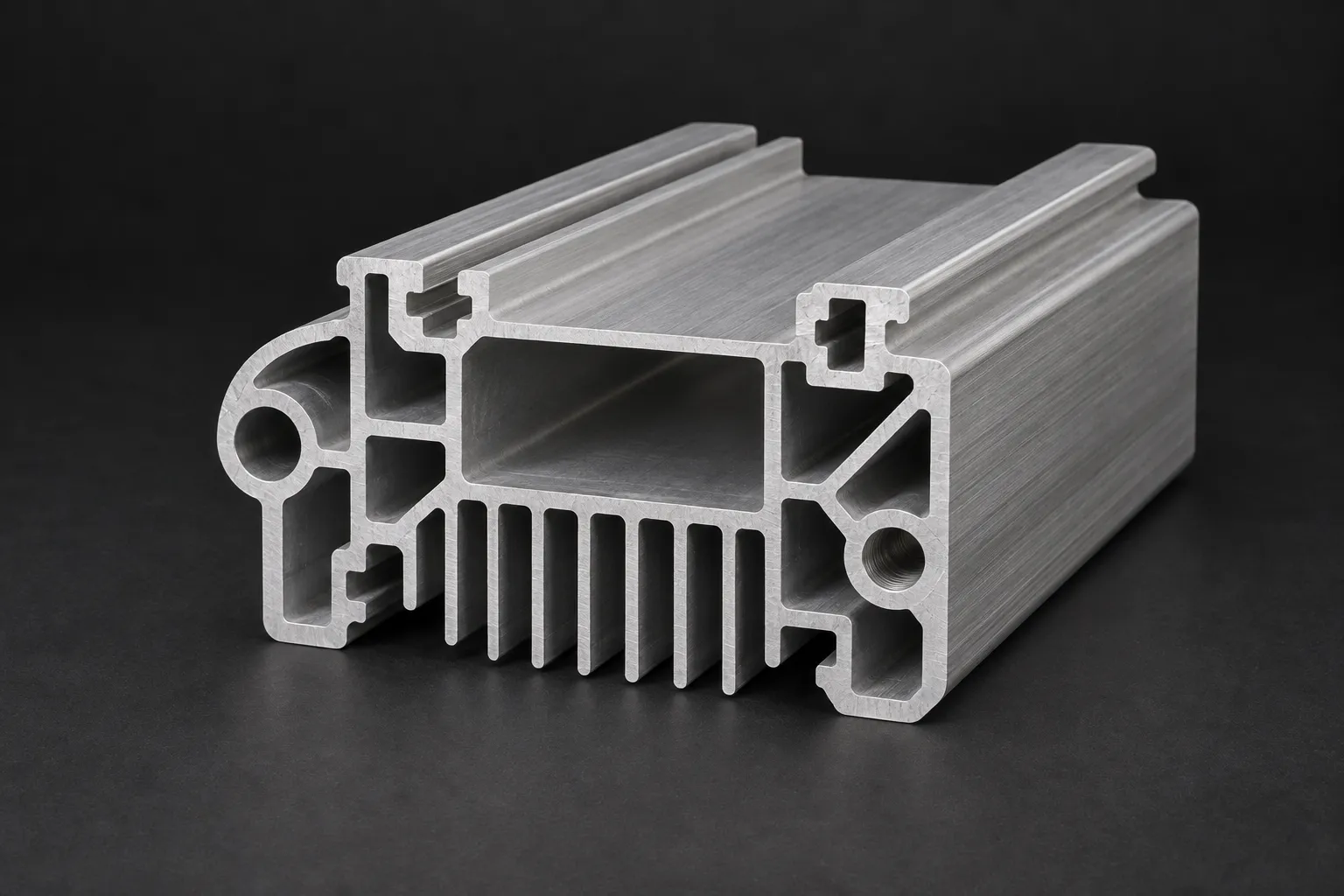
Custom sections developed for the application, then cut, machined and finished as required.
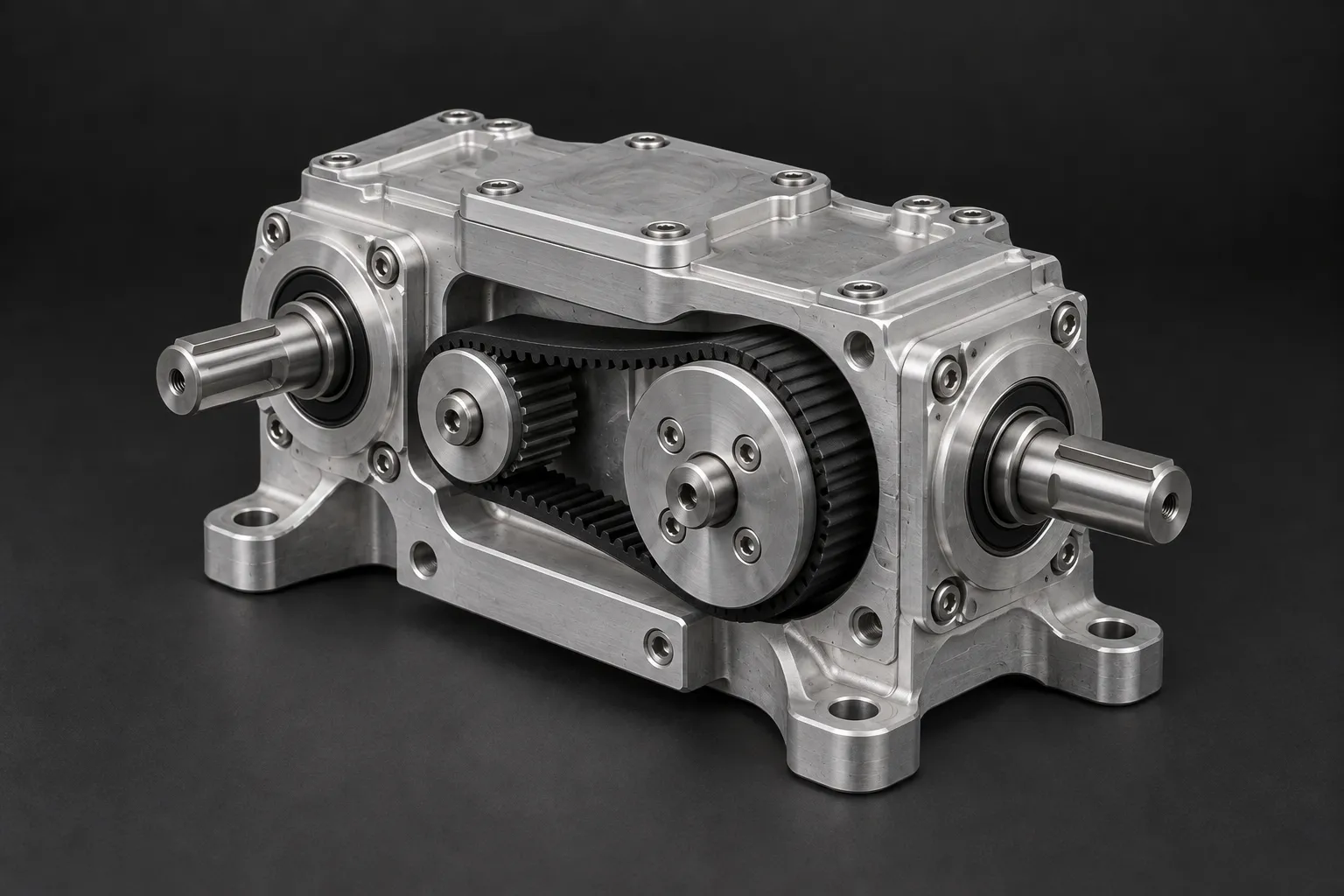
Manufactured and bought-in components brought together, with the interfaces and checks agreed first.
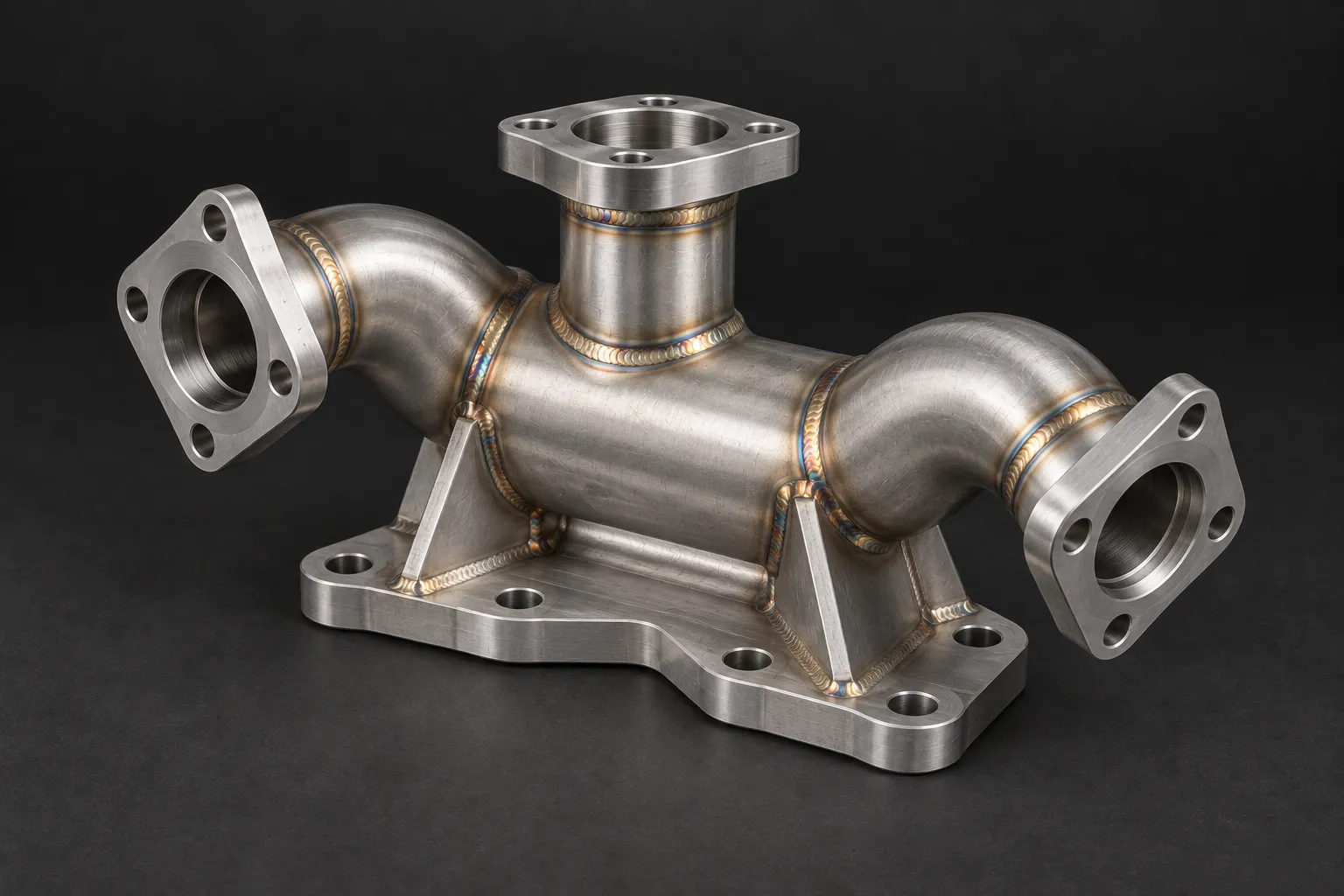
Welded components and fabrications, planned around material, joint access and distortion control.

Yes. That is the core of what we do. We measure the part you send us, with or without any surviving documentation, rebuild it accurately in CAD and manufacture from that model. If you have old or partial drawings they help, but they are not required. If you can put the part, or what is left of it, in our hands, we can almost always make it again.
That is exactly the situation we look for. As part of reverse engineering we assess why the original failed, a weak material choice, a stress concentration, a tolerance that was wrong, and we correct it in the new part where we can. The replacement is frequently better than the original rather than a like-for-like copy of its faults.
We measure the part precisely and rebuild it in CAD, so the reverse-engineered replacement fits the machine you already have. Where the original dimensions were correct, we hold them to close tolerances. Where the original geometry caused the failure, we correct it and tell you exactly what we changed and why. Because the part is inspected against that CAD model rather than against a worn sample, you get a precision part that fits and lasts, not a like-for-like copy of the original's faults. For obsolete and discontinued parts, that recovered model also becomes the master every future reorder runs from.
A worn or broken sample is still a good starting point, and it is what we work from most of the time. Reverse engineering recovers the part's as-designed geometry from what remains, reading past the wear, the damage and any missing sections to work out the dimensions the part had when it was new. We measure what survives, cross-check it against the features that have not worn, and rebuild the whole part in CAD. Even a component in pieces usually carries enough information to recover the design. If you can get the sample, or what is left of it, into our hands, we can almost always make the part again.
Yes. We reverse engineer complete assemblies as well as individual components, and with an assembly the real work is recovering how the parts relate to each other: the fits, the mating faces and the way the unit goes together. We measure each part, rebuild them in CAD as a set, and manufacture and join them in-house across CNC machining, sheet metal and assembly and welding. Because the same shop makes every piece, the rebuilt assembly fits together and fits the machine it belongs to. This is often how we handle obsolete sub-assemblies and welded frames that can no longer be bought as a unit.
Mating components, old photographs and surviving drawings can help establish how a missing feature originally worked. We assess those references alongside the damaged sample. Where the evidence is incomplete, the proposed reconstruction and any validation work need to be agreed before manufacture.
A scan records captured surface geometry, including wear and damage. A manufacturing definition also needs engineering interpretation, critical dimensions and material requirements. Our reverse engineering work uses scanning where useful and develops the model and specification needed for the selected production process.
Maintenance access can be considered during the design review if the revised component remains compatible with the equipment. Tell us what is difficult to reach, replace or inspect. Any change should be checked against the part’s function, loads and surrounding interfaces.
We distinguish features that must remain compatible from features that may be improved. Proposed changes are reviewed with you before manufacture, including their effect on fit, material and performance. The agreed definition becomes the reference for the replacement rather than an undocumented change to the sample.
Explain whether the component can be removed, for how long and what other information is available. Photographs and existing records may help with initial planning, but they may not be enough to define a replacement. We confirm what access and evidence are required before setting the scope.
Reverse engineering leads our work, supported by 3D scanning, 5-axis CNC machining, milling, turning, 3D printing, plastic and metal injection moulding, sheet metal, aluminium die casting, custom extrusions, assembly and welding. We choose the route around the part’s function, geometry and quantity. Common materials include aluminium, steel, stainless steel, brass and engineering plastics. Send any grade or certification requirements so we can confirm suitability before quoting.
That is an engineering decision, and it is part of the quote. We look at the geometry, the volume, the material and what the part has to do, then choose the process that makes a sound part at a sensible cost. If a process you have asked for is not the right one, we will tell you and explain why, rather than sell you a tool you do not need.
Yes. Choosing the material is part of the engineering, and it is one of the things we are paid to get right. Tell us what the part has to withstand, the load, the temperature, the wear and the environment it works in, and we will recommend a suitable material and confirm the grade with you before we quote. For a reverse-engineered part we also identify what the original was made from, then decide with you whether to match it or improve on it where the original material was marginal for the duty. We work in aluminium, steel, stainless steel, brass and engineering plastics, so the recommendation is driven by the part rather than by one material we happen to prefer.
Both. We make single replacement parts and prototypes as readily as production batches, with no minimum order quantity. A one-off is often a reverse engineering job: a single worn or obsolete part with no drawing, which we measure, model and machine as a low-volume replacement. A production run is about consistency, so the programme and fixturing are set once and every part comes off the same, checked against the first article. Because we keep your CAD model and drawings on file, moving from a first single part to a repeat batch later is straightforward, and reordering does not mean paying to reverse engineer the same part twice.
Yes. We can take a part the whole way, from a proving prototype through to a full production run, using the same CAD model throughout. We often 3D print a part first to prove the geometry cheaply, then move that model on to CNC machining for low-volume work, or to injection moulding or die casting once the volumes justify the tooling. That progression, from sample to model to printed proof to production, lets you prove the part works before you commit budget to a tool. It is a common route for reverse-engineered and obsolete parts, where you want to confirm the recovered design fits before scaling up.
Material, geometry, quantity, tolerances, finishing and inspection all affect the work involved. Missing design information adds a separate reconstruction task. Providing a clear brief helps us quote the actual requirement and identify features that add cost without improving the component’s function.
A part may need several operations, such as casting followed by machining or sheet metal forming followed by welding. Those stages must be considered together because each affects the next. MV selects supporting processes around the agreed component design and required finished condition.
State where finish affects sealing, movement, corrosion resistance or appearance. These requirements can call for different processes and checks. Mark the relevant faces rather than applying the tightest cosmetic or surface requirement everywhere, unless that is necessary for the application.
The comparison depends on geometry, material, volume, tooling and expected design changes. Machining may suit an early or lower-volume requirement, while tooling-based processes may become appropriate for repeat production. Our engineers assess the specific part instead of recommending a process from quantity alone.
Identify critical dimensions, functional checks and any required documentation before quotation. Inspection should demonstrate the requirements that matter to the application. We confirm the proposed checks and any limitations so the finished part is assessed against an agreed definition.
Engineers, throughout. MV runs lean, and Miguel, who came up through Cosworth, Perkins and Caterpillar, makes the engineering calls on your job. There is no sales desk between you and the people who make the part, so the person who works out how to reverse engineer and manufacture your component is the person you deal with directly. That means decisions are quick, questions are answered by someone who understands the part, and the judgement about materials, process and tolerances is made by an engineer rather than passed down a chain. When you send us a part, you are buying that judgement, not machine time by the hour.
Cost per part is only one line of the total. An overseas quote can look cheap until you count the lead time, the freight, the communication gap and the cost of a part that comes back not quite right. With MV the engineer who quotes your job is close to the engineer who makes it, decisions are quick, communication is direct, and the work is UK-based in Peterborough. For parts that have to be right, that closeness is usually worth more than a low unit price on a long lead time.
A general job shop will make what is on the drawing. Your problem is often that there is no drawing, the part has failed for a reason no one has diagnosed, and the machine cannot wait. We are built for that. We reverse engineer the part, work out why it failed, and make a replacement that is better where the original was weak.
We supply parts to procurement leads and engineers at established OEMs, mainly in oil and gas and food-industry machinery. We have delivered for Baker Perkins, Tess Electrical and Sherwood Engines, including precision machined components and large welded frame assemblies. Most of that work is reverse engineering: obsolete, worn or discontinued parts that these teams could no longer buy, recovered from a sample and remanufactured to fit the machine they already run. We have delivered over 100,000 parts this way, on time or early, every time, so buying engineers come back to us for the next part that has gone out of production.
Send a description of the problem, photographs or design files, the quantity and required date. Tell us whether you have a working sample or a failed component. Our engineering team reviews the information and identifies what is needed to define and quote the work.
Yes. An initial conversation can help establish the function, missing information and likely next steps. It does not replace the manufacturing definition needed before production. Bring the evidence you have and explain the problem the component needs to solve.
Customer-supplied components can be assessed as part of the project. We need their specifications, condition and availability, together with any installation requirements. Responsibilities for supply and inspection should be agreed before the assembly is scheduled.
Our engineering team raises changes that affect the agreed specification, manufacture or delivery. A clear point of contact on your side helps those decisions move efficiently. Approved changes should be recorded against the current drawing or project definition.
Tell us about confidentiality requirements before sharing restricted information. Any specific agreement or handling requirement should be reviewed and agreed first. This lets both teams understand how drawings, models and project information will be used.
Reverse engineering and supporting manufacturing operations are planned around one agreed outcome. We consider how design recovery, component manufacture, finishing and assembly depend on each other. The quotation should make the included stages and deliverables clear.
You get an engineer-made quote within 24 hours. That means a price worked out by an engineer who has actually looked at the geometry, the material and the volume, not an automated estimate from a form or a sales figure with a margin added. For a reverse engineering job the same review tells us how to recover the design and which process suits the part, so the quote comes back with the engineering thinking already done. Send us a CAD model, a drawing, or simply the worn or obsolete part itself, and you will have a costed, considered answer inside a day.
It depends on the part's complexity, the process and the material, and we give you a realistic lead time at quote stage rather than a number we cannot hold. A single reverse-engineered replacement moves quickly once the CAD model is recovered, while a production run or a tooled process such as injection moulding takes longer to set up but then repeats reliably. Whatever the job, we plan the timeline honestly and we deliver on time or early, every time, with manufacturing projects arriving on average around 1.5 days ahead of schedule. If a machine is down and the part is critical, tell us and we will work to the deadline you actually need.
Every job is quoted individually once an engineer has reviewed the part, the material and the volume, so the cost depends on the work rather than a fixed starting price. Most teams begin with a single part to test how we work before committing to anything larger, whether that is a one-off reverse engineering job on an obsolete part or the first of a production batch. We size the work to the job, from a single low-volume replacement through to a full programme, rather than to a minimum order quantity. You will always have an engineer-made quote within 24 hours before anything is committed, so you know the cost up front.
Yes, and this is one of the main reasons to reverse engineer a part properly the first time. Once we have recovered your part, we keep the CAD model and the manufacturing drawings on file, so a reorder is quick, consistent and priced without repeating the engineering. The part that was obsolete or discontinued becomes a documented, repeatable item you can call off in the quantity you need, when you need it, from a UK source you control. You are never paying to reverse engineer the same component twice, and every repeat part is made from the same model and checked the same way, so it matches the ones before it.
Include the component geometry, quantity, material requirements, critical dimensions and required date. For a reverse engineering job, provide photographs and explain what failed. If information is missing, flag it rather than guessing so we can include the assessment work in the scope.
No. The time to review and price an enquiry is separate from the time needed to make the part. Manufacturing lead time depends on the agreed scope, material, tooling, finishing and capacity. The expected delivery is confirmed for the particular job.
Tell us immediately if equipment is stopped and give the date that matters. Send the available information together so the engineering review can start efficiently. We will assess the practical route and confirm what can be achieved rather than assuming every urgent request is deliverable.
Changes to geometry, quantities, materials, approvals or supplied components can affect the programme. Tooling or additional inspection may also introduce dependencies. Keeping the specification and decision points clear helps identify the impact of changes before work proceeds.
Yes, ask for the quote to be reviewed against the revised quantity. Set-up work, material purchasing and the appropriate process can change with volume. A revised quote provides a clear basis for the order rather than assuming the original unit price applies at any quantity.
Quote the previous job or drawing reference, the required revision, quantity and date. Tell us if the application or mating parts have changed. This helps confirm that the existing manufacturing definition is still correct before the repeat order is released.