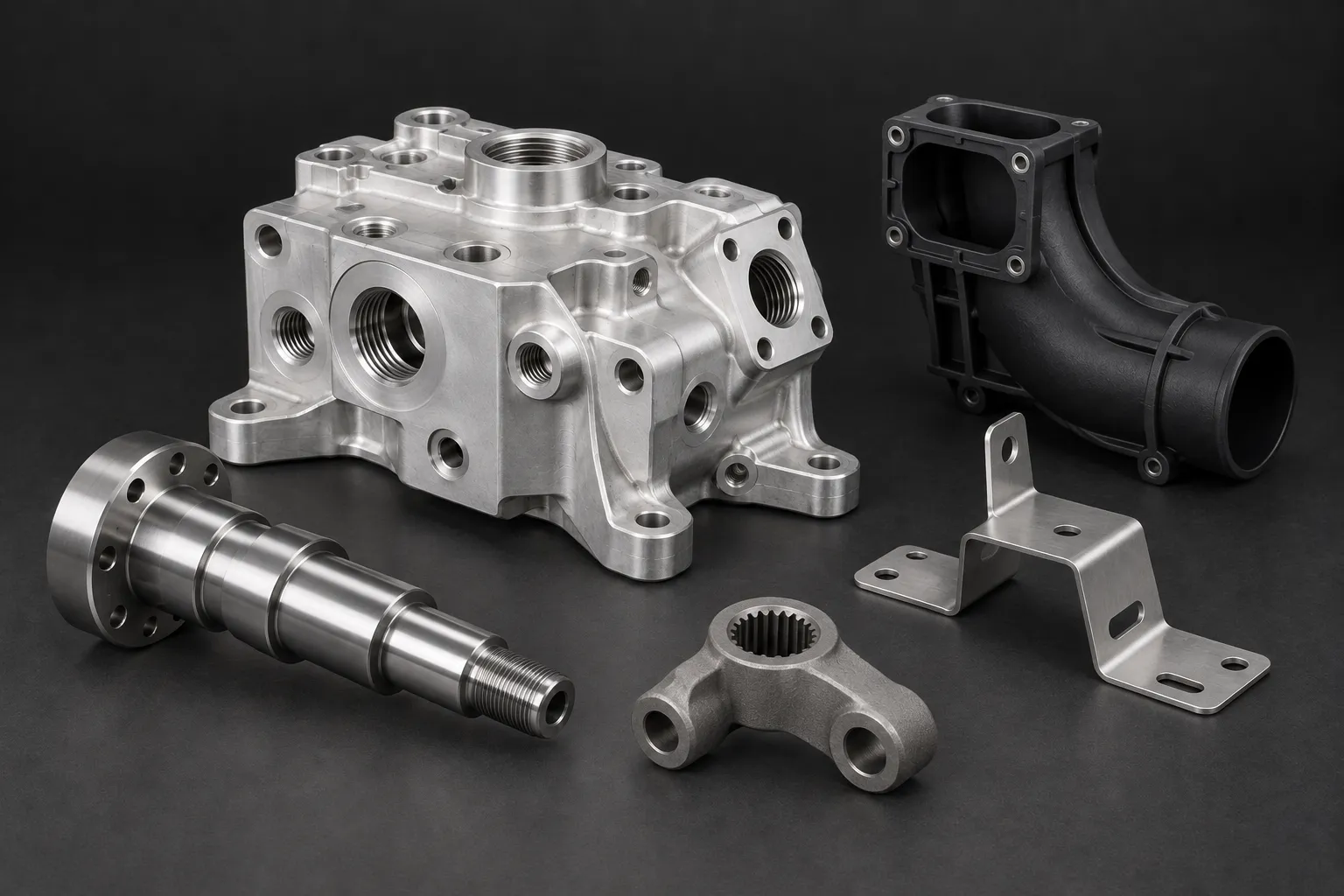
Get any discontinued, worn or failed part reverse engineered and manufactured to a higher standard than the original, with the reliability of a hands-on UK team.
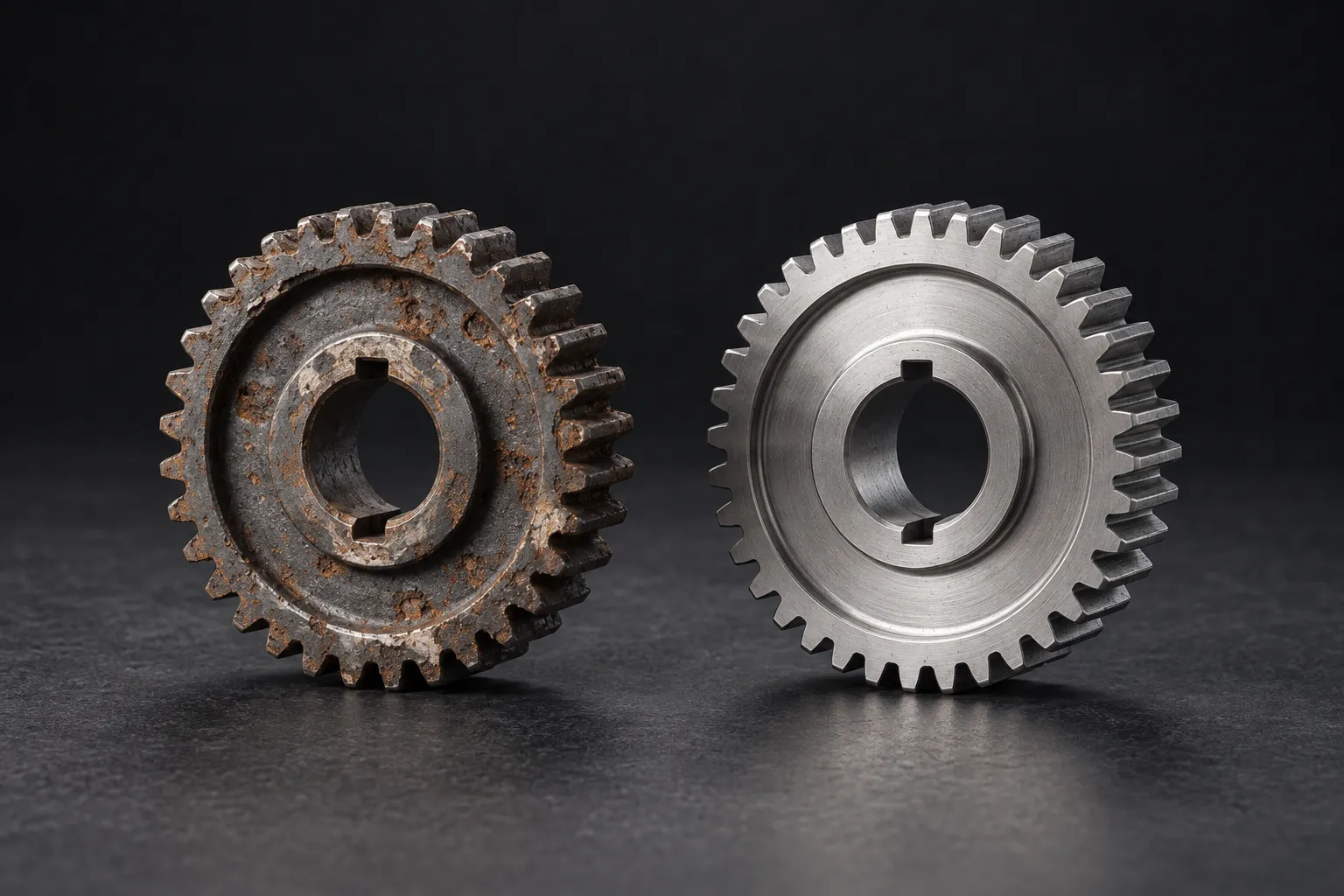
Start with a worn, failed or discontinued part. We reconstruct the design and agree improvements before manufacture.
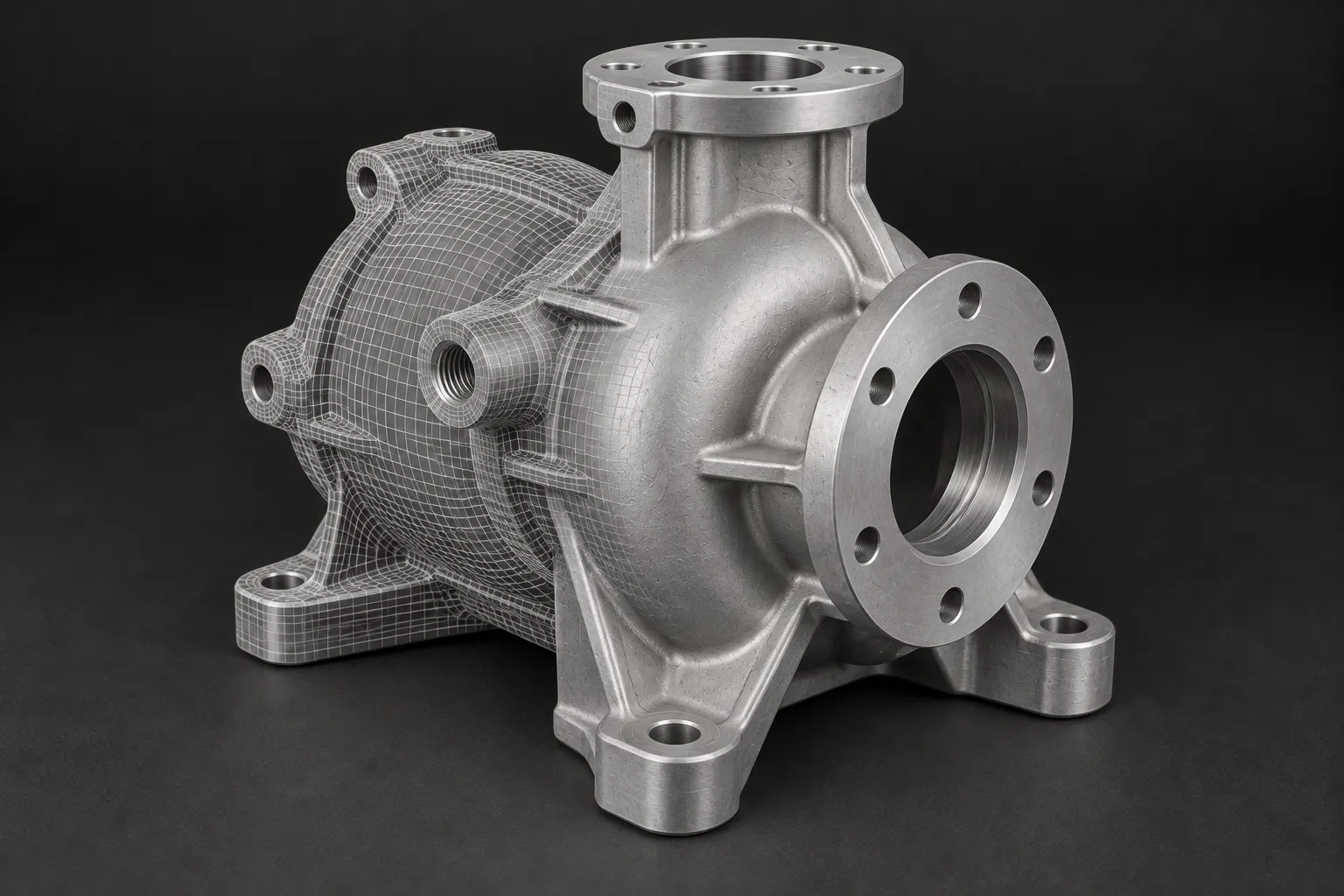
Digital surface capture to support CAD reconstruction and the wider reverse engineering job.
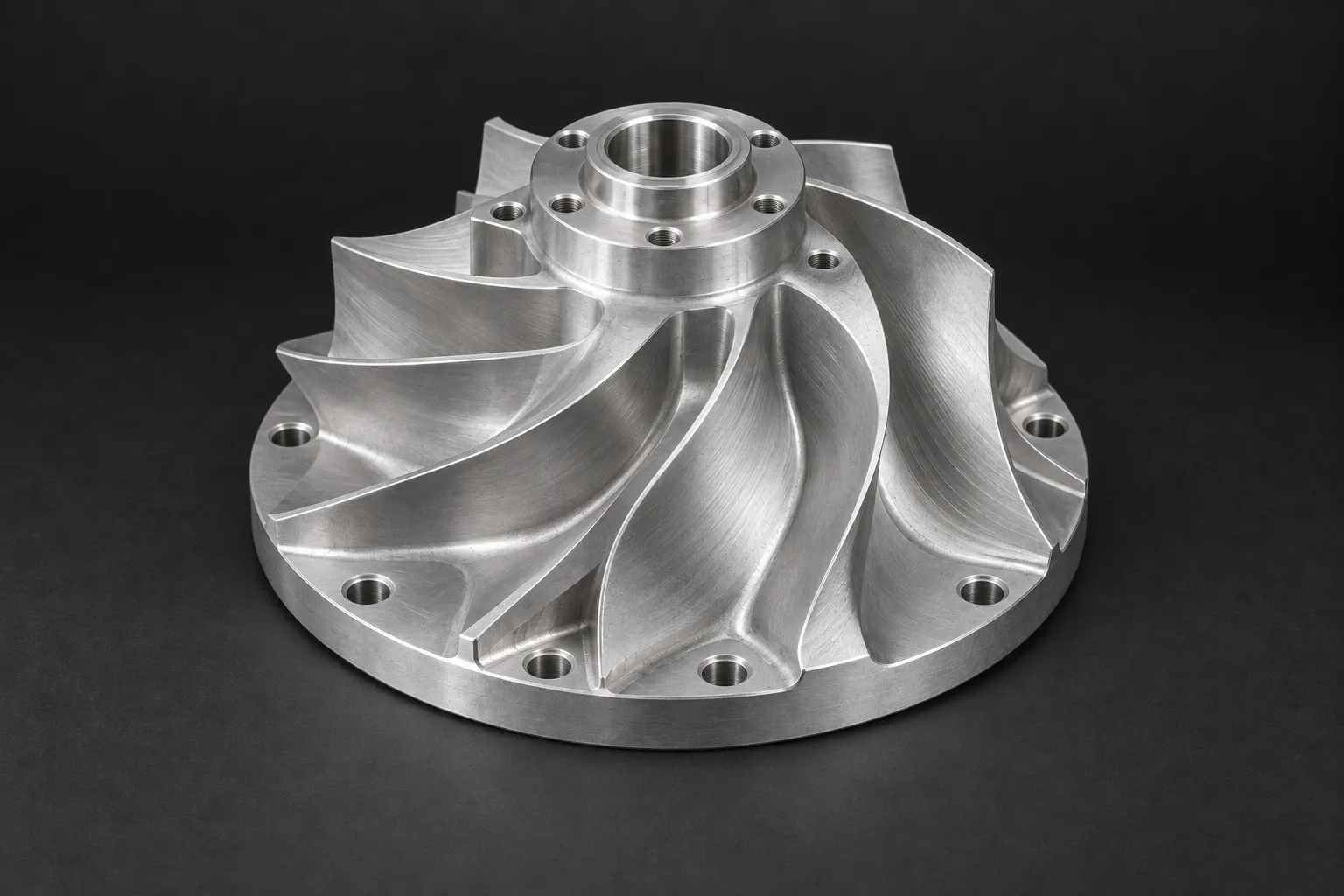
Machine angled features and complex surfaces, with the set-up planned around the critical relationships.
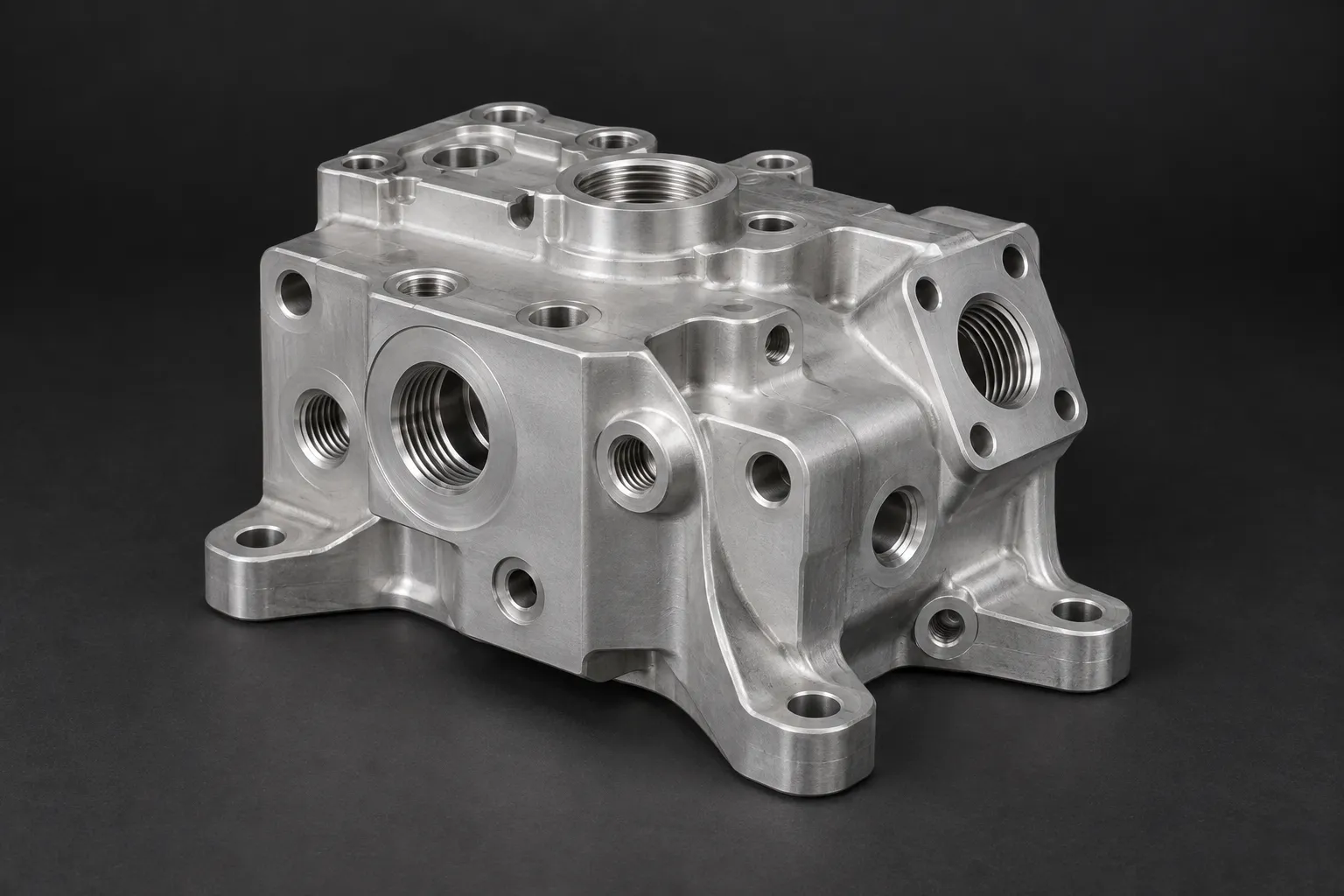
Milled housings, brackets and precision components in metals and engineering plastics.
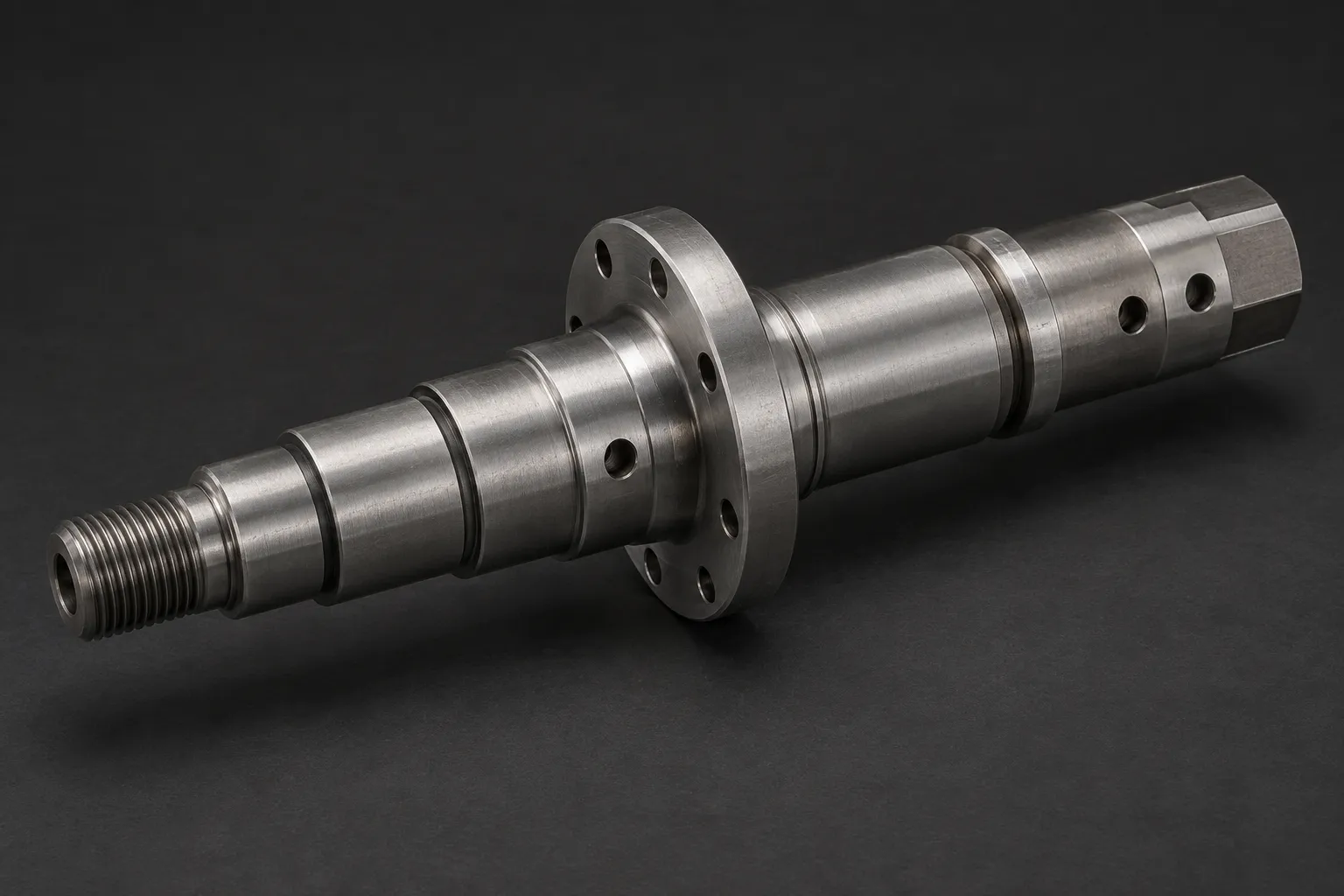
Stepped shafts, threaded fittings and housings, made to drawing or reverse engineered from a sample.
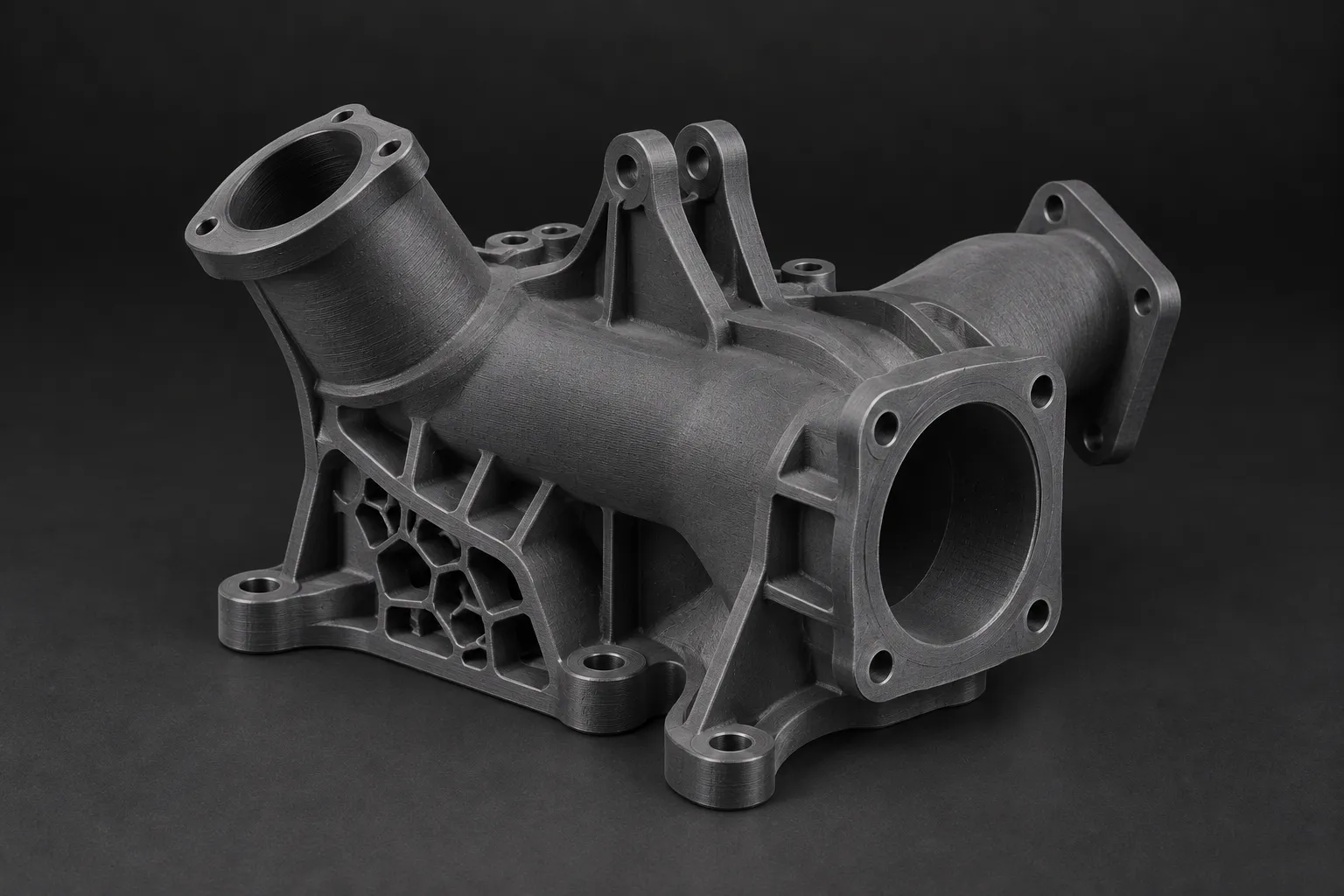
Bring us the application. Our engineers recommend the material and approach for your prototype or part.
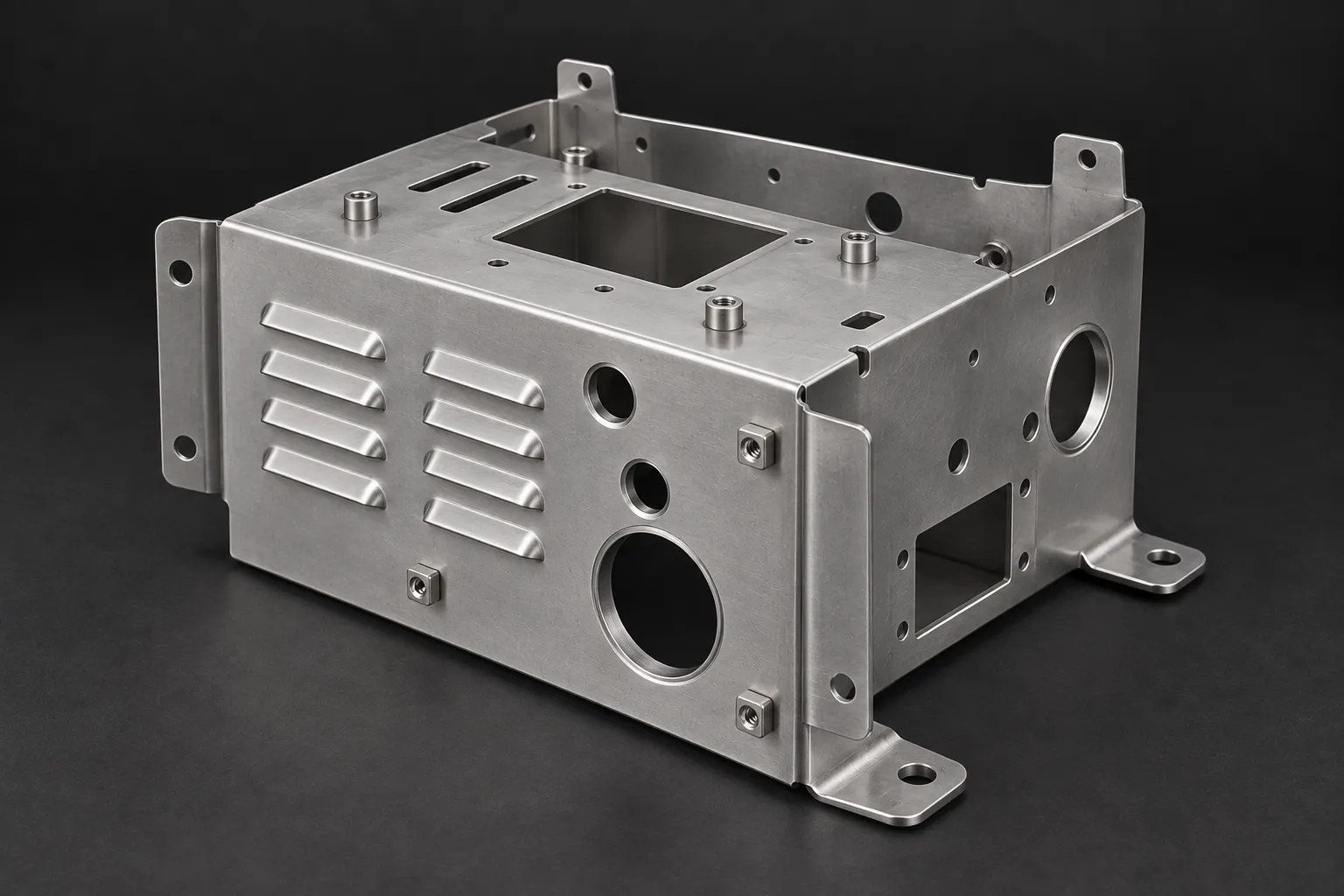
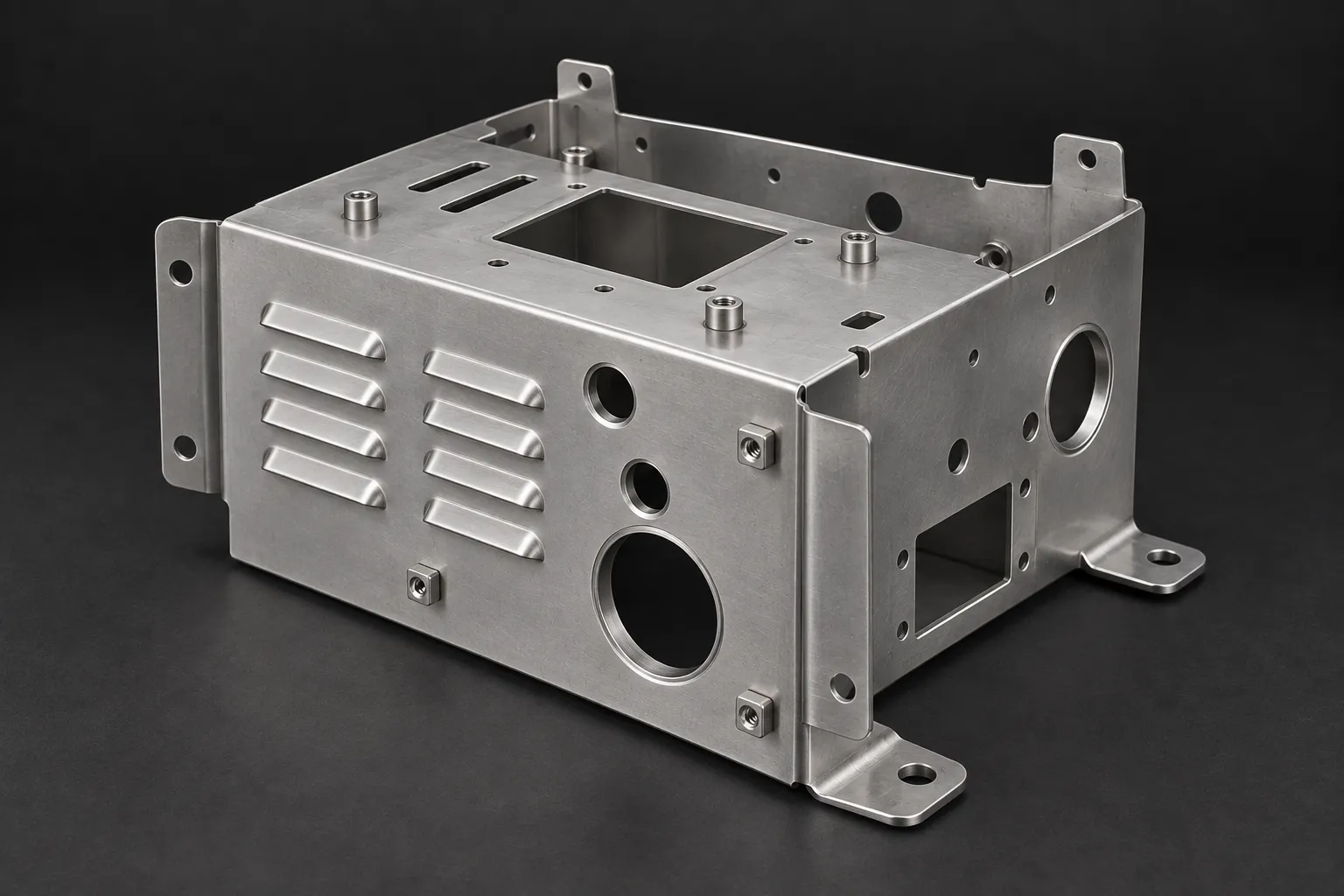
Brackets, panels and enclosures, developed around the bends, interfaces and finished assembly.
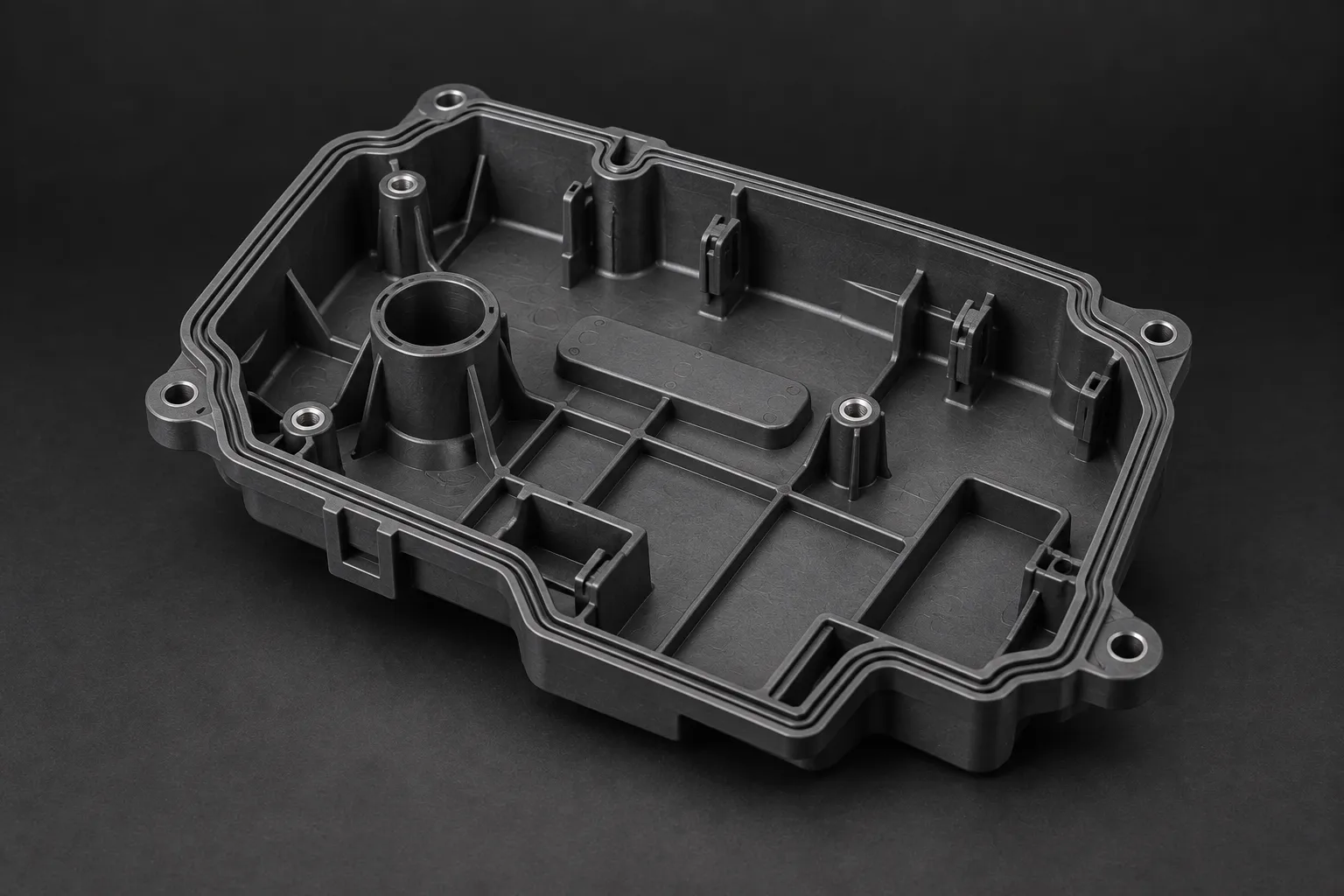
Moulded plastic components, with material, tool design and production requirements considered together.
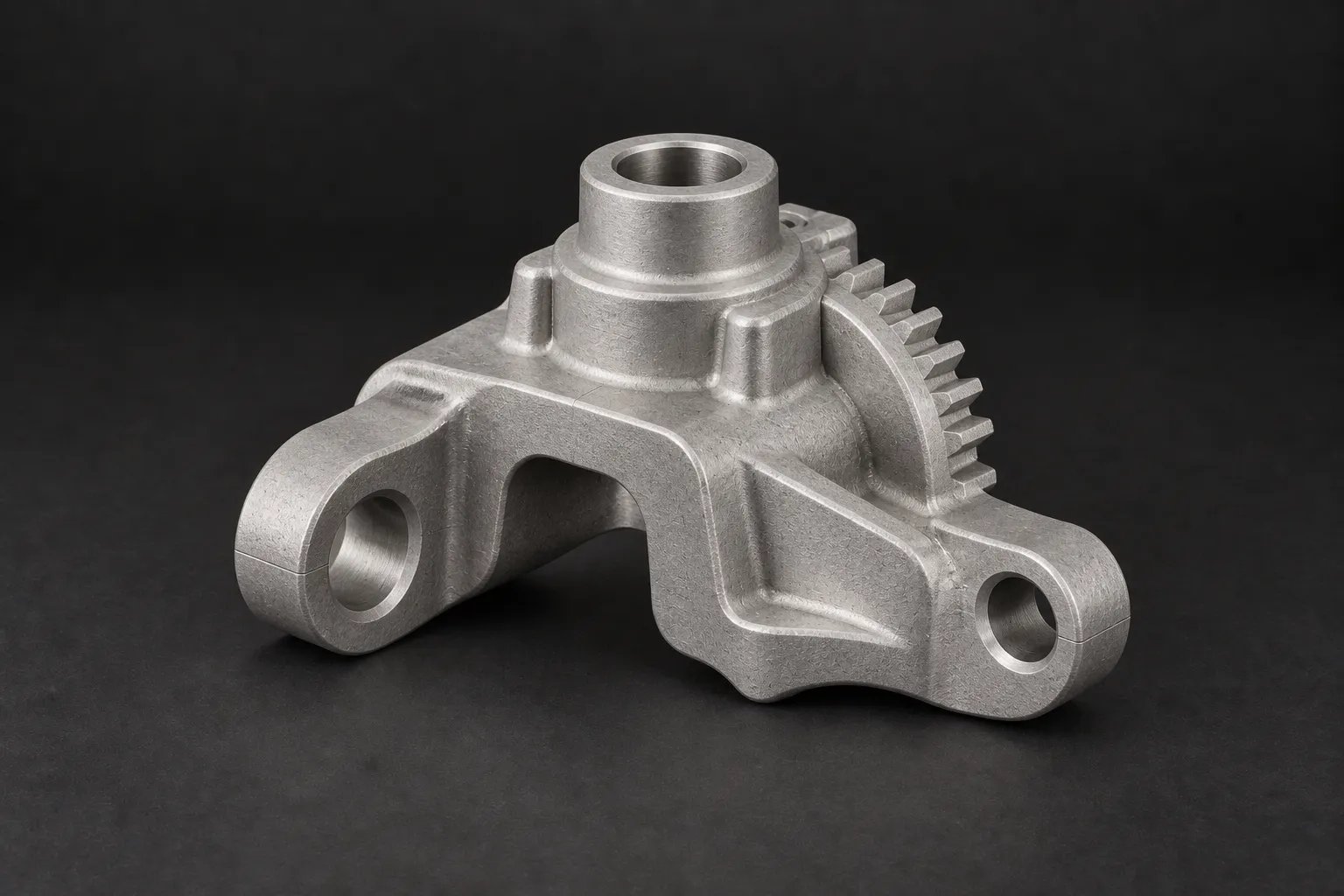
Small, complex metal components where geometry and quantity suit moulding and sintering.
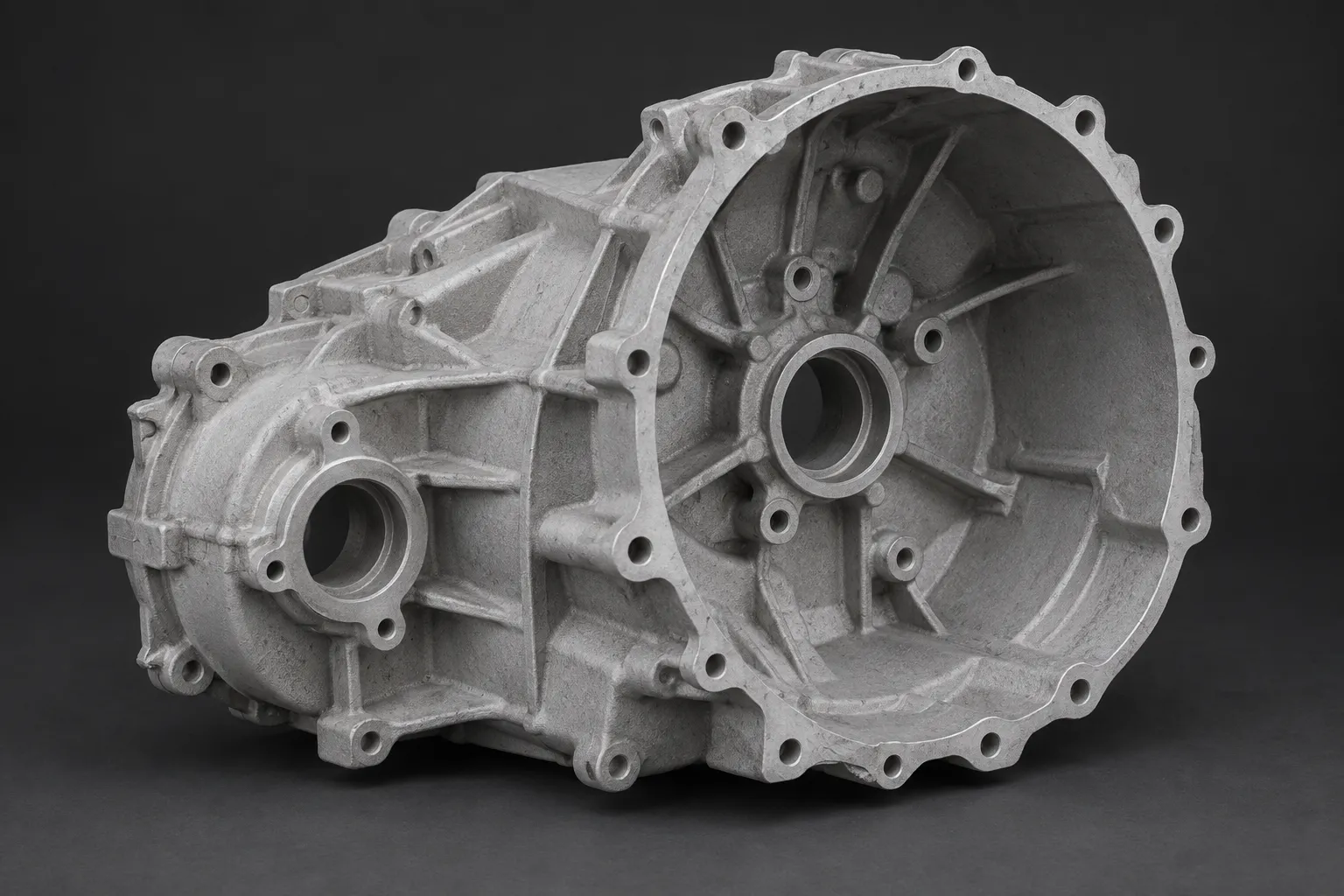
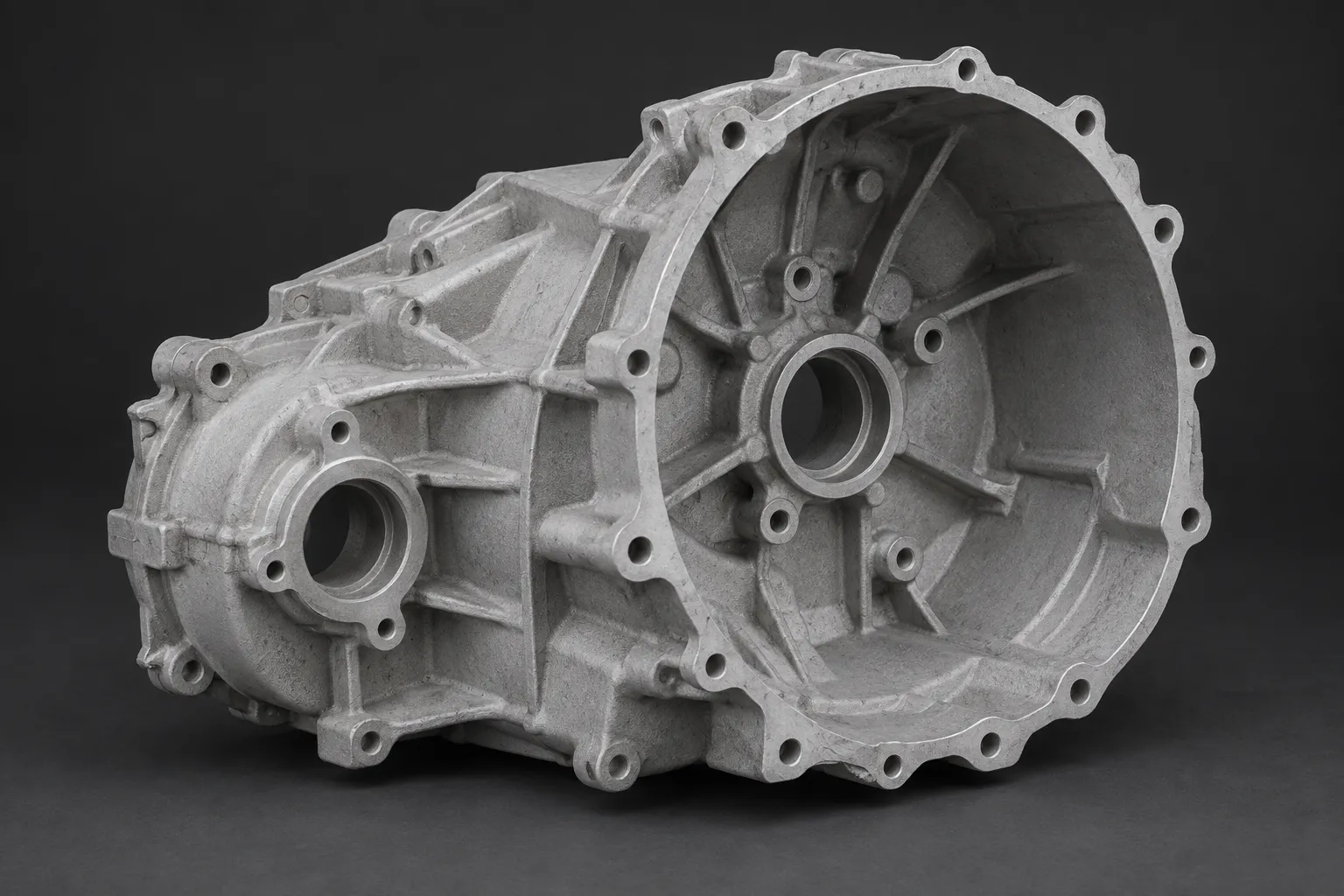
Aluminium housings and components, with casting geometry and any secondary machining planned together.
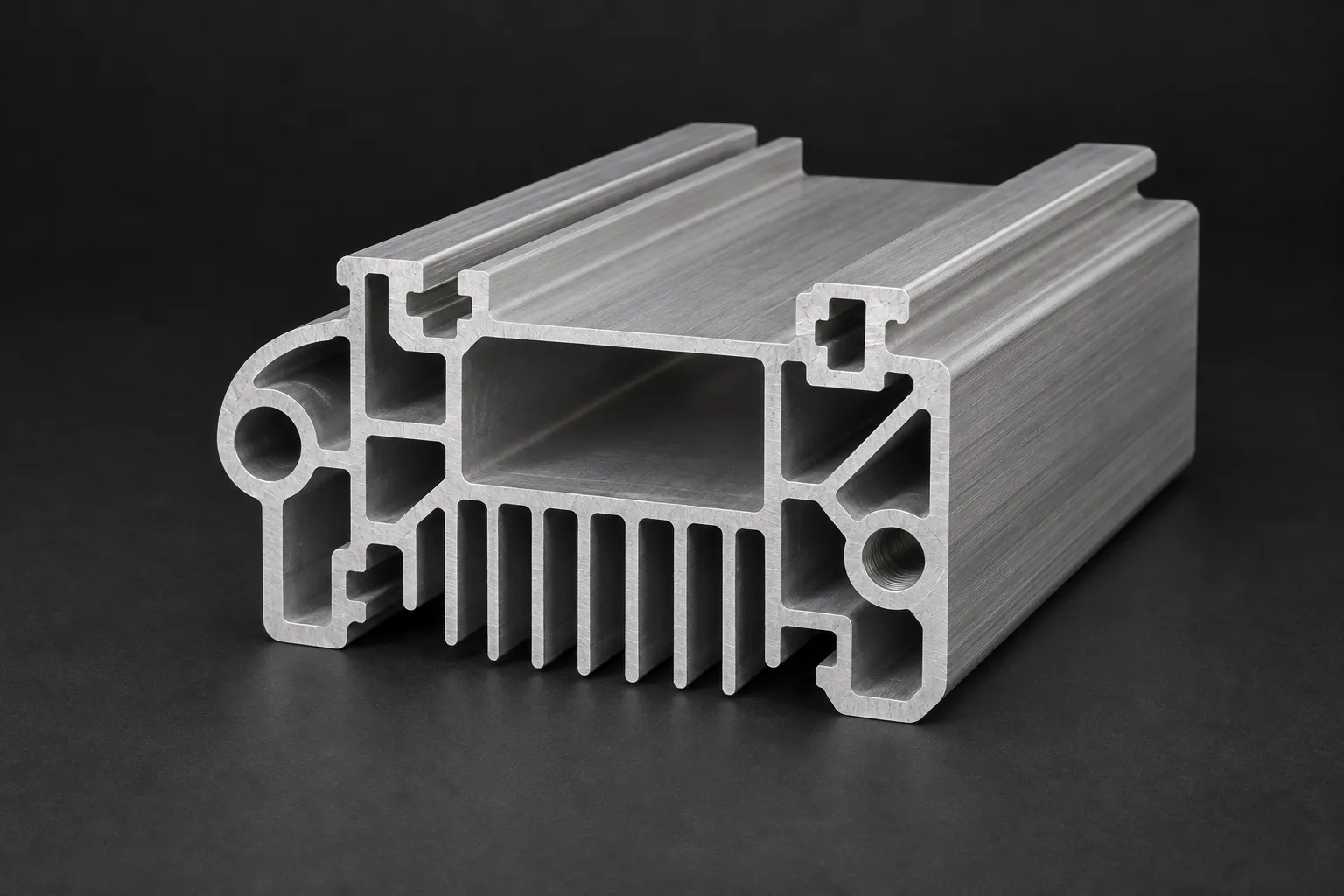
Custom sections developed for the application, then cut, machined and finished as required.
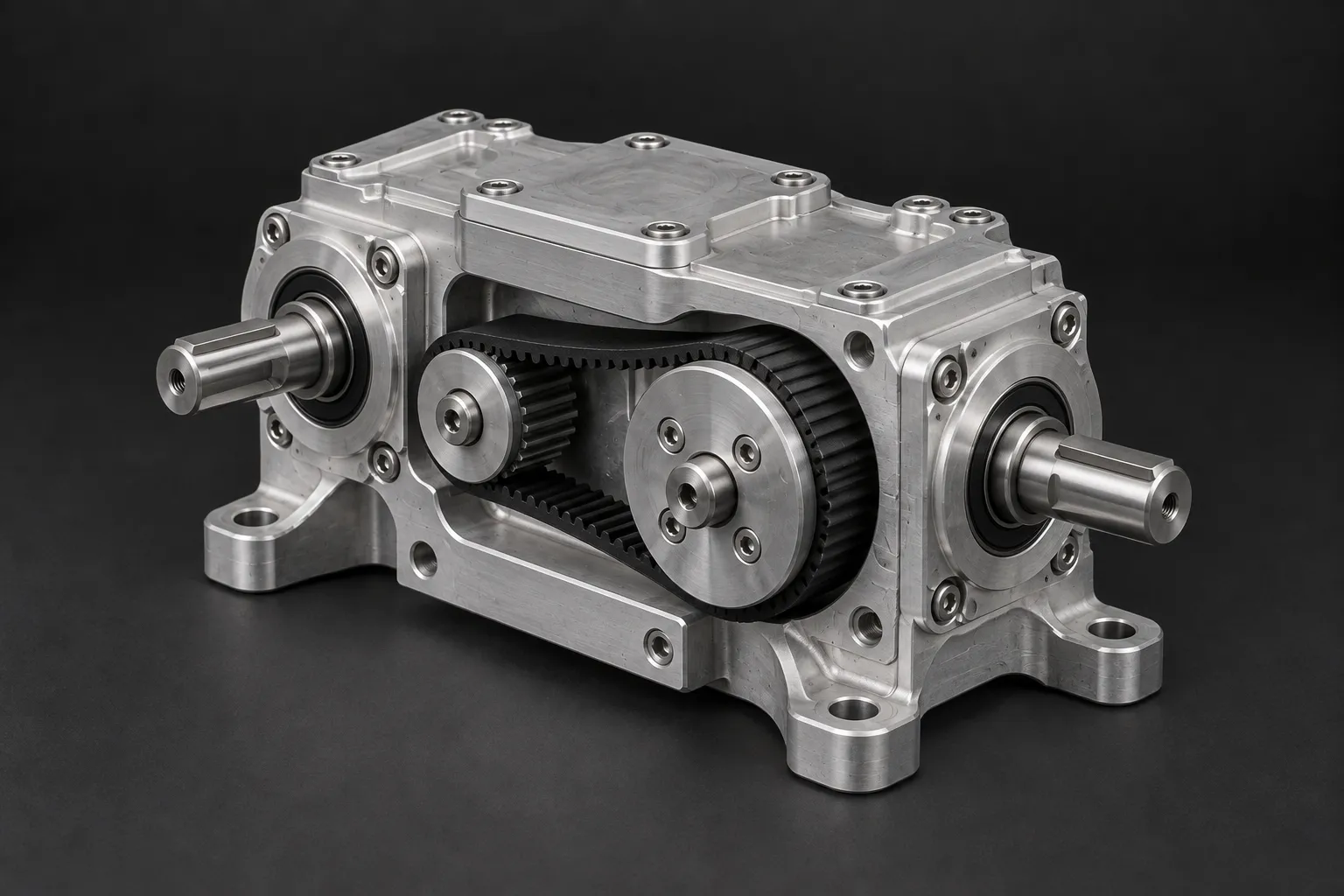
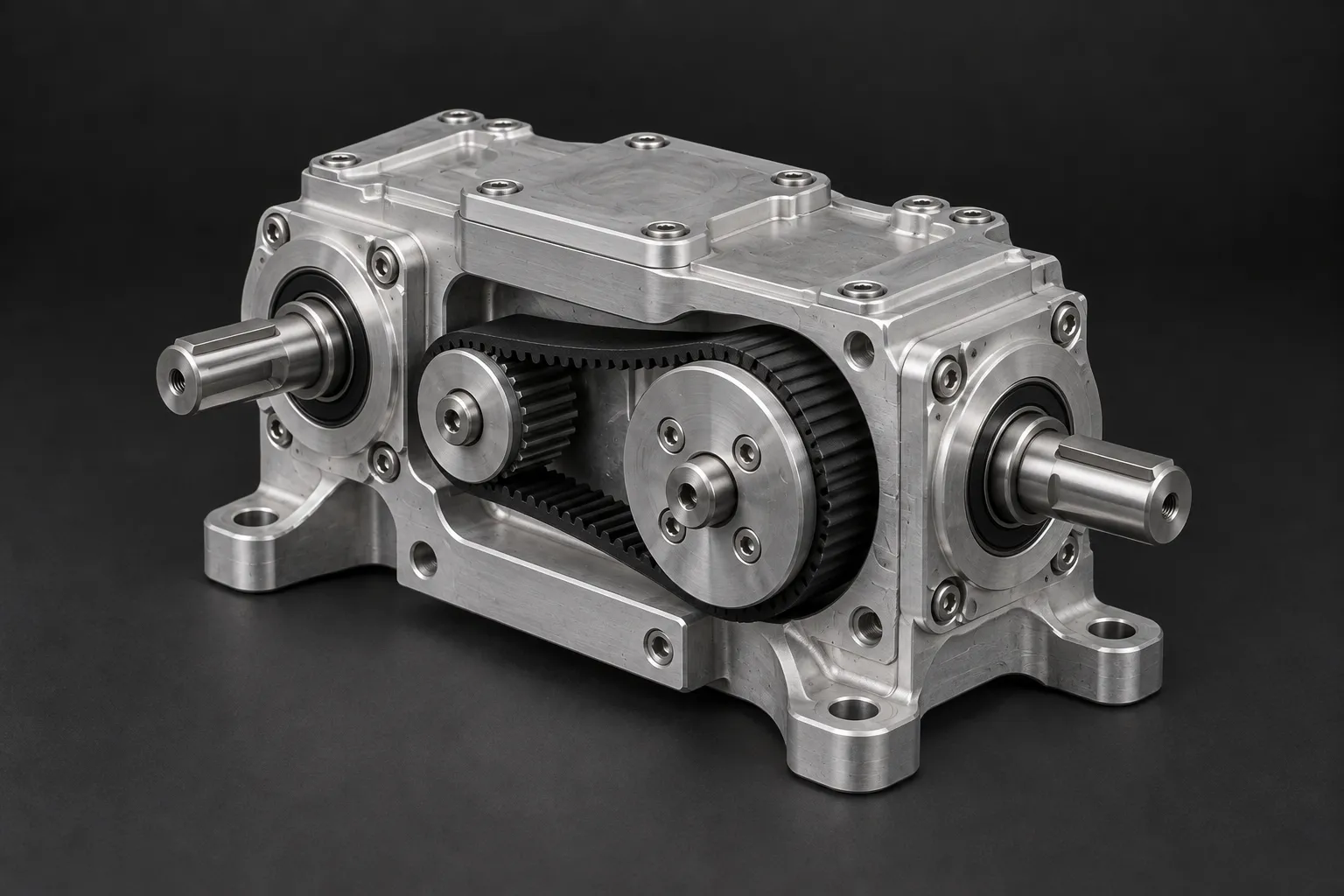
Manufactured and bought-in components brought together, with the interfaces and checks agreed first.
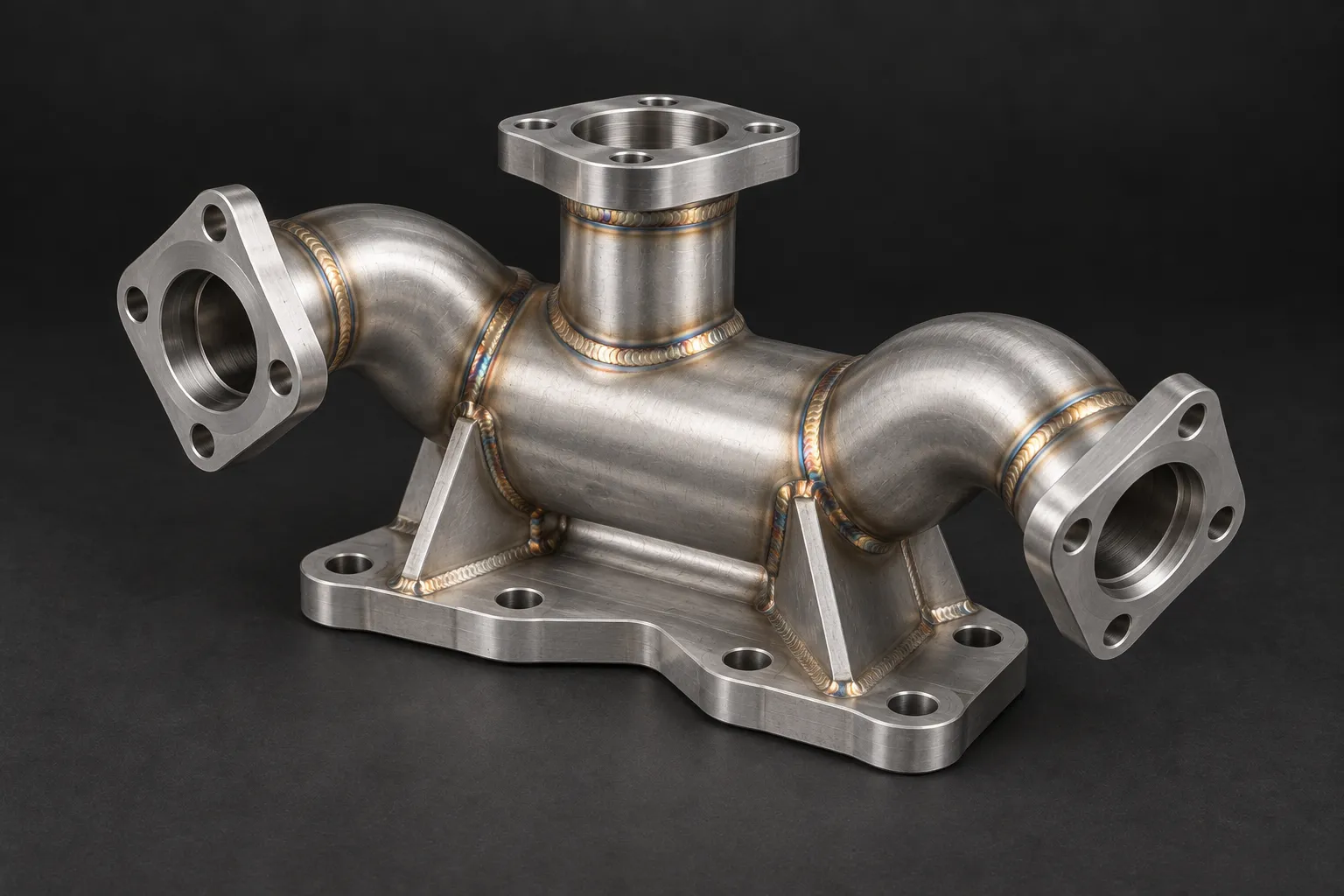
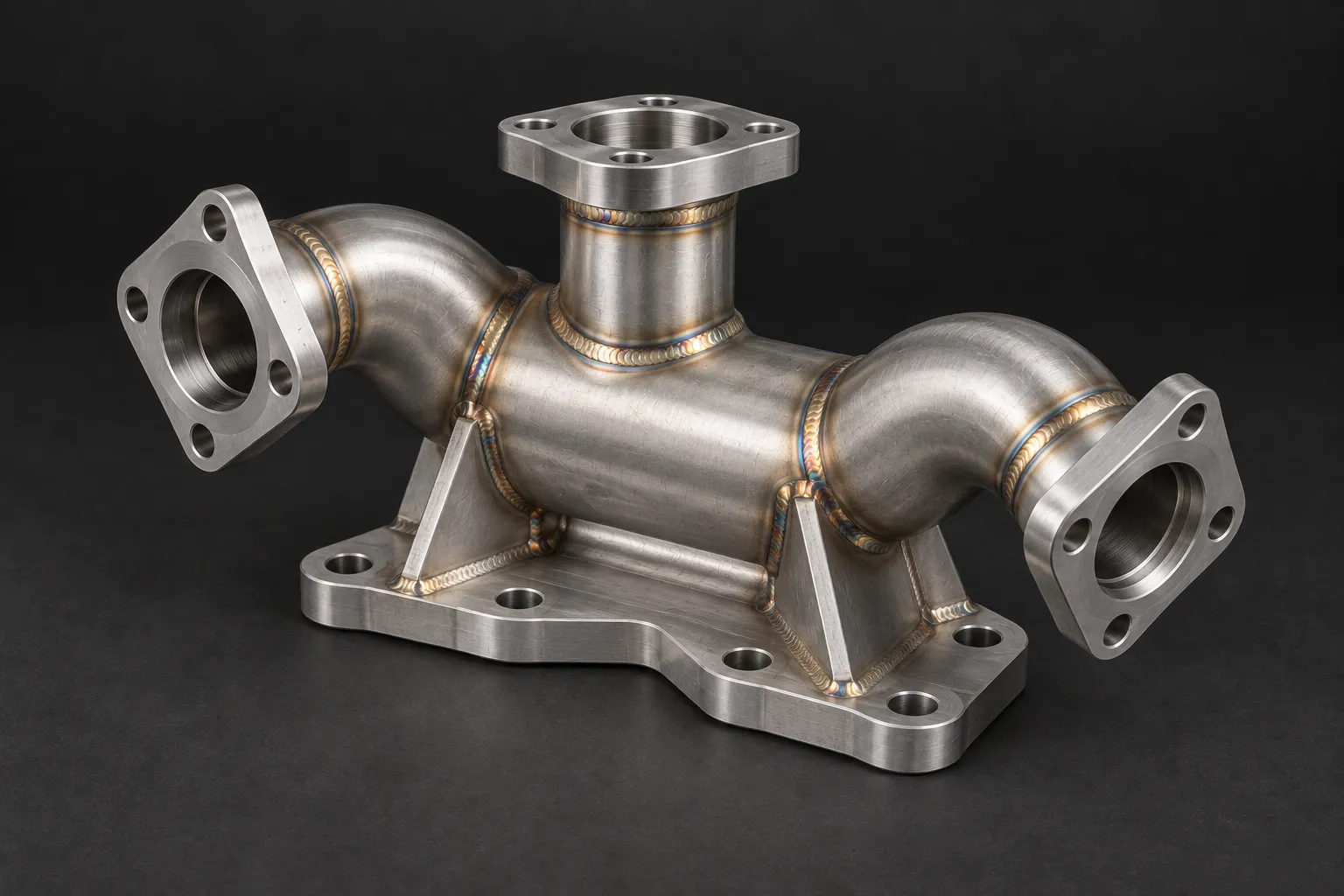
Welded components and fabrications, planned around material, joint access and distortion control.


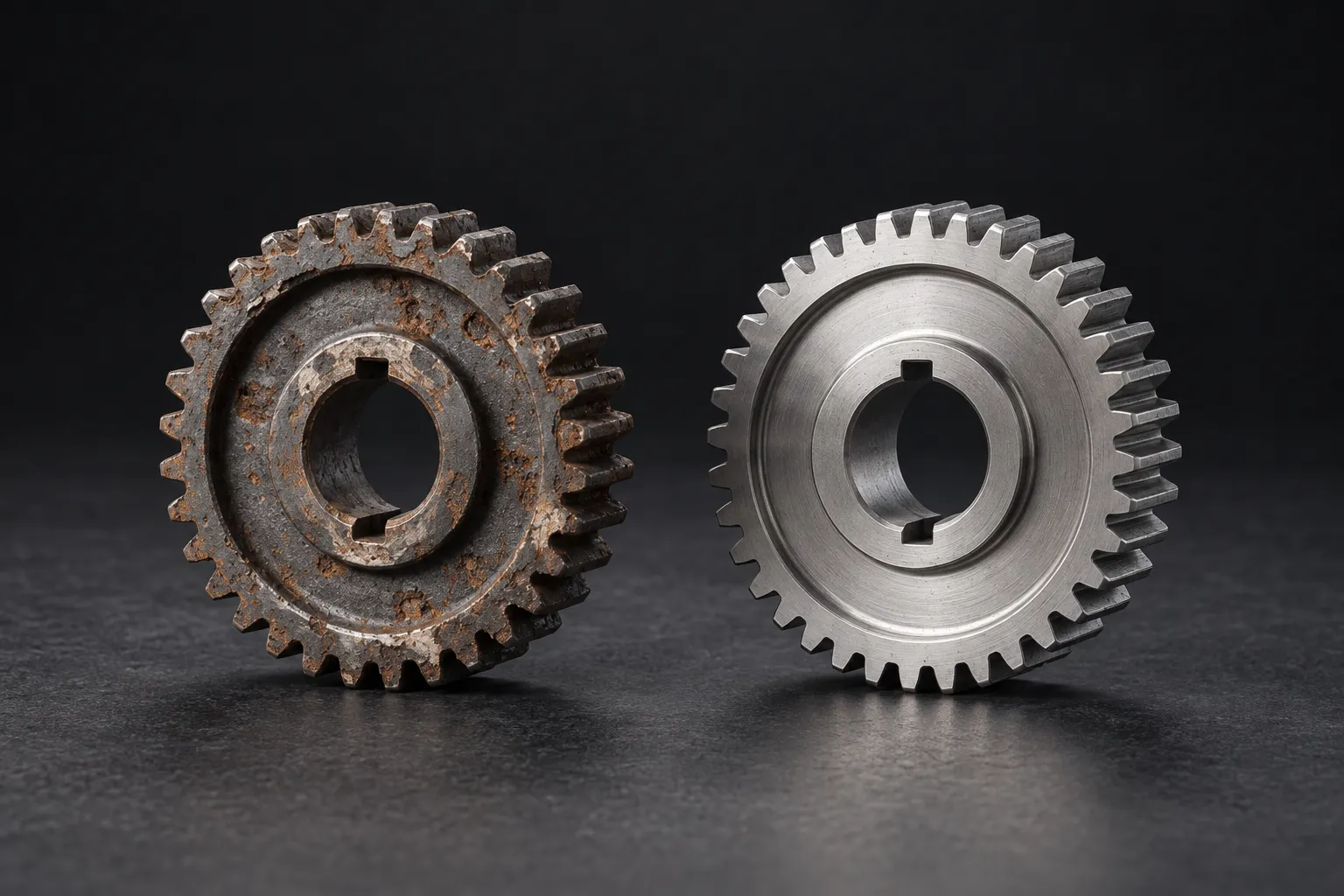
A machine goes down and the part that failed is discontinued, the supplier gone, the drawings long lost. We do the harder part.
You send us the failed, worn or obsolete part, we measure it, model it in CAD, work out why it failed, and manufacture a replacement that corrects the original's weak points and is better than the original.
We rebuild from the part itself, with or without drawings, and improve the design where the original was the weak point.
We diagnose why the part failed and correct it, so the replacement performs and lasts longer.
A generic job shop makes what is on the drawing. An overseas quote looks cheap until you count the lead time, the freight and the cost of a part that comes back not quite right. MV is built for the harder problem: no drawing, a part that has failed for a reason no one has diagnosed, and a machine that cannot wait.
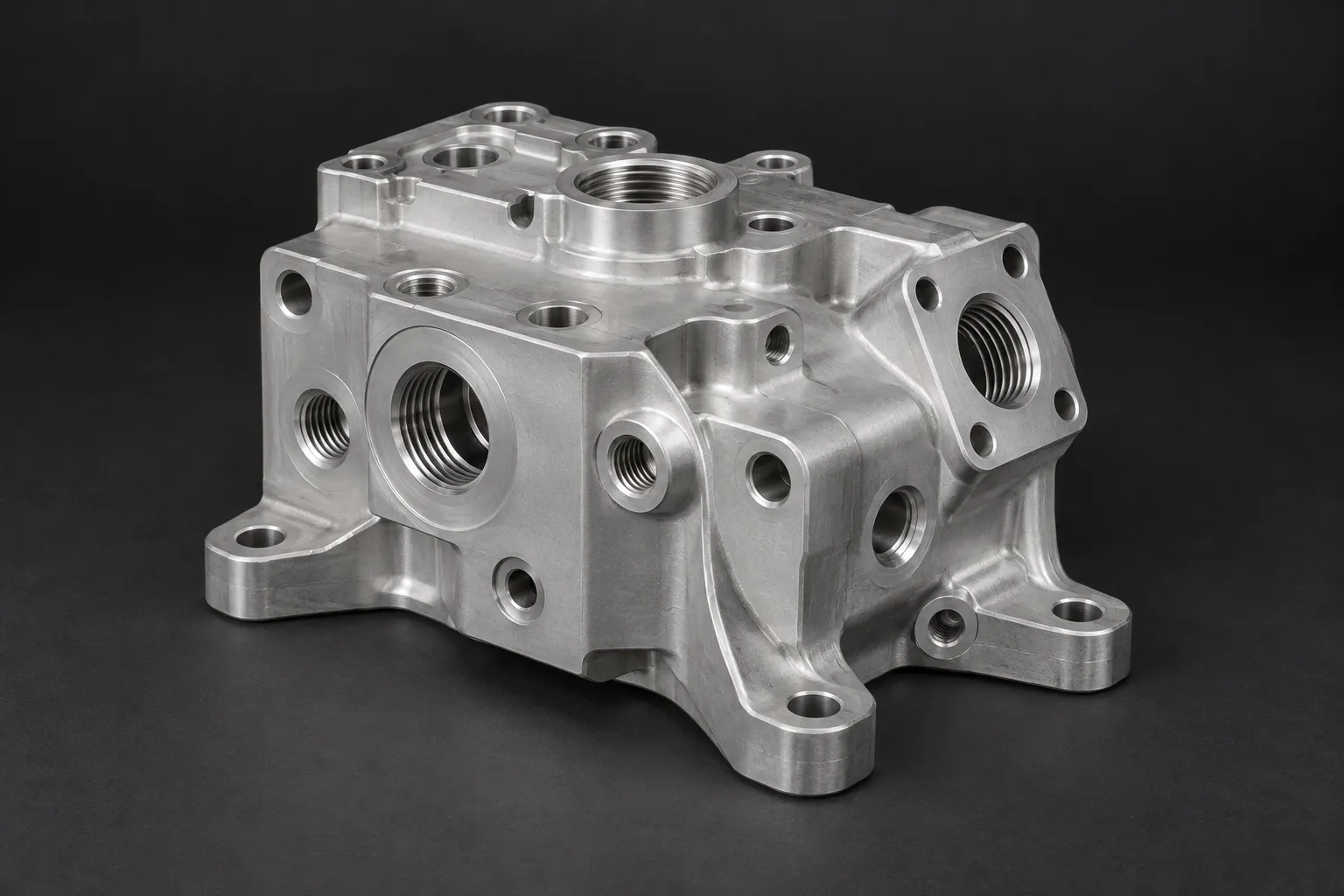

We measure the part itself and diagnose why it failed, then improve the design where the original was the weak point.
You deal directly with our engineering team, with one point of contact to keep the work clear and coordinated.
Our engineers choose the manufacturing route around the geometry, material, quantity and working requirements of your part.
One engineering team takes your part from the moment it lands with us to the moment it ships. You deal with the people doing the work, not a sales desk, and reverse engineering sits at the centre of every step.
Send the part, a sample or a drawing. Even a photograph and a note on what failed gives us enough to start. No drawings or CAD, no problem, the part is the brief.
We measure it precisely and rebuild it in CAD, check the material, then work out why it failed and where the original design can be improved.
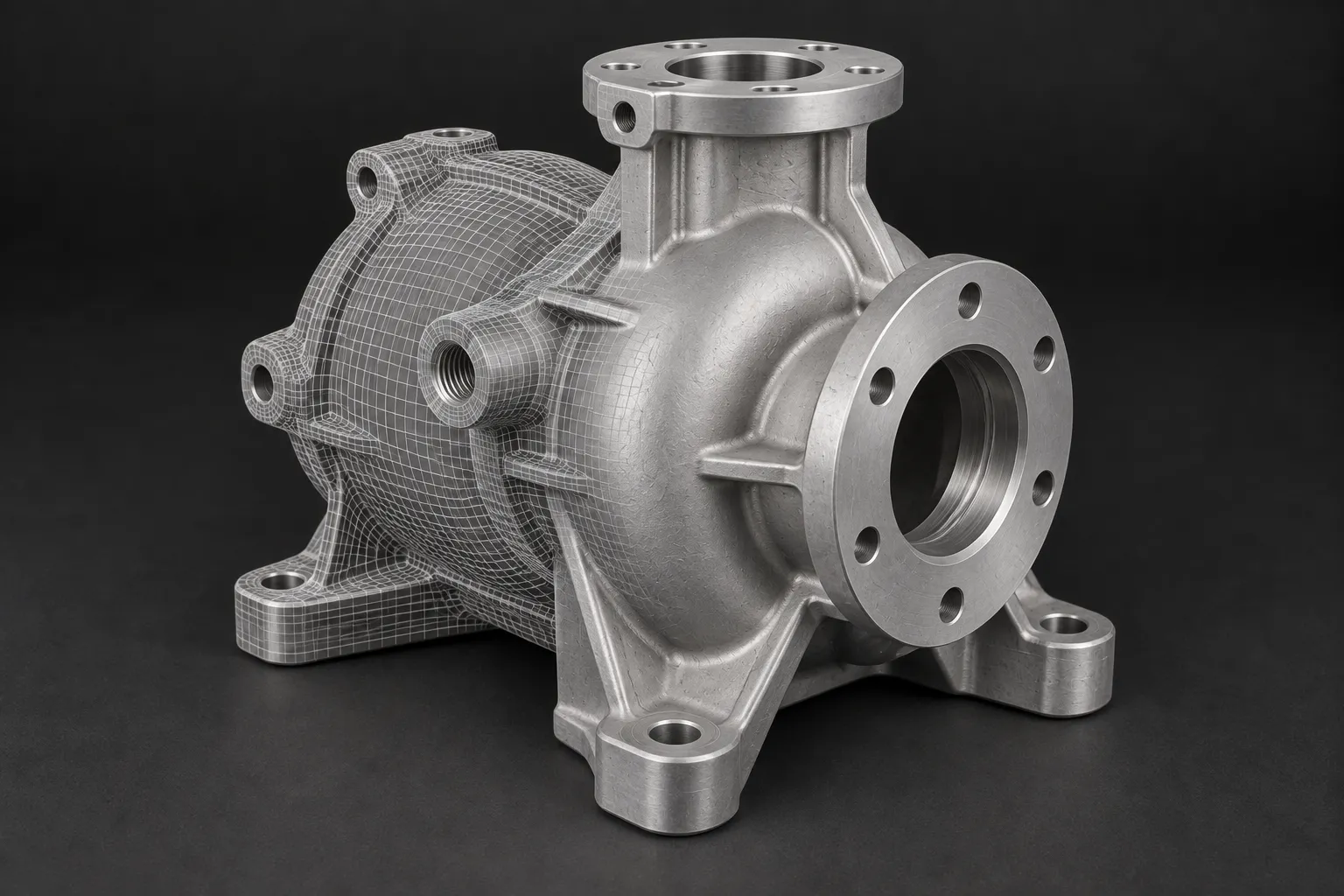
We machine, mould, cast or fabricate to the corrected spec, choosing the right process for the part and inspecting it as we go.
A finished, inspected part arrives ready to fit, on time or early, with the measurements and documentation to back it up.
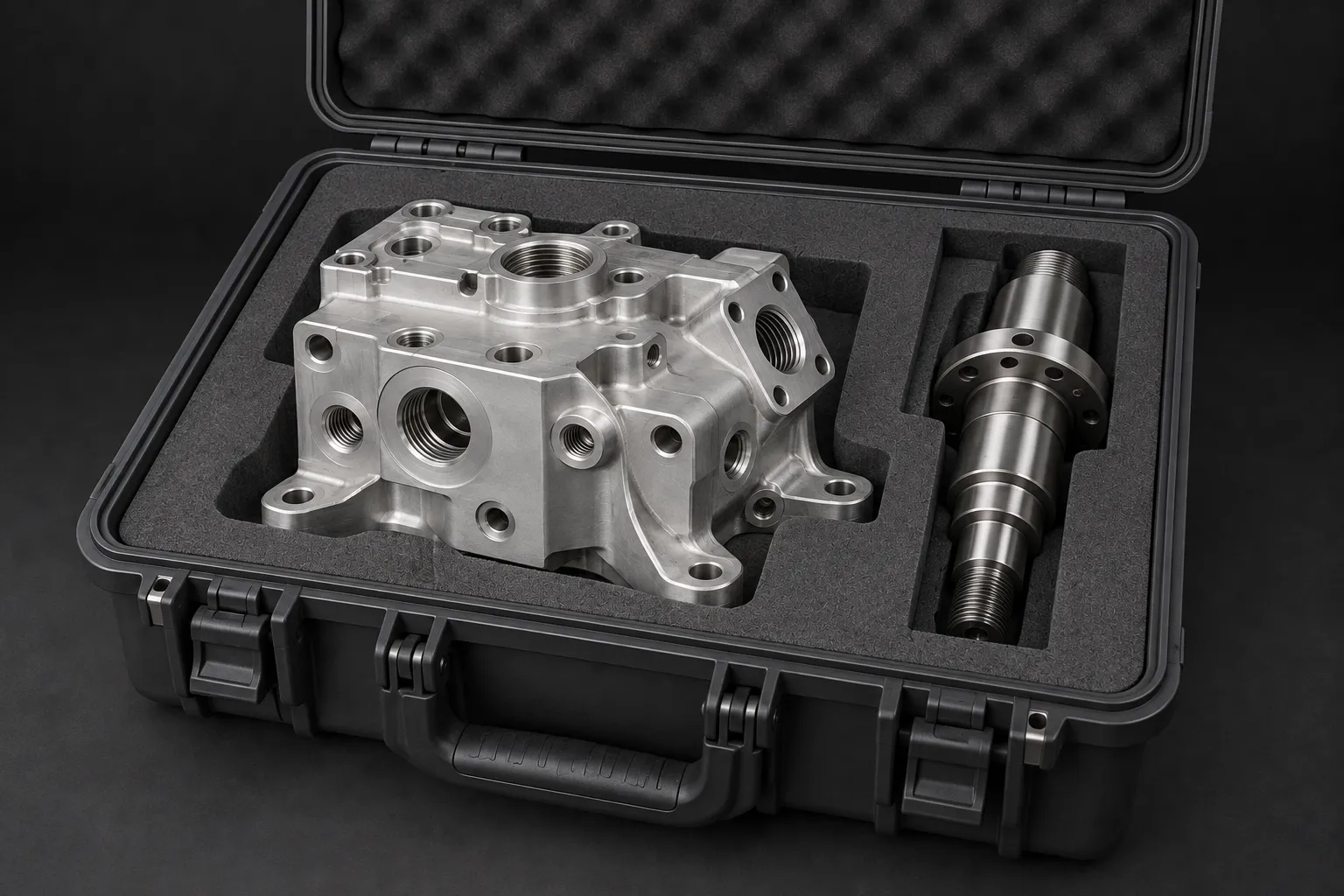
Most parts that come through MV start as a problem rather than a drawing. We take the work from first measurement to finished, inspected component, and we choose the process to suit the part rather than forcing the part to suit one machine. Reverse engineering leads everything we do. The rest of our capabilities exist to make whatever that work demands.
Start with a worn, failed or discontinued part. We reconstruct the design and agree improvements before manufacture.
Explore Reverse Engineering →Digital surface capture to support CAD reconstruction and the wider reverse engineering job.
Explore 3D Scanning →Machine angled features and complex surfaces, with the set-up planned around the critical relationships.
Explore 5-Axis CNC Machining →Milled housings, brackets and precision components in metals and engineering plastics.
Explore CNC Milling →Stepped shafts, threaded fittings and housings, made to drawing or reverse engineered from a sample.
Explore CNC Turning →Bring us the application. Our engineers recommend the material and approach for your prototype or part.
Explore 3D Printing →Brackets, panels and enclosures, developed around the bends, interfaces and finished assembly.
Explore Sheet Metal →Moulded plastic components, with material, tool design and production requirements considered together.
Explore Plastic Injection Moulding →Small, complex metal components where geometry and quantity suit moulding and sintering.
Explore Metal Injection Moulding →Aluminium housings and components, with casting geometry and any secondary machining planned together.
Explore Aluminium Die Casting →Custom sections developed for the application, then cut, machined and finished as required.
Explore Aluminium Extrusions →Manufactured and bought-in components brought together, with the interfaces and checks agreed first.
Explore Assembly →Welded components and fabrications, planned around material, joint access and distortion control.
Explore Welding →Getting the part made is one thing. What brings engineers back is how the part performs, where it is made and whether it arrives when we said it would.
Where the original carried a weak point, we design it out. The replacement is built to run longer than the original.
UK-based, so lead times, communication and accountability stay close to home.
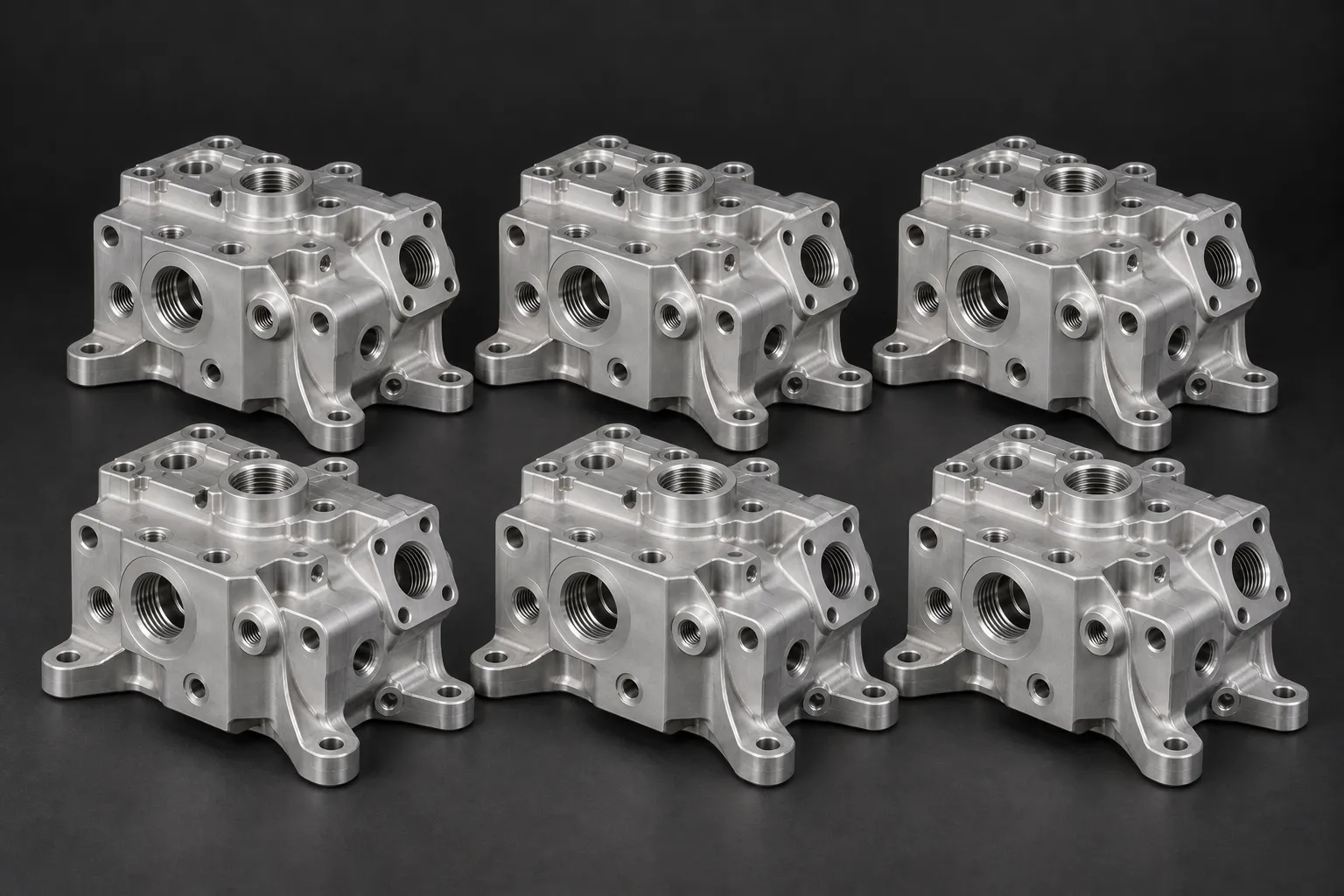
Over 100,000 parts delivered, on time or early every time, an average of 1.5 days ahead.
FAQs

Yes. That is the core of what we do. We measure the part you send us, with or without any surviving documentation, rebuild it accurately in CAD and manufacture from that model. If you have old or partial drawings they help, but they are not required. If you can put the part, or what is left of it, in our hands, we can almost always make it again.
That is exactly the situation we look for. As part of reverse engineering we assess why the original failed, a weak material choice, a stress concentration, a tolerance that was wrong, and we correct it in the new part where we can. The replacement is frequently better than the original rather than a like-for-like copy of its faults.
You get an engineer-made quote within 24 hours. That means a price worked out by an engineer who has looked at the geometry, the material and the volume, not a sales estimate from a form.
Every job is quoted individually once an engineer has reviewed the part, the material and the volume, so cost depends on the work rather than a fixed starting price. You will always have an engineer-made quote in 24 hours before anything is committed.
Cost per part is only one line of the total. An overseas quote can look cheap until you count the lead time, the freight, the communication gap and the cost of a part that comes back not quite right. With MV the engineer who quotes your job is close to the engineer who makes it, decisions are quick, communication is direct, and the work is UK-based in Peterborough. For parts that have to be right, that closeness is usually worth more than a low unit price on a long lead time.
Send photographs, any drawings or CAD files, the quantity required and the date you need the parts. If a component has failed, describe how it is used and what happened. A physical sample helps our engineers establish the next step when design information is missing.
We start with the part’s function, geometry, material and quantity. Reverse engineering establishes what needs to be made; the supporting process follows from that brief. Depending on the application, the route may involve CNC machining, 3D printing, moulding, casting, fabrication or assembly.
Yes. Tell us about loads, temperature, corrosion, wear and any contact with other materials. Our engineers assess those requirements alongside the original part. Appearance alone does not prove a material grade, so we identify any testing or specification work needed before confirming a substitute.
A prototype can help confirm fit, access and the proposed design before a larger order. We review what the prototype proves, agree any changes and then confirm the production process. A printed prototype, for example, does not by itself establish the strength of a machined or moulded version.
The agreed drawing revision, material specification and critical inspection requirements should remain linked to the job. Tell us at quote stage which records you need. A clear manufacturing definition makes future orders easier and helps prevent changes being introduced without review.