Steel, stainless steel and aluminium joined into components and fabrications that fit the application. Our team considers the joint, access, material and weld sequence before work starts, with distortion and the finished dimensions in view. No drawing for the original? We can begin with reverse engineering from the sample.
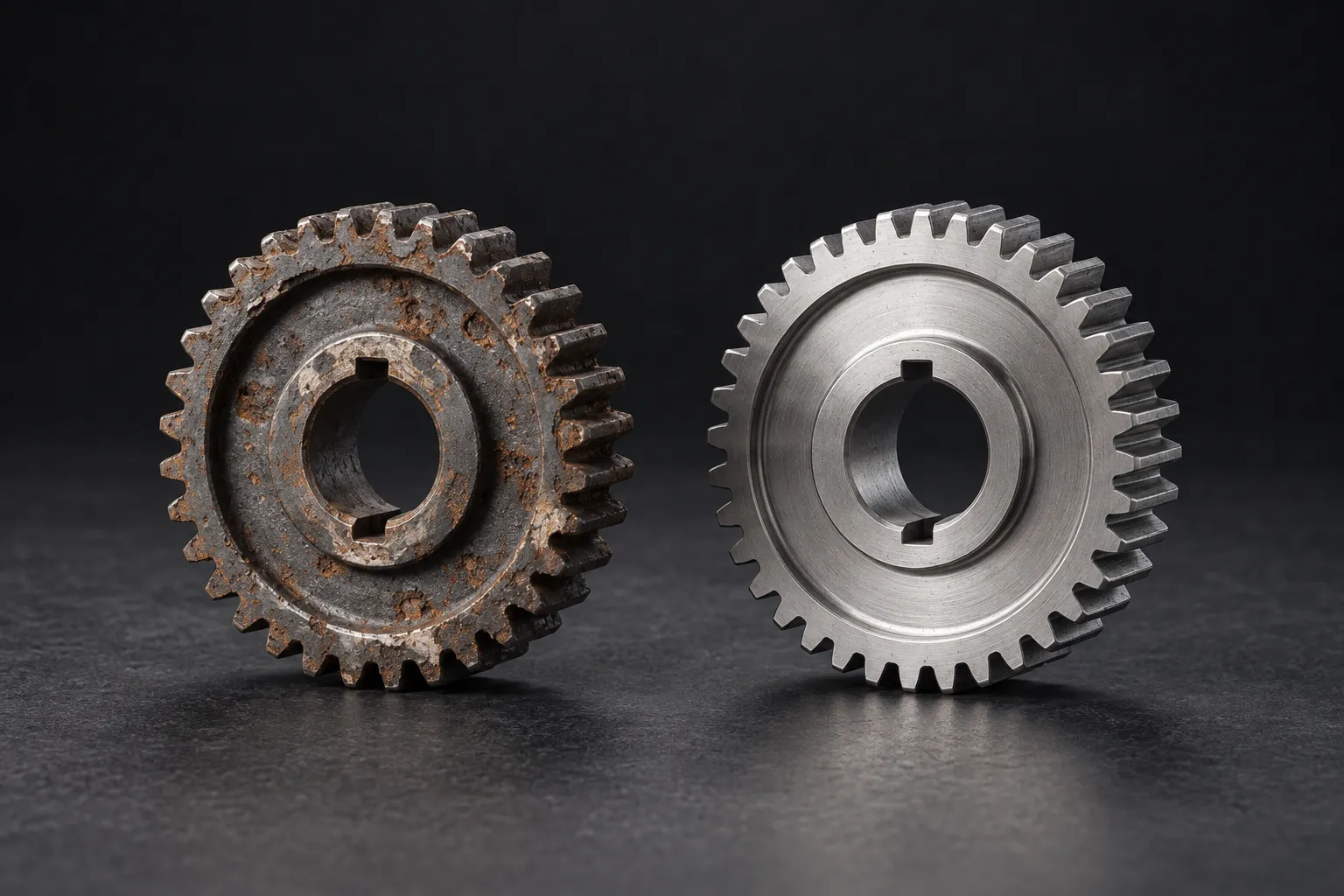
Start with a worn, failed or discontinued part. We reconstruct the design and agree improvements before manufacture.
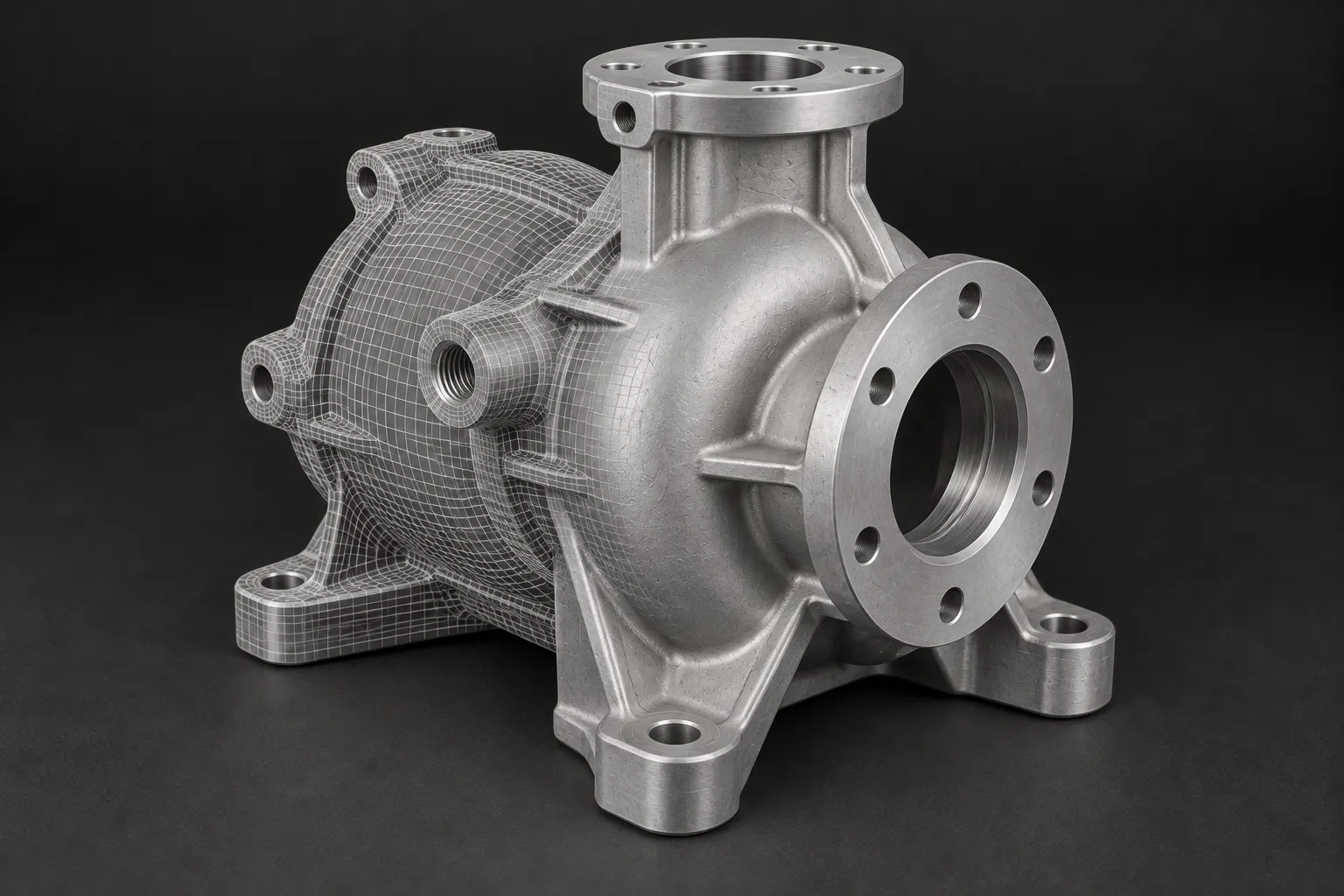
Digital surface capture to support CAD reconstruction and the wider reverse engineering job.
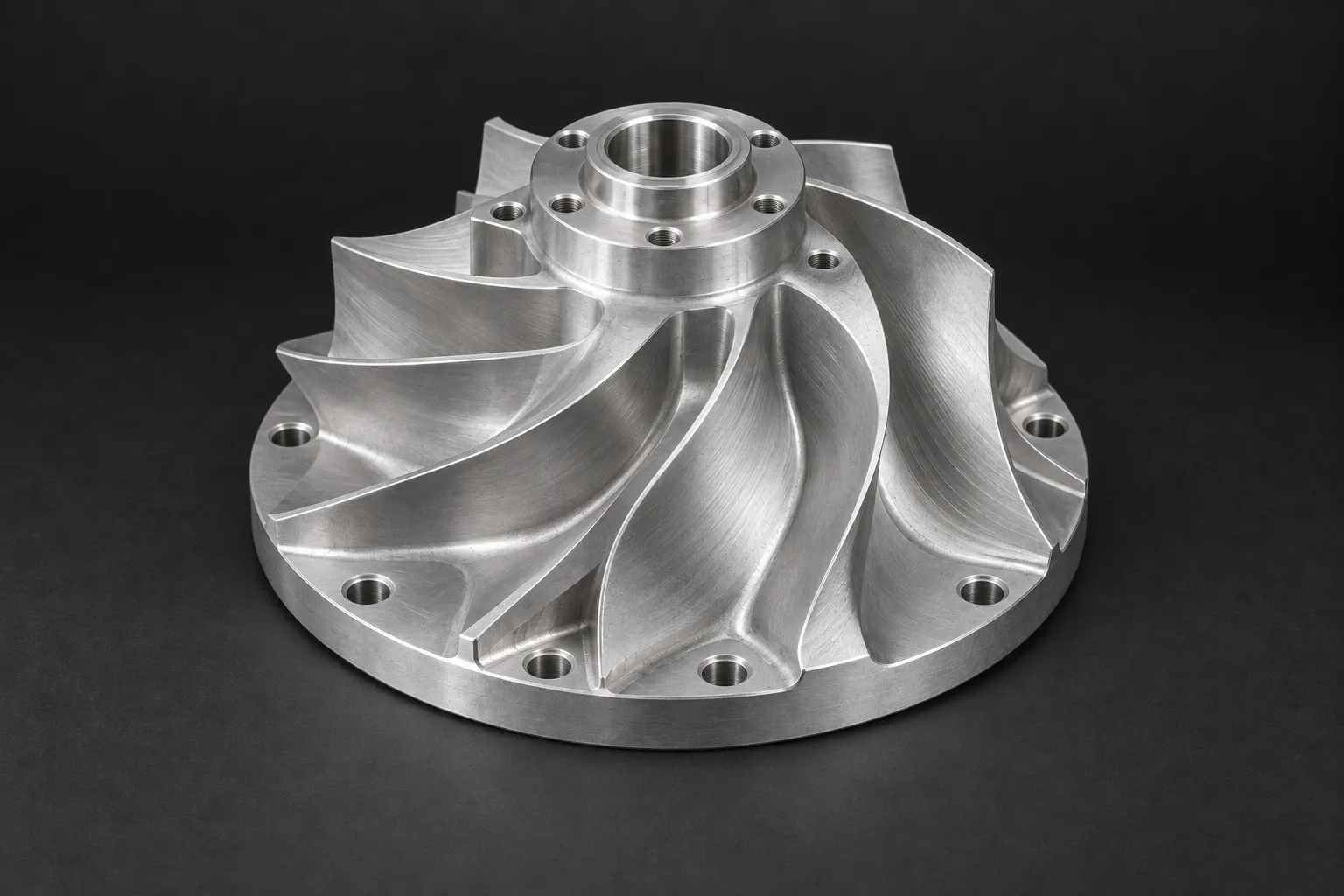
Machine angled features and complex surfaces, with the set-up planned around the critical relationships.
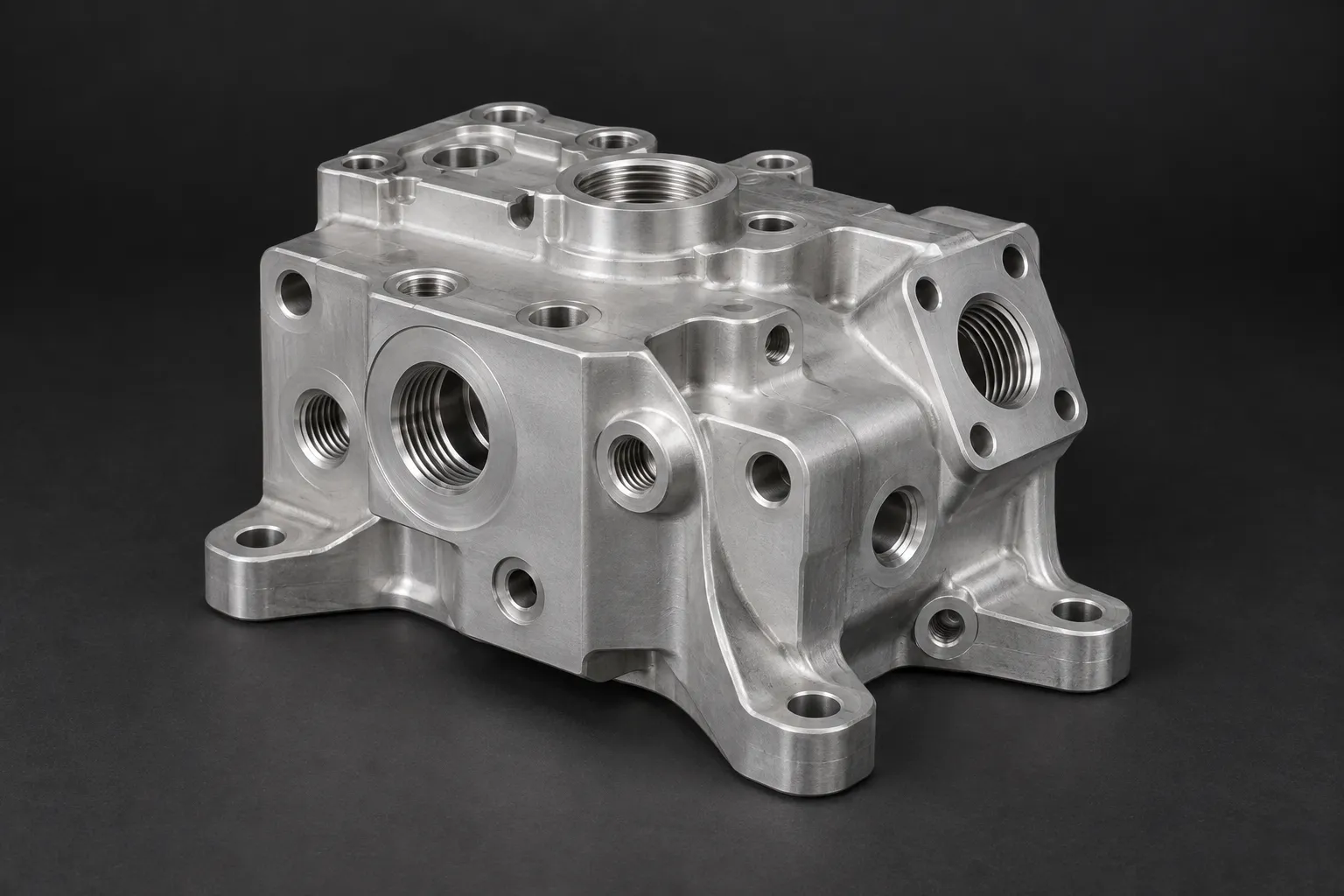
Milled housings, brackets and precision components in metals and engineering plastics.
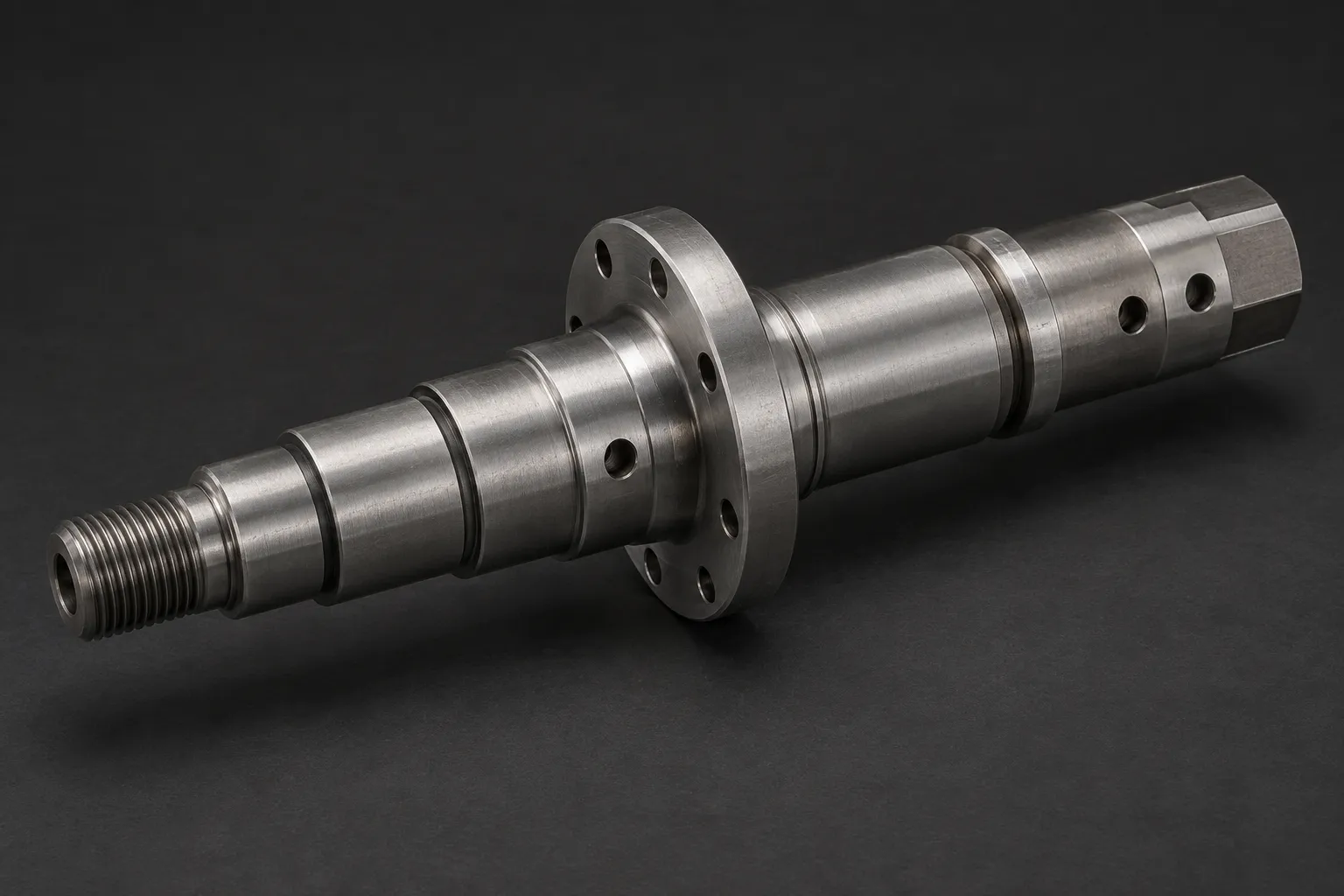
Stepped shafts, threaded fittings and housings, made to drawing or reverse engineered from a sample.
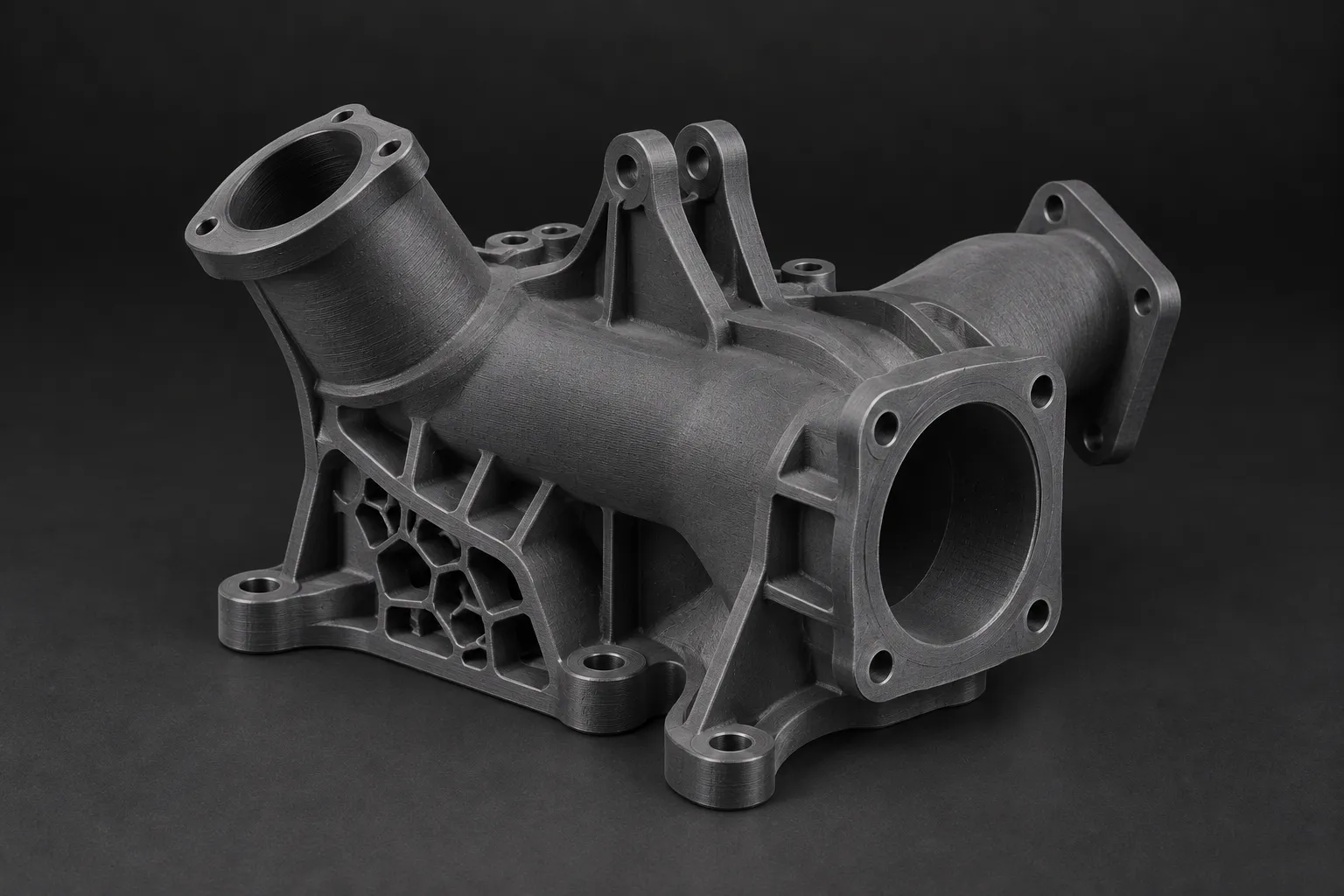
Bring us the application. Our engineers recommend the material and approach for your prototype or part.
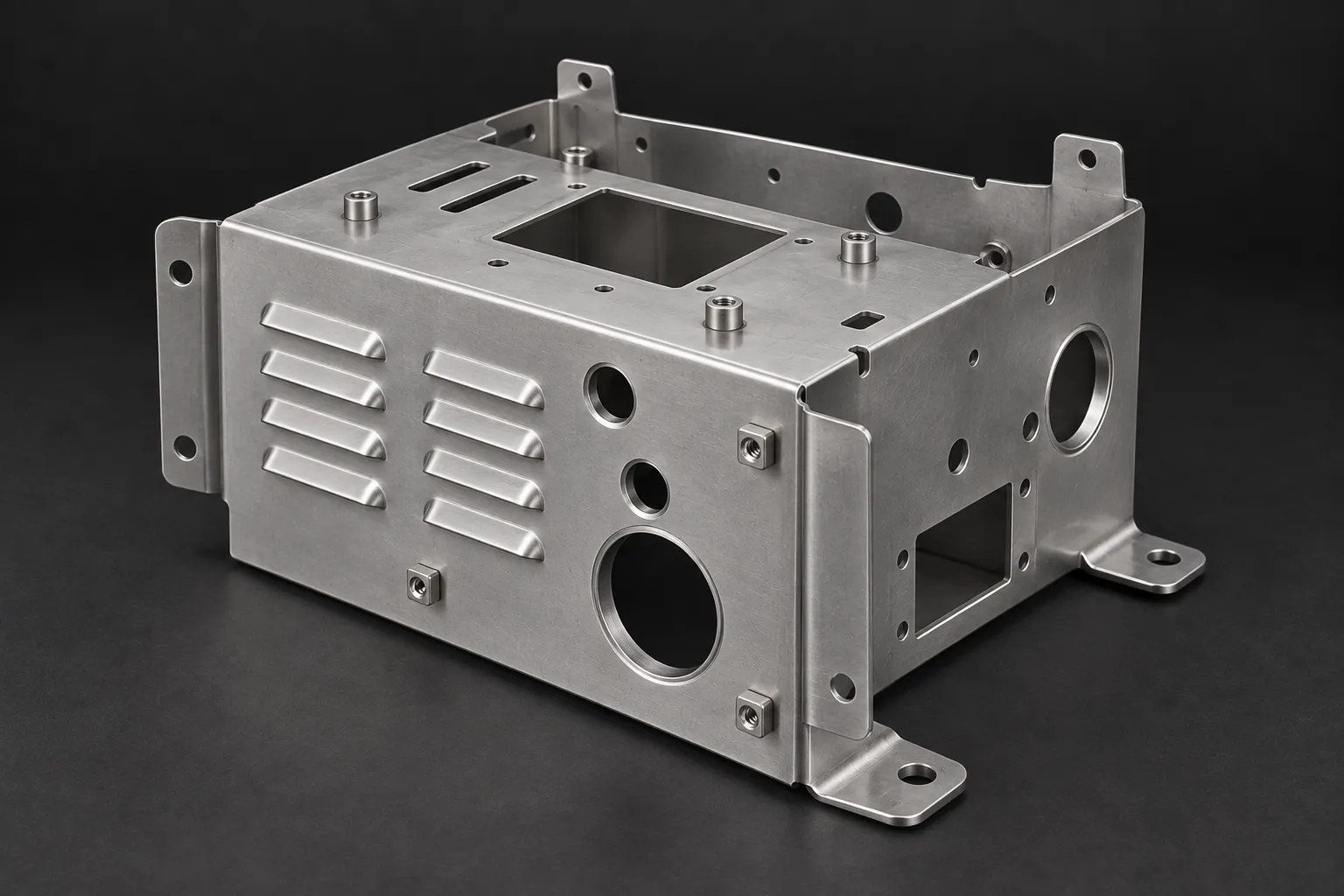
Brackets, panels and enclosures, developed around the bends, interfaces and finished assembly.
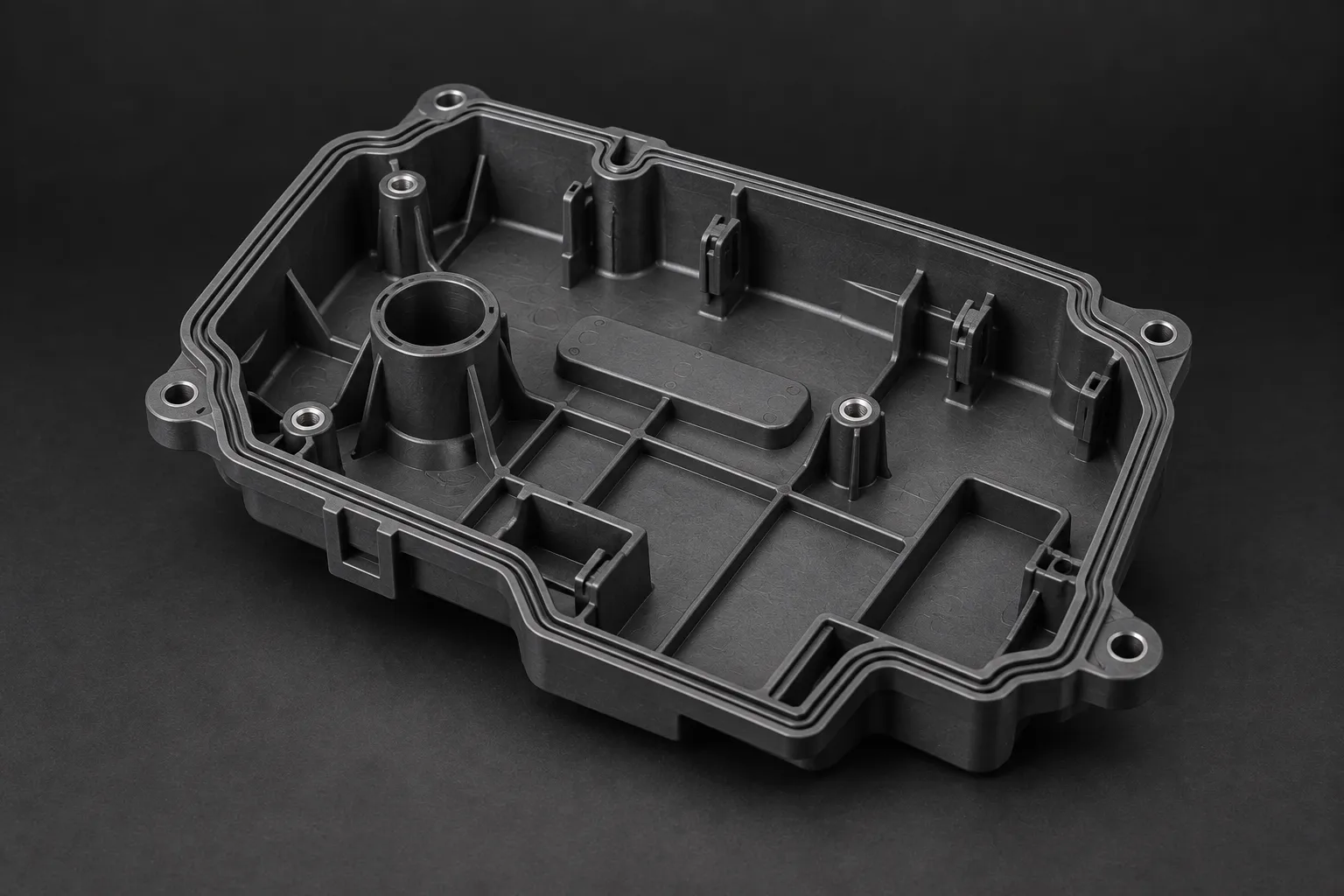
Moulded plastic components, with material, tool design and production requirements considered together.
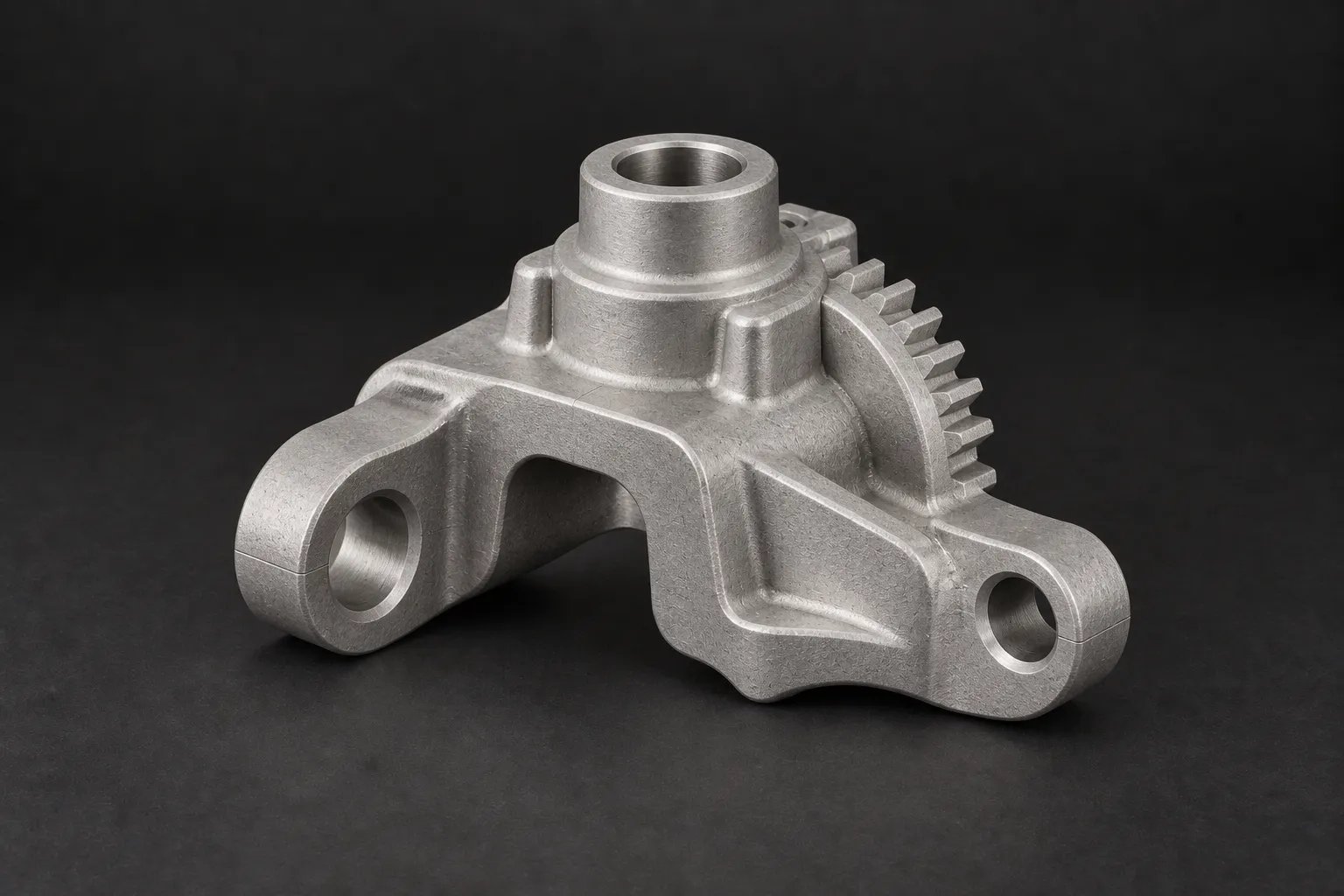
Small, complex metal components where geometry and quantity suit moulding and sintering.
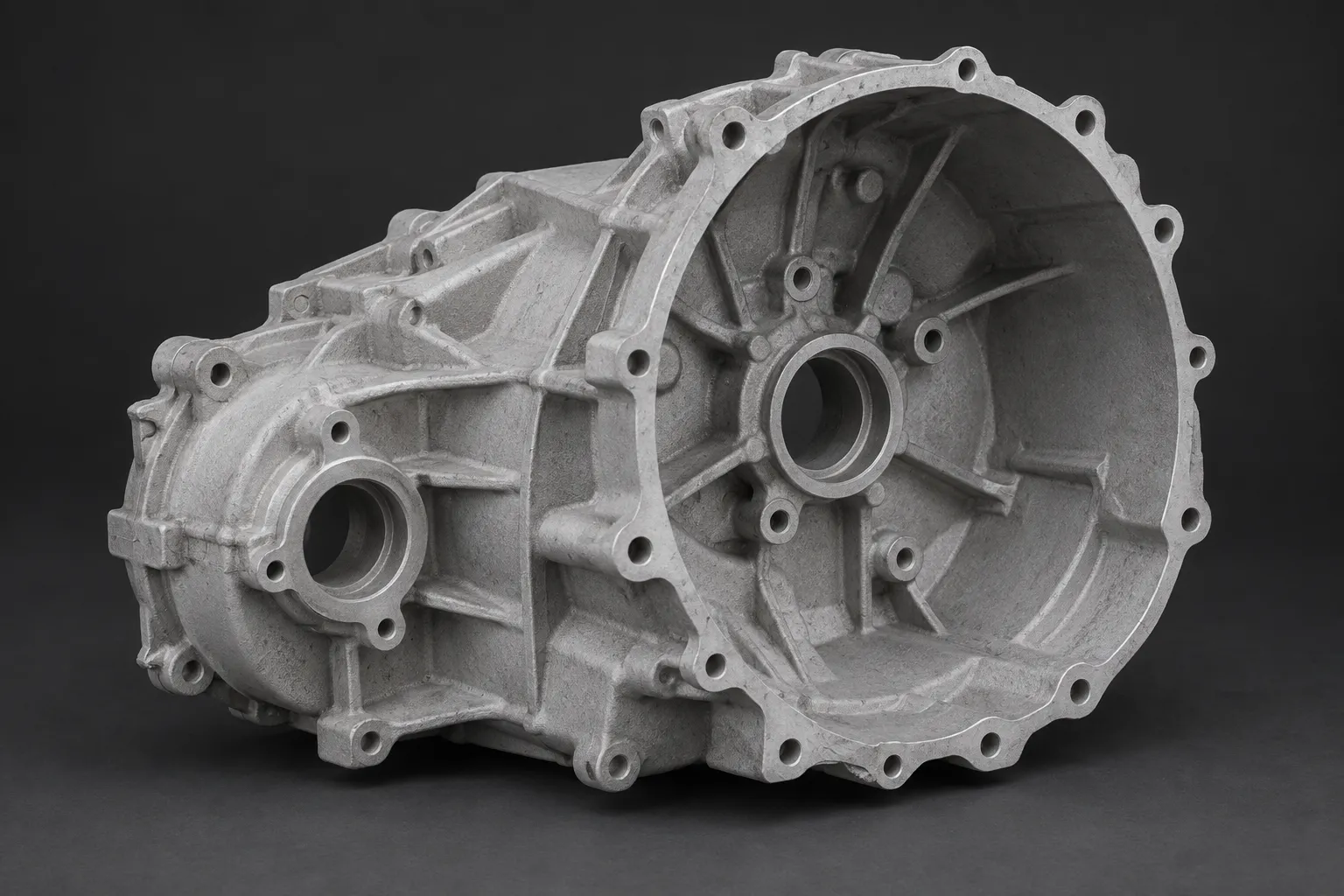
Aluminium housings and components, with casting geometry and any secondary machining planned together.
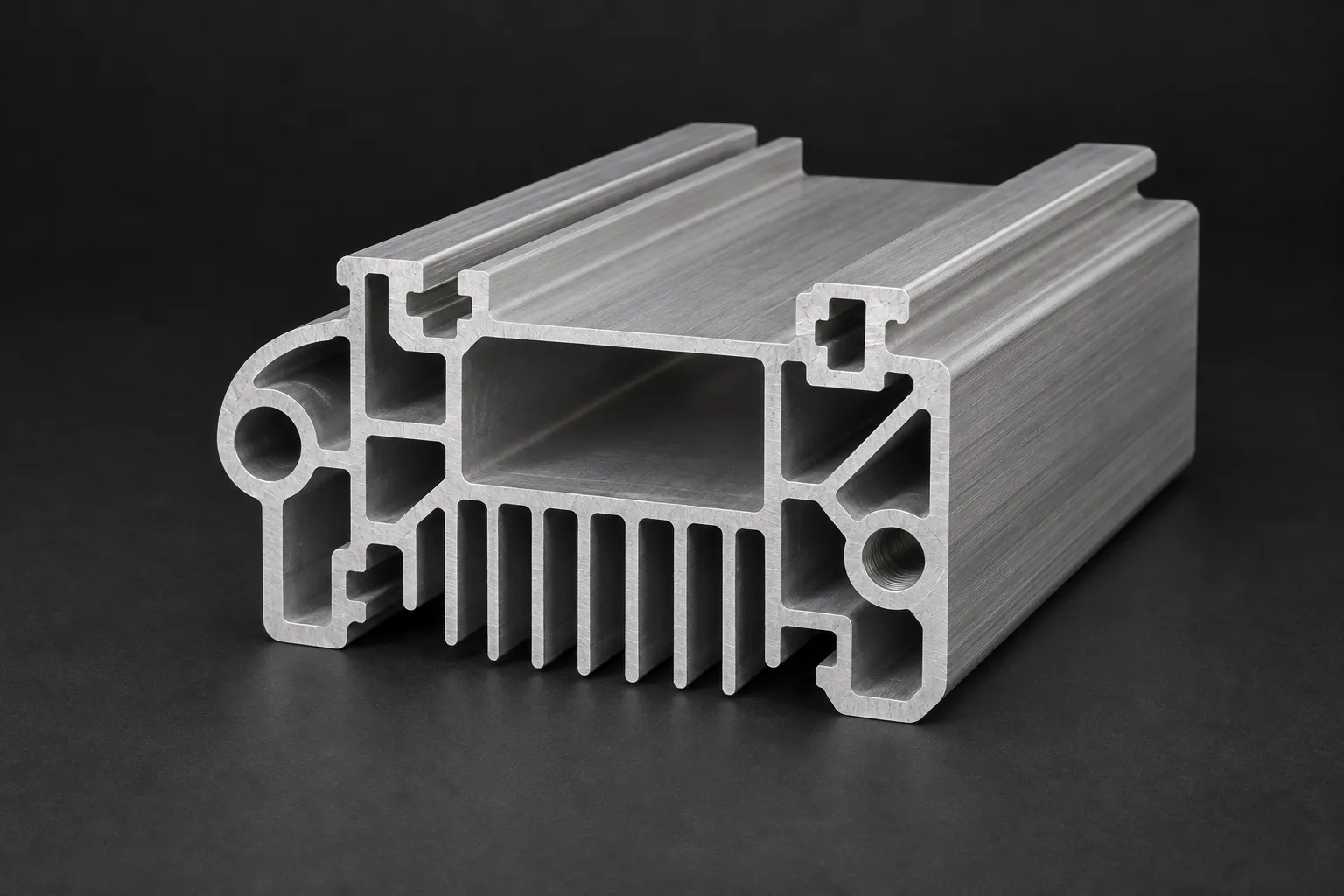
Custom sections developed for the application, then cut, machined and finished as required.
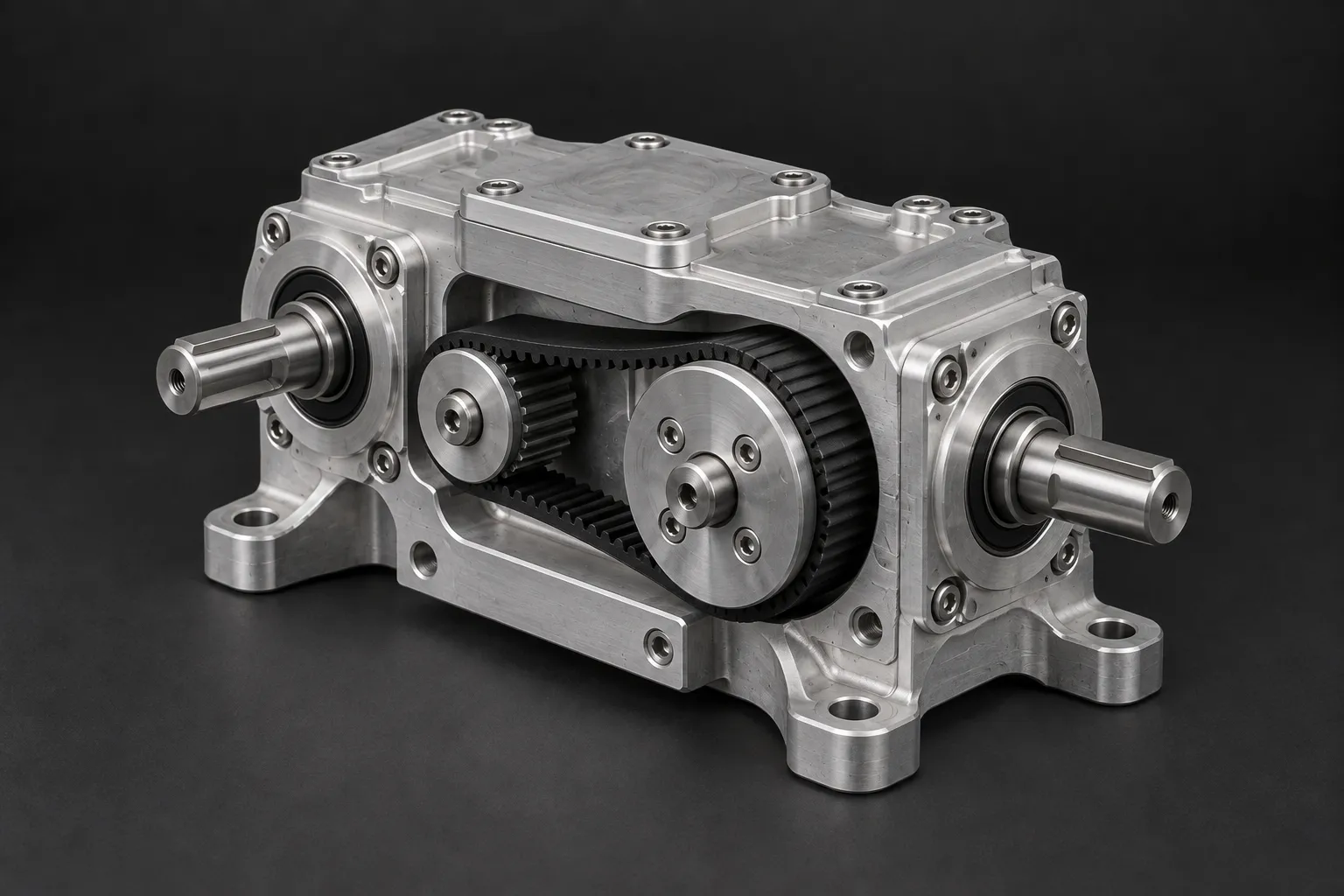
Manufactured and bought-in components brought together, with the interfaces and checks agreed first.
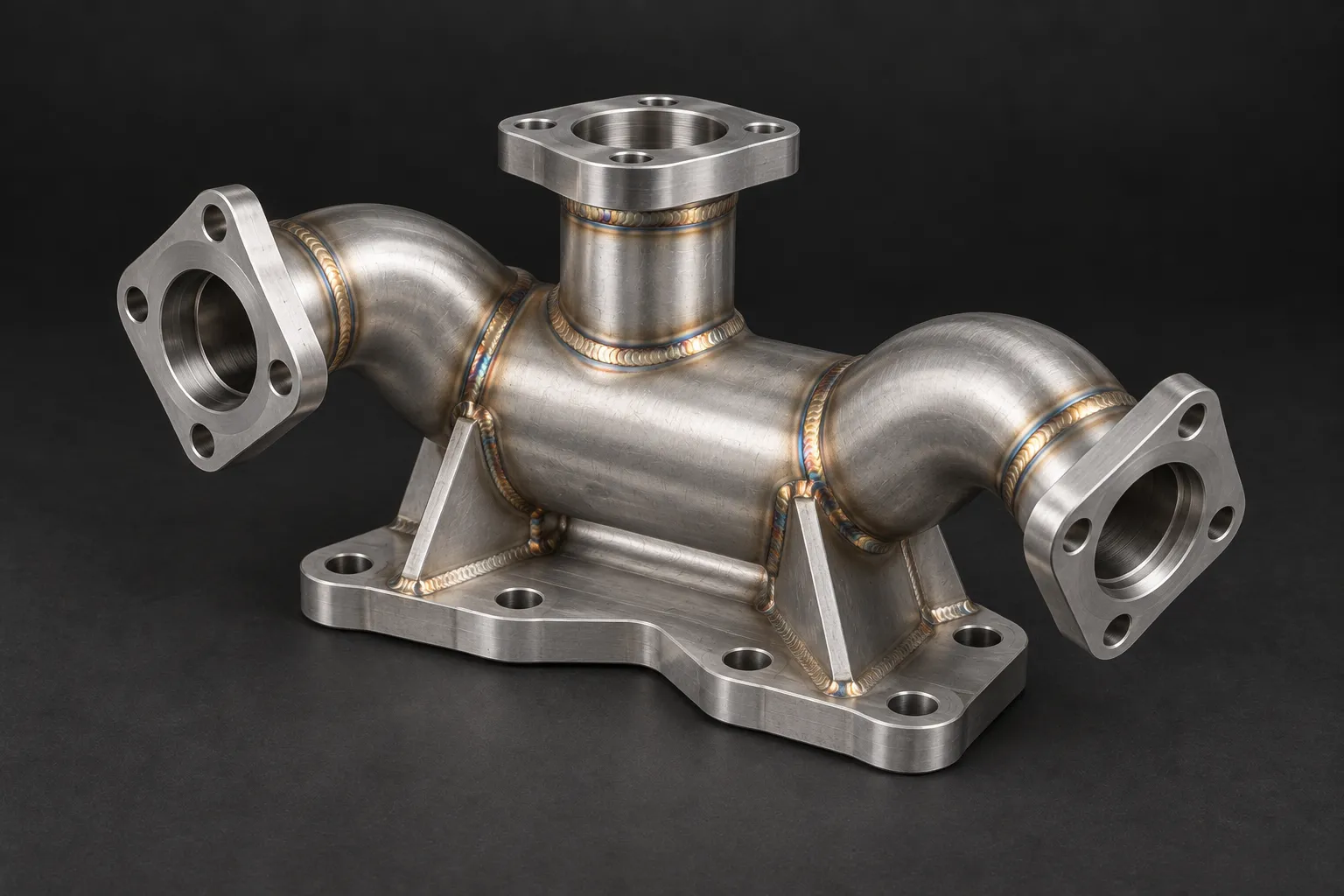
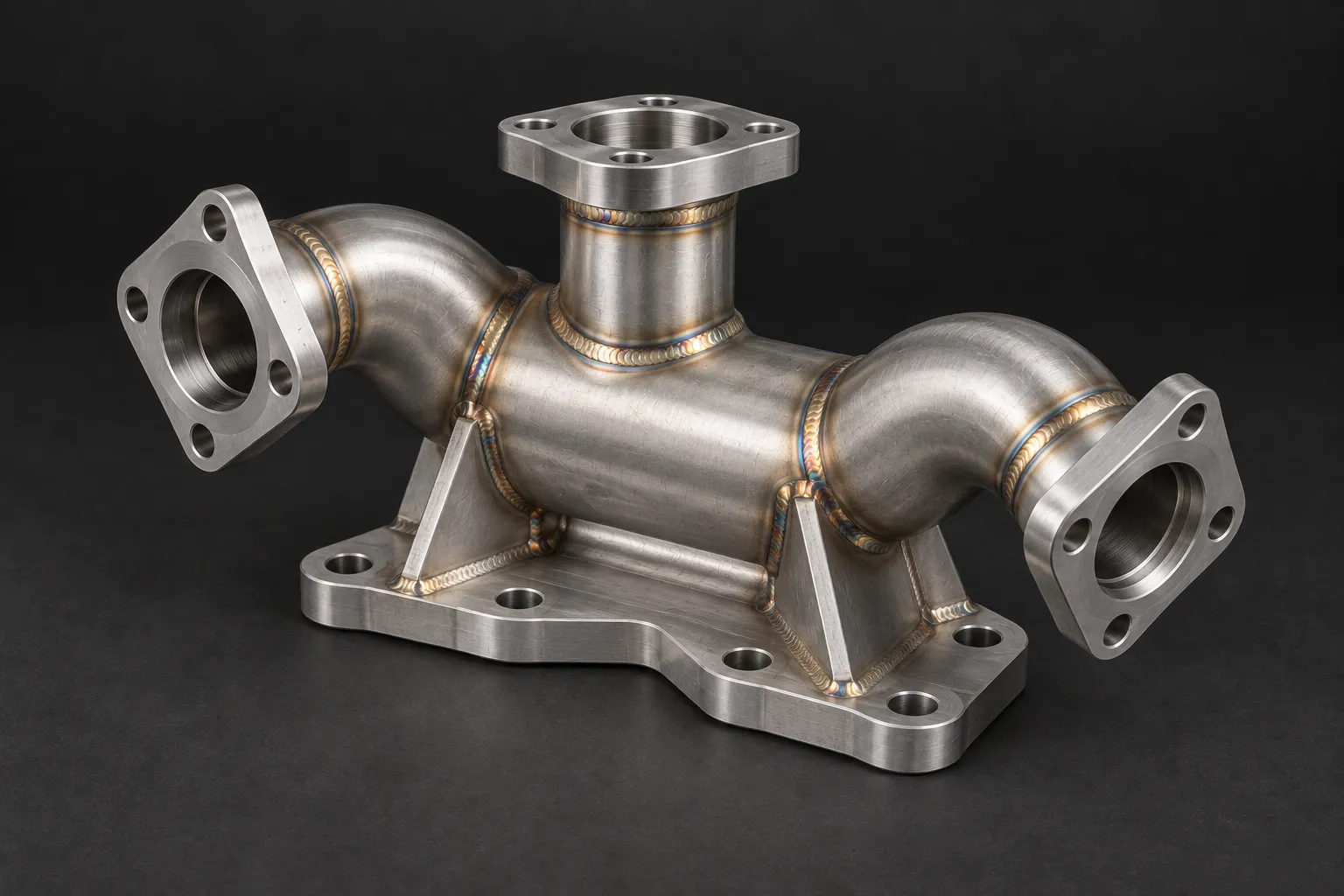
Welded components and fabrications, planned around material, joint access and distortion control.
Welding joins metal components into a fabrication, but the job is about more than laying a weld. Joint preparation, access, material condition, heat input and sequence all affect the finished result. MV reviews how the fabrication will be used and how it must fit its mounting points or mating parts. We choose an appropriate process for the material and joint, then agree the dimensional and visual requirements before making the work.
MIG, TIG or arc welding selected around the material, joint design and access.
The weld sequence and support of the parts are considered before heat is introduced.
Mounting faces, holes and locating features are considered alongside the fabrication work.
The completed work is checked against the requirements agreed for the application.
When a frame, bracket or welded unit has no drawing, our engineers can review the sample and recover the geometry that matters. Reverse engineering helps separate the intended shape from wear, damage or earlier repairs, so proposed changes can be agreed before the replacement is fabricated.
Sheet metal work, machined components and welding can be coordinated within the same project. The team can review interfaces before the parts reach the welding stage.
We agree which dimensions, mounting points and other features need to be checked after welding and any finishing work.
We work with steel, stainless steel and aluminium. The exact grade, condition and joint requirements affect the welding approach, so our engineers confirm suitability before the job starts. Tell us about any coatings, previous repairs or unknown materials in the sample.
The grades below provide a starting point for an enquiry. We confirm the material and welding requirements for the specific fabrication.
Al5052
Al5083
Al6061
Al6082
S235
S355
SS304(L)
SS316(L)
MIG welding
TIG welding
Arc welding
Sheet metal fabrication
Machined interfaces
Agreed inspection
Assembly where required
The finish should follow the function of the joint and the appearance required. A visible weld may be appropriate; another application may call for controlled blending or subsequent finishing. We agree that requirement before work starts because removing weld material or adding a coating can affect the joint or a nearby fit.
The weld remains visible. We agree the appearance and acceptance requirements appropriate to the fabrication.
Where suitable, welds can be dressed or polished to the agreed requirement. Any subsequent coating is considered with the material and application.
Our team looks at the finished fabrication, including how it is made, where it fits and what it needs to do. Welding can sit alongside reverse engineering, machining and sheet metal work within one project. That keeps the decisions about geometry, joints and assembly connected.

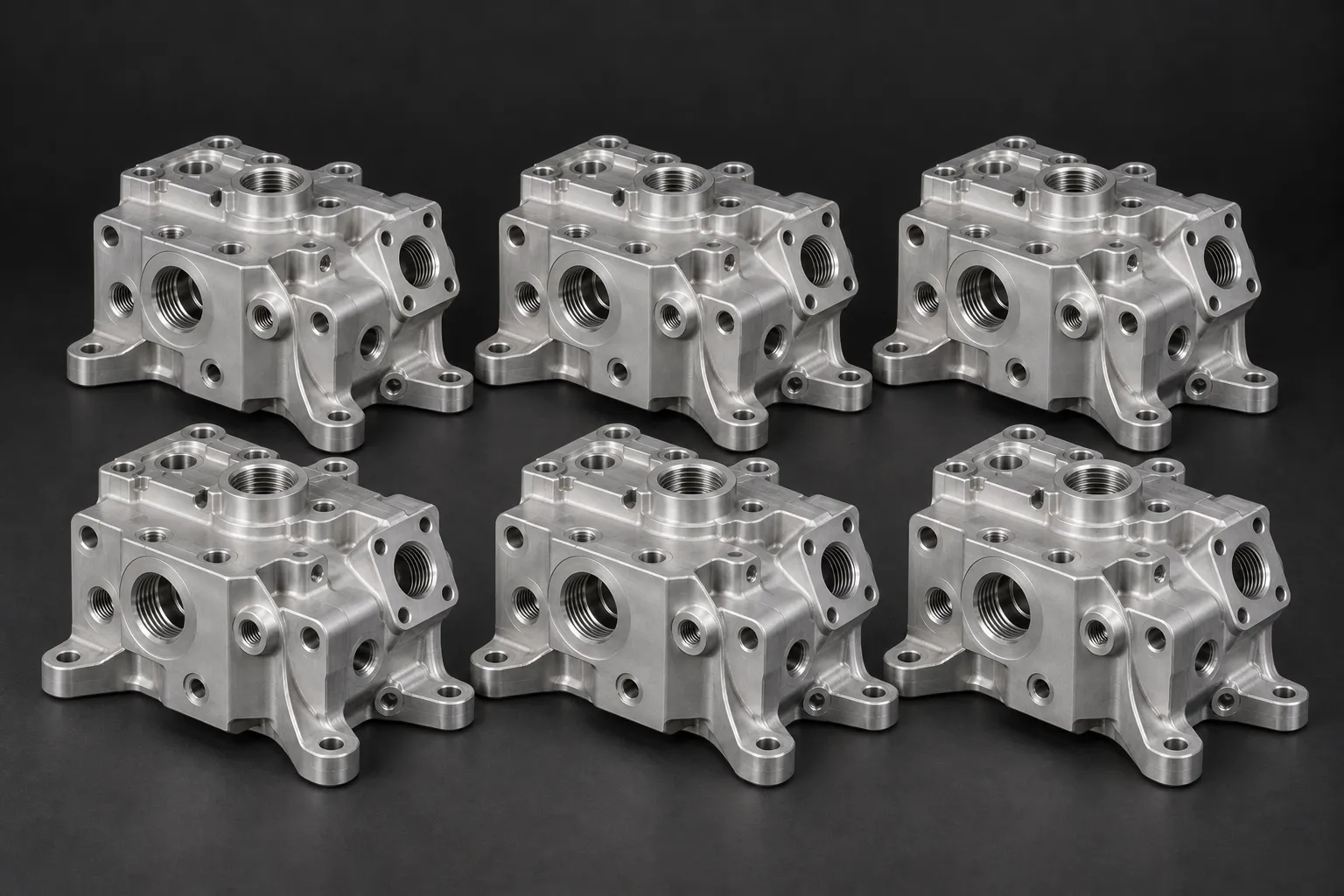
Over 100,000 parts delivered, on time or early every time, an average of 1.5 days ahead. Our team brings the same attention to planning and communication to fabrication work.

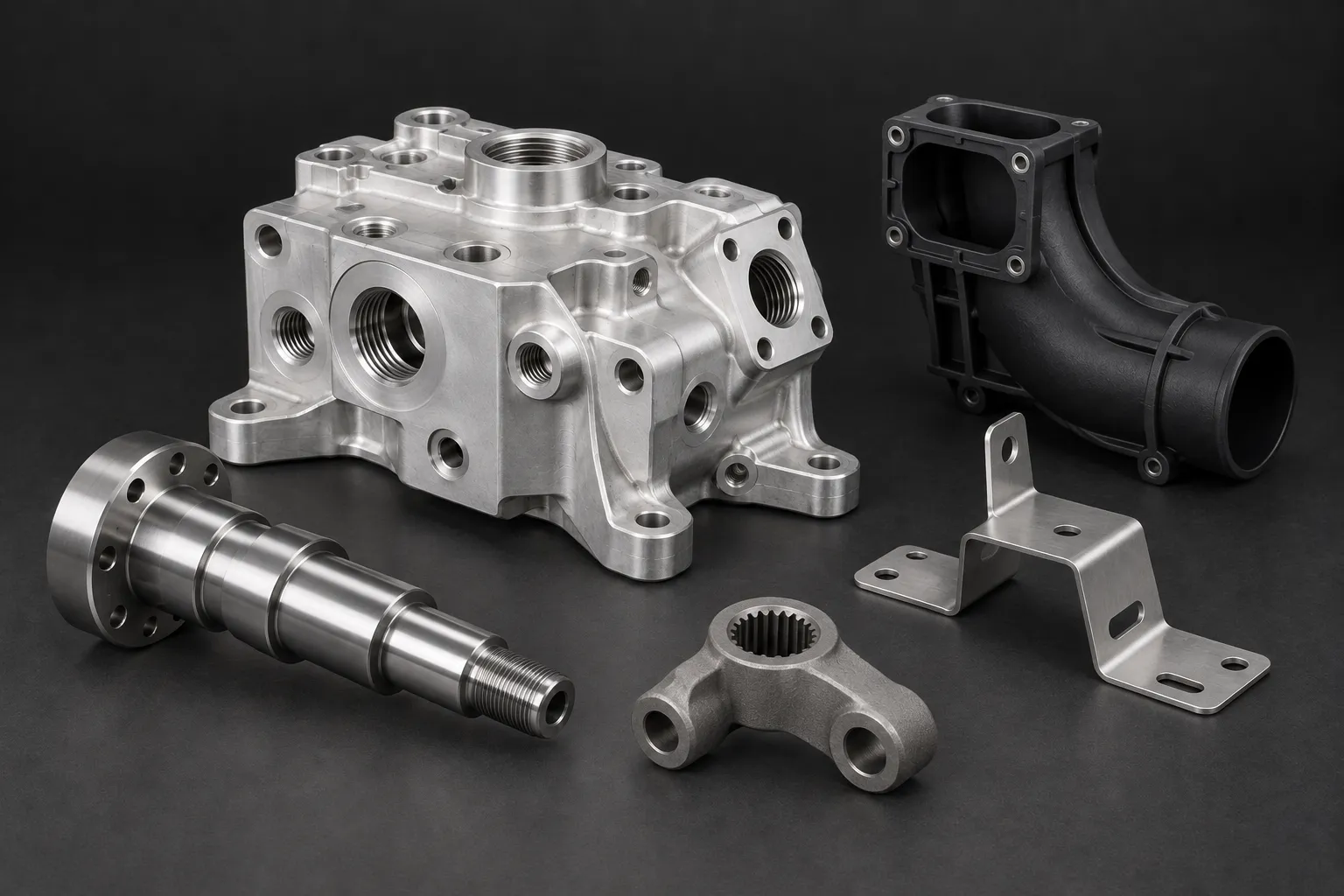
Miguel's background at Cosworth, Perkins and Caterpillar helped shape MV's approach. Our team carries that focus on function, careful judgement and clear communication through each job.
We can coordinate the component manufacturing and welding stages, so access, interfaces and the proposed sequence are considered together.
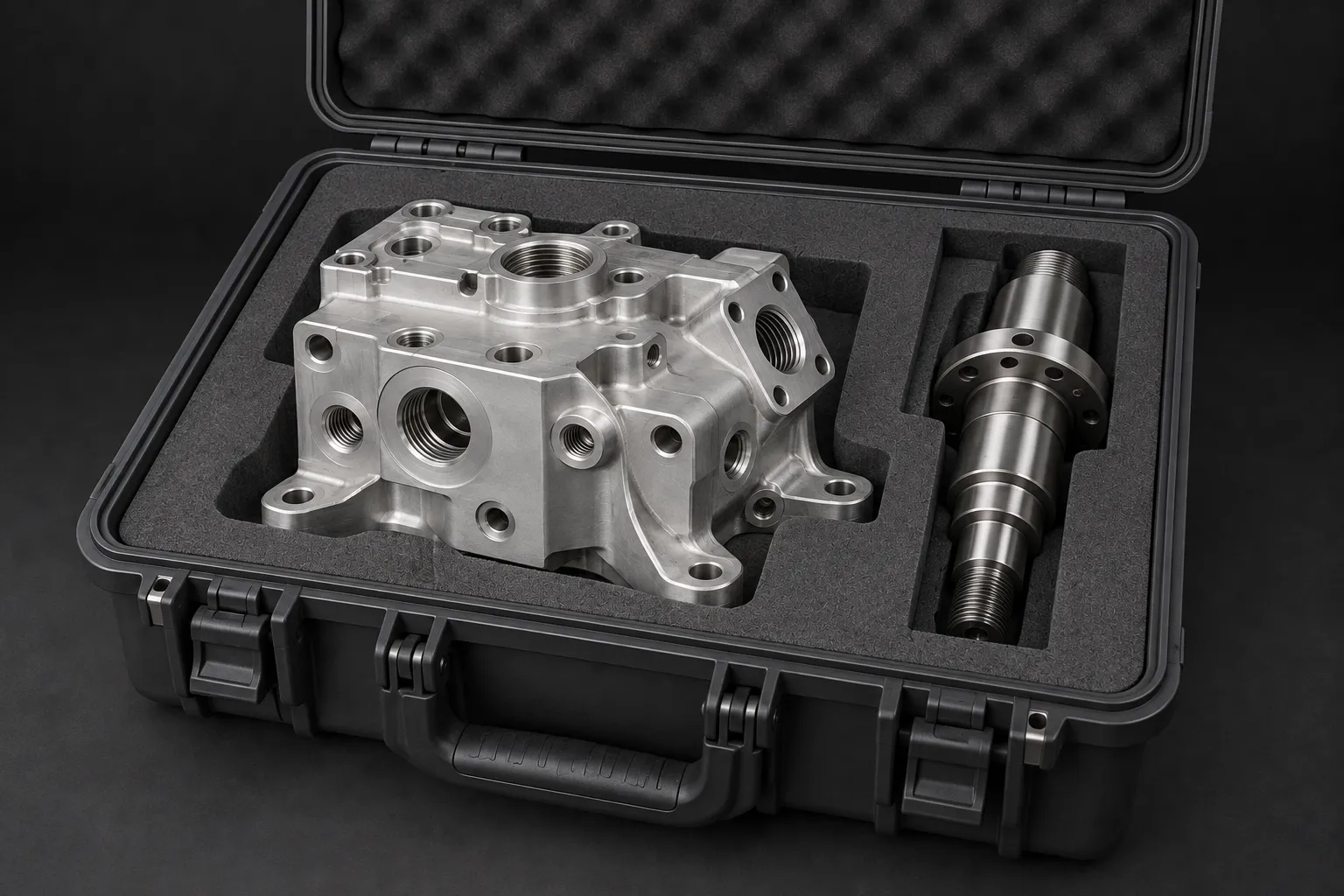
The working environment and mounting requirements influence material and joint decisions. We discuss those requirements before the fabrication is made.
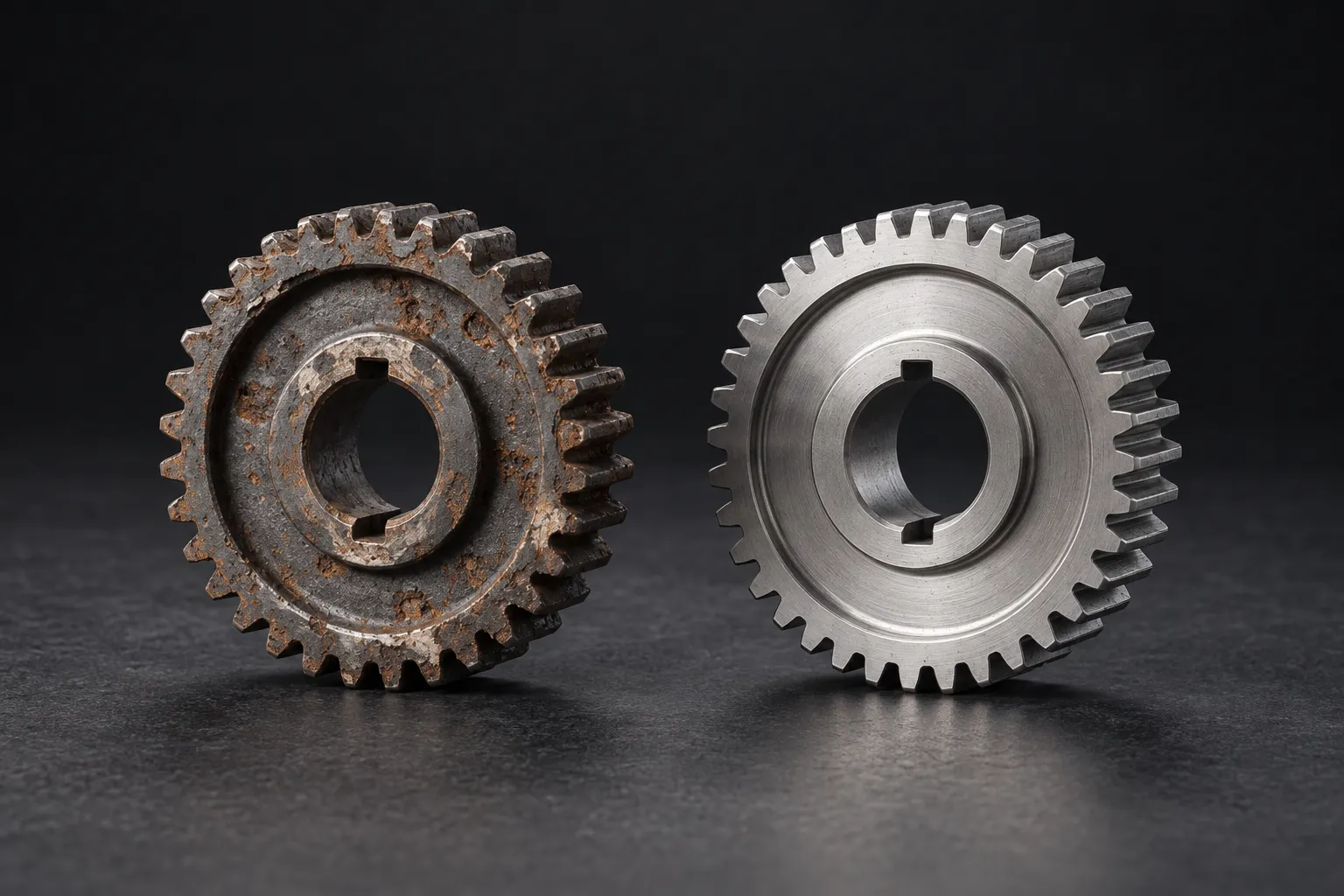
Reverse engineering can turn a worn or obsolete fabrication into an agreed replacement design. We identify the geometry that must remain and discuss improvements where the evidence supports them.
The team reviews the sample or design, agrees the scope, plans the welding work and checks the completed fabrication. Reverse engineering can be included where the original information is missing.
Send drawings, CAD or photographs of the fabrication, with material details if known. Explain what it does, where it mounts and any damage or problems with the original.

An engineer reviews the material, joints, component manufacture, finishing and quantity, then provides an engineer-made quote within 24 hours. Any further investigation or missing information is identified in the scope.
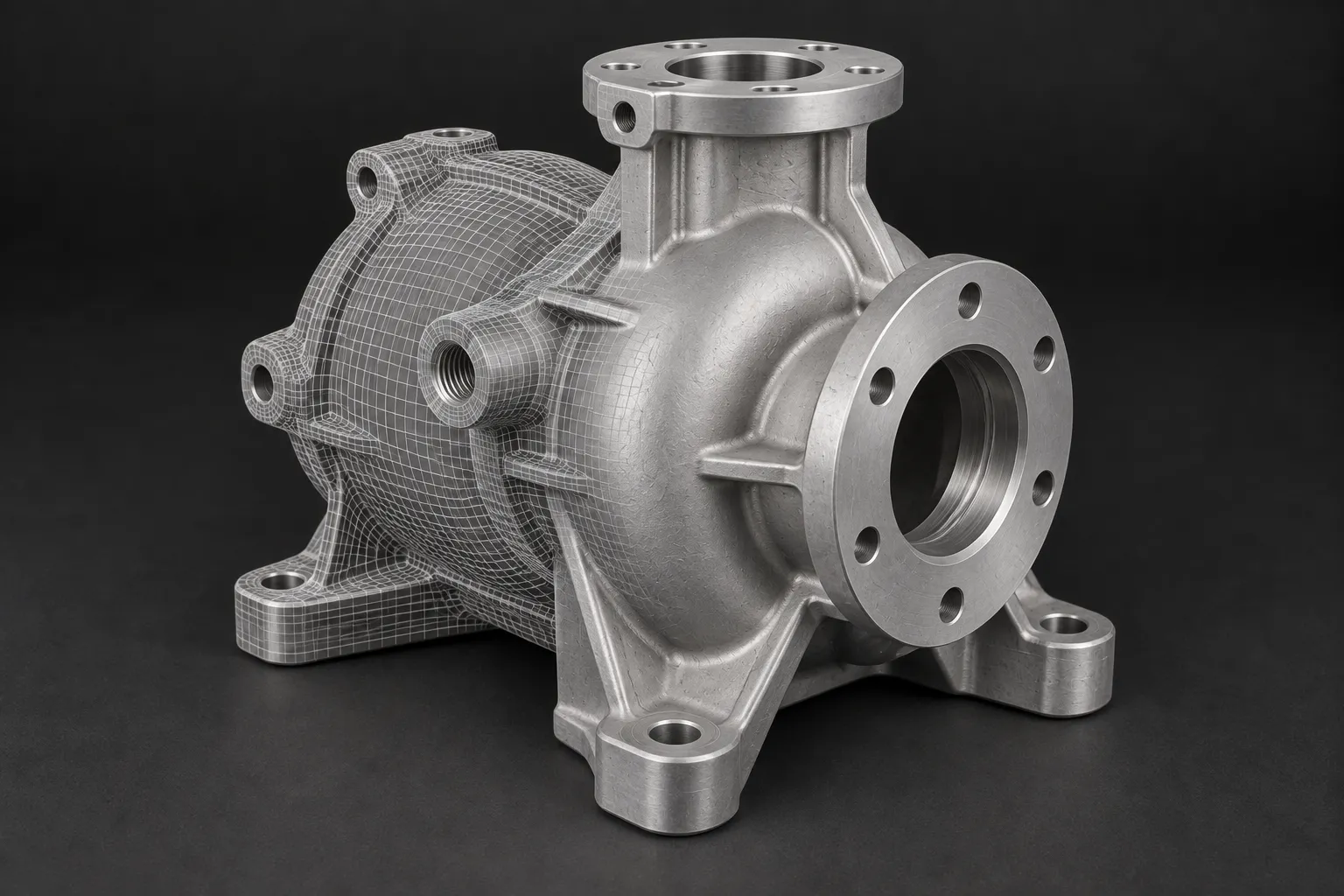
Components are prepared and supported for the planned sequence. The team carries out the welding and reviews the fabrication against the agreed requirements before any further machining, finishing or assembly.
The completed fabrication is checked, protected and packed for delivery with the agreed documentation. Any mounting or handling requirements are reviewed as part of the job.
Welding FAQs

A sample can support reverse engineering when drawings are missing. We assess its geometry, condition and the interfaces it must retain, then define a suitable replacement. The original weld arrangement is reviewed rather than copied automatically, particularly where damage or distortion contributed to failure.
Send drawings or photographs, material details, quantities and the required date. Include joint details, critical dimensions, finish requirements and the component’s working conditions. Where a code, qualification or inspection standard applies, provide it before quotation so its requirements can be assessed.
The process is selected around the material, joint geometry, access, thickness and finished requirements. Appearance is only one consideration. Our engineers review how the weld must perform and how the surrounding component will be held, finished and checked before confirming the route.
Welding introduces heat that can move the surrounding material. Joint design, support, weld sequence and allowances all influence the outcome. We review critical interfaces early and consider whether they should be machined after welding to achieve the required final relationship.
Secondary machining can be included where mounting faces, bores or other interfaces require a controlled finished condition. The fabrication and machining stages must be planned together, including access and material allowance. Specify the dimensions that apply after all operations are complete.
Sheet metal components can be incorporated into a welded fabrication where the design and material suit the process. Bends, joint access and heat input affect the manufacturing sequence. We review the complete part, including fasteners, finish and final assembly requirements.
A repair needs an assessment of the damage, material and intended service. Some components are better replaced, especially where the cause of failure or original material cannot be established. Send clear photographs and usage details so we can advise on the next review step without assuming a repair is suitable.
Inspection should follow the component’s function and any applicable specification. Visual appearance alone does not establish that a weld meets every performance requirement. Tell us which acceptance criteria or testing obligations apply so their availability and scope can be confirmed before work begins.
A finish can be planned around corrosion exposure, appearance, cleaning and subsequent assembly. Surface preparation and inaccessible areas should be considered before the fabrication is made. Identify surfaces that must remain uncoated or maintain a particular fit in the finished component.
Both can be assessed against the same engineering brief. Quantity influences the value of dedicated fixtures and the most practical manufacturing sequence. Send the component details and expected repeat demand so the quotation reflects the whole requirement rather than only the first unit.