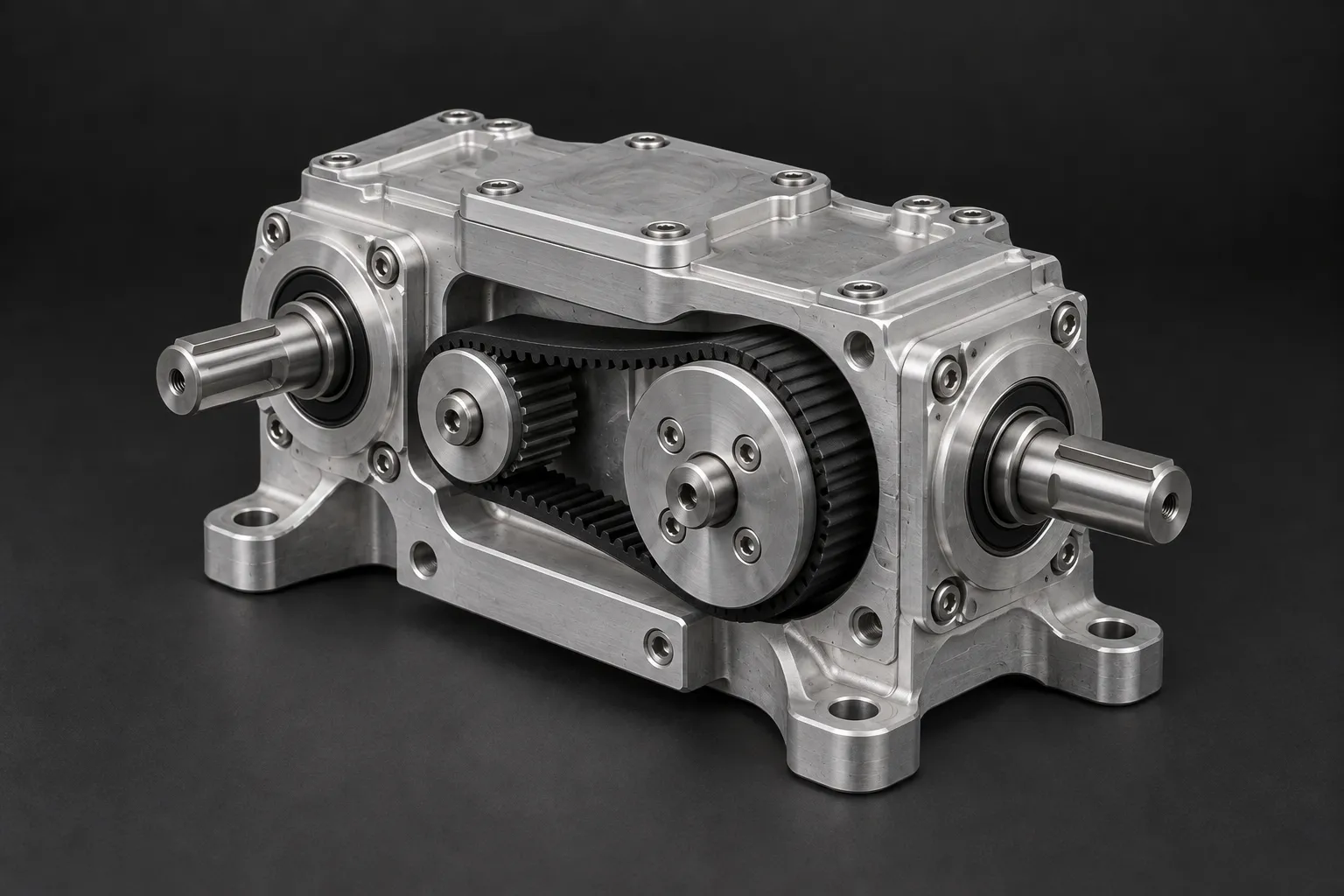
Machined, moulded, cast and bought-in components brought together into a finished unit. Our team plans the build around how the parts locate, move and fit, then checks the assembly against the agreed requirements. If the original drawings are missing, reverse engineering gives the rebuild its starting point.
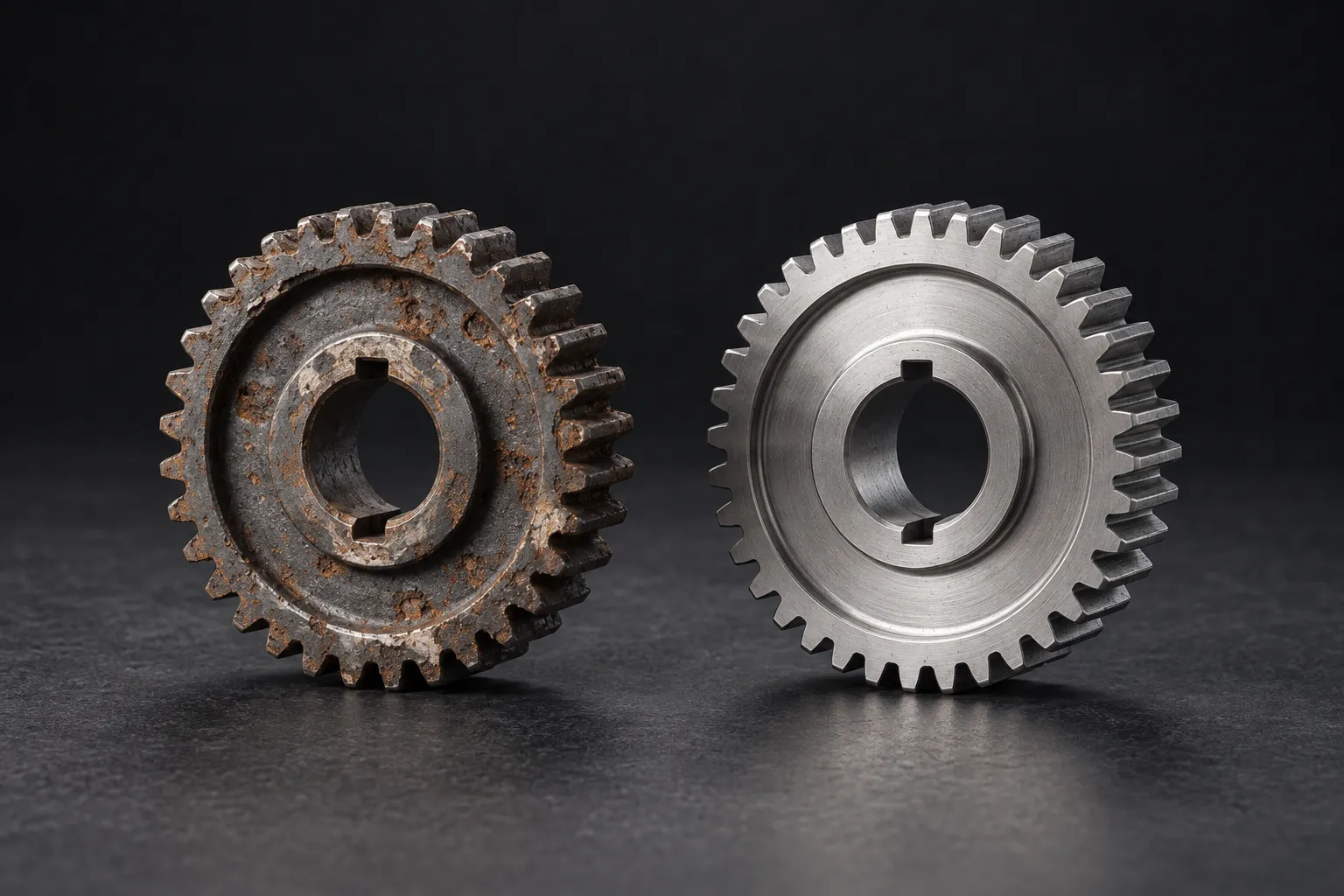
Start with a worn, failed or discontinued part. We reconstruct the design and agree improvements before manufacture.
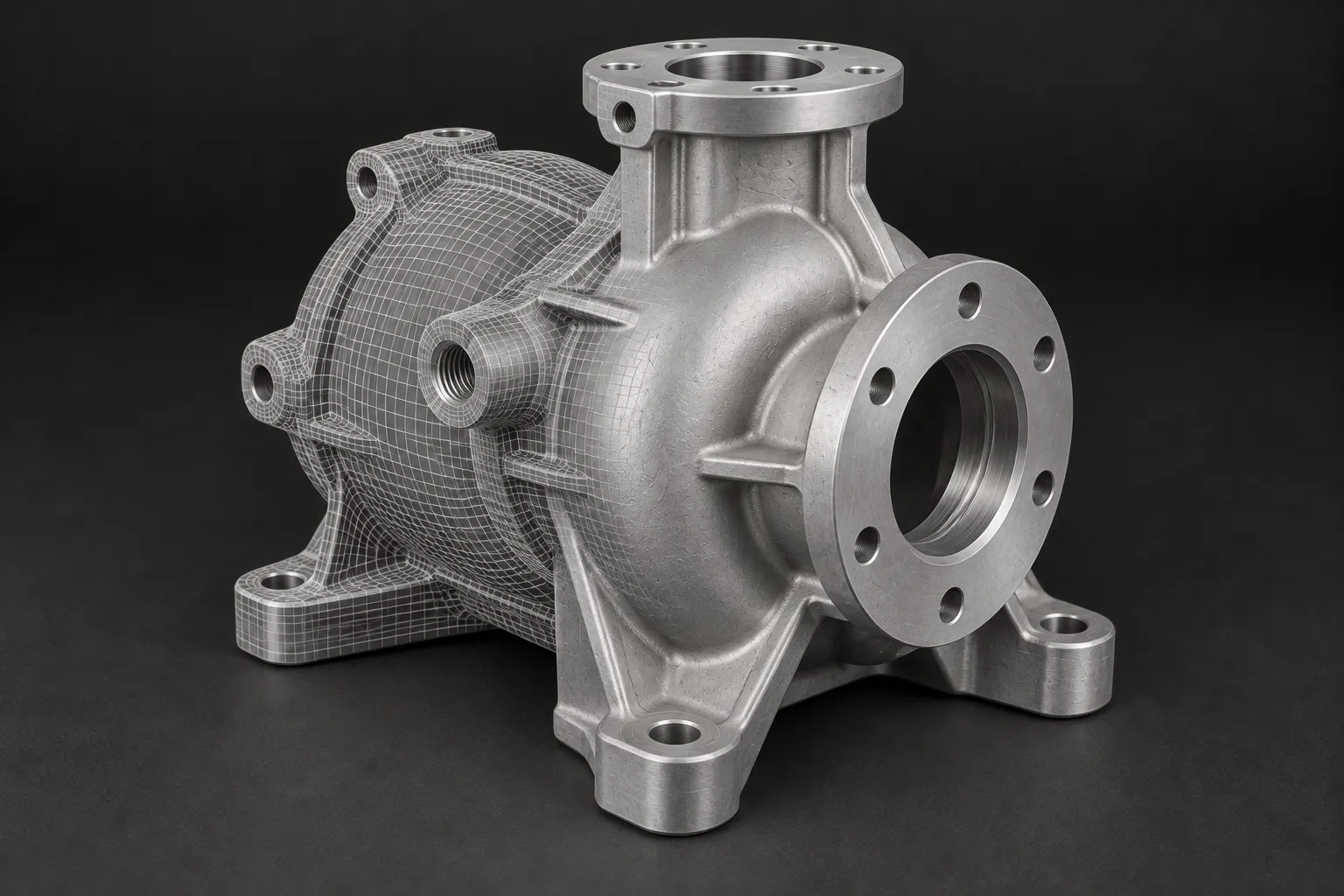
Digital surface capture to support CAD reconstruction and the wider reverse engineering job.
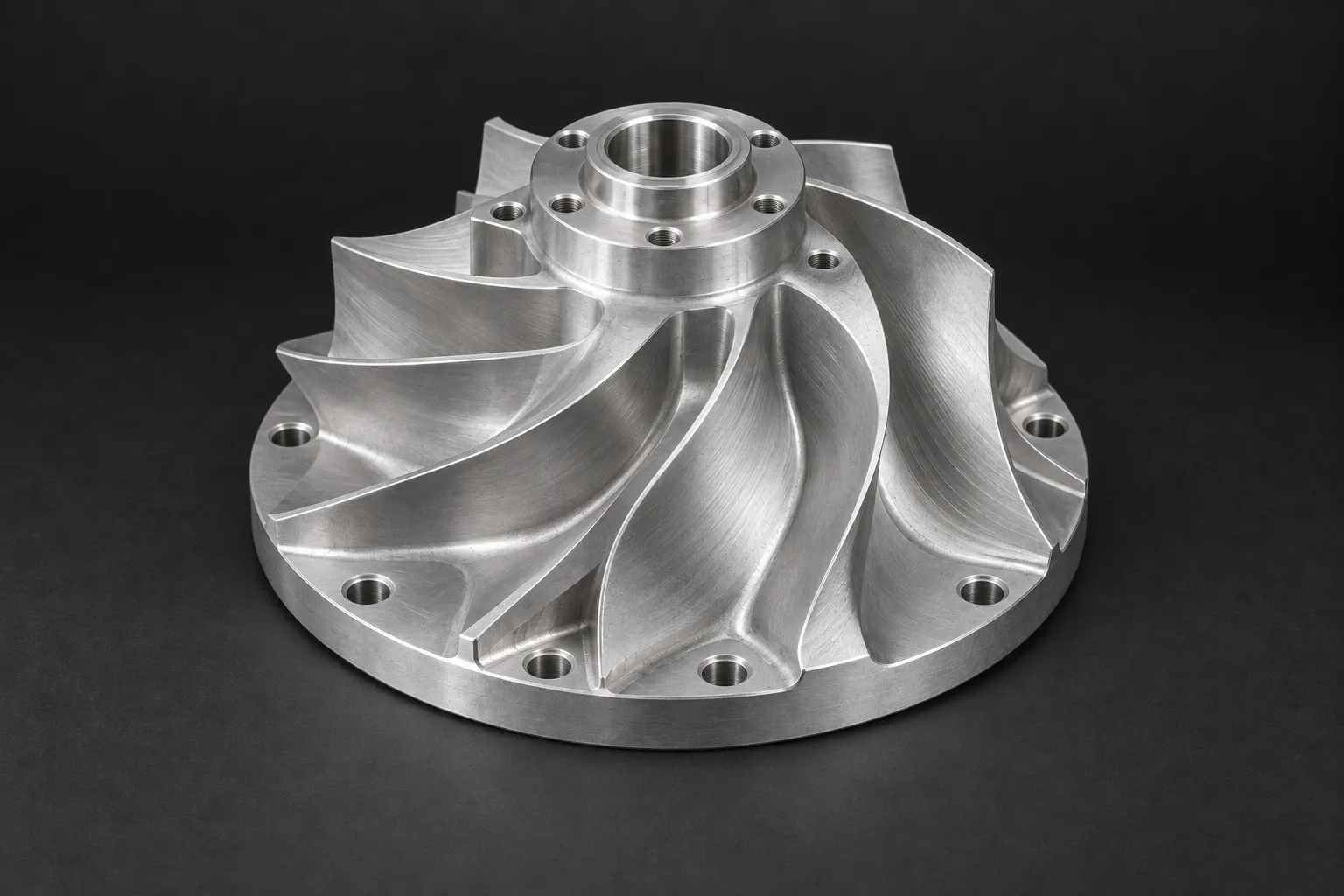
Machine angled features and complex surfaces, with the set-up planned around the critical relationships.
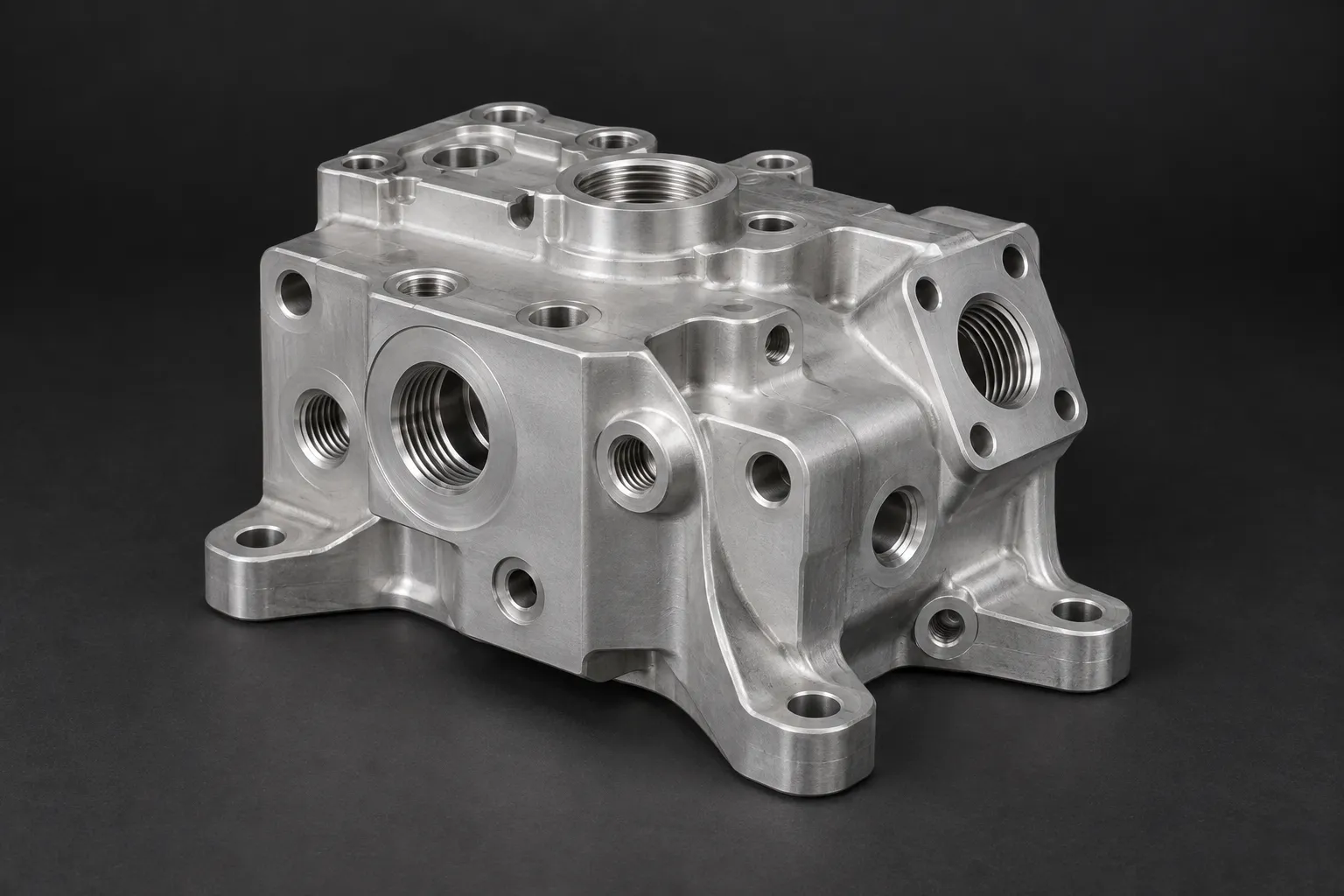
Milled housings, brackets and precision components in metals and engineering plastics.
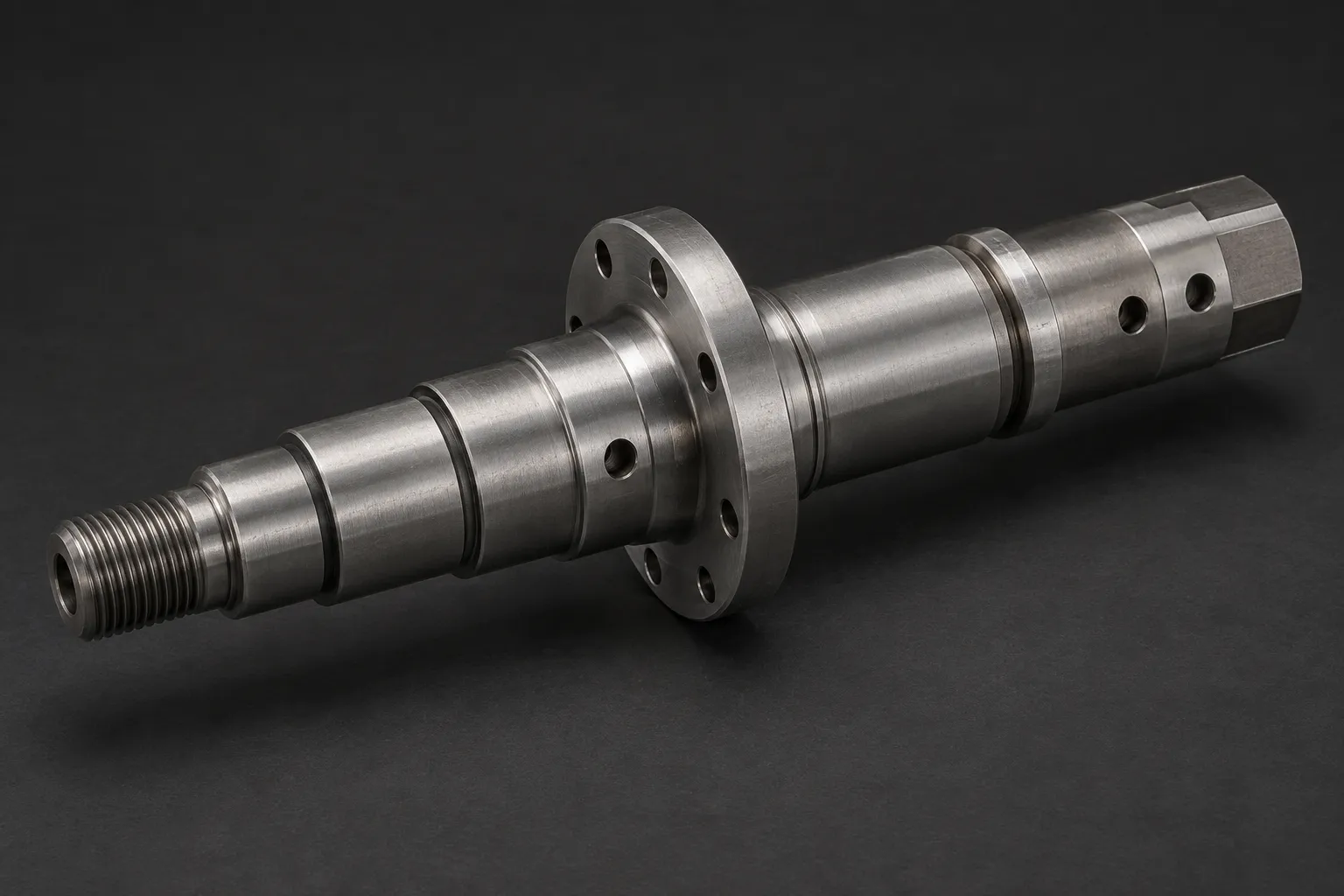
Stepped shafts, threaded fittings and housings, made to drawing or reverse engineered from a sample.
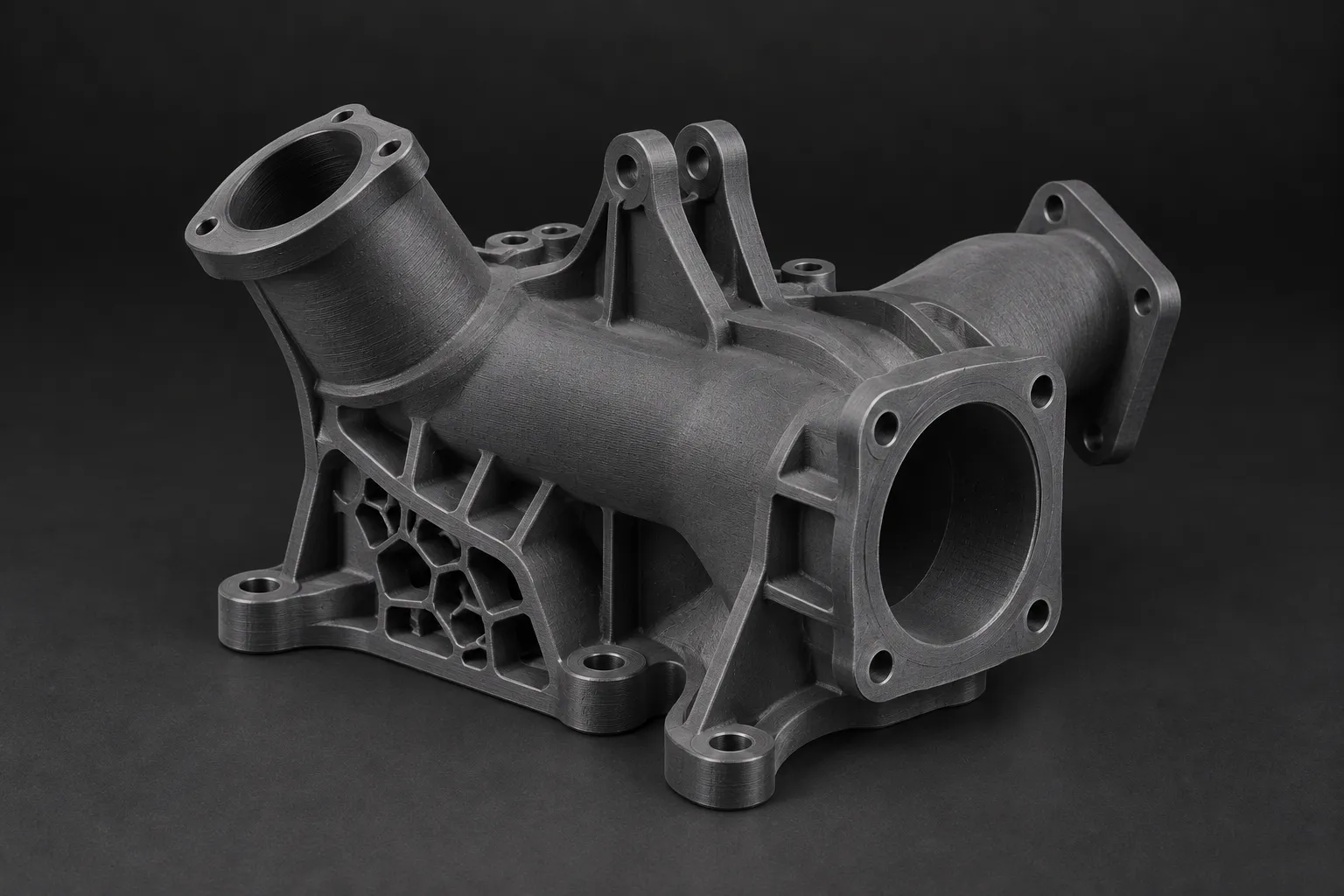
Bring us the application. Our engineers recommend the material and approach for your prototype or part.
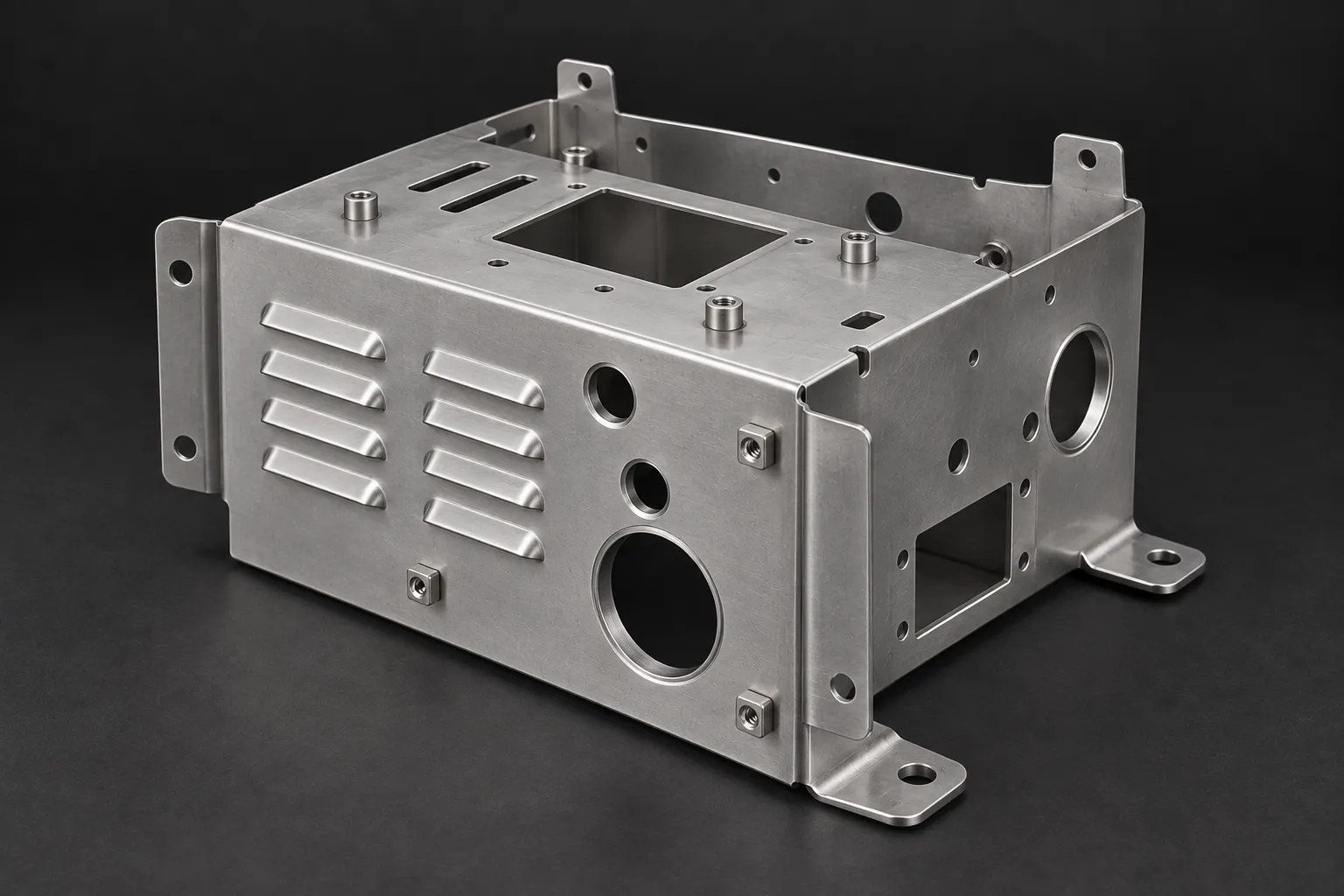
Brackets, panels and enclosures, developed around the bends, interfaces and finished assembly.
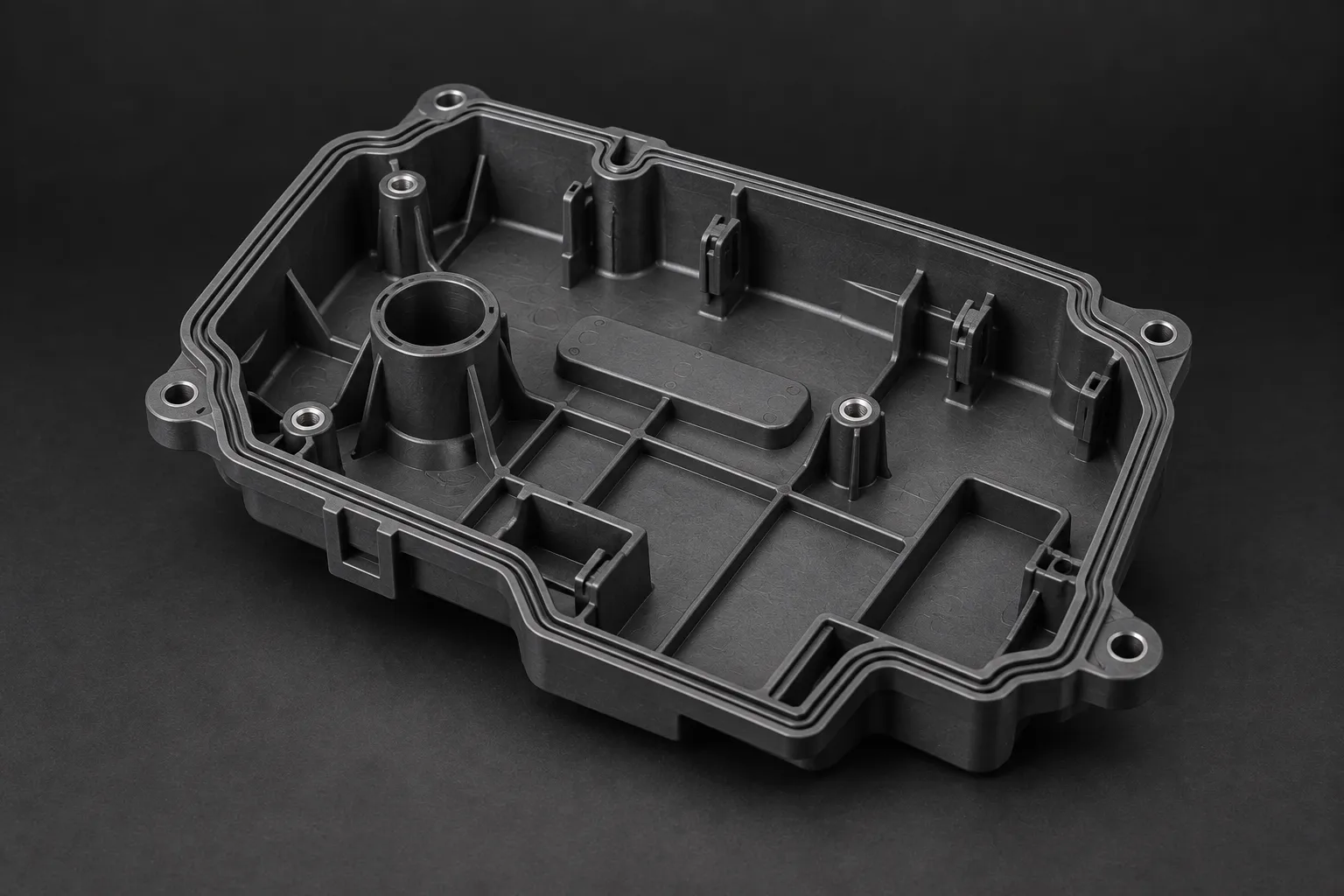
Moulded plastic components, with material, tool design and production requirements considered together.
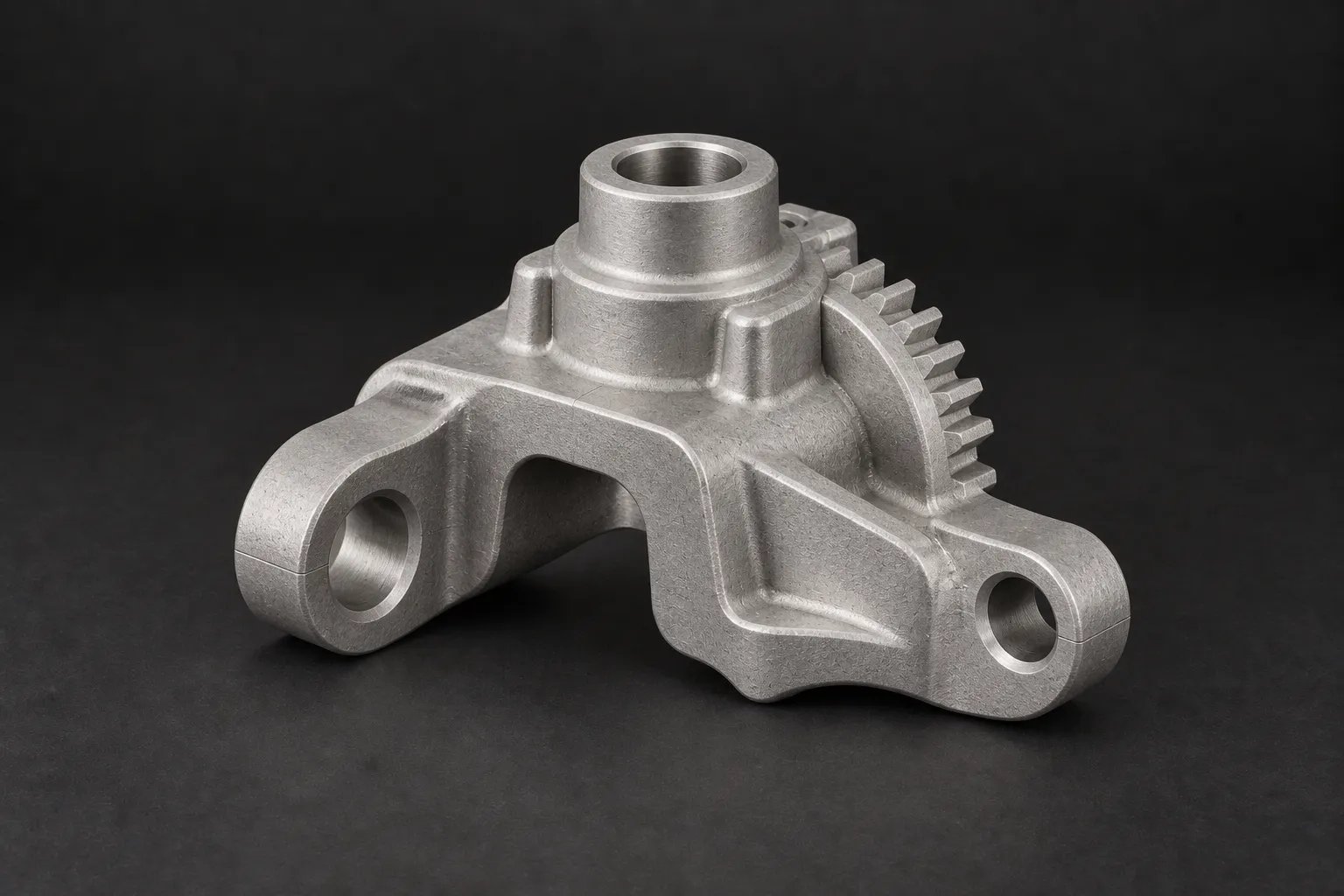
Small, complex metal components where geometry and quantity suit moulding and sintering.
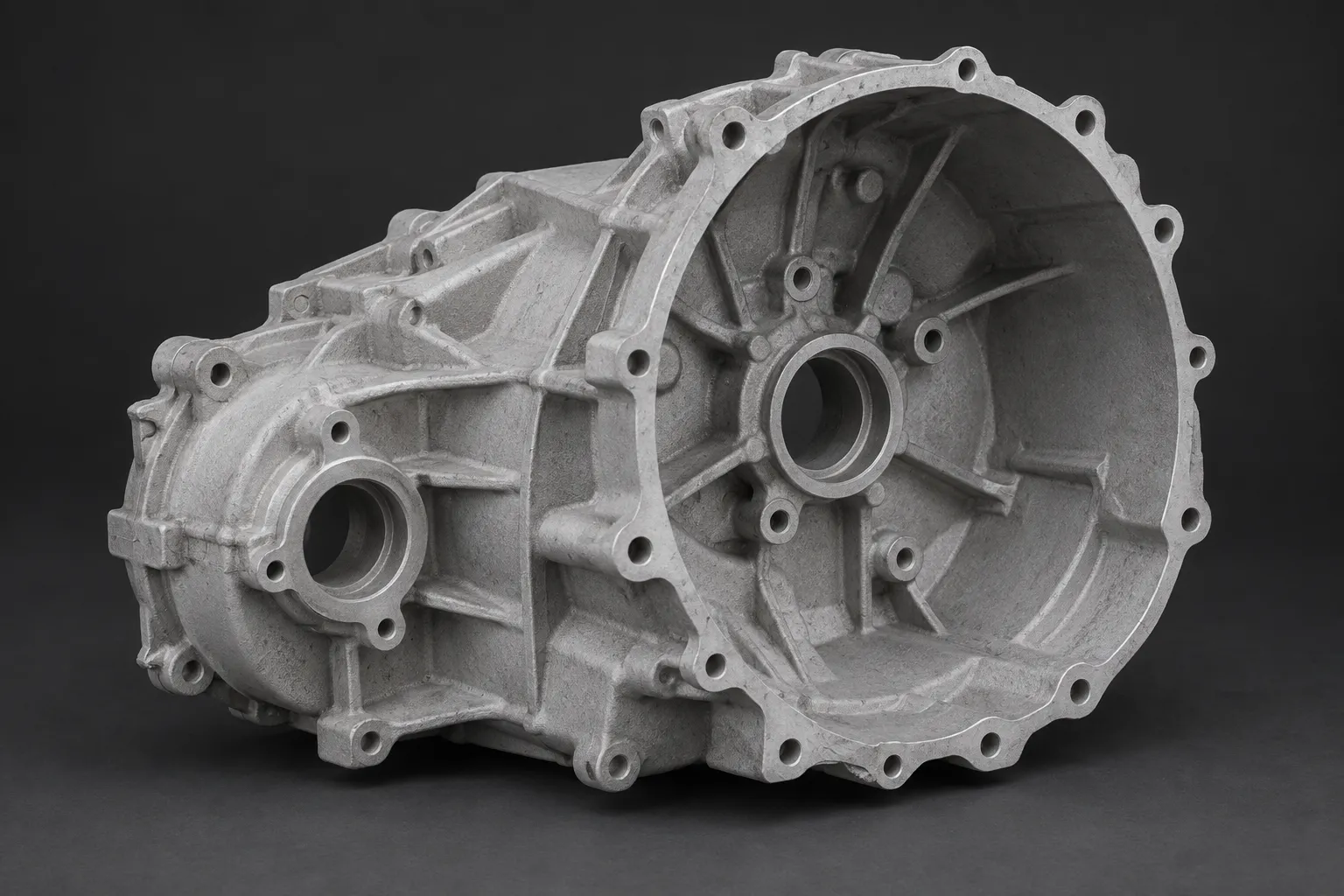
Aluminium housings and components, with casting geometry and any secondary machining planned together.
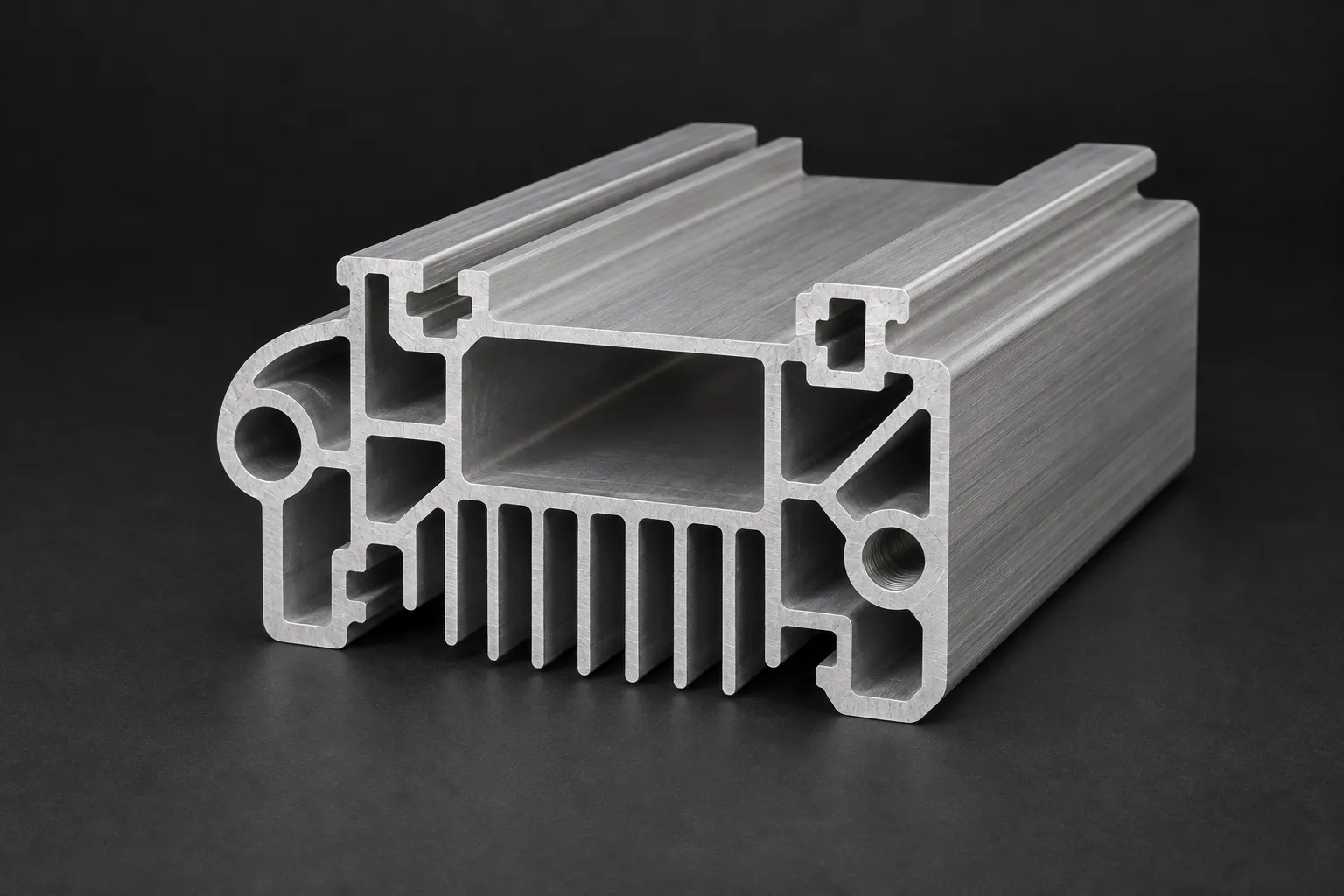
Custom sections developed for the application, then cut, machined and finished as required.
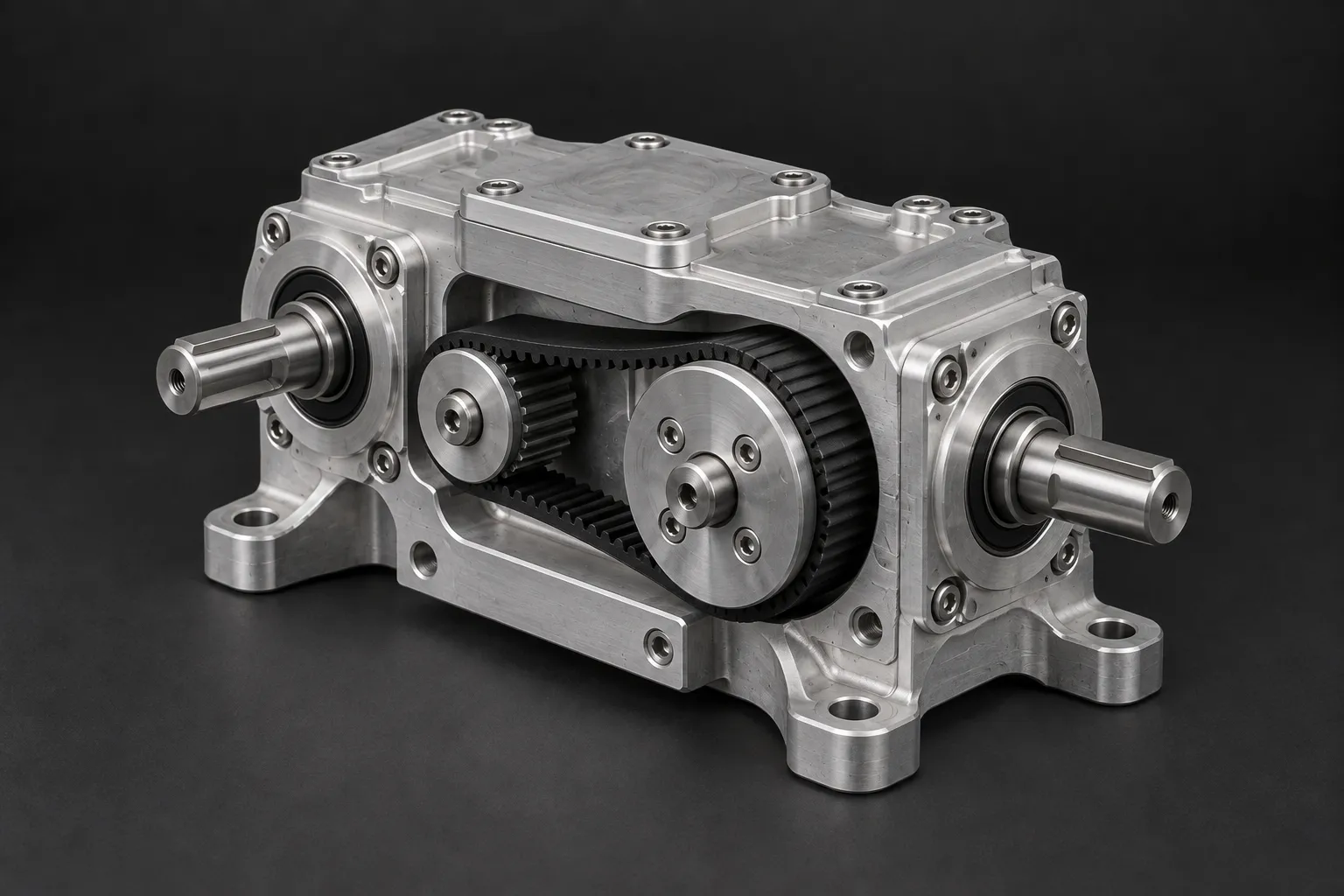
Manufactured and bought-in components brought together, with the interfaces and checks agreed first.
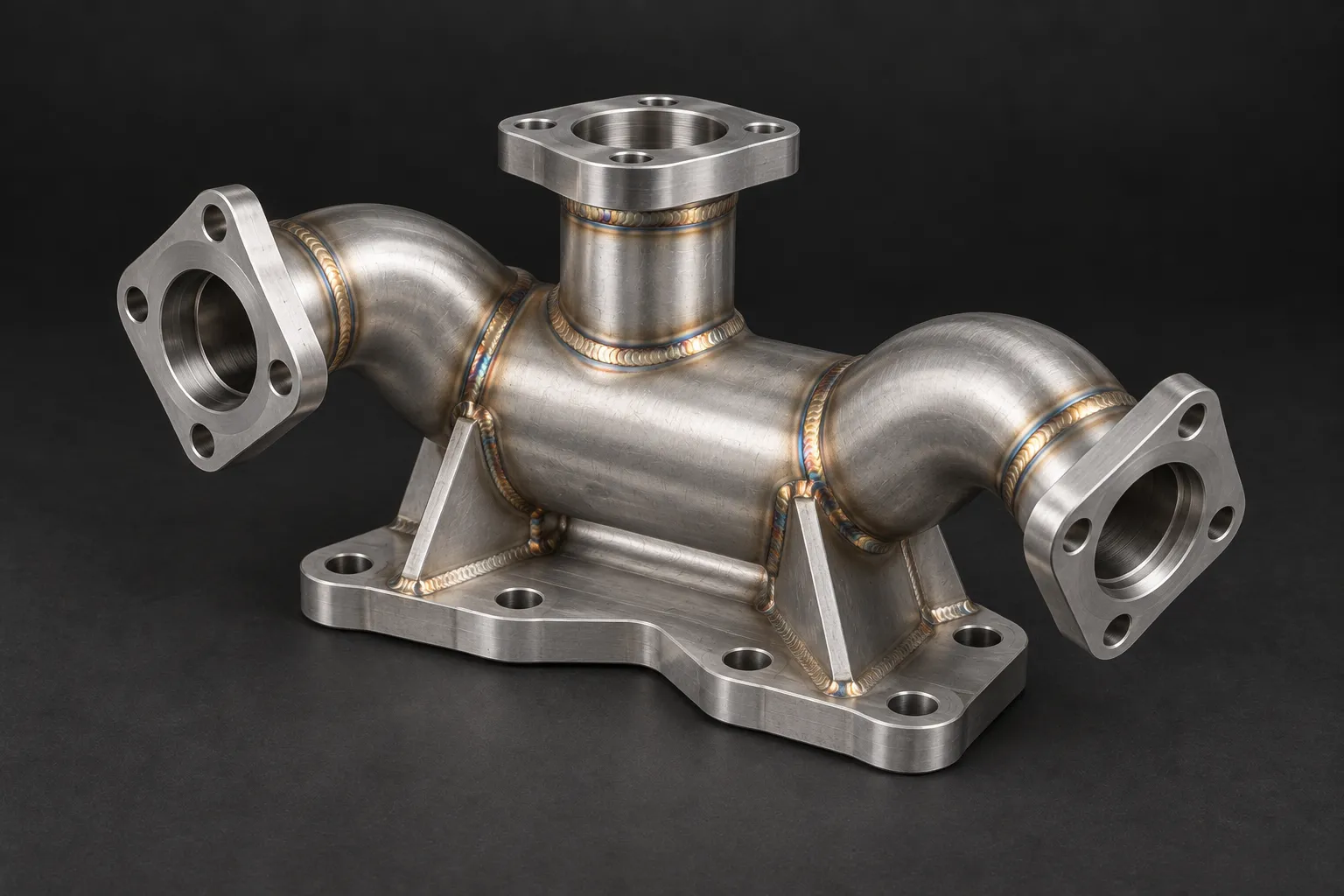
Welded components and fabrications, planned around material, joint access and distortion control.
Assembly is where the relationships between components become real. A shaft, housing and bracket can each meet their drawing and still fail to work together if the fits, clearances or build sequence have been overlooked. Our engineers review the unit as a whole, identify the important interfaces and agree the checks before the build starts. We can combine parts manufactured by MV with suitable bought-in components, keeping the manufacturing and assembly decisions connected.
Review locating features, fasteners, clearances and access before the parts are brought together.
Agree an assembly sequence that gives access to the components and protects finished surfaces.
Our team can trace a fit issue back to the component or drawing and agree the correction.
The agreed checks cover the assembled unit as well as the individual parts.
A sample can reveal how the components locate, move and carry load. Our reverse engineering service recovers those relationships, identifies worn interfaces and develops the information needed for a replacement assembly. We agree proposed improvements before manufacturing the parts.
Our engineers coordinate the parts and the assembly work, keeping decisions about fit and function together.
We identify the critical interfaces and agree any dimensional, movement or functional checks for the finished unit.
The right material depends on what each component does. An assembly may combine machined metals, engineering plastics, cast parts, sheet metal and standard items. We review the materials together, including contact between dissimilar metals, wear surfaces and the working environment.
These are some of the material grades used across the supporting manufacturing processes. Our engineers confirm suitability and availability for your job.
Al5052
Al5083
Al6061
Al6082
S235
S355
SS304(L)
SS316(L)
Component manufacture
Bought-in parts
Fasteners and fittings
Full product assembly
Sub-assembly builds
Agreed functional checks
Critical interface checks
The finish is selected for the component and its working conditions, then considered in the build sequence. Coatings can change a fit, and exposed faces can be marked during handling. We agree which areas need protection and whether finishing happens before or after assembly.
Fits, threads and locating faces are considered before coatings or other finishing operations are specified.
We agree the appearance required and protect exposed surfaces during handling and assembly.
Assembly works best when the team understands how the parts were made and what the unit has to do. Our engineers connect those decisions from the first review through the build. Reverse engineering, component manufacture and assembly can sit within the same project, with clear responsibility for the agreed result.

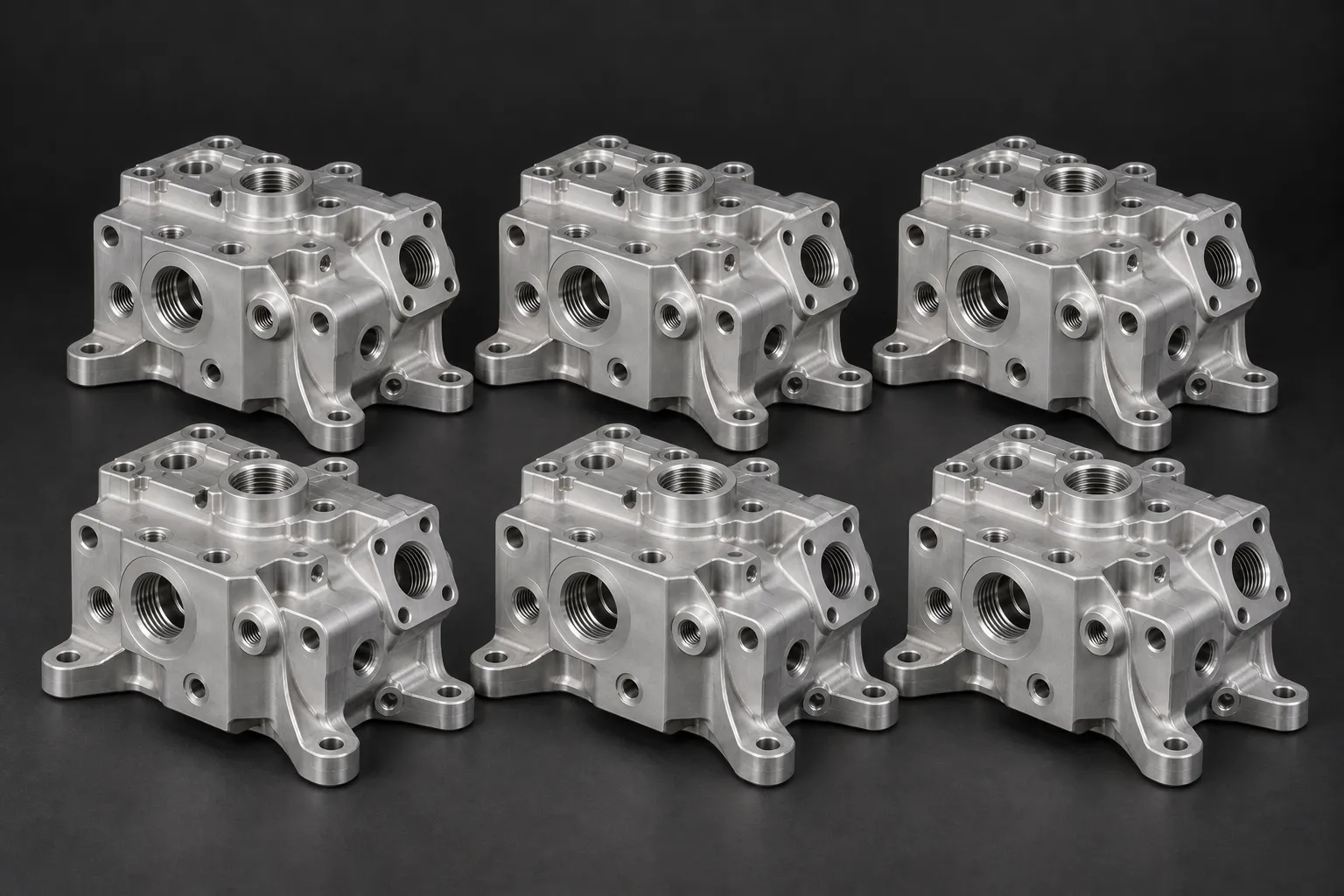
Over 100,000 parts delivered, on time or early every time, an average of 1.5 days ahead. Fabrications and sub-assemblies, delivered when we said.

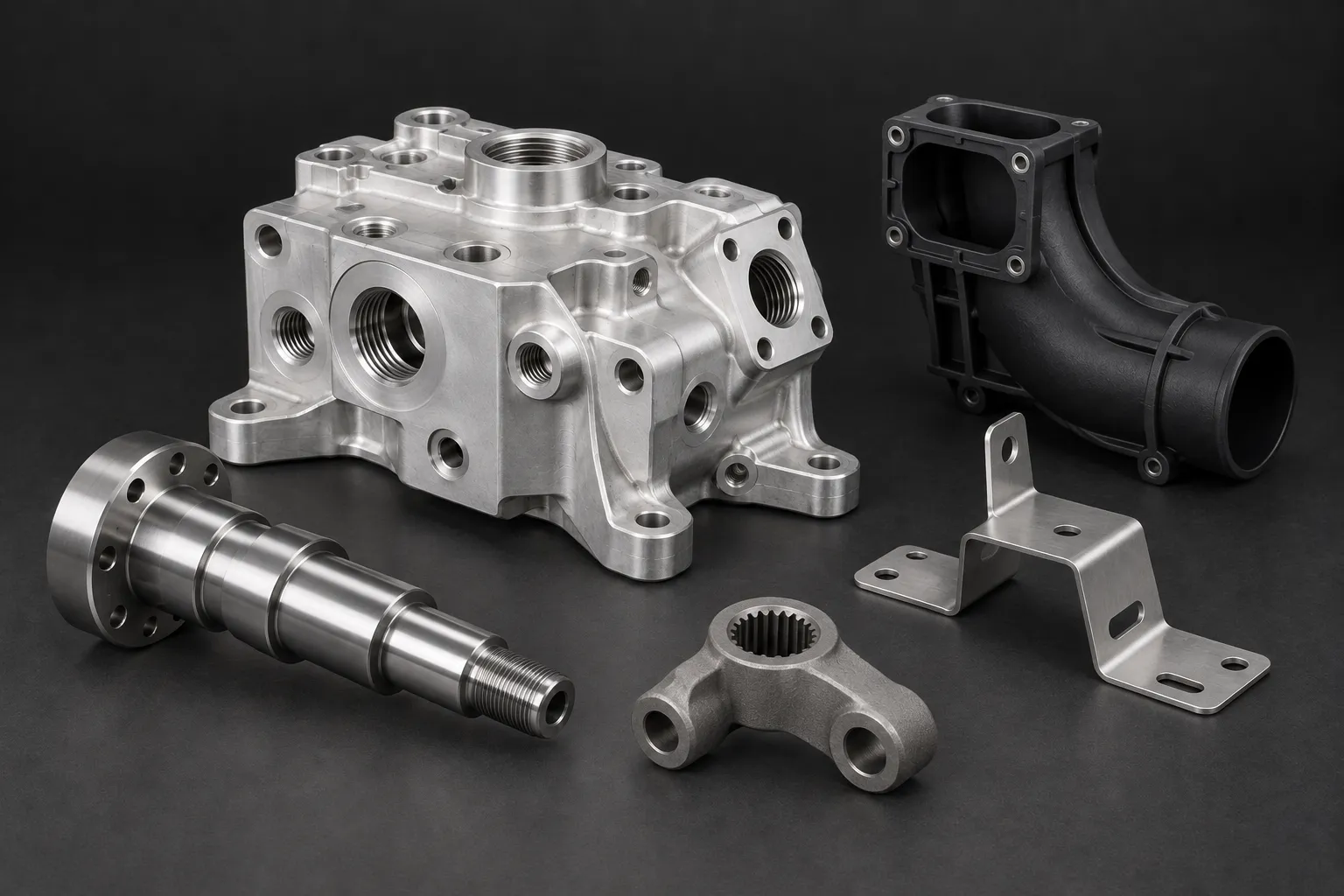
Miguel's background at Cosworth, Perkins and Caterpillar helped shape MV. Our team brings that focus on function and careful engineering judgement to the assembly work.
We make many of the components ourselves and coordinate the build around their interfaces. Manufacturing and assembly questions reach the same engineering team.
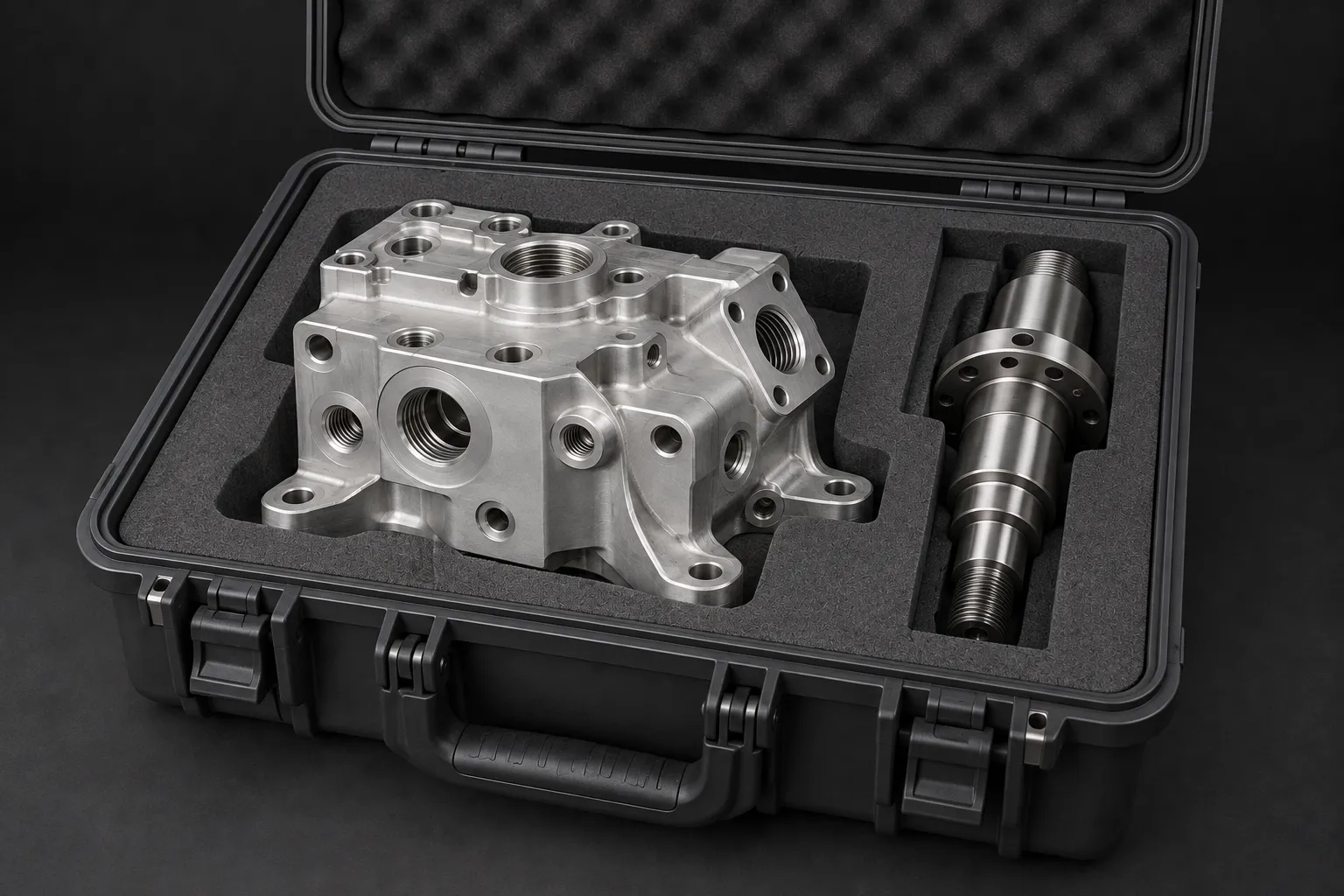
We assess mounting points, movement, access and service conditions. The build and the checks follow what the assembly needs to do.
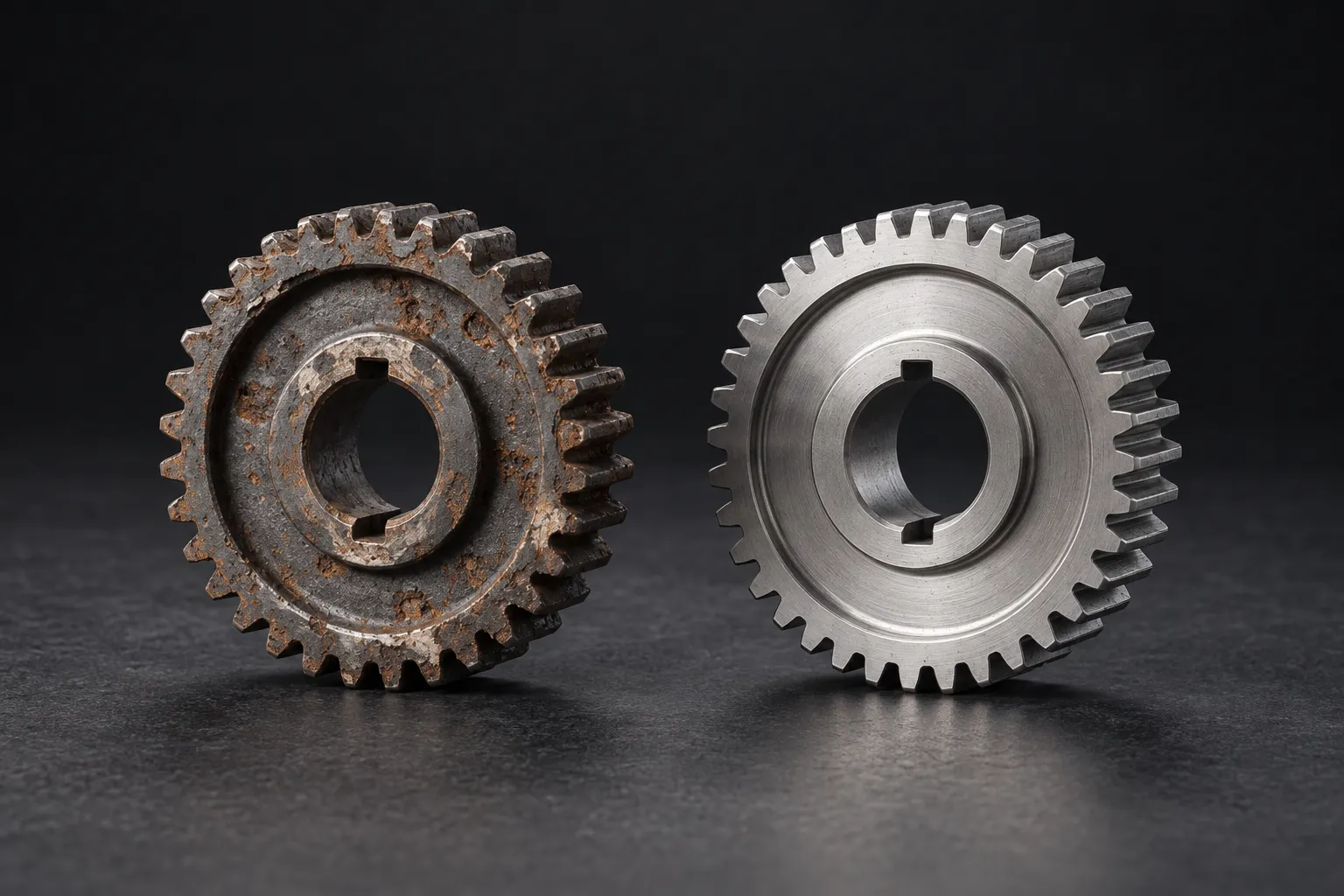
A worn unit can be the starting point for a reverse engineering project. We recover the relationships between parts and agree improvements where the evidence supports them.
Our team takes the job from the sample or parts list to a completed unit. The scope, build sequence and acceptance checks are agreed before assembly begins.
Send a sample, drawings, CAD or a parts list. Explain what the unit does and highlight any fit problems or failed components. If information is missing, we can scope the reverse engineering work.

An engineer reviews the components, quantities, assembly work and required checks. We confirm the scope and provide an engineer-made quote within 24 hours.
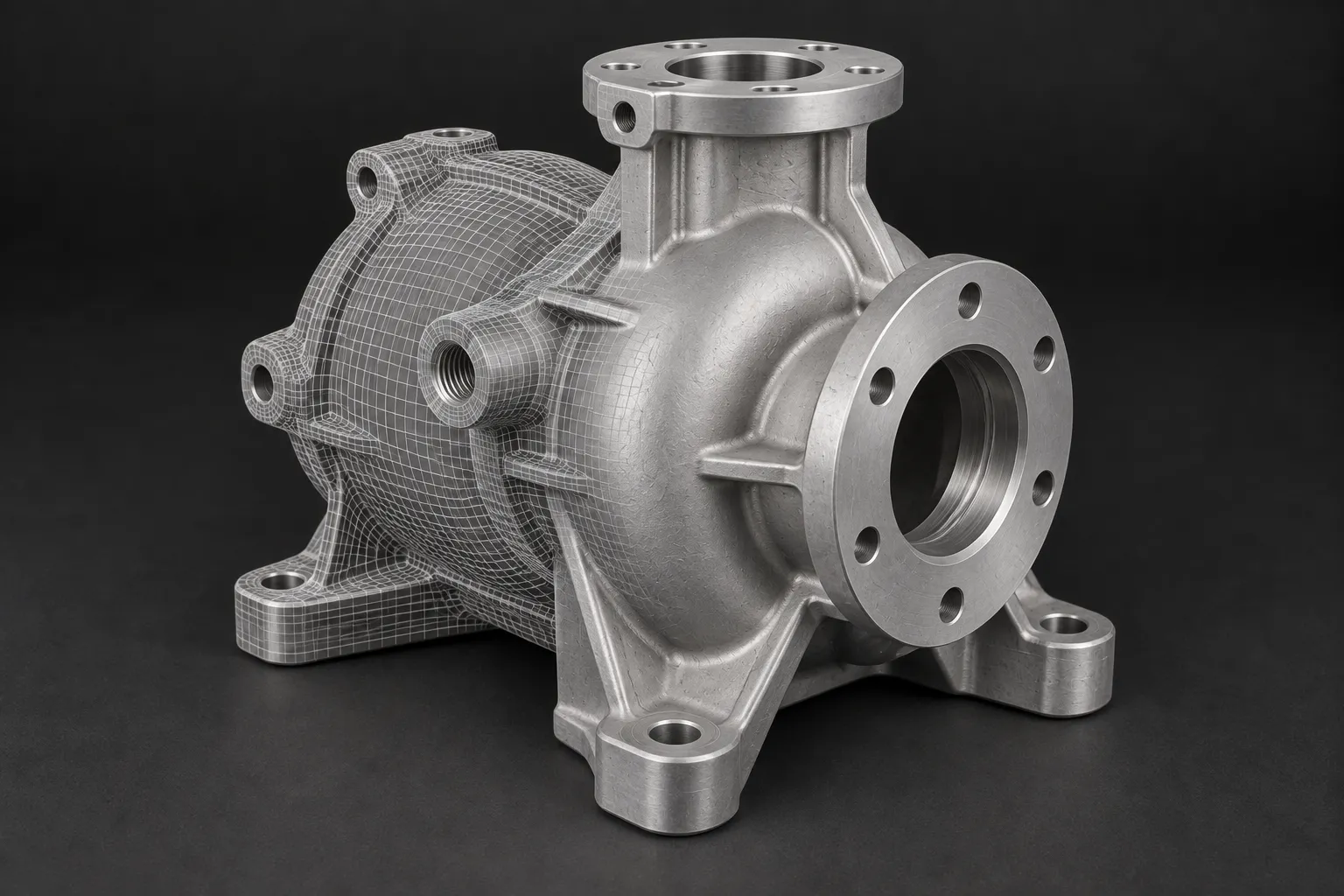
Components are made or sourced to the agreed specification, then brought together in the planned sequence. The team checks the interfaces and completed unit against the agreed requirements.
The completed assembly is protected and packed for delivery, with the agreed documentation. Any installation interfaces and handling requirements are considered before dispatch.
Assembly FAQs

An existing assembly can provide the starting point when design records are missing. We assess how the components fit and function together, then identify what must be measured and reconstructed. The condition of the sample and access to mating equipment determine the information needed before manufacture.
We can plan component manufacture and mechanical assembly as one project. The route may combine machining, fabrication and bought-in items. Our engineers define the interfaces, assembly sequence and agreed checks so each component is considered as part of the finished unit.
Send drawings, a parts list or photographs of the existing unit, together with quantities and the required delivery date. Identify supplied components, critical fits and any functional checks. If drawings are unavailable, tell us what the unit does so we can assess the reverse engineering work.
Yes, bought-in components can be included where their specification and supply arrangements are agreed. Installation requirements, access and compatibility need to be checked alongside the manufactured parts. Tell us which items you will supply and which should be included in the quote.
The important interfaces are defined before assembly. Tolerances must work together across the component stack, rather than being assessed in isolation. We review locating features, movement, clearances and assembly access, and agree the checks required for the finished unit.
A one-off assembly can be assessed alongside repeat production work. The practical route depends on the available design information, component availability and the work needed to establish fit and function. Send the sample or specification so we can confirm the scope and quotation.
Welding can support an assembly where the design requires permanently joined components. It is planned as a distinct operation, with joint access, distortion and any subsequent machining considered first. Our Welding service works alongside component manufacture and final mechanical assembly.
Testing and inspection depend on the agreed specification. Dimensional checks, movement checks and application-specific tests may require different equipment or customer input. Define the acceptance criteria at quotation stage so we can confirm what is included and how the result will be recorded.
A trial unit can help verify interfaces, installation access and the assembly sequence. We agree what the trial needs to demonstrate and review any findings before releasing subsequent units. Changes should be reflected in the approved drawings and parts list.
Tell us what “ready to install” means for your equipment, including packaging, orientation, supplied fixings and any on-site work. We confirm the agreed supply condition as part of the quote. This prevents assumptions about installation tasks or components that are outside the manufacturing scope.