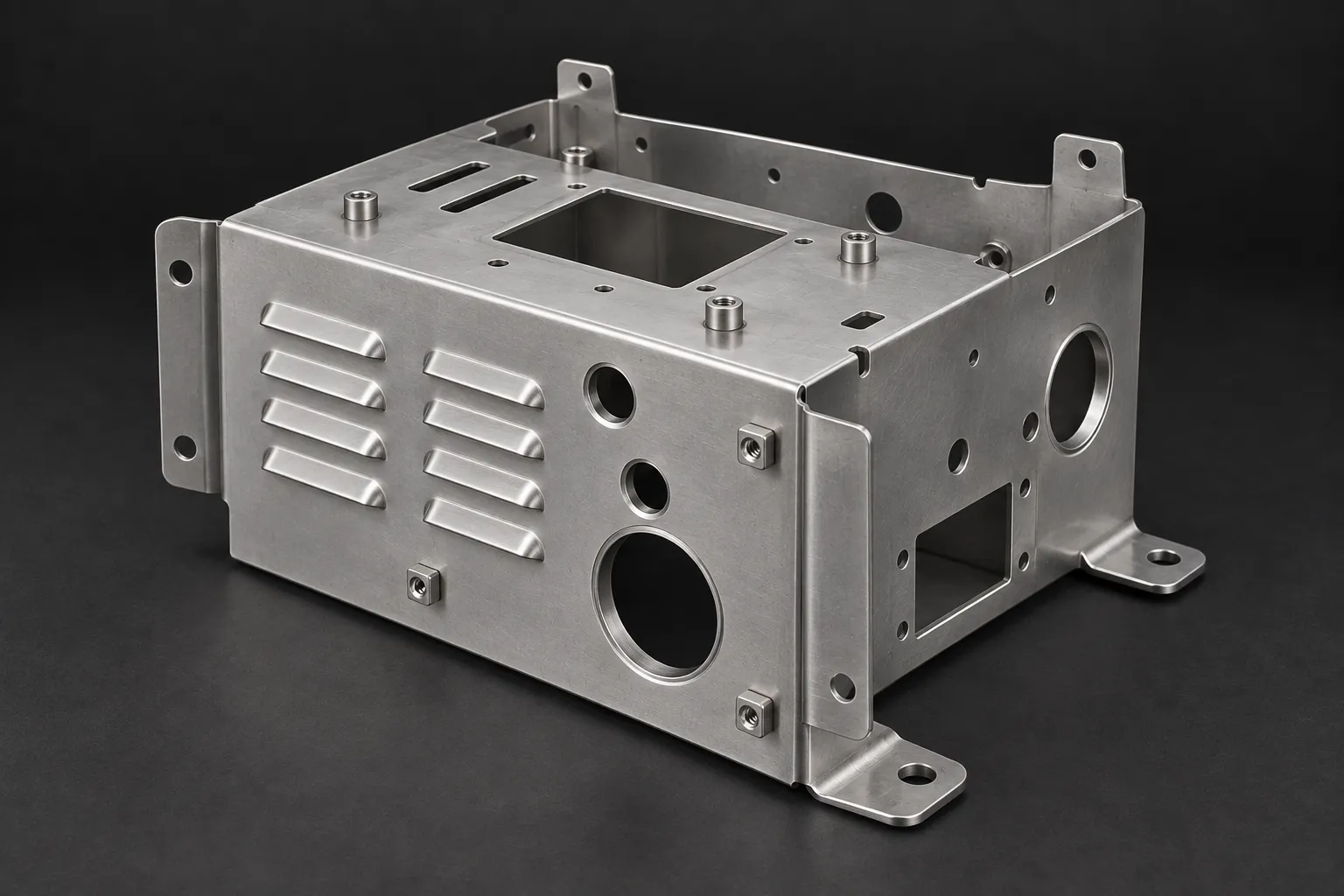
Cut, formed and folded sheet parts, made to fit the assembly they belong to. Enclosures, brackets, panels, guards and frames cut, bent and welded in steel, stainless steel and aluminium, in-house from flat pattern to finished fabrication. No drawing needed, we recover the flat pattern from the sample. A real engineer prices the work within 24 hours.
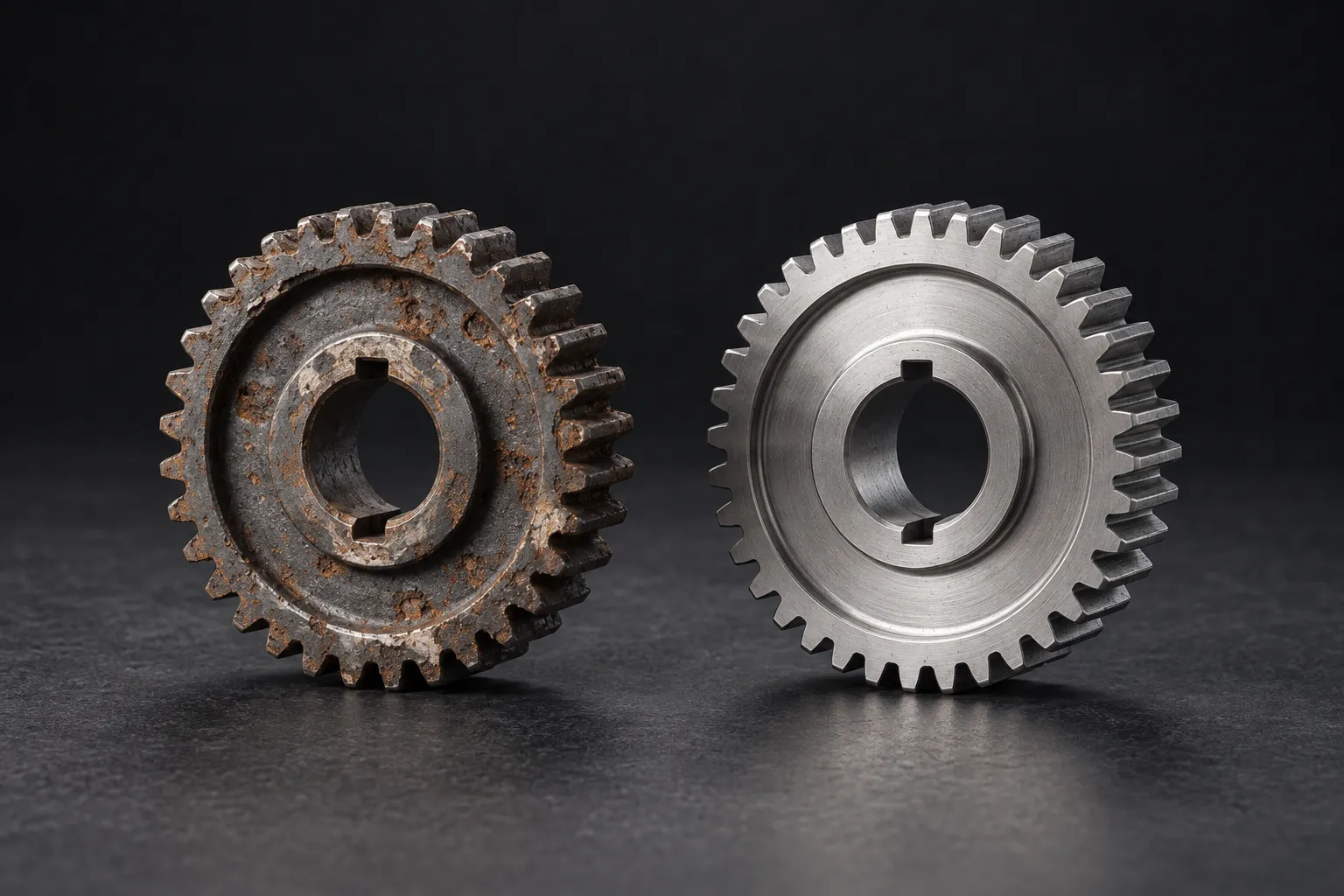
Start with a worn, failed or discontinued part. We reconstruct the design and agree improvements before manufacture.
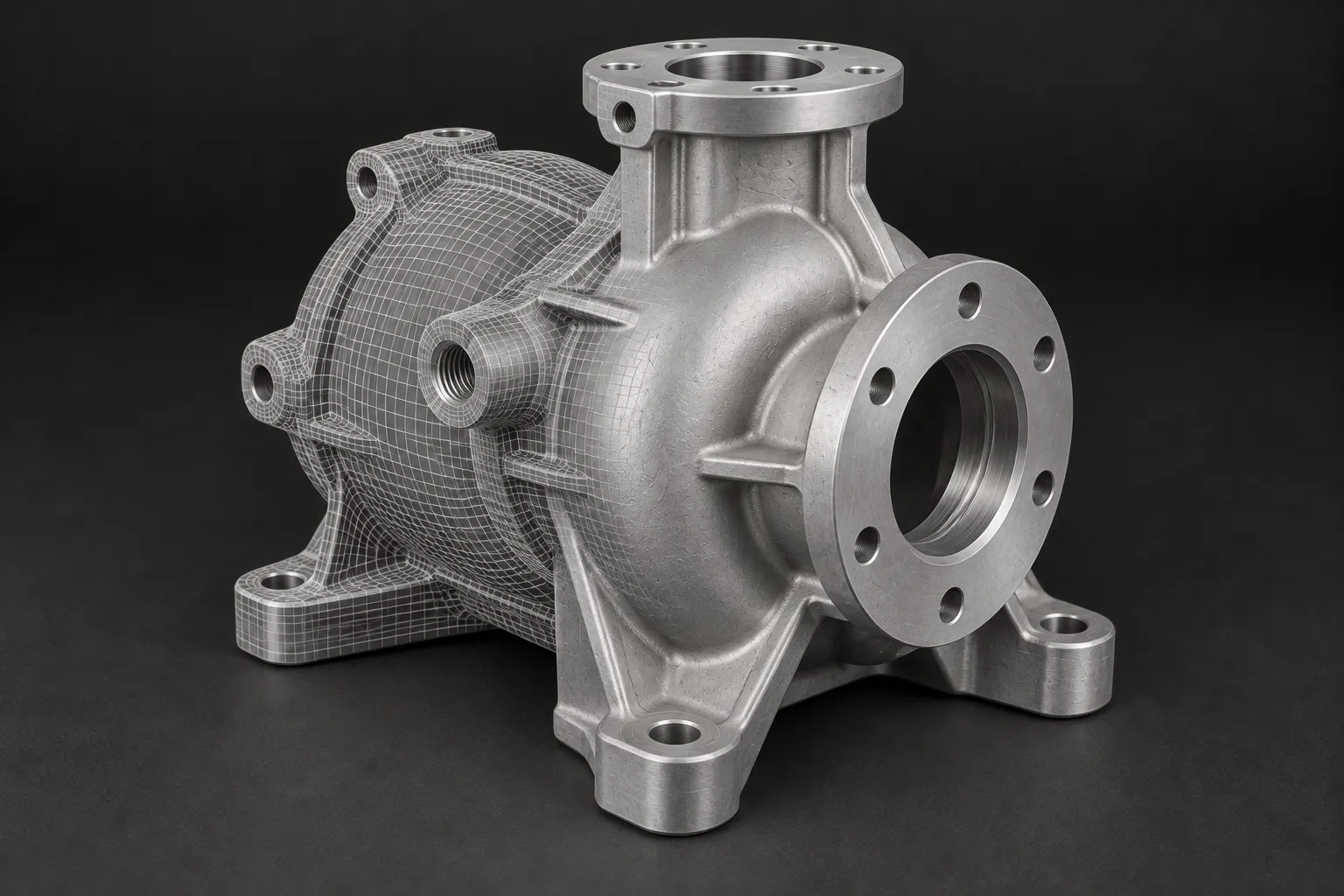
Digital surface capture to support CAD reconstruction and the wider reverse engineering job.
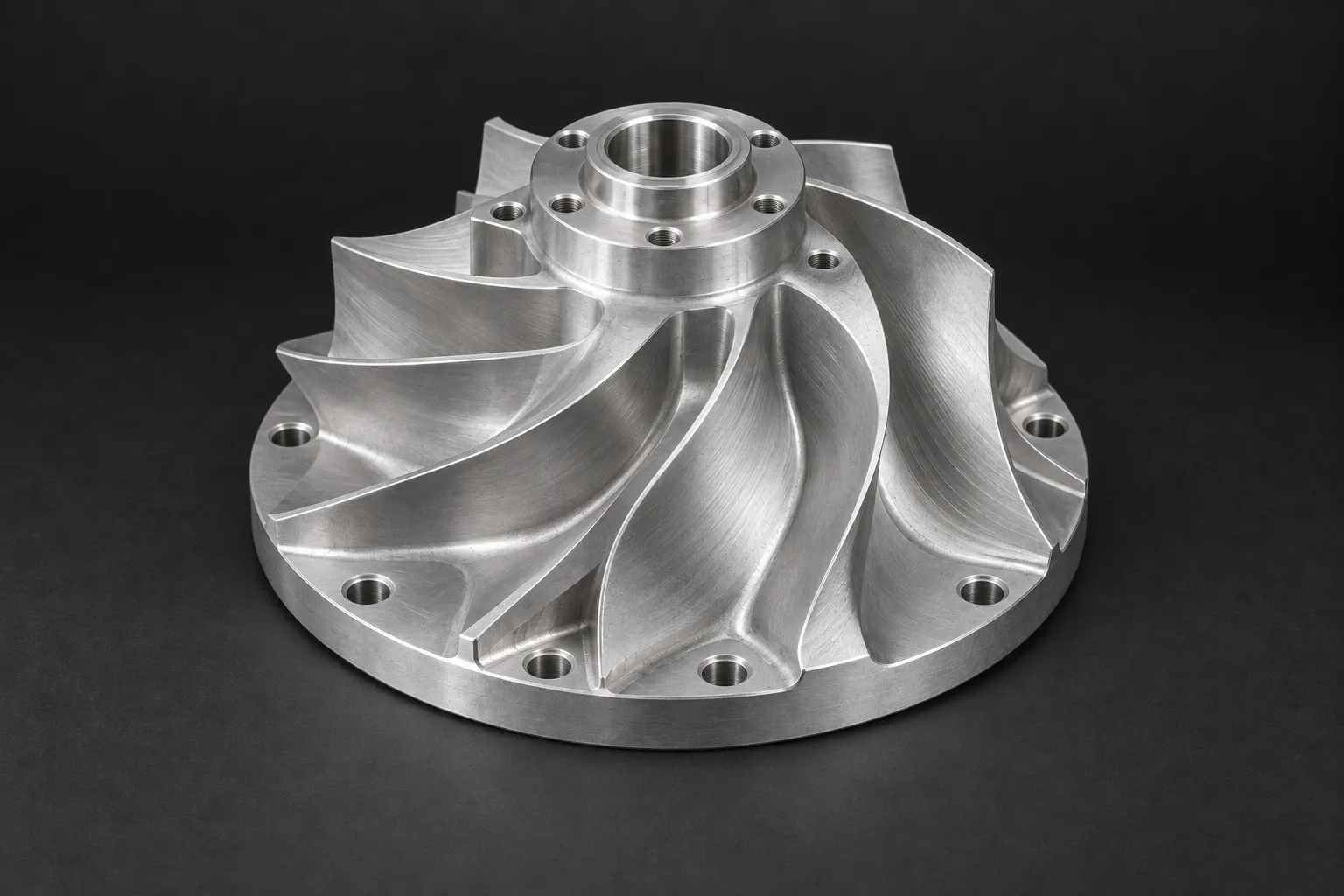
Machine angled features and complex surfaces, with the set-up planned around the critical relationships.
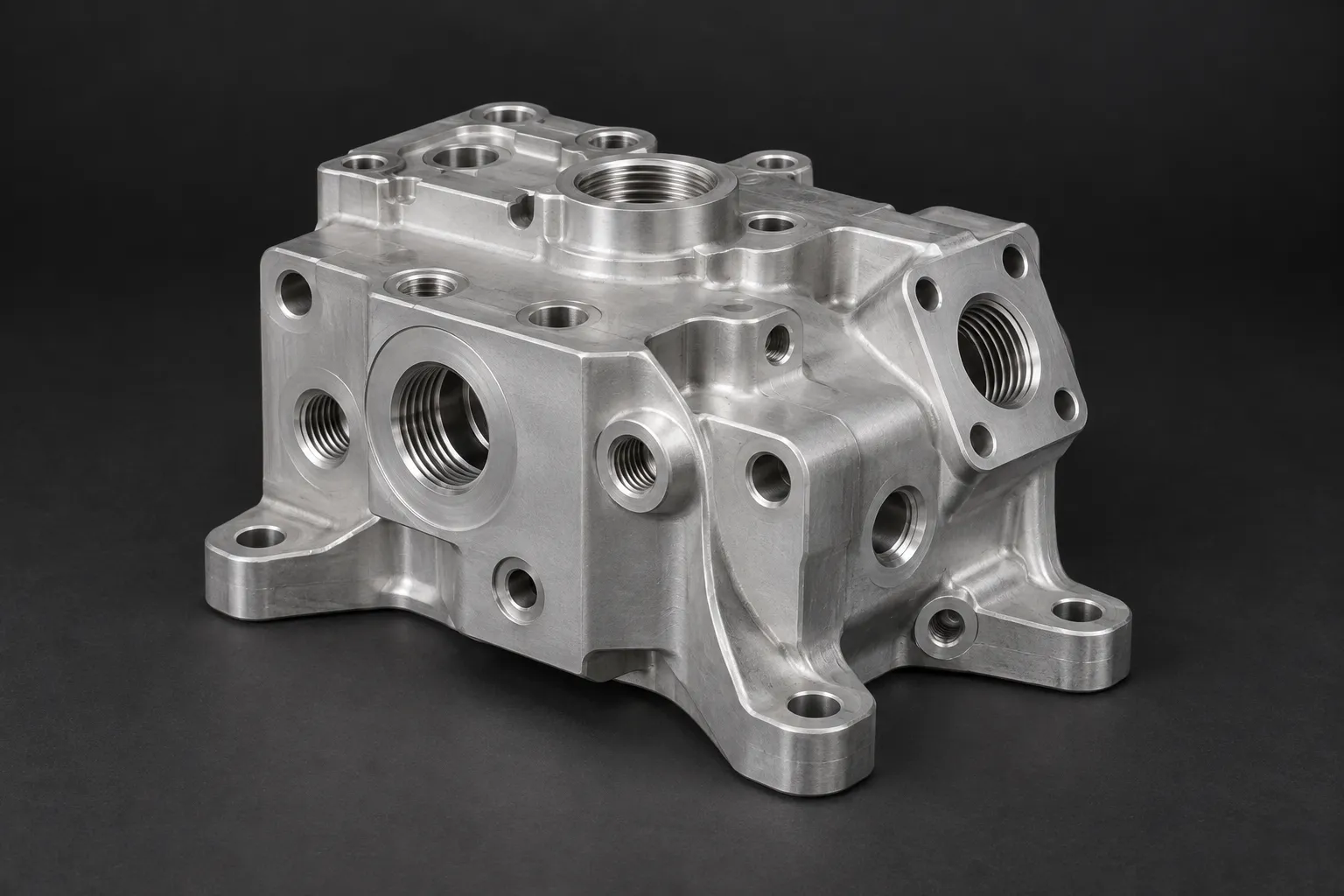
Milled housings, brackets and precision components in metals and engineering plastics.
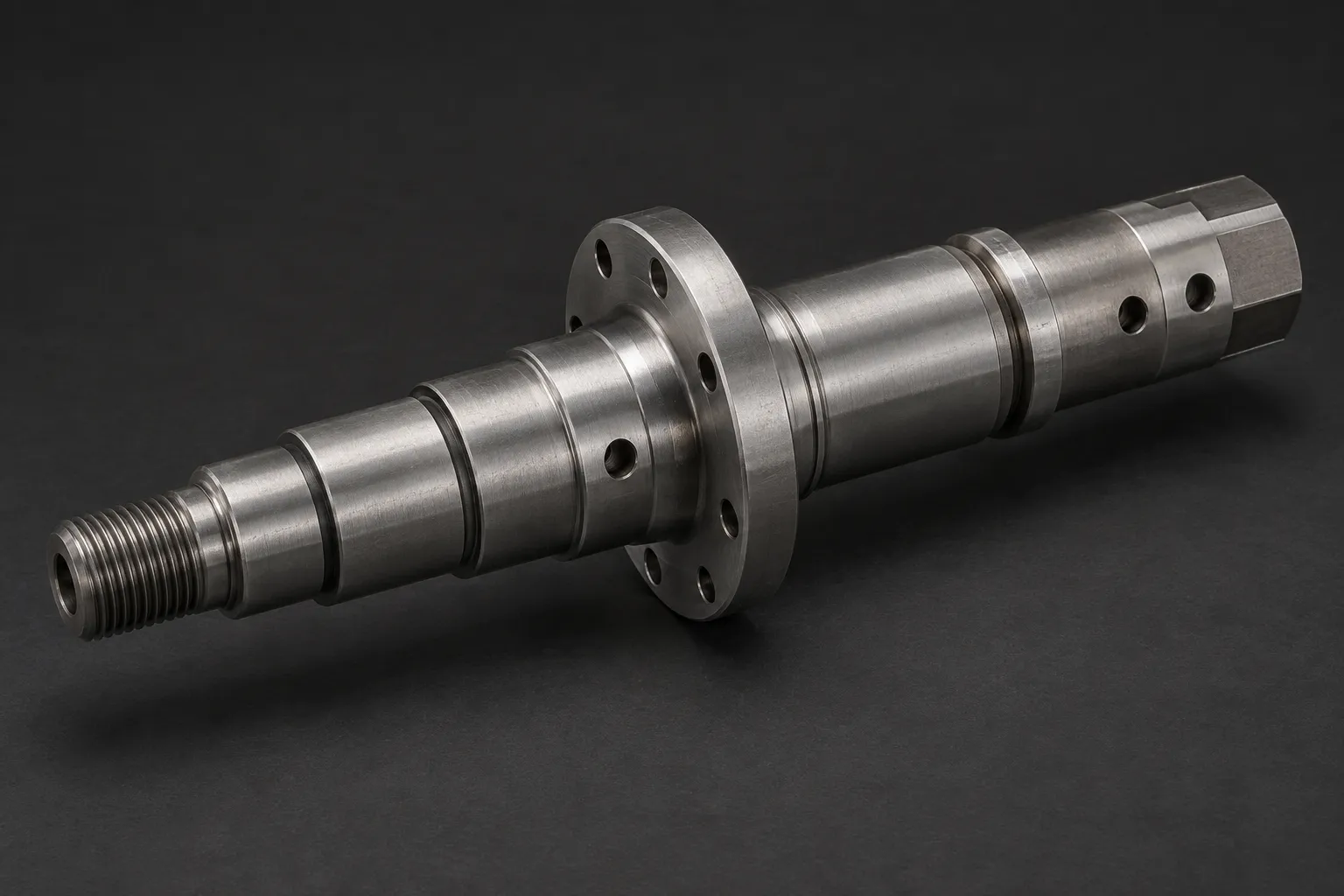
Stepped shafts, threaded fittings and housings, made to drawing or reverse engineered from a sample.
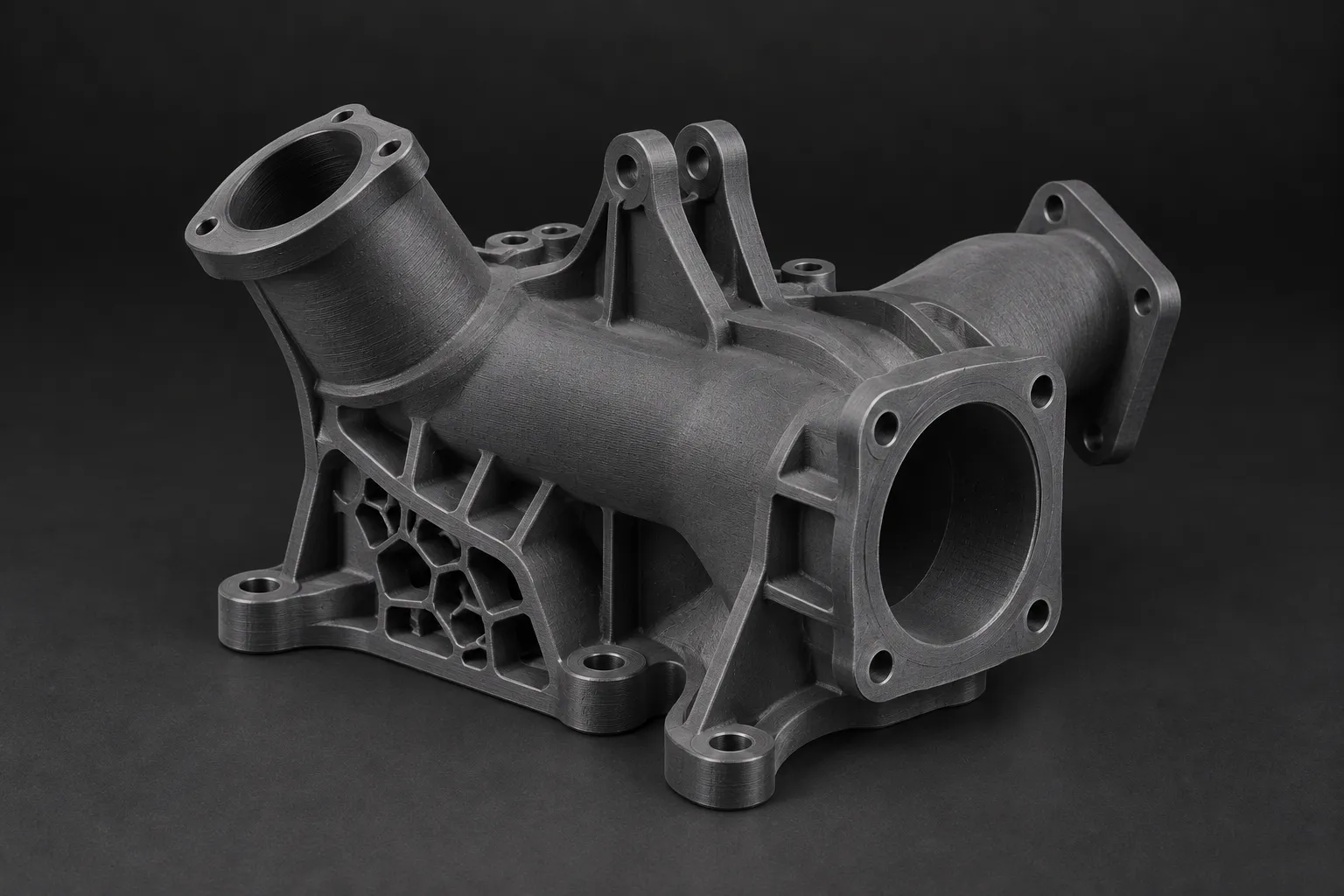
Bring us the application. Our engineers recommend the material and approach for your prototype or part.
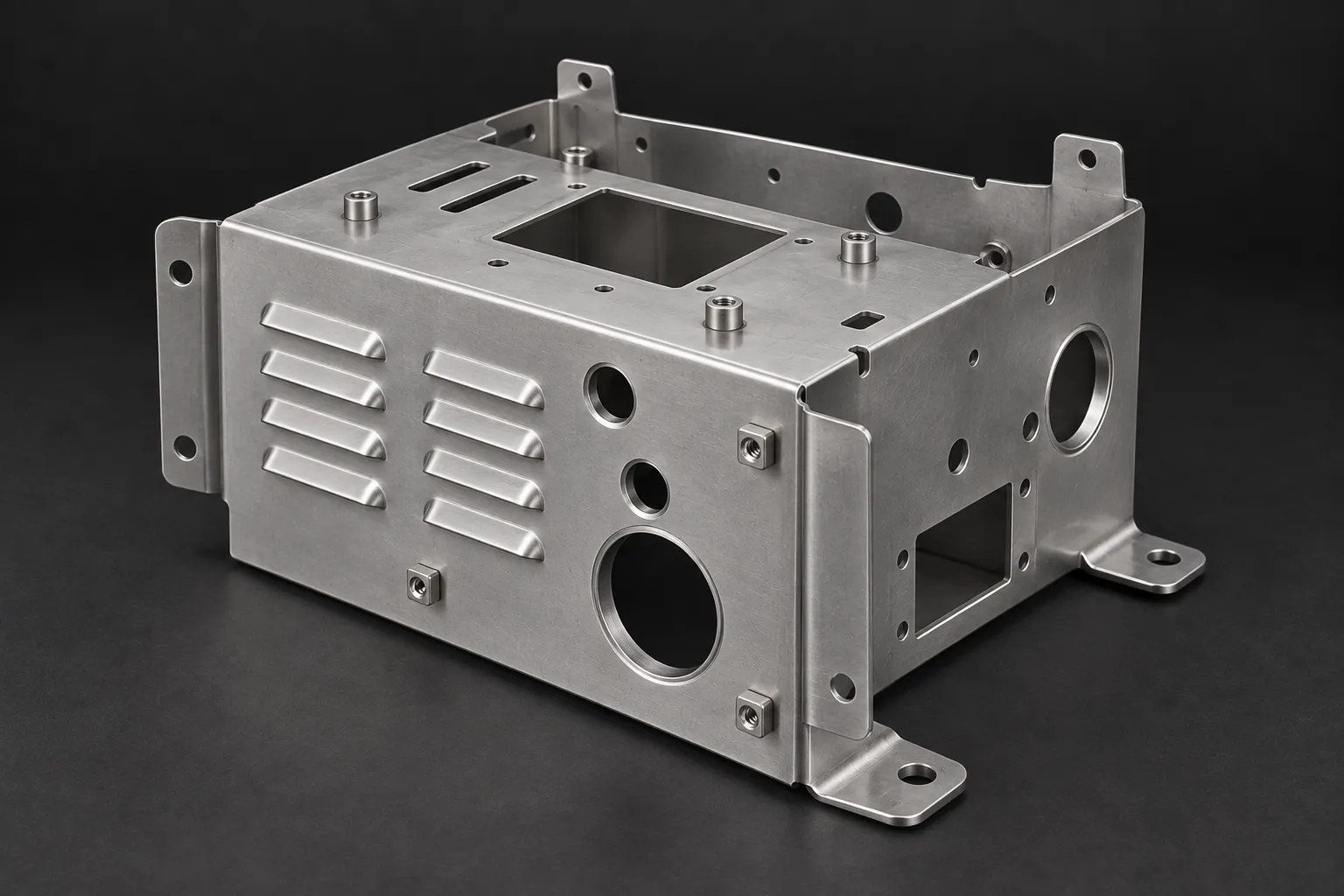
Brackets, panels and enclosures, developed around the bends, interfaces and finished assembly.
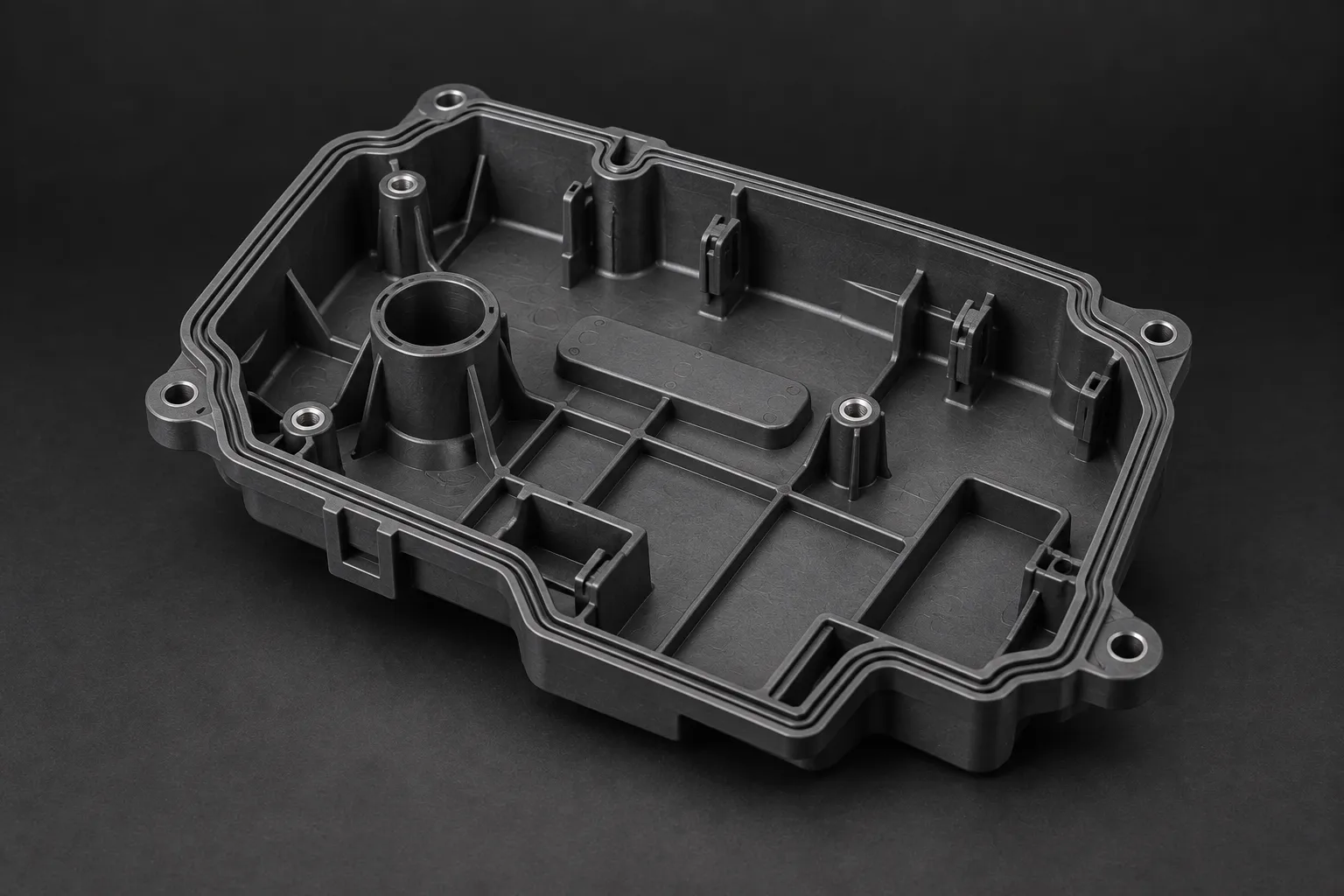
Moulded plastic components, with material, tool design and production requirements considered together.
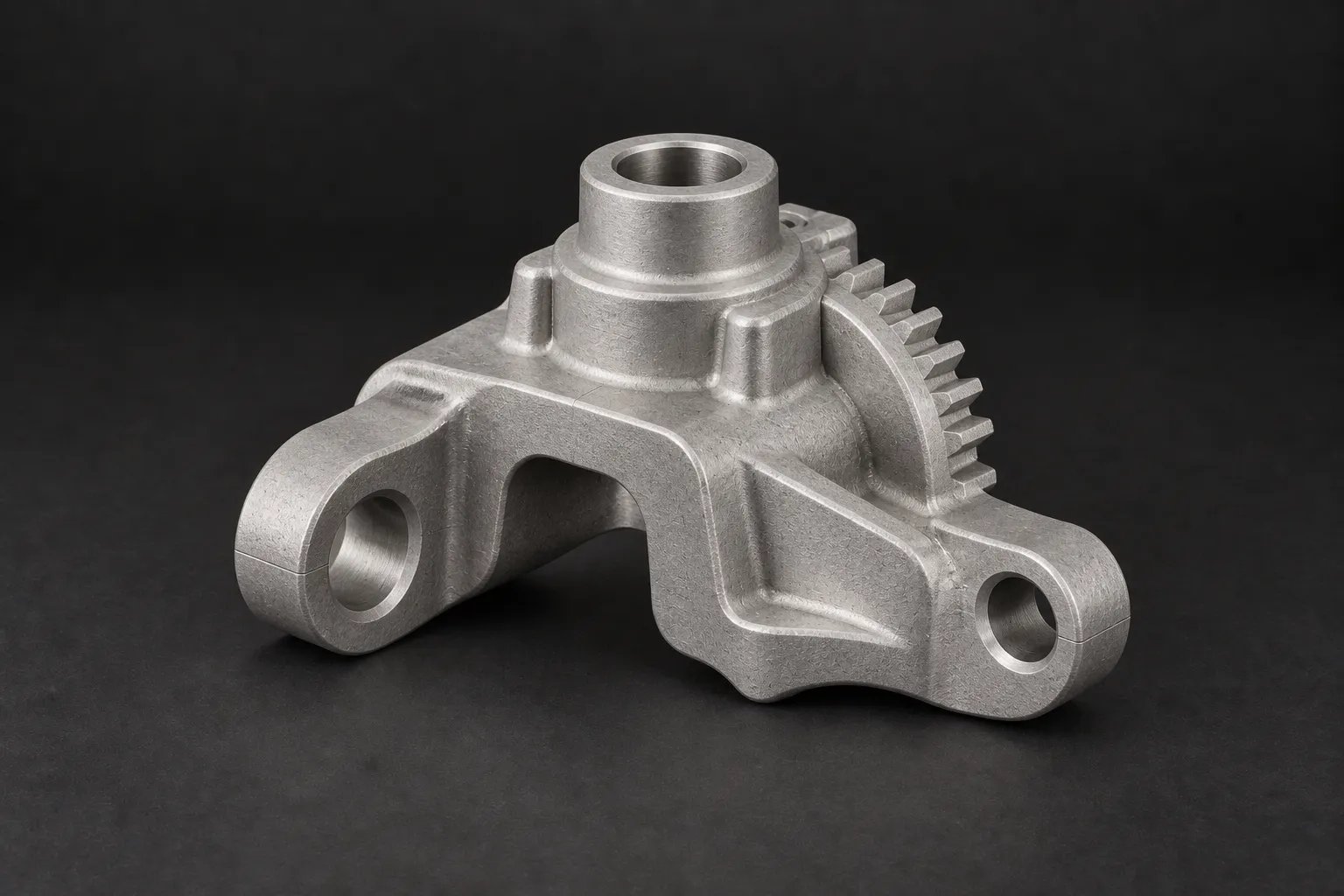
Small, complex metal components where geometry and quantity suit moulding and sintering.
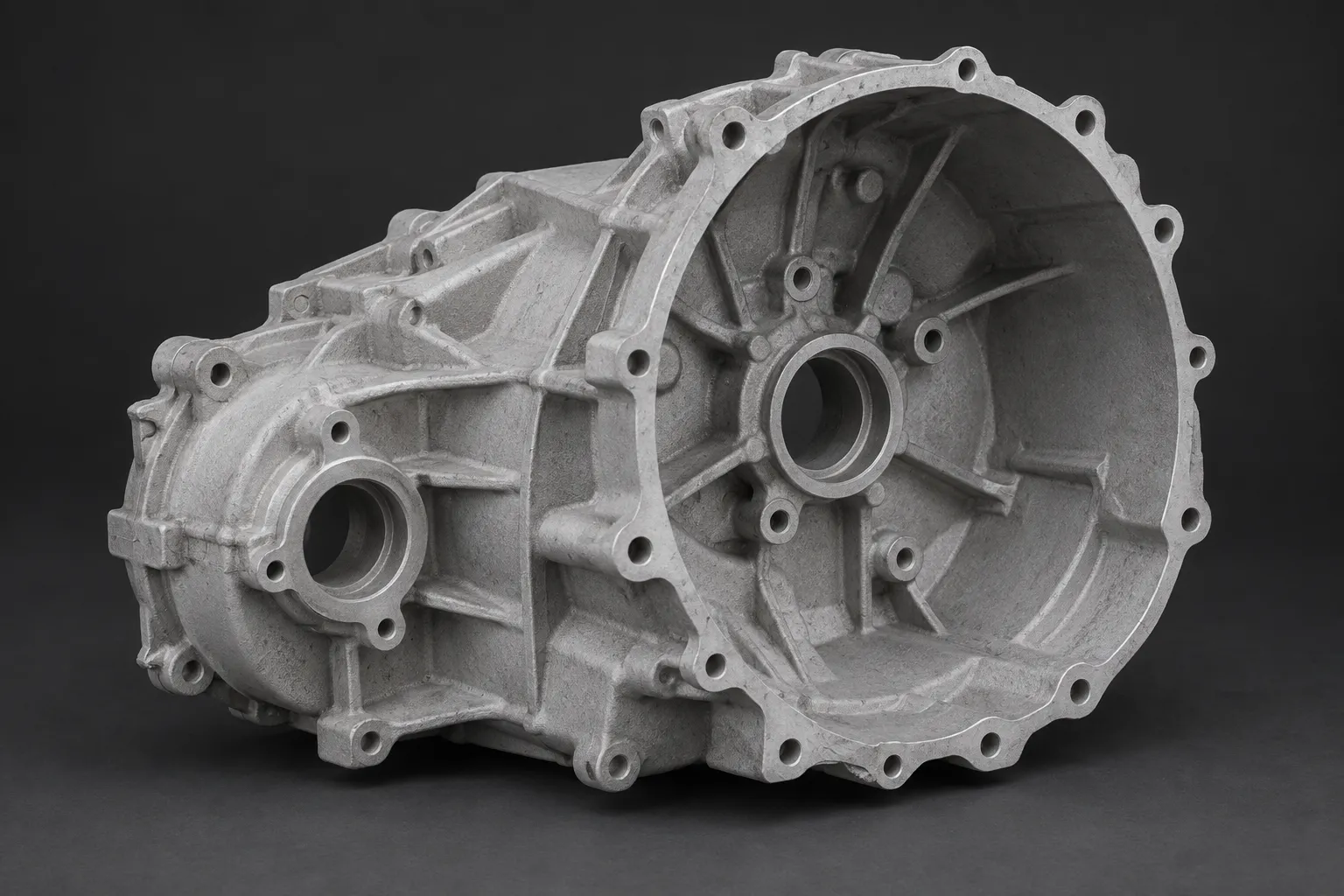
Aluminium housings and components, with casting geometry and any secondary machining planned together.
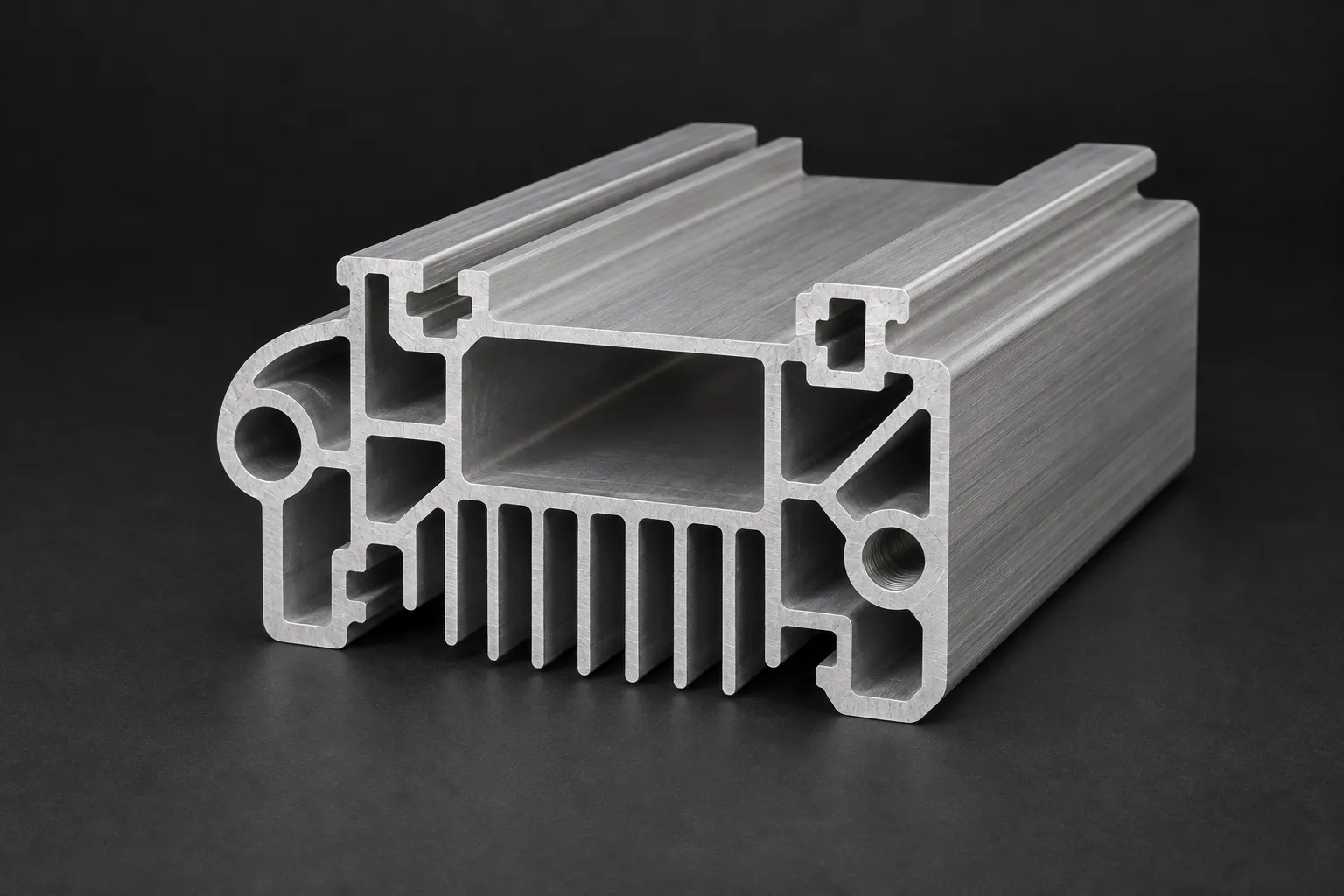
Custom sections developed for the application, then cut, machined and finished as required.
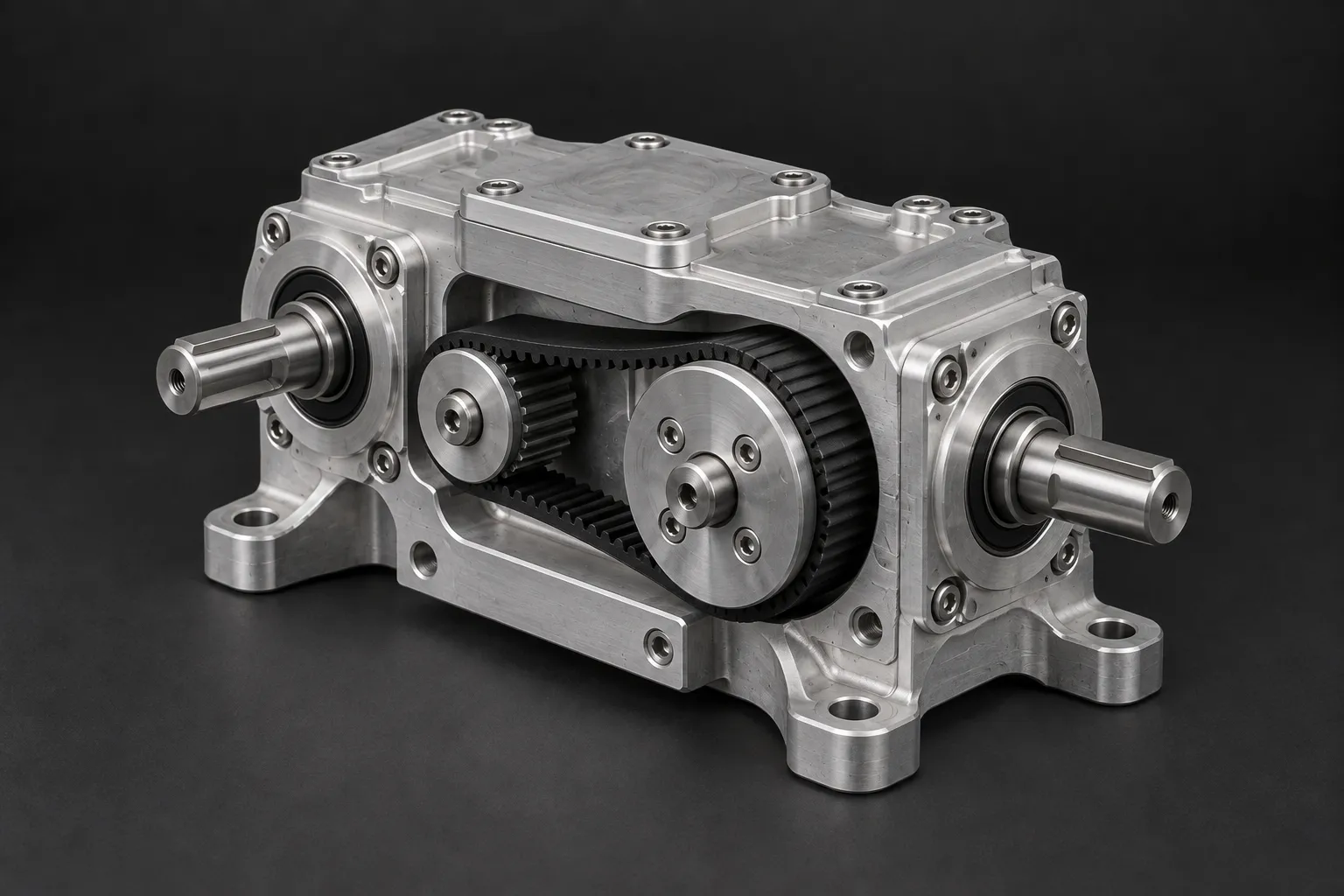
Manufactured and bought-in components brought together, with the interfaces and checks agreed first.
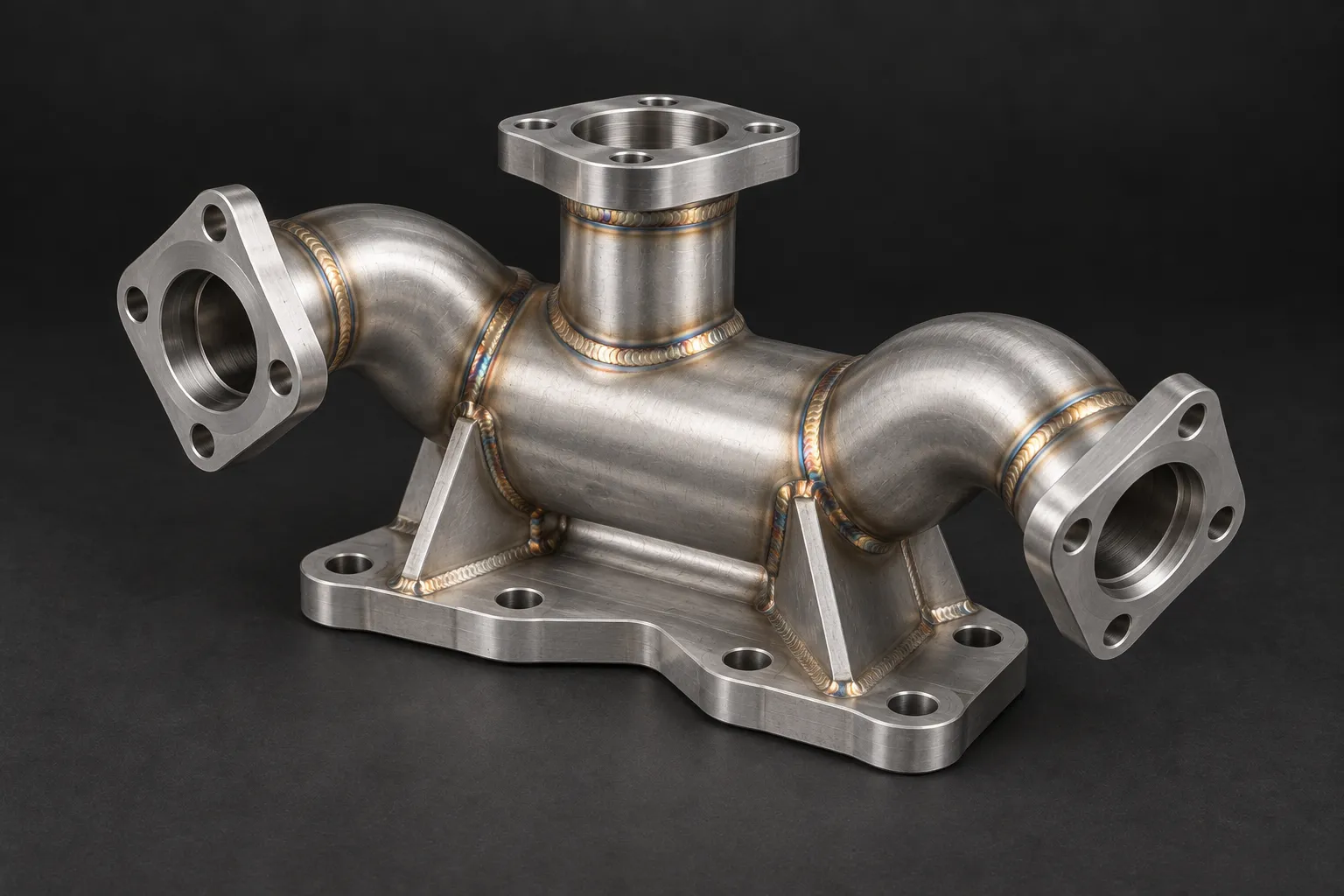
Welded components and fabrications, planned around material, joint access and distortion control.
Sheet metal work takes flat metal stock and cuts, bends, folds and joins it into enclosures, brackets, panels, frames and chassis. The material starts as a sheet and becomes a three-dimensional part through cutting and forming, rather than removing material from a solid, so the design work is really about the flat pattern and the fold sequence: the metal stretches around each bend, and the gauge sets the minimum bend radius and the smallest flange you can form cleanly. We cut, form, weld and assemble in-house, in steel, stainless steel and aluminium, so a housing or frame is made to fit the assembly it belongs to, not just the drawing in isolation. If there is no drawing, we recover the flat pattern from the sample.
No drawing needed. We measure the part and recover the flat pattern it folds back to.
Sheet stock cut, bent and folded into enclosures, brackets, panels, guards and frames.
We weld and build the fabrication in-house, so the finished part fits its assembly.
Sheet in steel, stainless steel and aluminium. Confirm the gauge and grade with us.
A worn or damaged sheet part still has to fold back to the right flat pattern. We measure the sample, recover it and form the replacement, correcting the weakness the original carried. You get a part better than the original, made to fit.
Bring us the sheet part with no paperwork. We measure it, work out the flat pattern it folds back to and build the model from there.
Where the original design caused the part to fail, we correct the flat pattern before any metal is cut, so the fault is not carried into the replacement.
Sheet metal fabrication is an economical route for low to high volume steel and aluminium parts, cut, folded and welded to your specification. There's no minimum order quantity, so you can order exactly the parts you need, when you need them.
Please see our material lists for Sheet Metal. Looking for a material you can't find here? Get in touch to discuss your requirements.
Al5052
Al5083
Al6061
Al6082
S235
S355
SS304(L)
SS316(L)
Sheet metal parts can be left as processed, plated, anodised, or powder coated depending on the application and the level of protection or appearance required. Each finish is shown below on the same reference part so you can compare them side by side. If you need a finish that is not listed here, let us know and we will confirm whether we can offer it.
Surface roughness can be specified using Ra value. Ra3.2 - 1.6um as standard.
We can offer a variety of metal plating options. Please contact us to discuss your requirements.
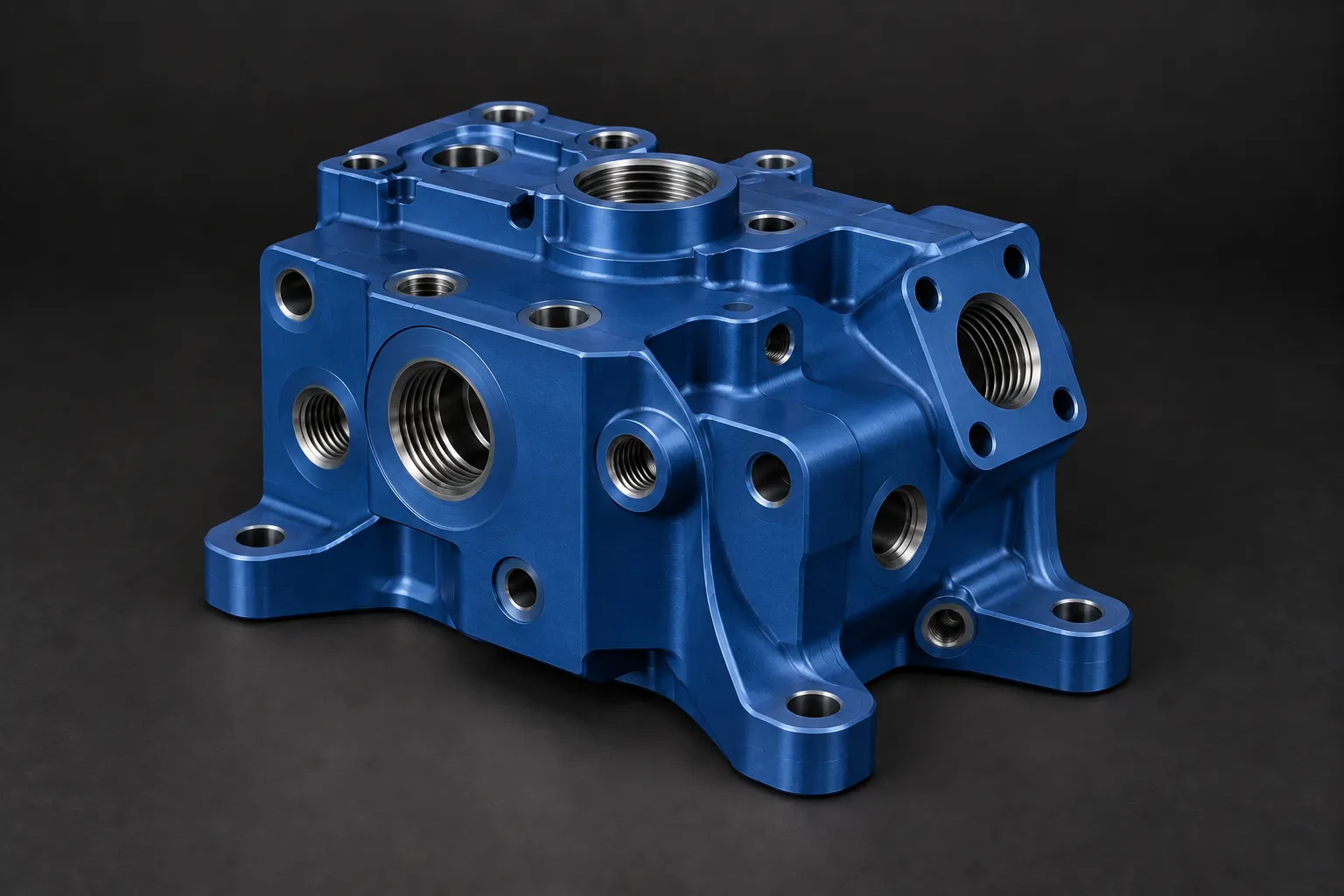
Standard: Clear, black, red, green, blue, yellow/gold. Any other with a RAL number.
We can offer powder coating in a variety of colours.
We sell the expertise that gets a sheet part right, not machine time. That means the flat pattern worked out from the sample, the fold sequence planned before any metal is cut, and the finished fabrication proven against the assembly it belongs to. Over 100,000 parts delivered, on time or early every time, stand behind that judgement. Our engineering team plans the work together, with one point of contact keeping the job clear and coordinated. Here is what that means when you send us sheet metal work.

Over 100,000 parts delivered, on time or early every time, an average of 1.5 days ahead. Enclosures, brackets and frames, delivered when we said.

Miguel came up through Cosworth, Perkins and Caterpillar before founding MV in 2020. The standard those names set is the standard we cut, form and weld sheet metal to.
We cut, form, weld and assemble under one roof. Nothing is lost in handover between suppliers, and a part that does not fit is ours to trace back and correct.
We make enclosures, guards, panels and frames for food machinery and oil and gas, where a sheet part has to fit, seal and last in a working machine.
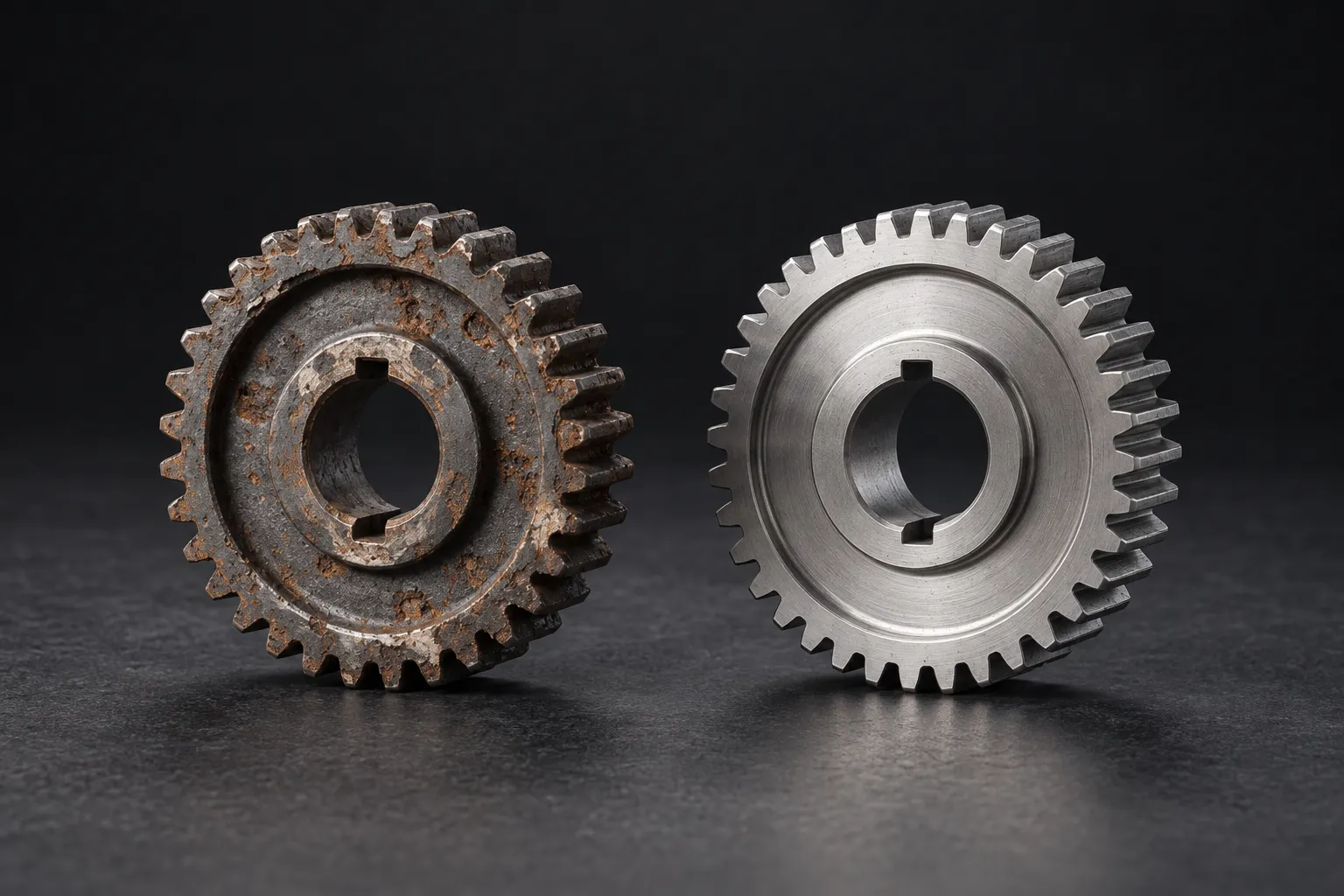
A damaged enclosure or frame with no drawing is a starting point, not a dead end. We recover the flat pattern from the sample and form a part better than the original.
The sheet metal process from the part in your hand to the fabrication on your bench. Four steps, one shop, an engineer on your job from the first call to delivery.
A sample, a flat drawing or CAD. No drawing is fine. We measure the part and reverse engineer the flat pattern it folds back to.

A real engineer reviews the part, the material and grade, the gauge, the number of bends and the volume, then prices it within 24 hours. Straight advice, and an honest steer if another process fits better.
Cutting, forming and welding planned around the fold sequence and the springback, then a first-article check against the model or the assembly the part fits.
The finished part or fabrication delivered on time or early, an average of 1.5 days ahead, ready to fit the assembly it was made for.
Sheet metal FAQs

Yes. A folded sheet part always corresponds to a single flat pattern, the shape it was cut from before any bend was made, and that pattern can be recovered by measuring the sample. We take the dimensions off the part, account for the material that stretches around each bend, and work back to the flat blank it started as. From there we form the replacement in the same steel, stainless steel or aluminium. This is the heart of reverse engineering for sheet metal work, and it means a worn or obsolete enclosure with no paperwork is a starting point, not a dead end. Where the original design carried a weakness, we correct the flat pattern before any metal is cut, so the replacement comes out better than the original.
Yes. We cut, form, weld and assemble sheet metal in-house, so a part leaves as a finished fabrication rather than a loose set of panels. Keeping cutting, bending and welding under one roof matters more than it sounds. Welding puts heat into the metal and heat moves it, so the fold sequence and the weld order have to be planned together to keep the part flat and square. When the same shop forms and welds the job, that planning happens once, and a part that does not fit is ours to trace back and correct. The result is an enclosure, bracket or frame that fits the assembly it belongs to, checked against the model or the mating parts before it ships. Assembly and welding sit alongside our sheet metal fabrication so an OEM enclosure can be delivered ready to fit.
An engineer prices your sheet metal job within 24 hours, and it is a real engineer who reviews it, not an automated estimate. Our engineers review the part, the material and grade, the gauge, the number of bends and the volume, because all of those drive the cost of a sheet metal fabrication far more than the outline size does. A part with many tight bends, or one that needs welding and assembly, takes more planning than a simple flat blank, and the quote reflects that honestly. If another process suits the part better, you get told straight. Send a sample, a flat drawing or a CAD file, or nothing but the worn part itself, and you will have a costed answer inside a day.
Every bend stretches the metal on the outside and compresses it on the inside, so the flat blank has to be cut slightly different from the sum of the finished faces, and that bend allowance depends on the material, the gauge and the inside radius. On top of that the metal springs back a little after forming, more in aluminium and stainless than in mild steel, so the tooling over-bends by a calculated amount to land on the angle you want. Getting these right is the difference between a part that folds up square and one that fights the assembly. We work the flat pattern and the fold sequence out before any metal is cut, and prove the first article against the model or the mating parts, so the fabrication fits first time.
We work sheet in steel, stainless steel and aluminium, the three families that cover most OEM enclosures, brackets, panels and frames. The right choice is rarely just about strength. Each metal behaves differently under forming: aluminium springs back more after a bend, stainless work-hardens and needs a generous inside bend radius to avoid cracking, and bending across or along the grain of the sheet changes how a tight fold holds. Gauge matters just as much, because thickness sets the minimum bend radius and the smallest flange you can form cleanly. For that reason we confirm the gauge and grade with you before we commit the flat pattern, so the finished sheet metalwork bends and forms without surprises. If you need a material outside the three families, ask us.
Both. We make single replacement parts, such as one obsolete enclosure or a discontinued bracket, and we make multi-unit orders where the same fabrication is repeated across a batch. A one-off is often a reverse engineering job: there is no drawing, so we recover the flat pattern from the sample, form the part and, where the original was weak, make it better than the original. A larger run is about consistency, so the fold sequence and welding fixtures are set once and every unit comes off the same. One of our first orders was four frame units, which shows the work is sized to what you need rather than to a minimum quantity. Whether you need one part or a batch, the sheet metal fabrication is engineered the same way.
A finished-part drawing or CAD model can be a useful starting point. The flat pattern must allow for the selected material, thickness and bend process. Tell us which dimensions apply after forming so the manufacturing definition reflects the assembled component rather than only the unfolded sheet.
The practical distance depends on the material, thickness, bend radius and forming method. Features close to a bend can distort during forming. We review the specific geometry and may suggest moving a feature, changing a radius or adjusting the sequence to protect the required fit.
Fasteners and inserts can be considered as part of the complete fabrication. Specify the load, thread and access requirements, together with any finish. Their location and installation sequence need to work with the sheet thickness, bends and adjoining components.
The right finish depends on corrosion exposure, appearance, cleaning and electrical or mechanical requirements. We review these needs alongside welding, fastening and assembly. Any masking, contact surfaces or dimensional allowances should be agreed before the fabrication is released for manufacture.