
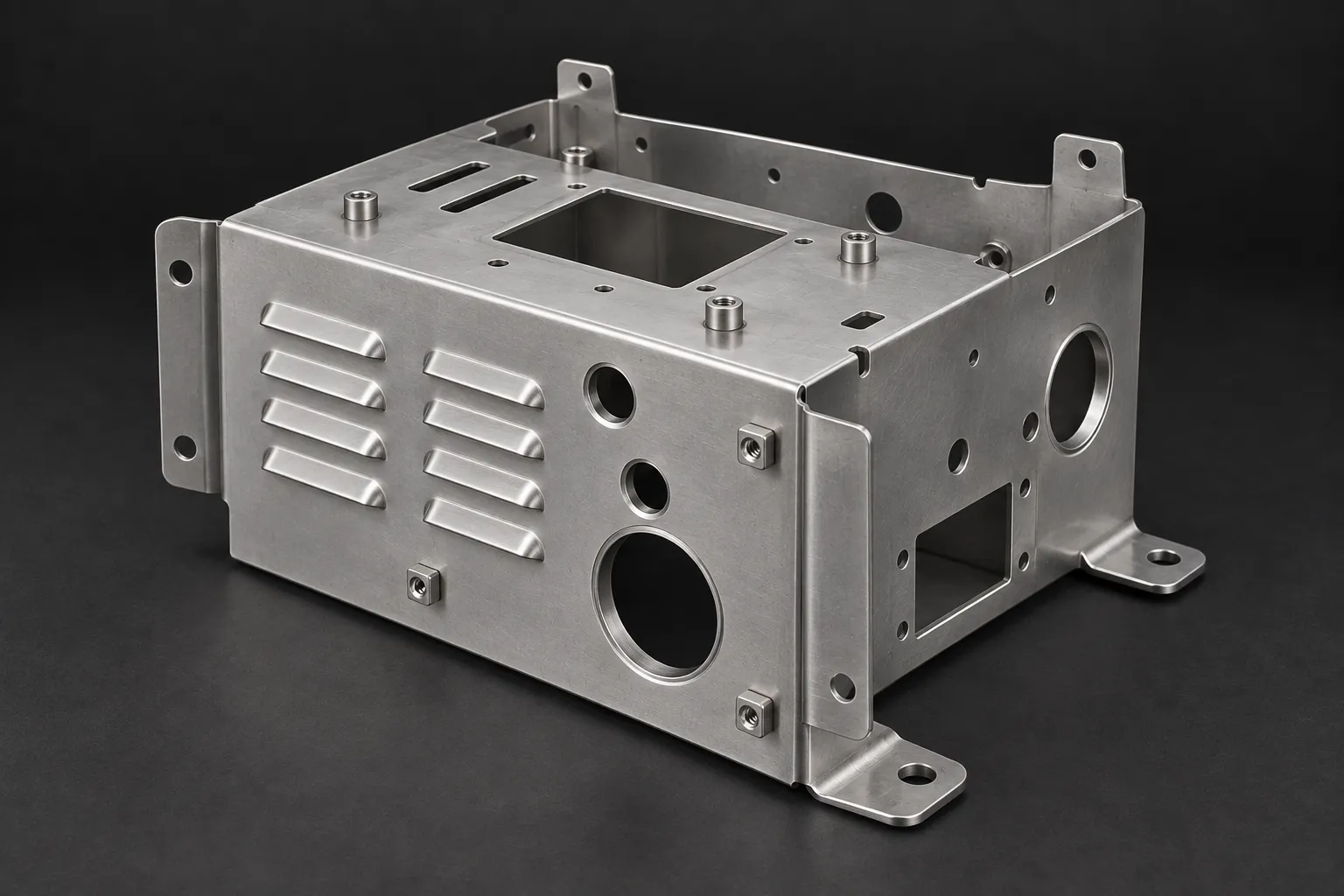
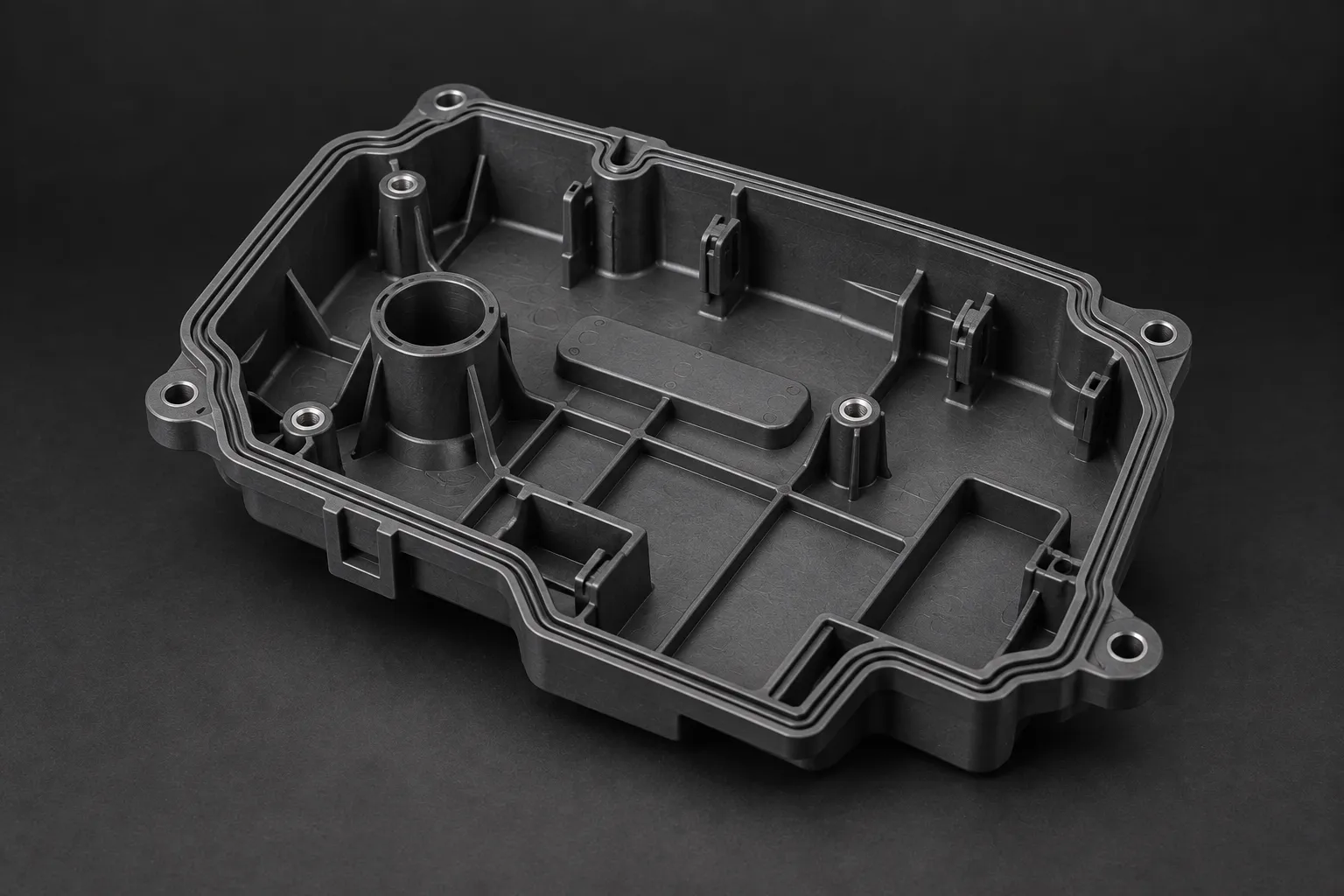
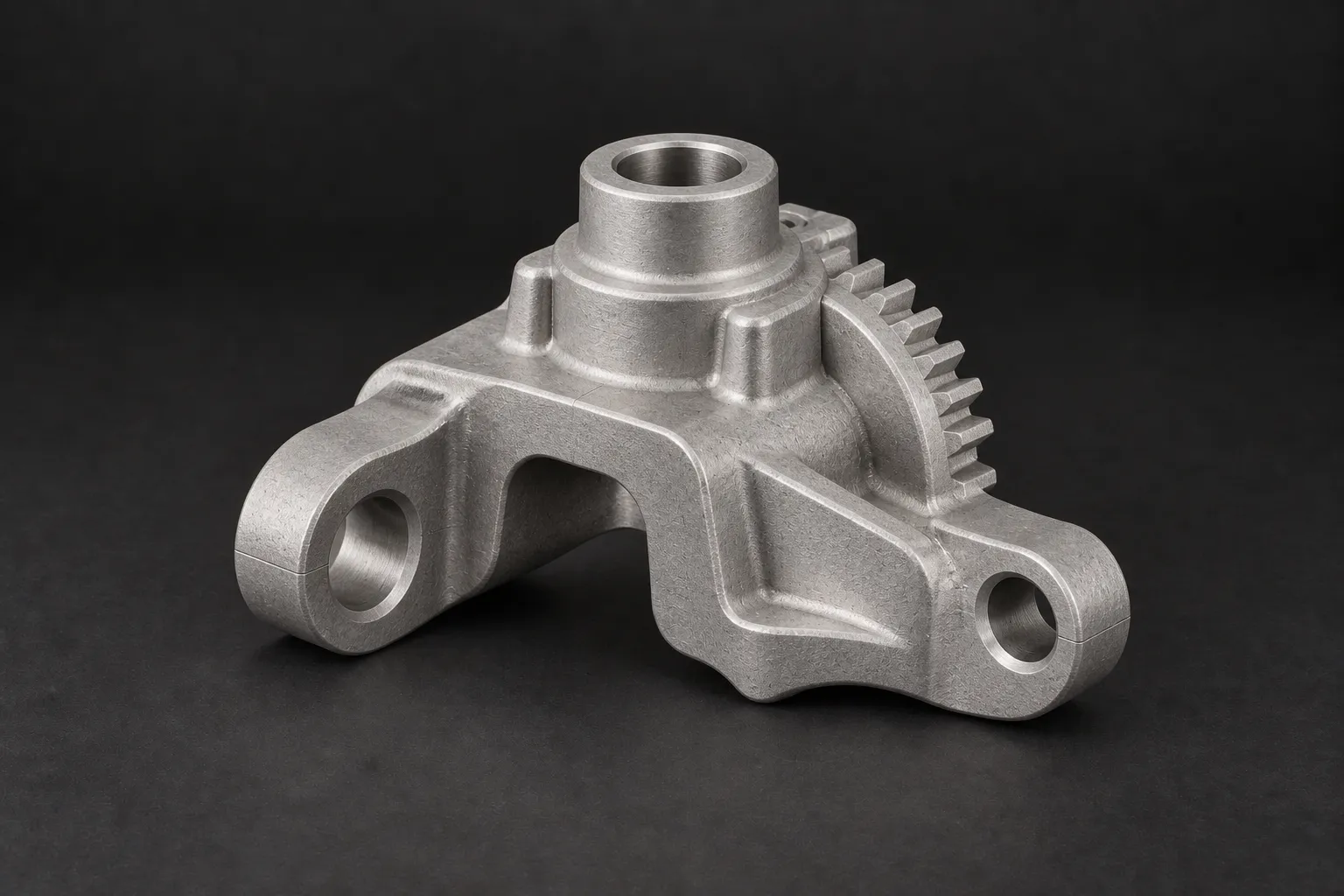
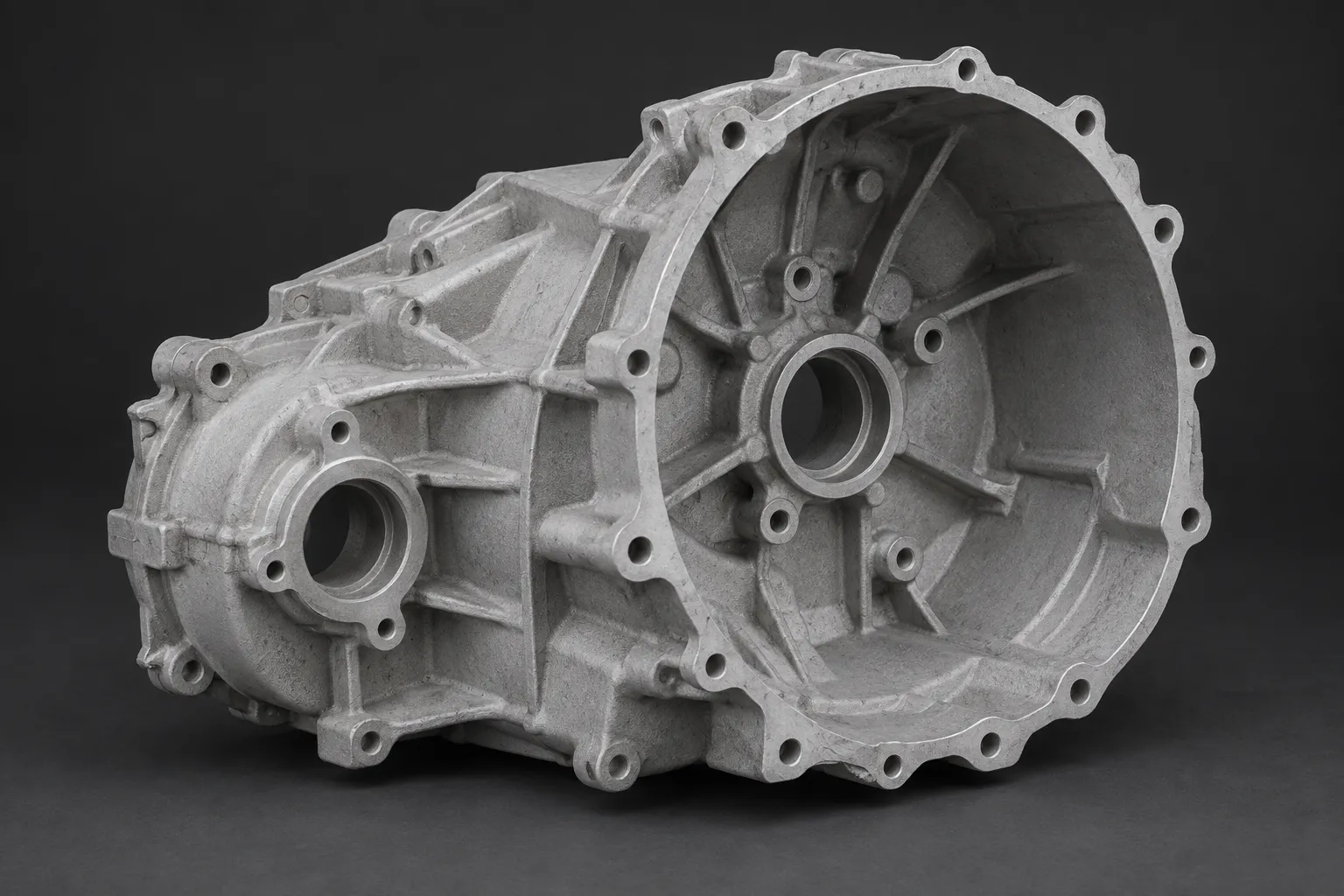
Reverse engineering is a term that gets used loosely. For a buying engineer trying to replace a part, the practical question is simple: what does the work actually involve, and is it the right route for my problem.
What reverse engineering means
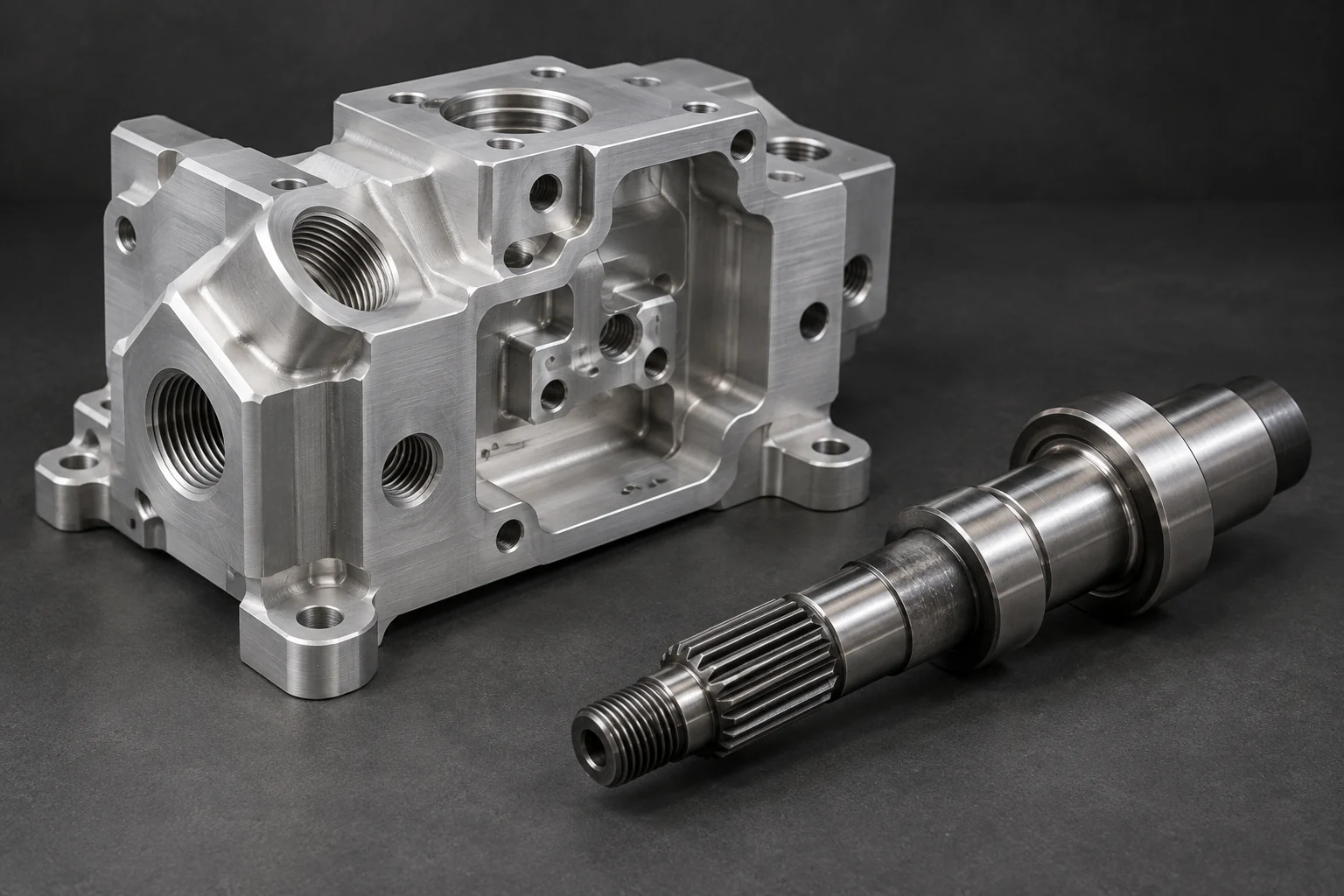
Reverse engineering is the process of recovering the full design of a part from the part itself, rather than from a drawing or a data file. You start with a physical component, often the only one left, measure its geometry, establish its material and finish, understand the function it performed and the loads it carried, and rebuild a complete, manufacturable definition of it in CAD. The output is a model and a drawing accurate enough to manufacture a part that fits and works in place of the original.
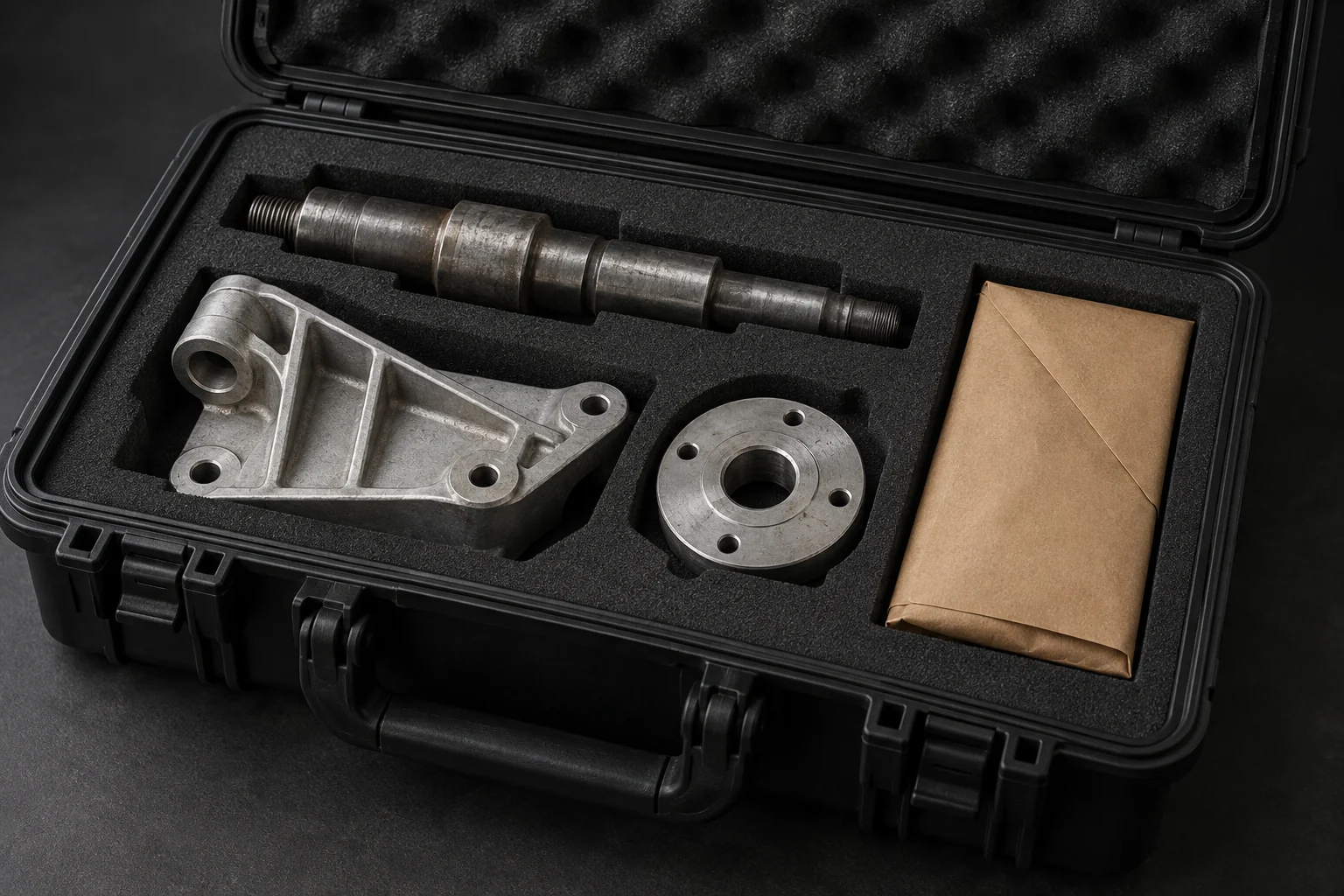
The steps involved
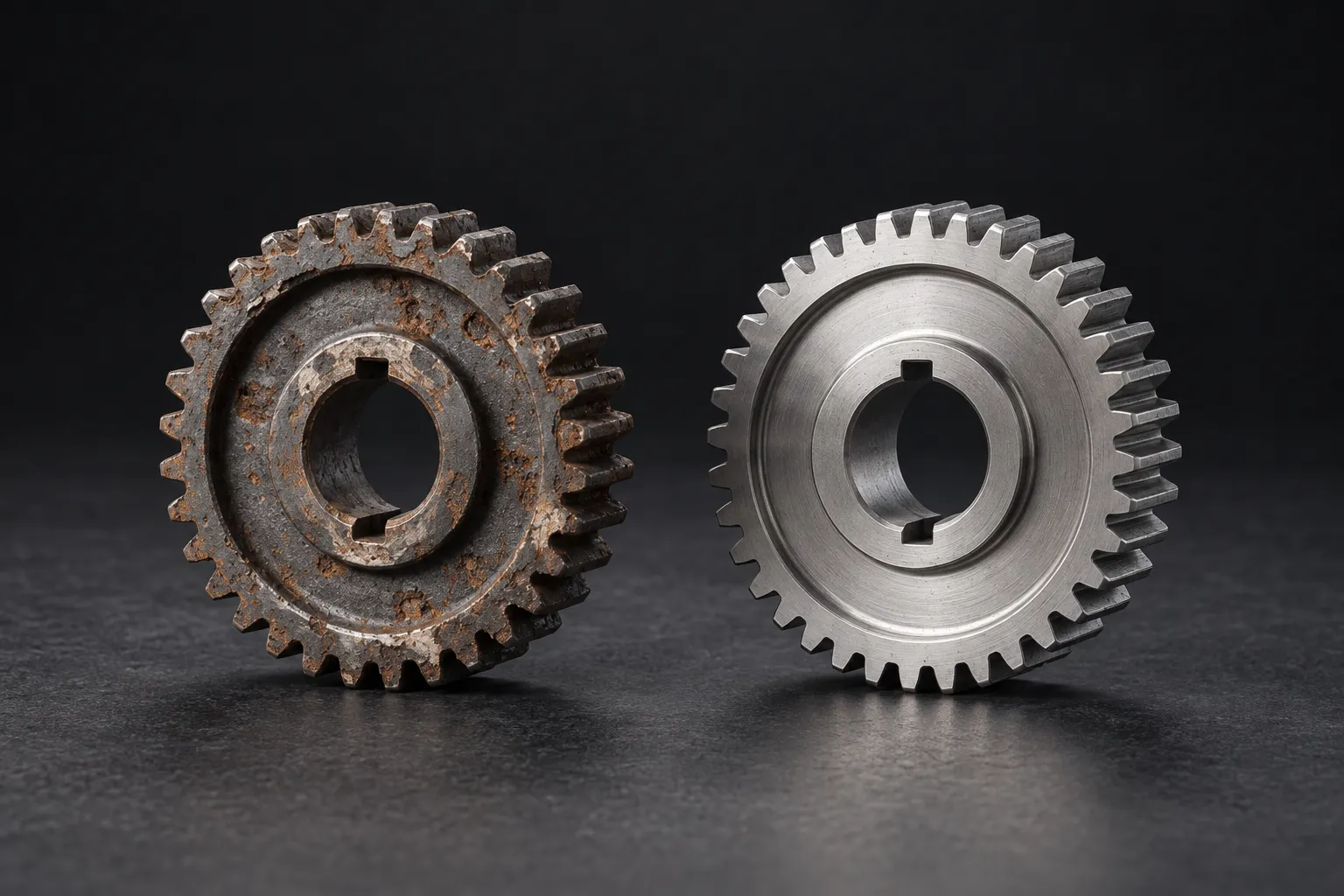
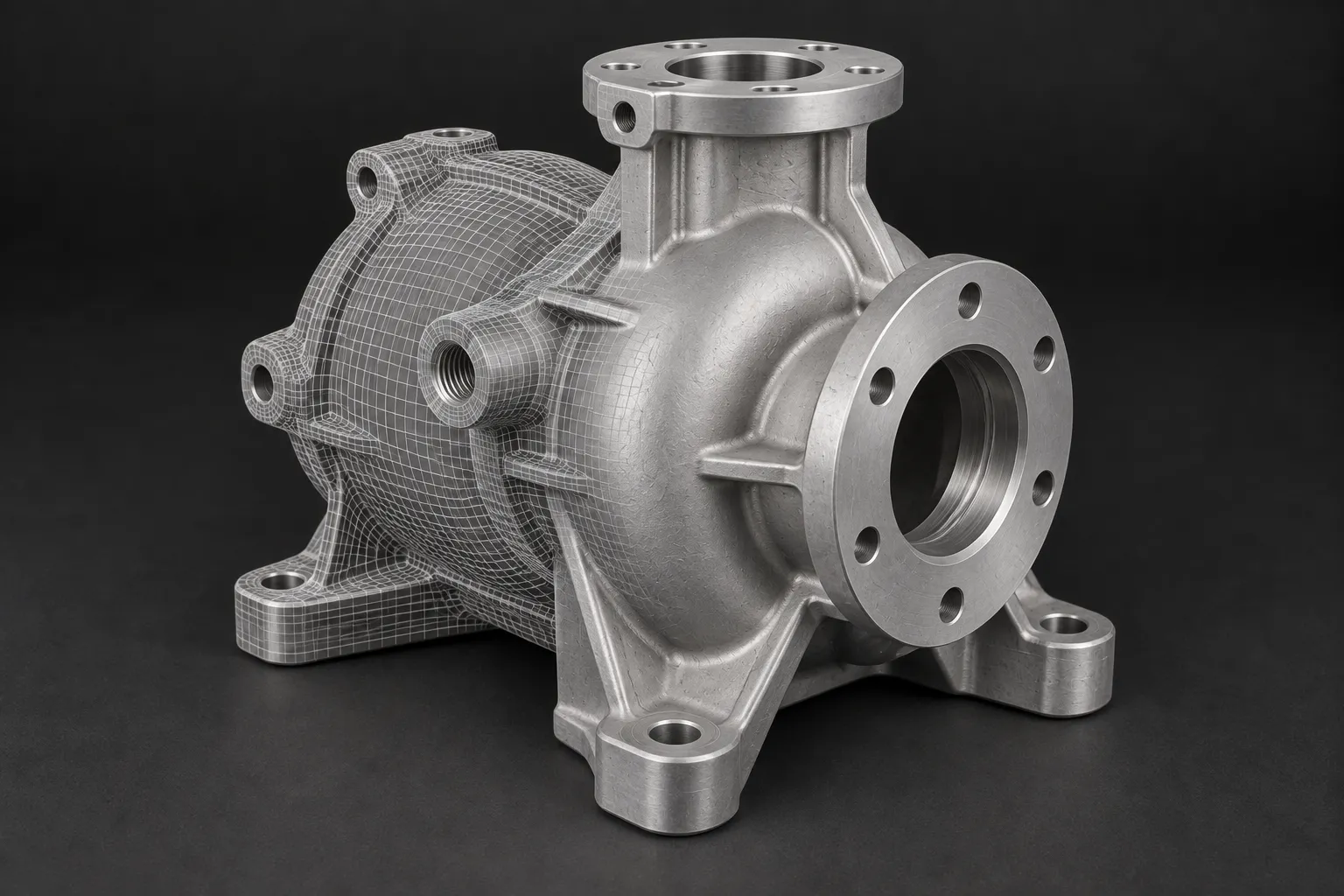
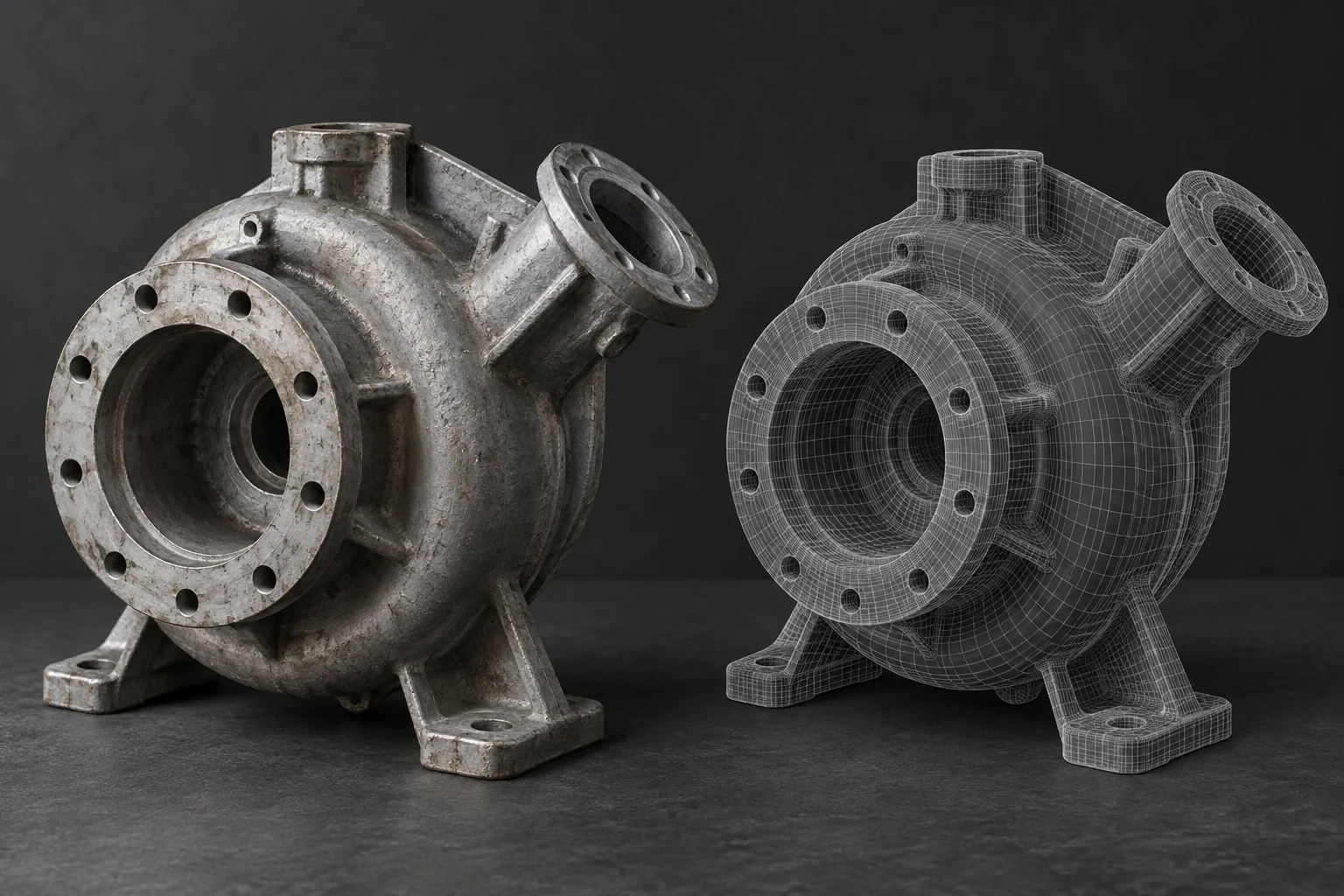
First, establish the component's function and available evidence. Measure critical features and use scanning where surface capture will help. Reconstruct the geometry in CAD, distinguish wear from intended features and agree the fits, materials and design changes. Manufacture follows approval, with inspection against the agreed requirements. A scan alone does not establish design intent.
When reverse engineering is the right route
It earns its place whenever the normal route to a replacement has closed: the part is obsolete and no longer made, the supplier has discontinued the line, the minimum order is far more than you need, the drawings never existed or left with someone who retired, the part has failed and the asset cannot wait, or you want a second independent source for a single-supplier part.
When it is not the right route
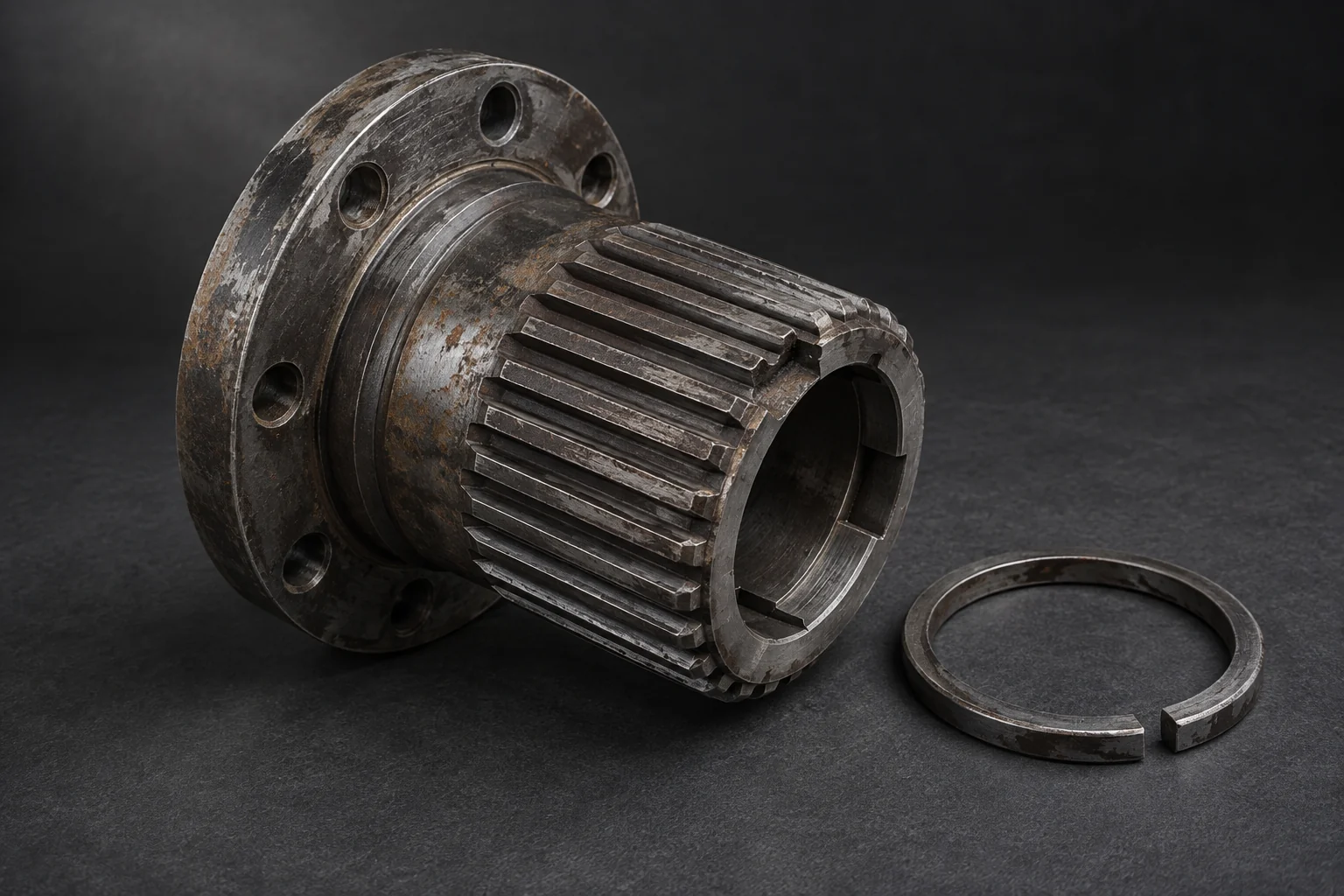
If the part is still in current production and available on a reasonable lead time, buy it. Reverse engineering is for parts you cannot otherwise get, or where the original carried a fault worth fixing. A broken or worn sample can still be useful, although missing geometry may require mating parts, additional records or agreed assumptions.
What you need to start
You need the part, or what is left of it, and a description of what it does and what failed. Old drawings help if you have them, but they are not required. Send us the part and we will give you an honest assessment.
Start with the part you have
Send photographs, any surviving records and a description of the job. Our Peterborough team will assess the information and recommend the next step.
Discuss your part with MV →Explore reverse engineering · Read the full reverse engineering guide