
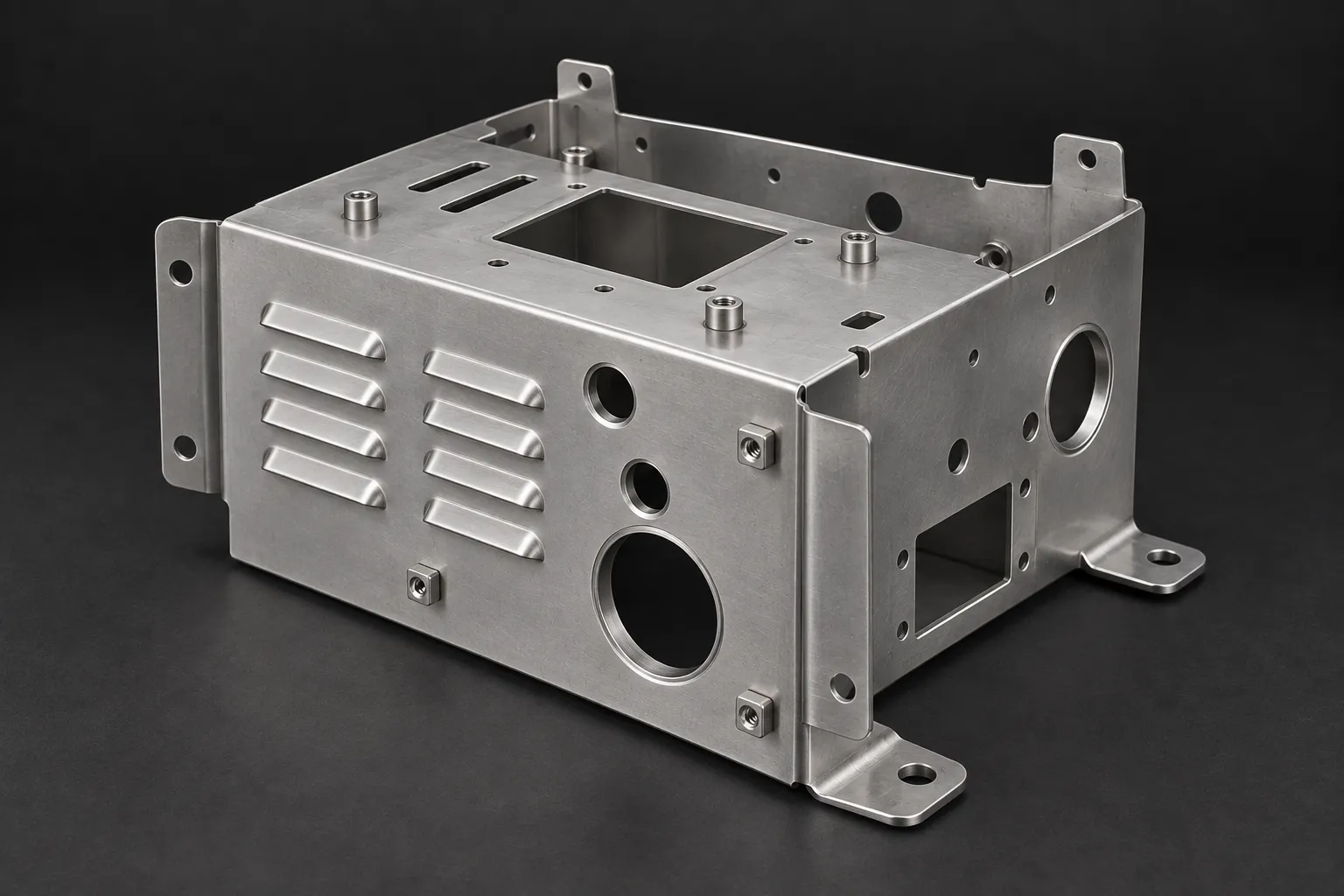
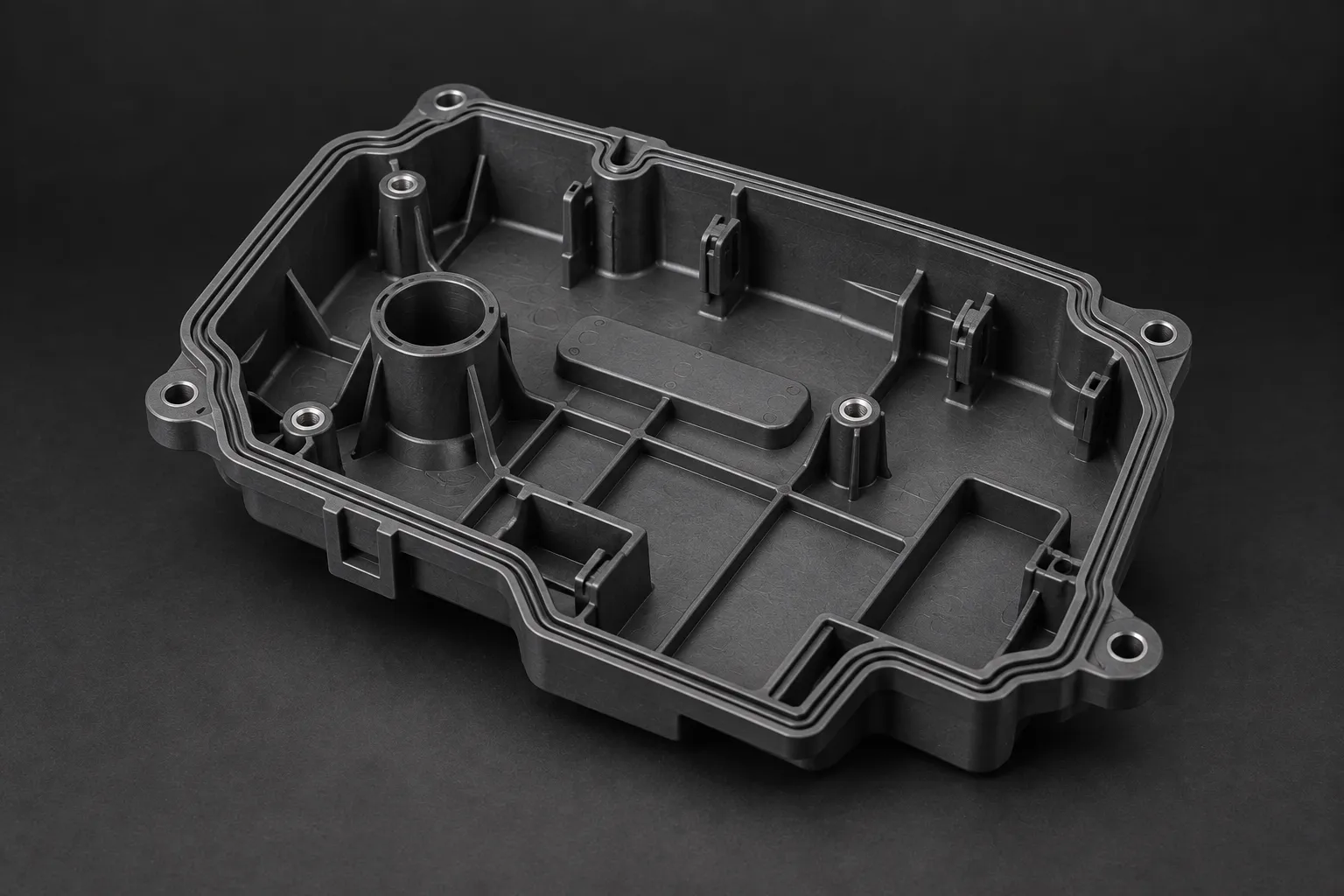
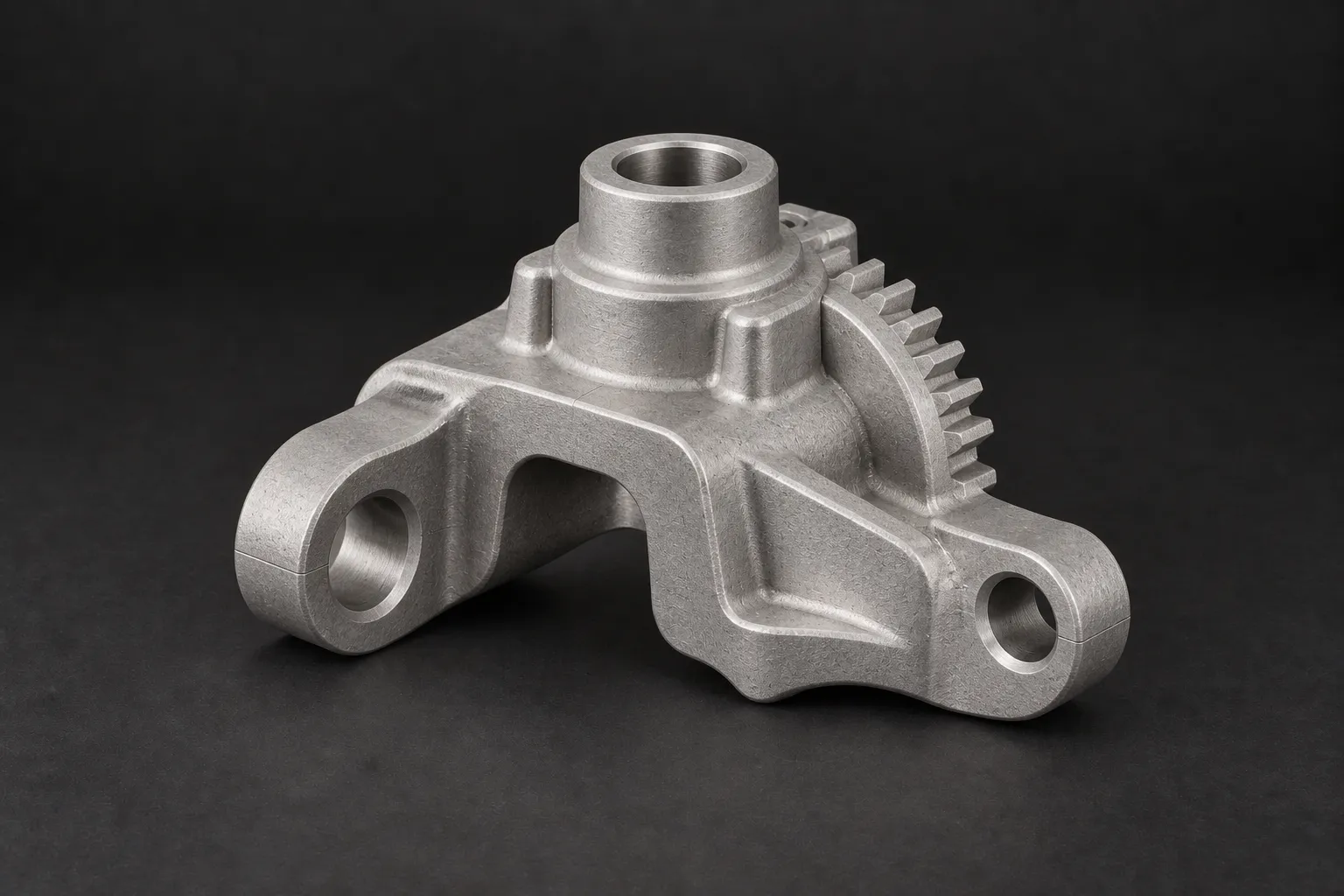
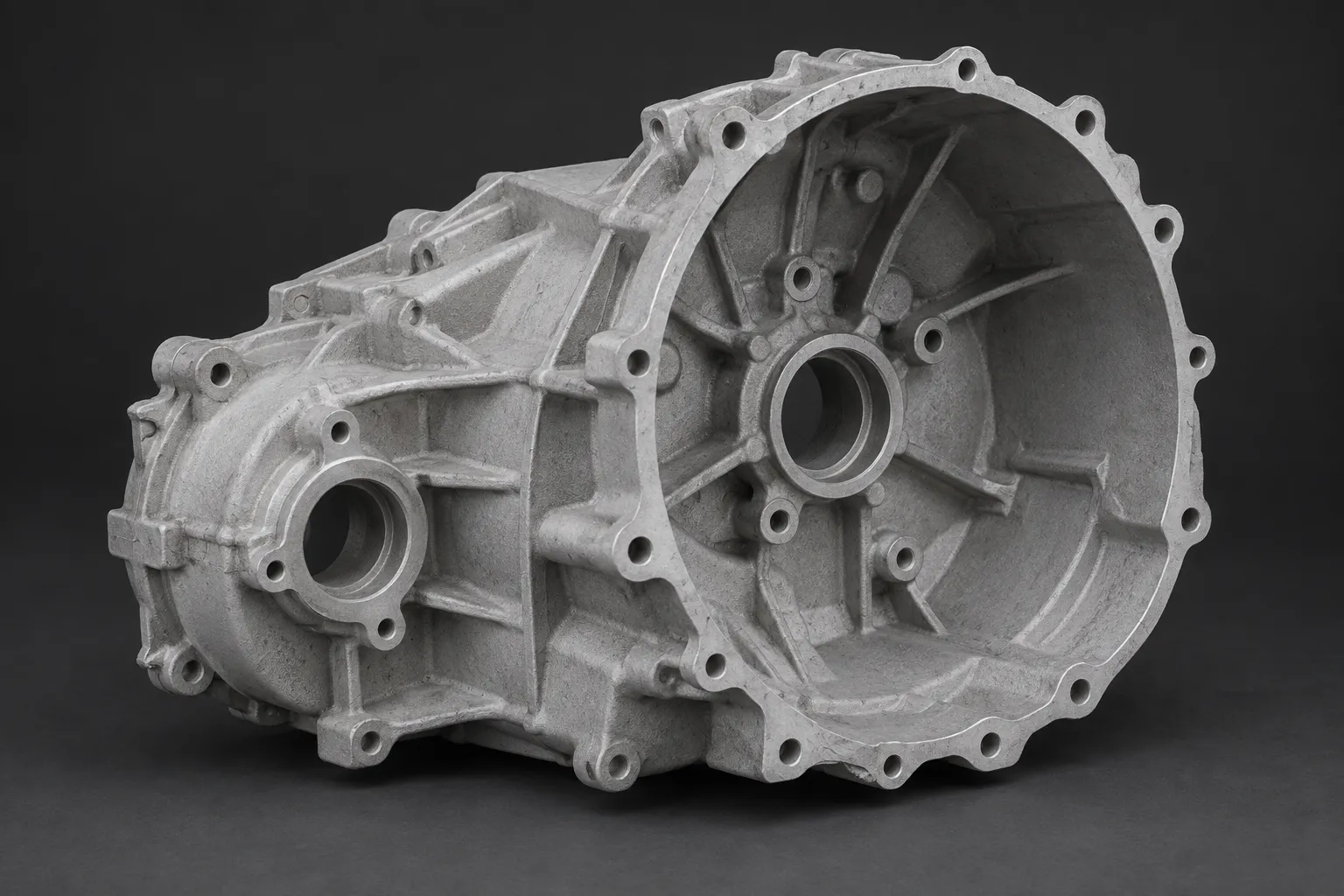
A discontinued part is one of the most frustrating problems an engineering team can face. The machine still runs. The rest of the assembly is sound. But one component has failed, and the company that made it has stopped supplying it, raised the minimum order to thousands of units, or gone out of business entirely. The part is not on any shelf, and the machine is waiting.
This guide sets out the routes open to you, and where each one falls down, so you can make the right call quickly.
Start by working out what you actually have
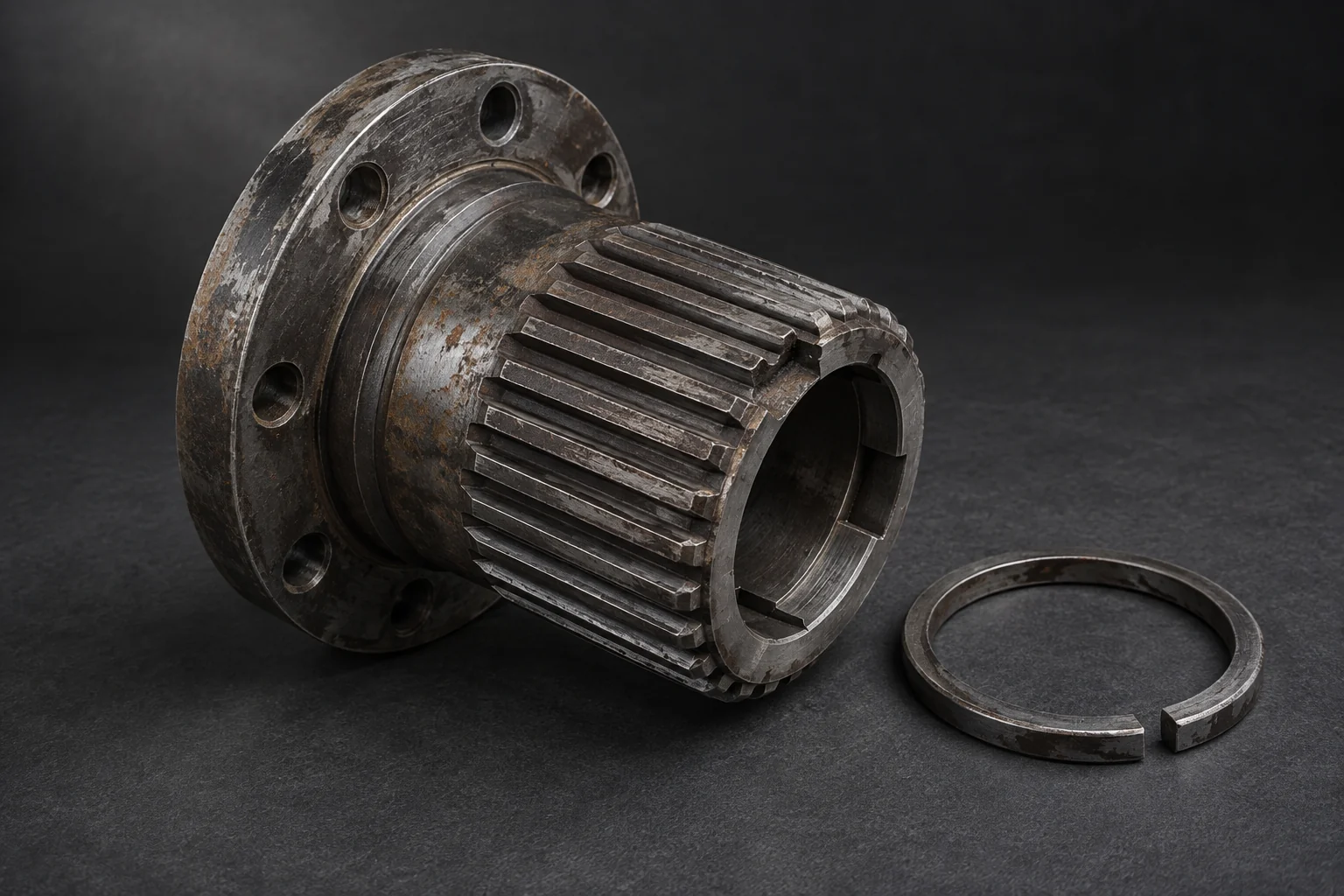
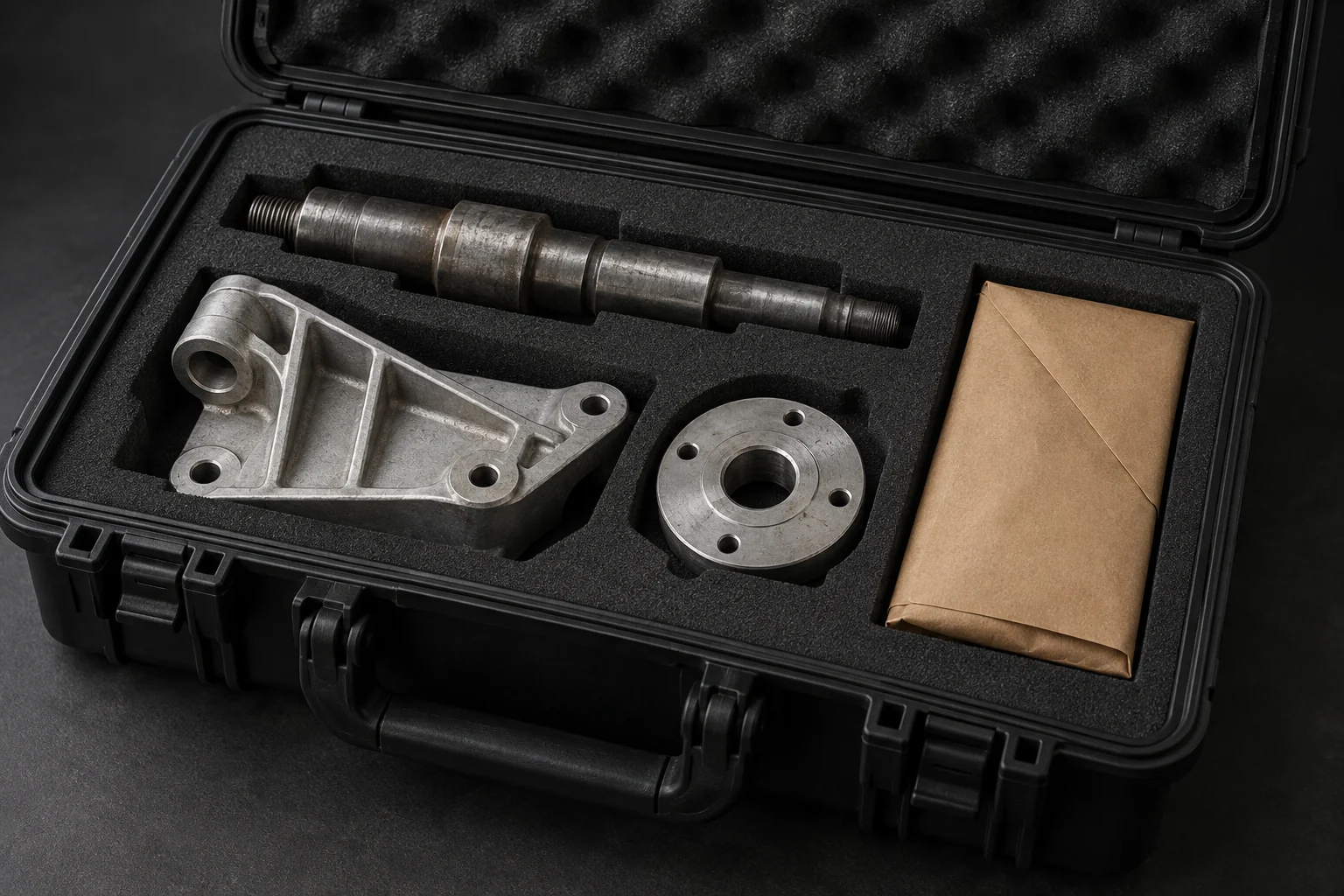
Before you chase anything, gather what exists: the failed part itself, even in pieces, plus any old drawing, a parts list, a serial or casting number, a photograph of the part fitted, and a clear description of what the part does and how it failed. Most of this will be missing. That is normal. The part itself carries the most information, so keep hold of it rather than scrap it.
Compare the available replacement routes
Check the original manufacturer, compatible current parts and traceable stock first. Replacing an assembly may also be appropriate if its wider condition makes a single-component repair unsuitable. Compare compatibility, condition, lead time and total cost before choosing a route.
Recovering the design from an existing part
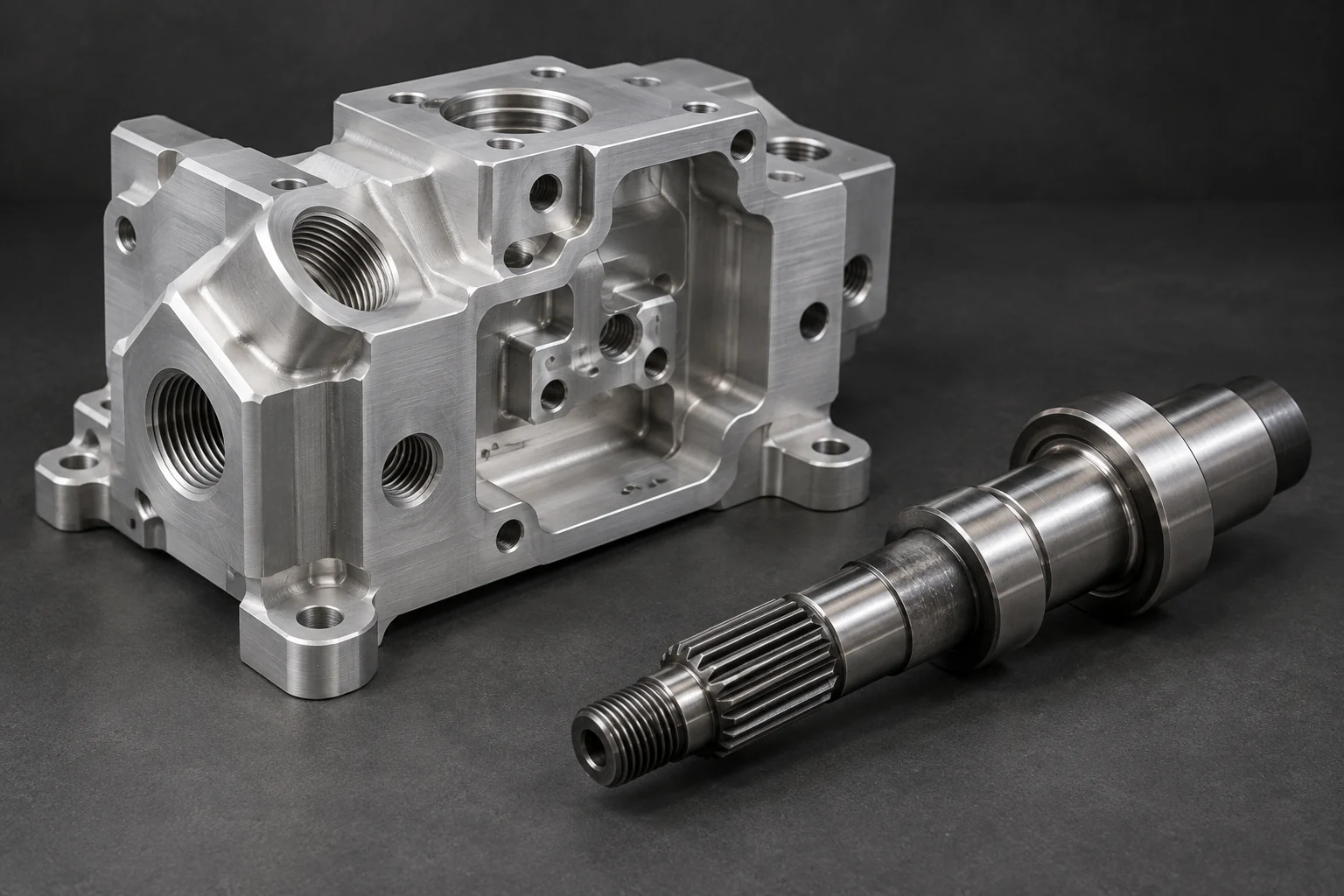
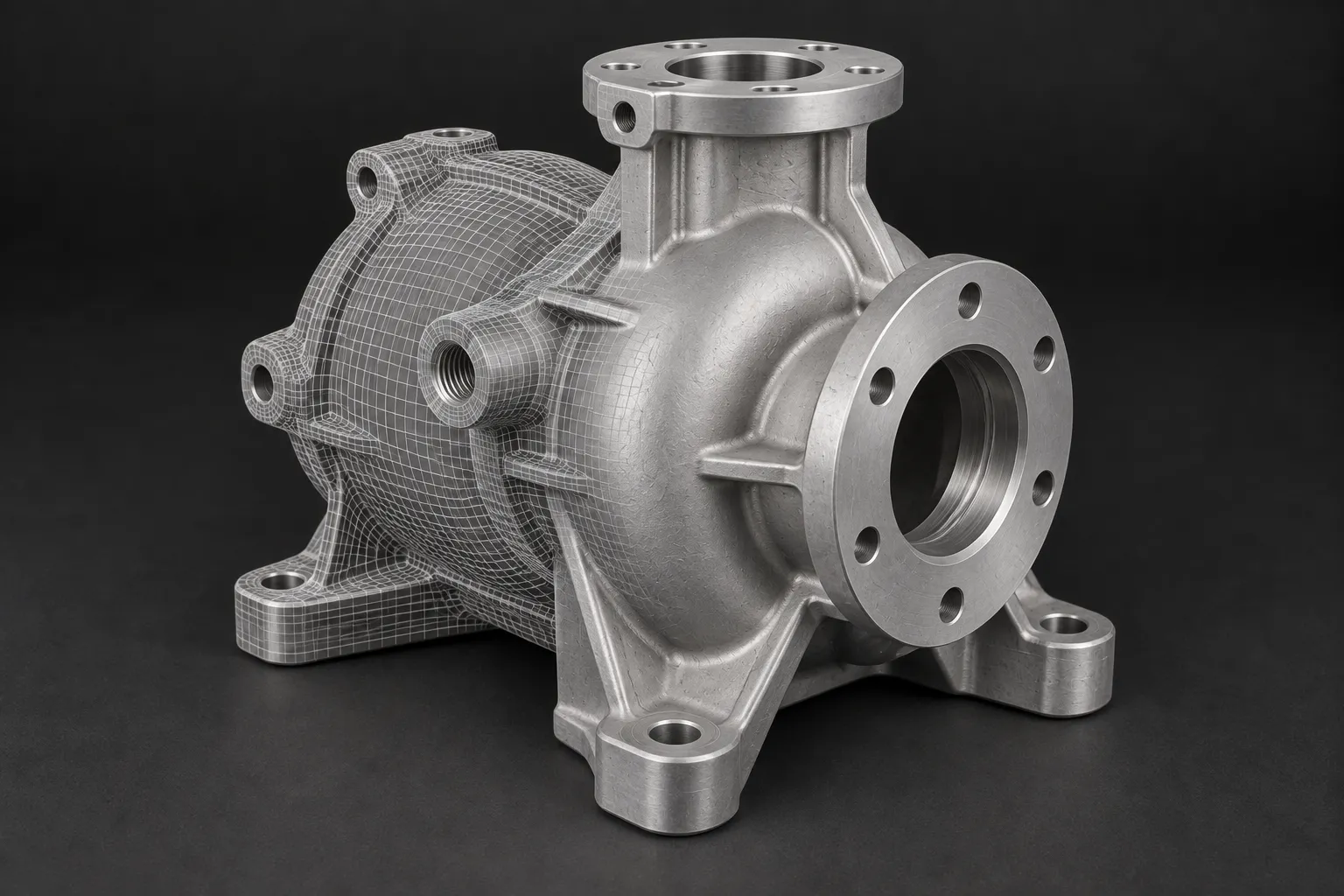
When a suitable part cannot be bought, reverse engineering may provide a replacement route. The sample is assessed, its geometry reconstructed and uncertain features reviewed against its function and mating parts. Feasibility depends on the evidence, material, manufacturing requirements and any necessary validation. Drawings are helpful but do not have to be your starting point.
Use the chance to fix the original
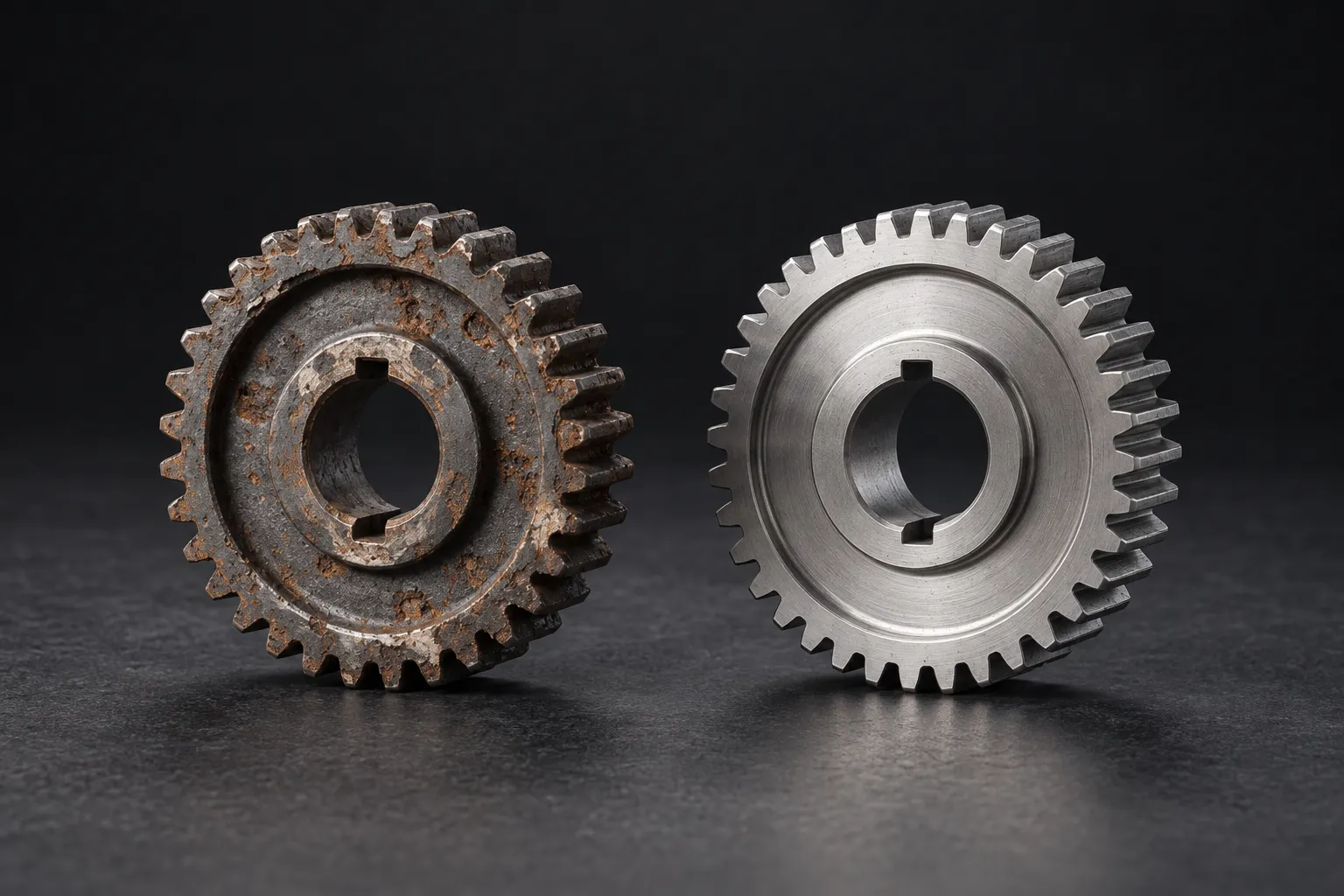
If the original failed for a reason, a marginal material, a stress concentration in a corner, a tolerance that was never quite right, that fault can be corrected in the new part. A good manufacturer will tell you where the original design can be improved and why, and leave alone what already worked.
What this looks like in practice
A first job to test a manufacturer is typically a single part, sized to prove how we work before anything larger is committed. Replacing a discontinued part does not have to mean retiring a sound machine or accepting weeks of downtime. If you are holding a part you cannot buy anymore, send us the part and we will tell you honestly whether and how we can help.
Start with the part you have
Send photographs, any surviving records and a description of the job. Our Peterborough team will assess the information and recommend the next step.
Discuss your part with MV →Explore reverse engineering · Read the full reverse engineering guide