A programme of four frame units, reverse engineered and built to keep a customer's production line running.
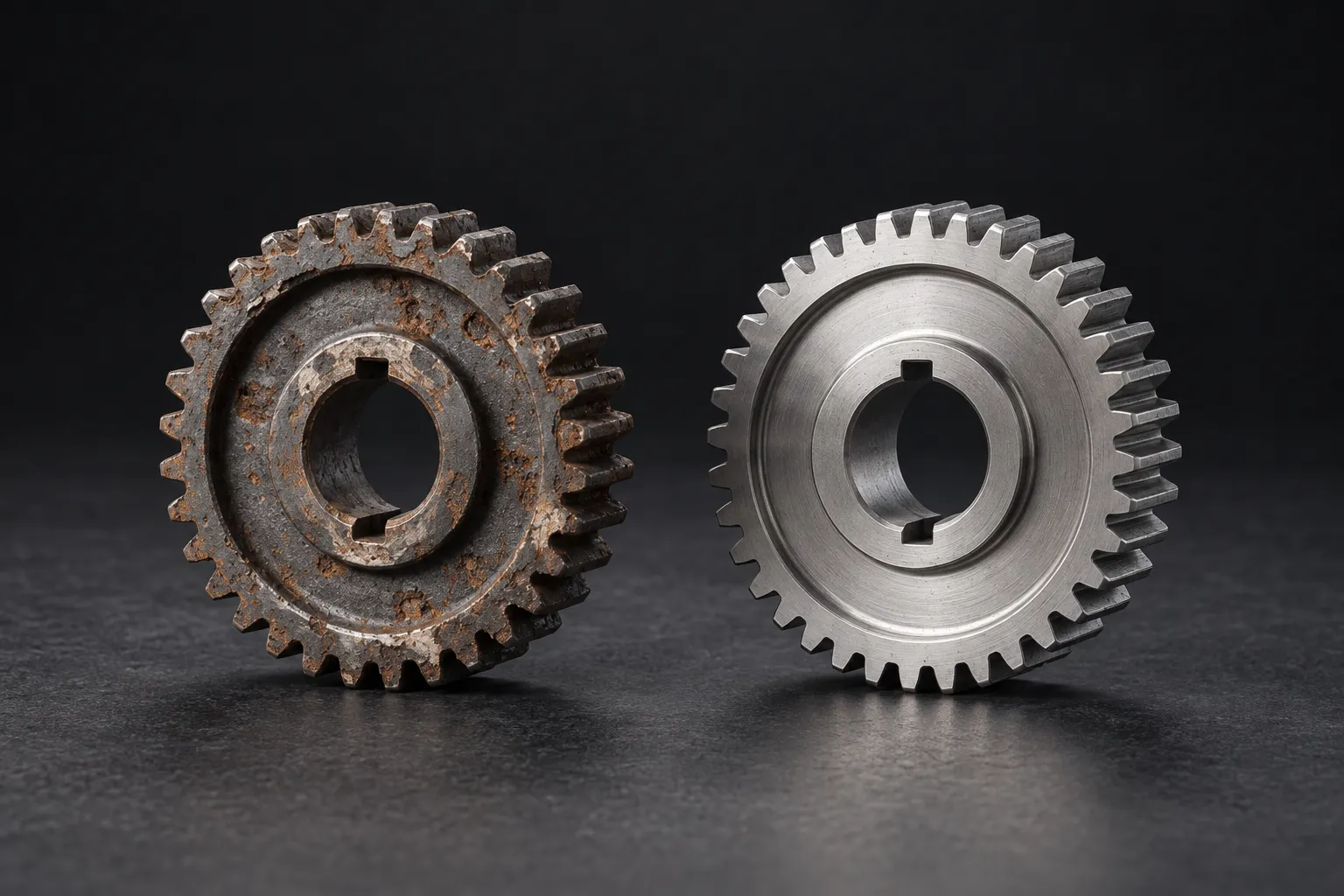
Start with a worn, failed or discontinued part. We reconstruct the design and agree improvements before manufacture.
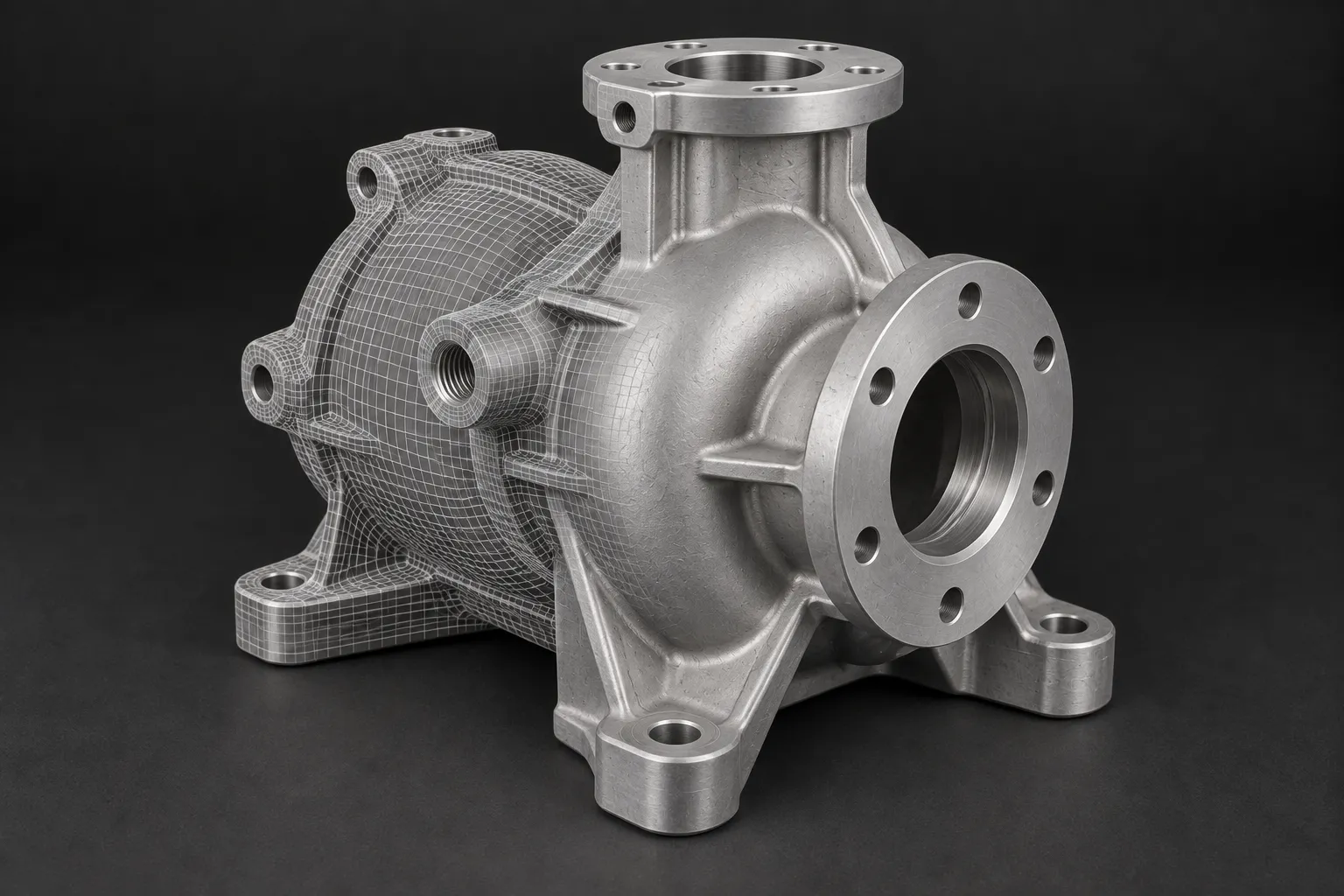
Digital surface capture to support CAD reconstruction and the wider reverse engineering job.
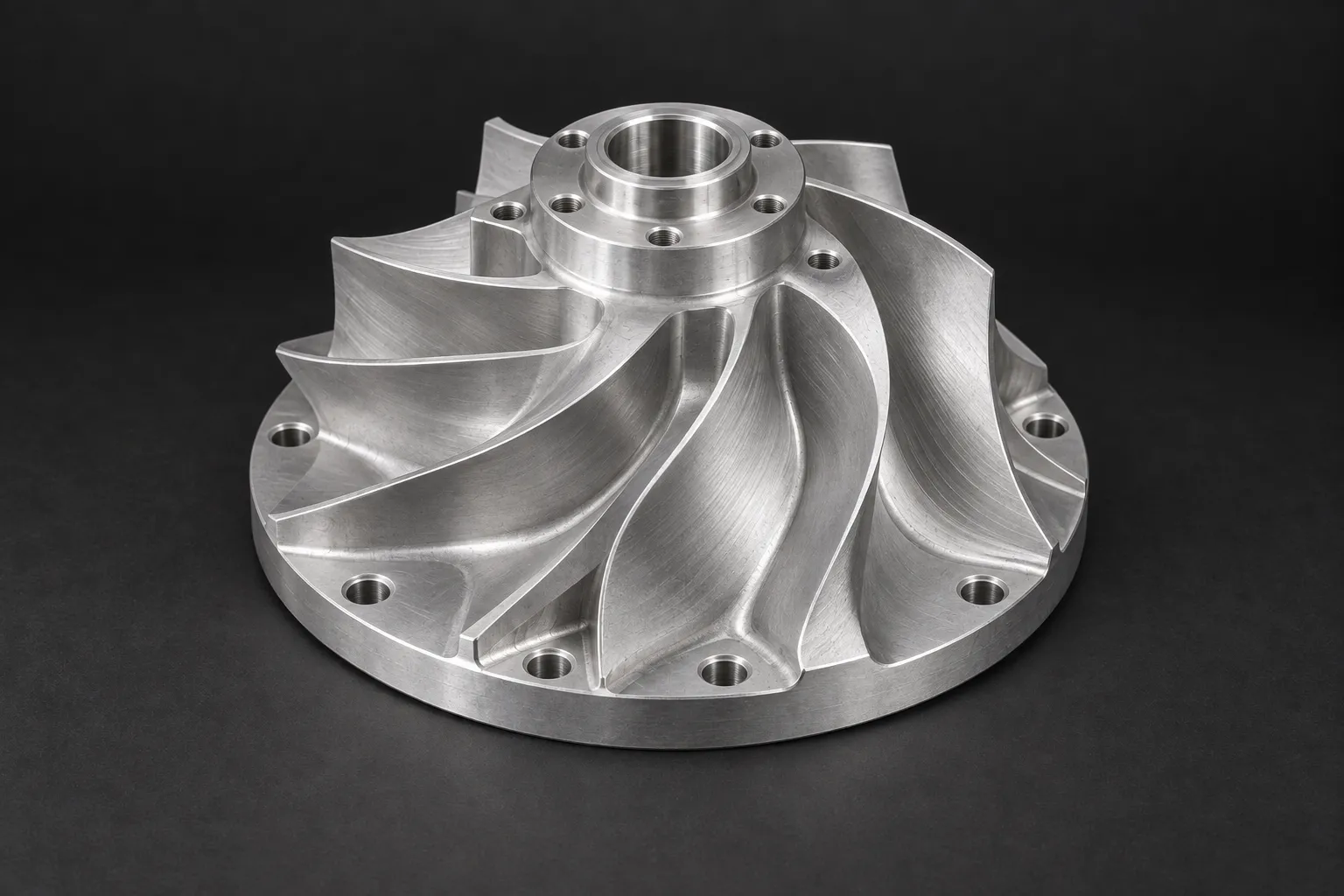
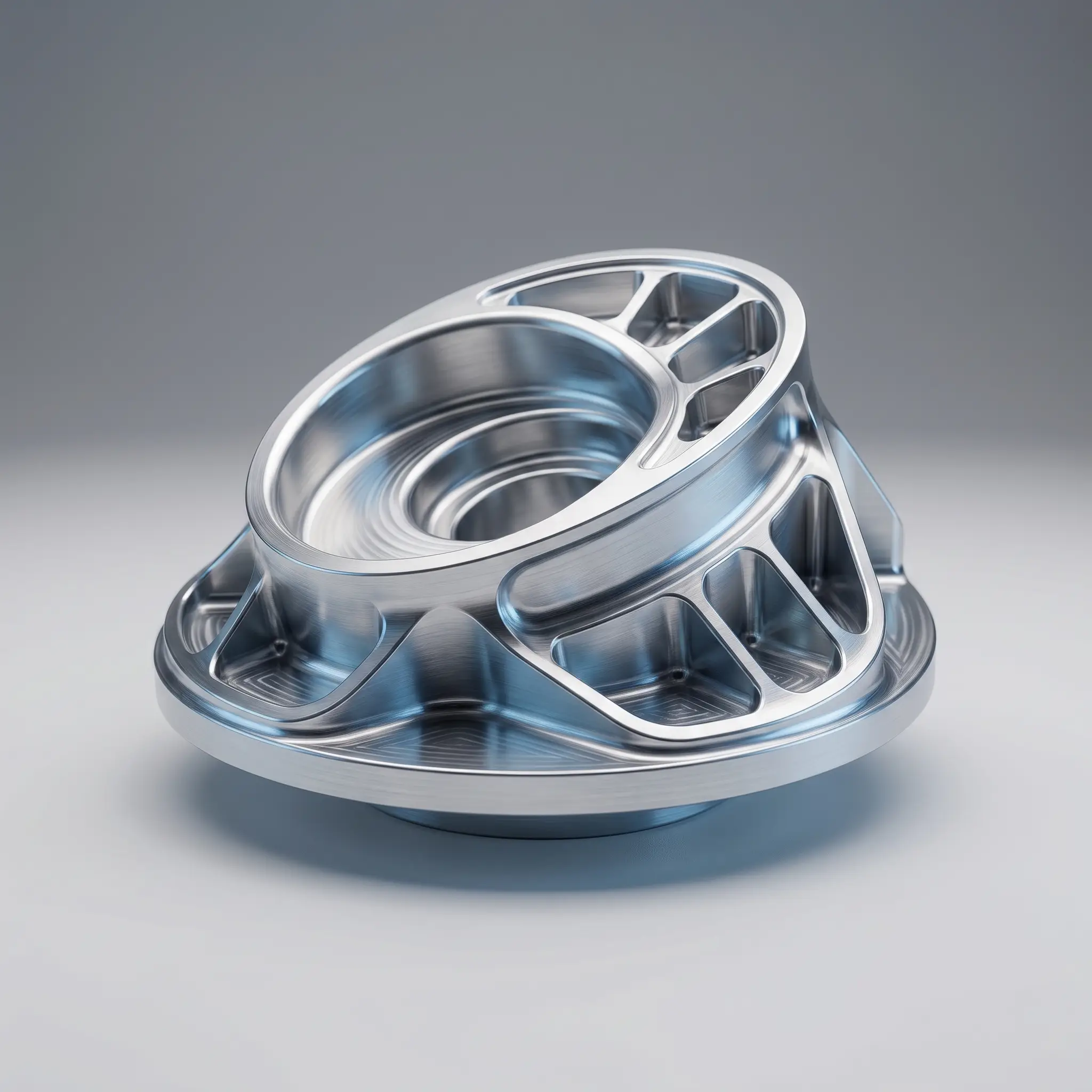
Machine angled features and complex surfaces, with the set-up planned around the critical relationships.
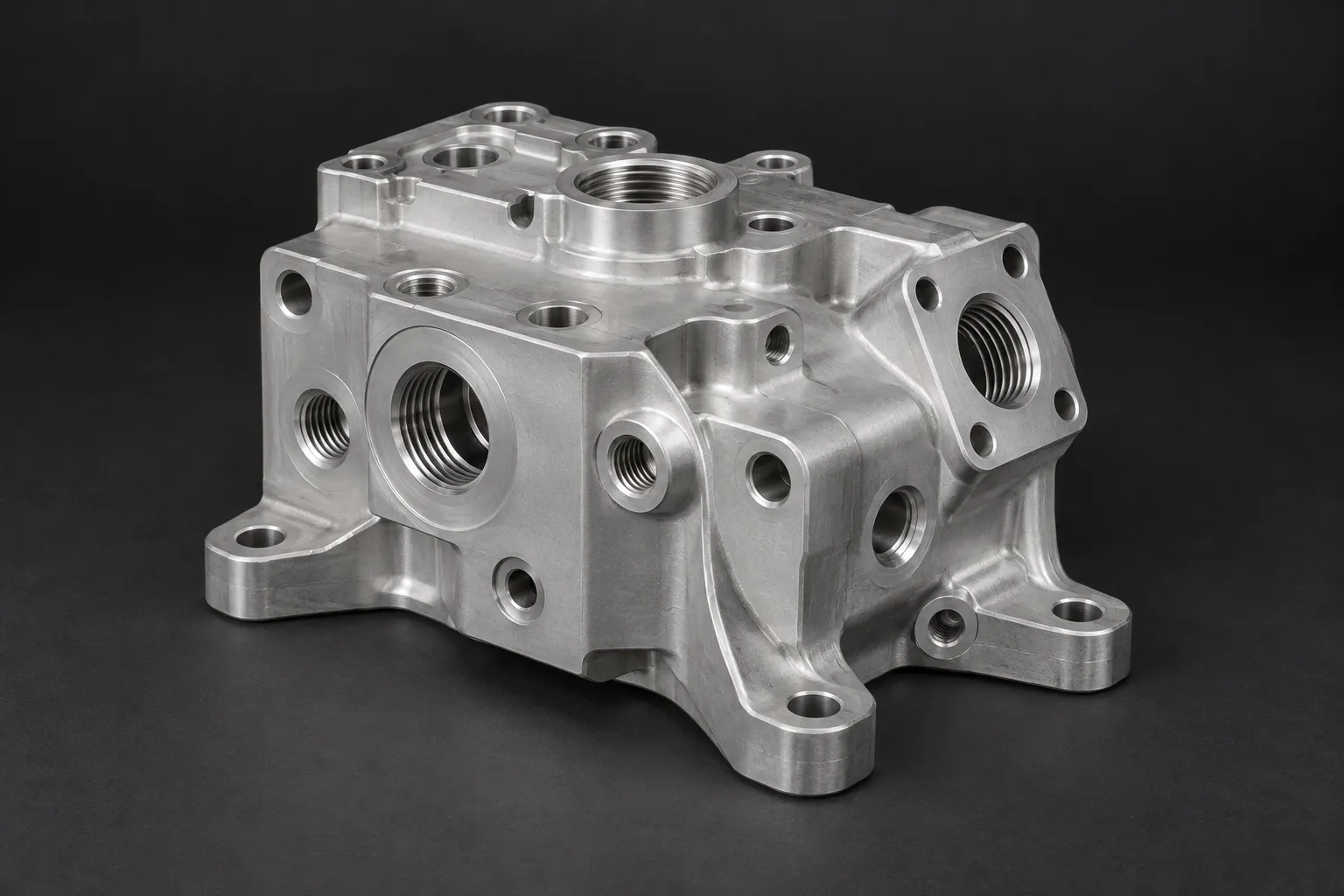
Milled housings, brackets and precision components in metals and engineering plastics.
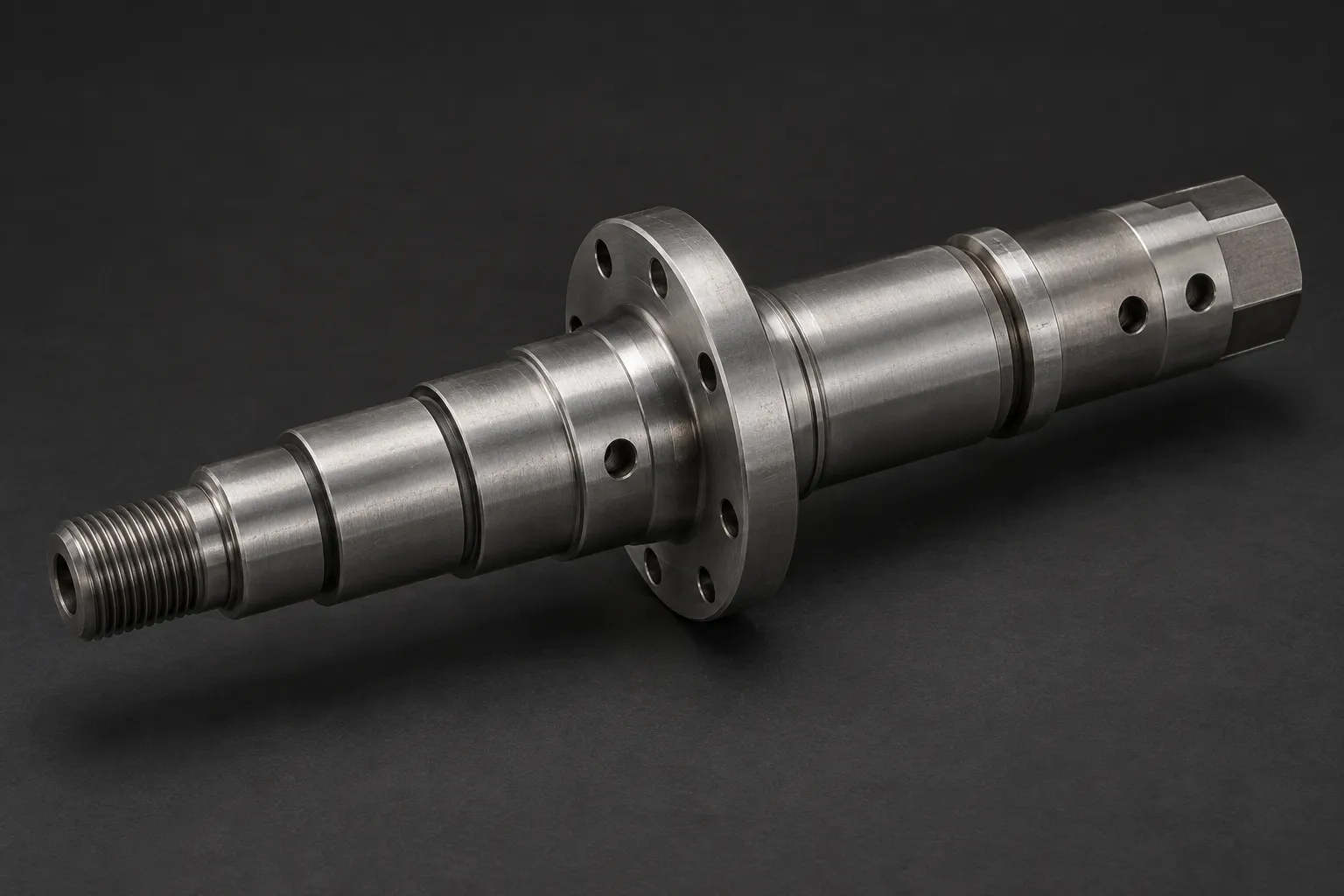
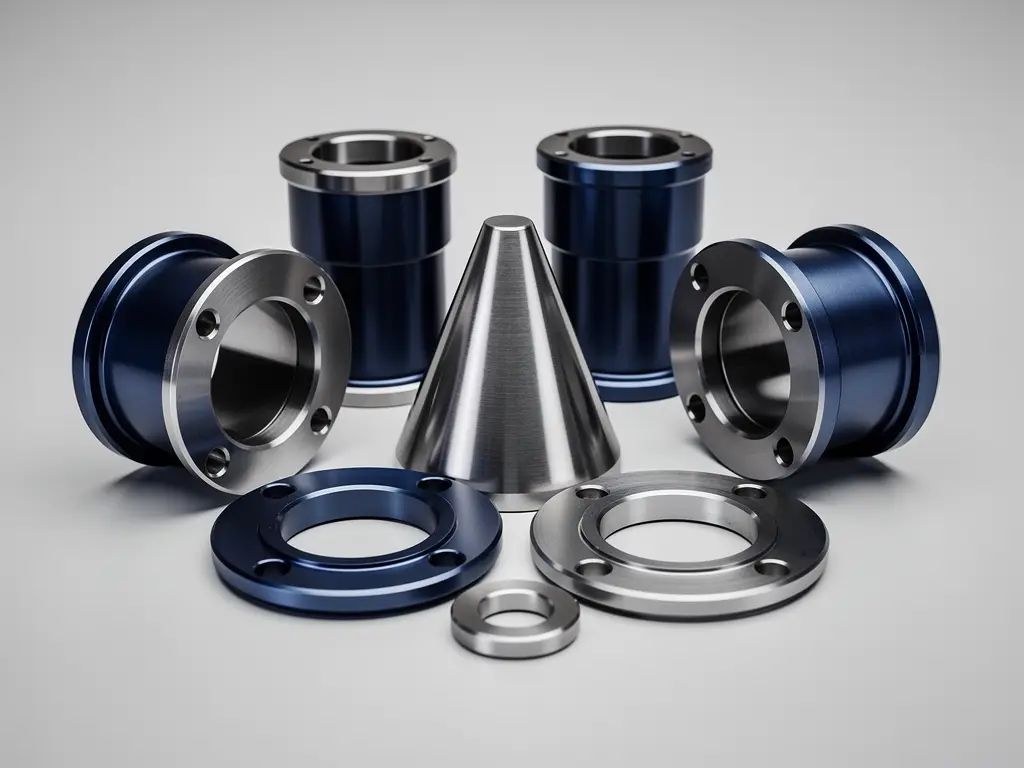
Stepped shafts, threaded fittings and housings, made to drawing or reverse engineered from a sample.
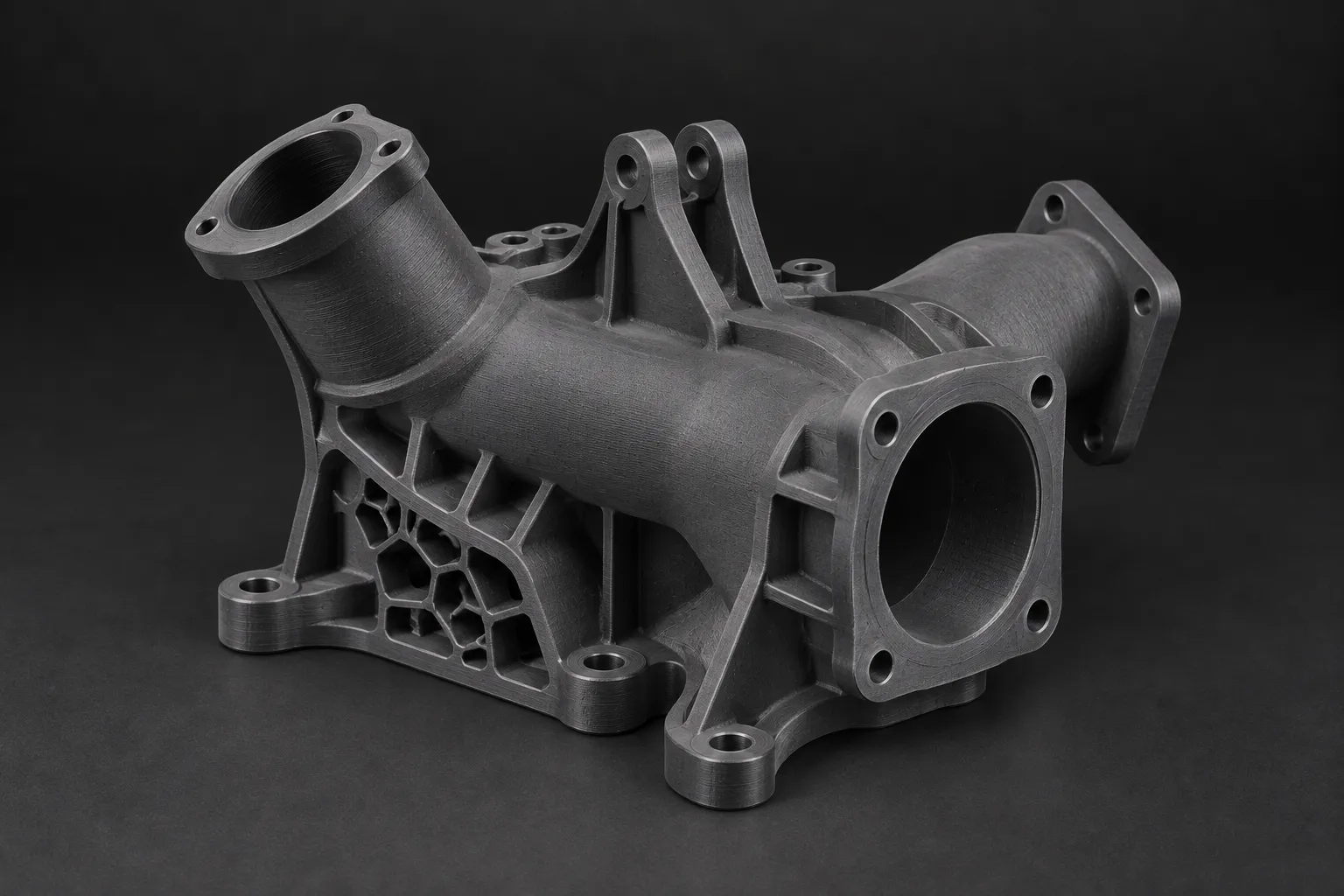
Bring us the application. Our engineers recommend the material and approach for your prototype or part.
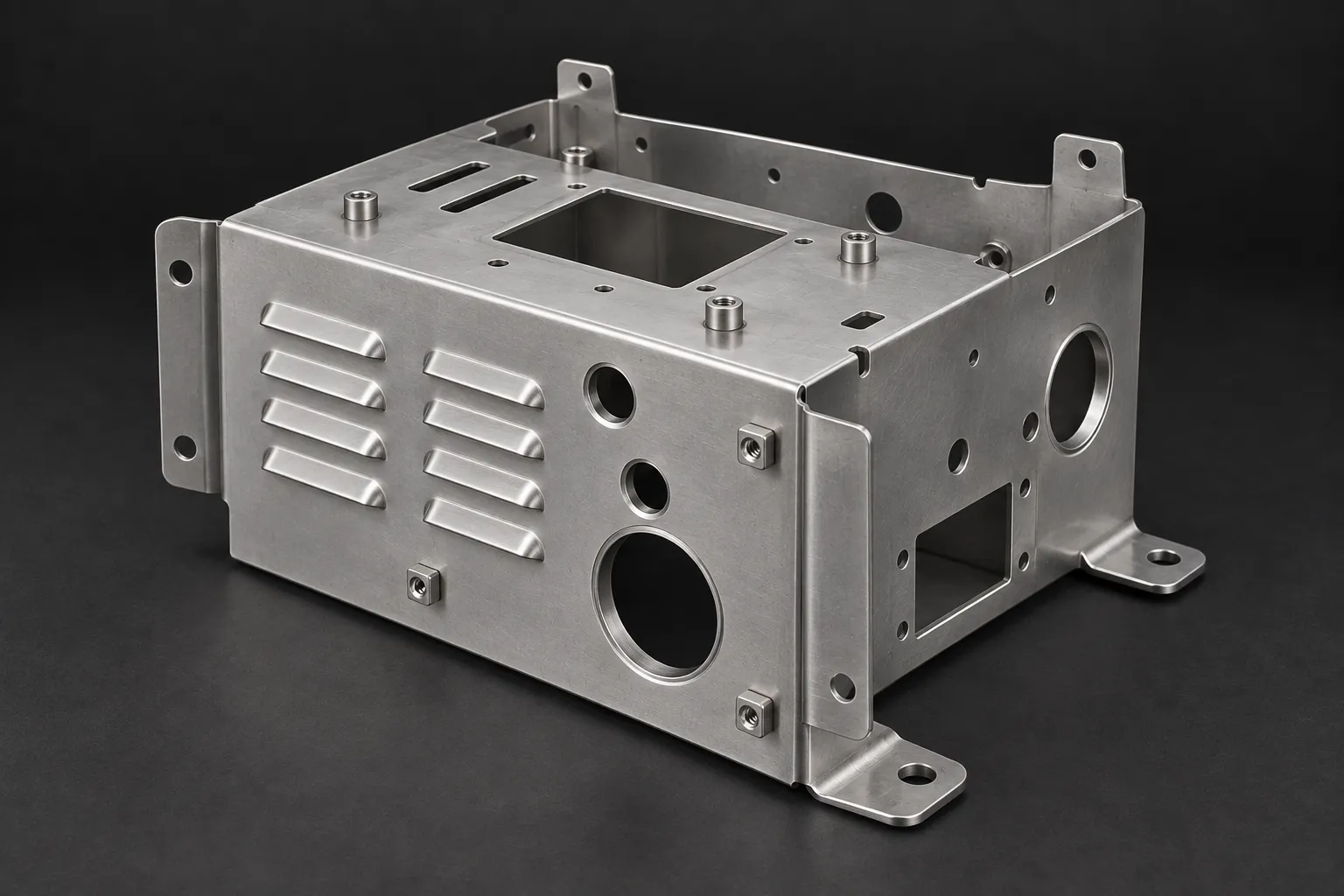
Brackets, panels and enclosures, developed around the bends, interfaces and finished assembly.
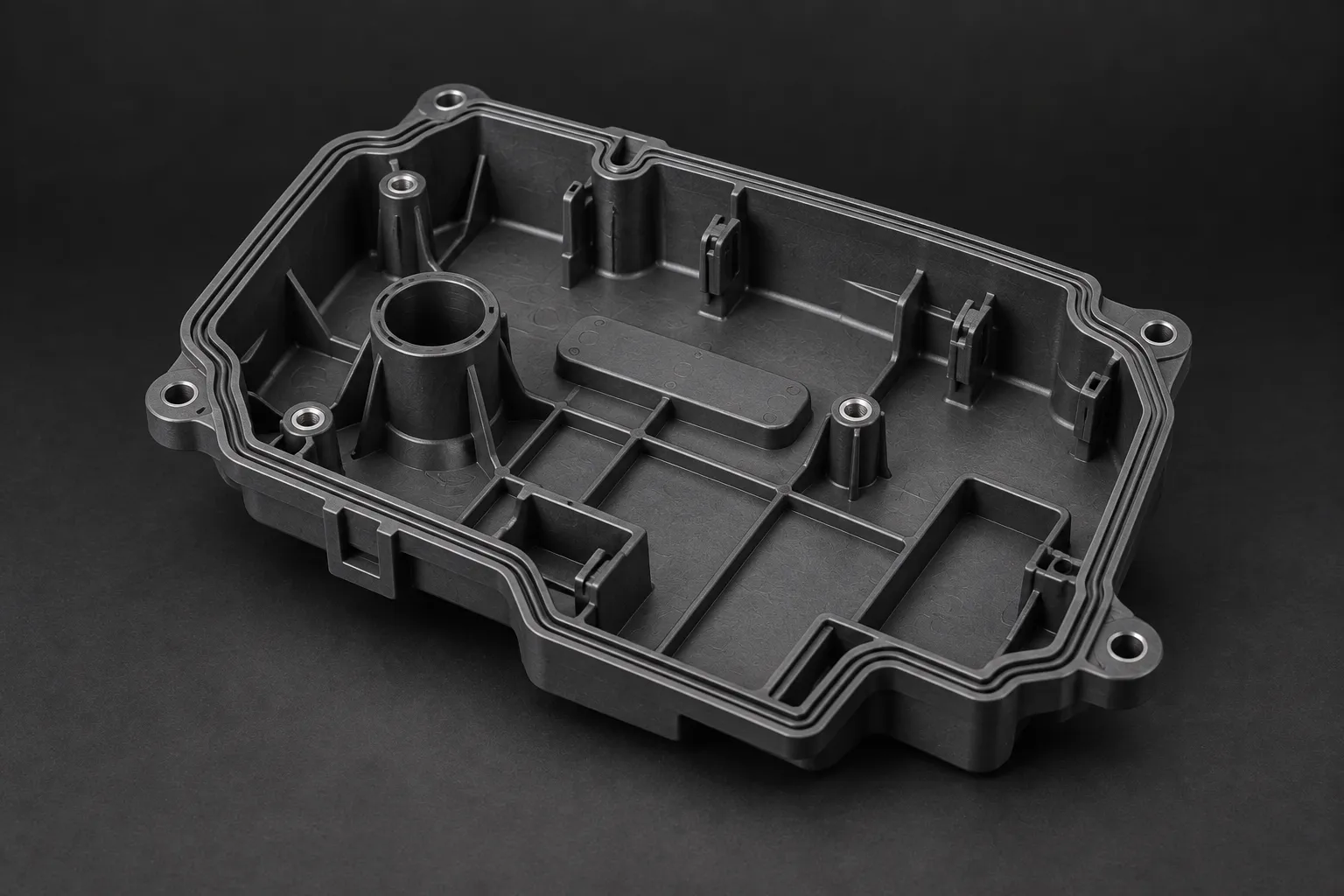
Moulded plastic components, with material, tool design and production requirements considered together.
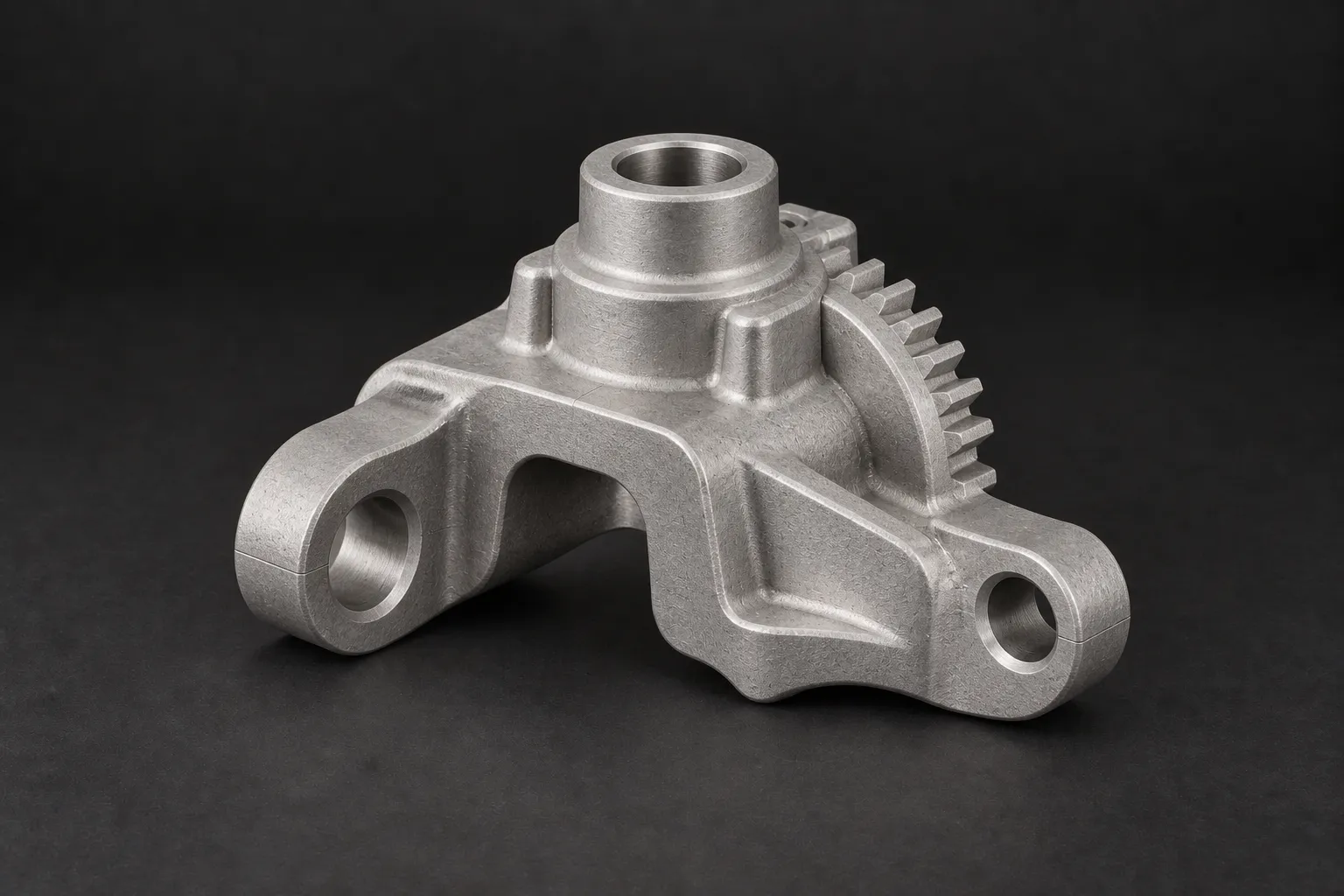
Small, complex metal components where geometry and quantity suit moulding and sintering.
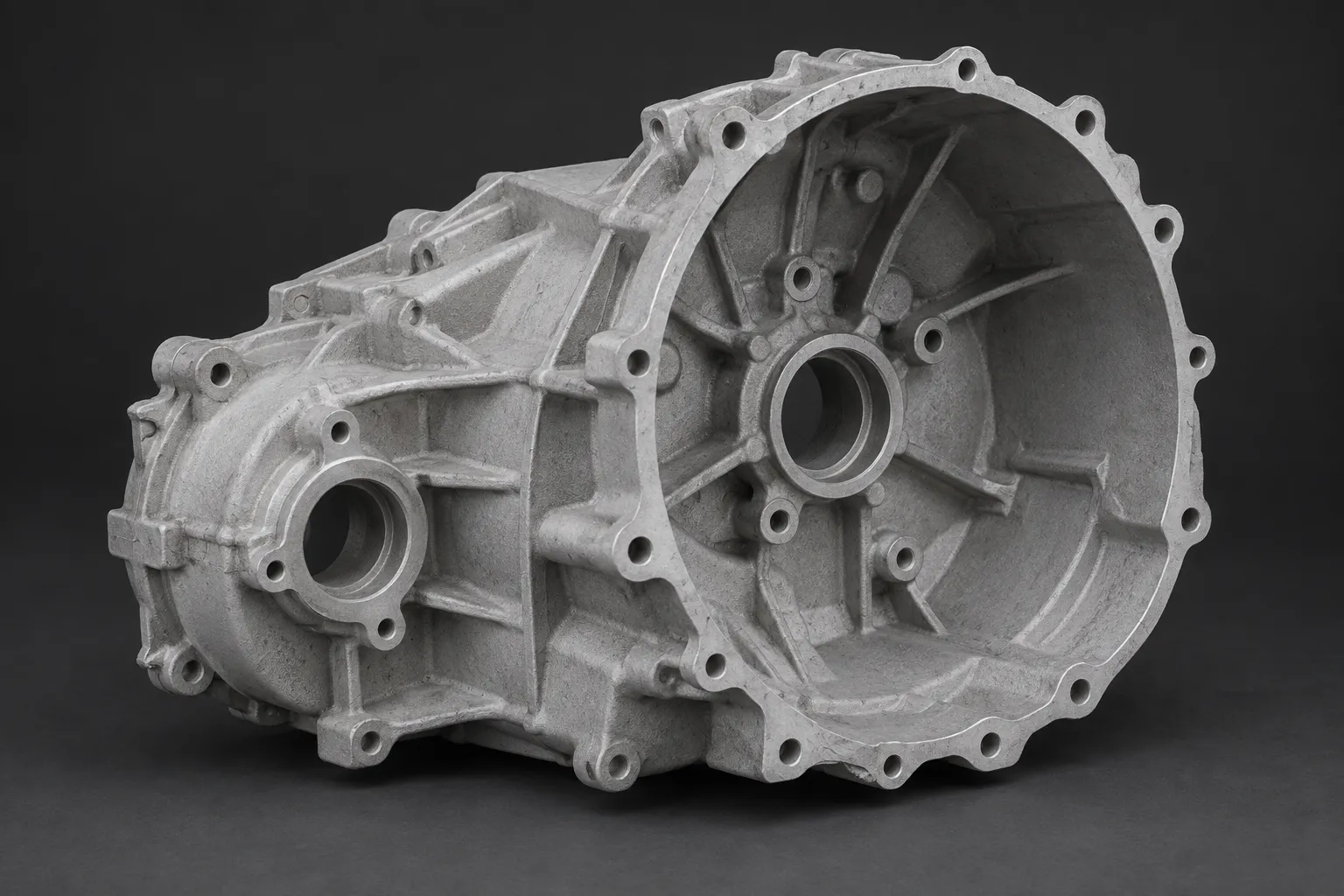
Aluminium housings and components, with casting geometry and any secondary machining planned together.
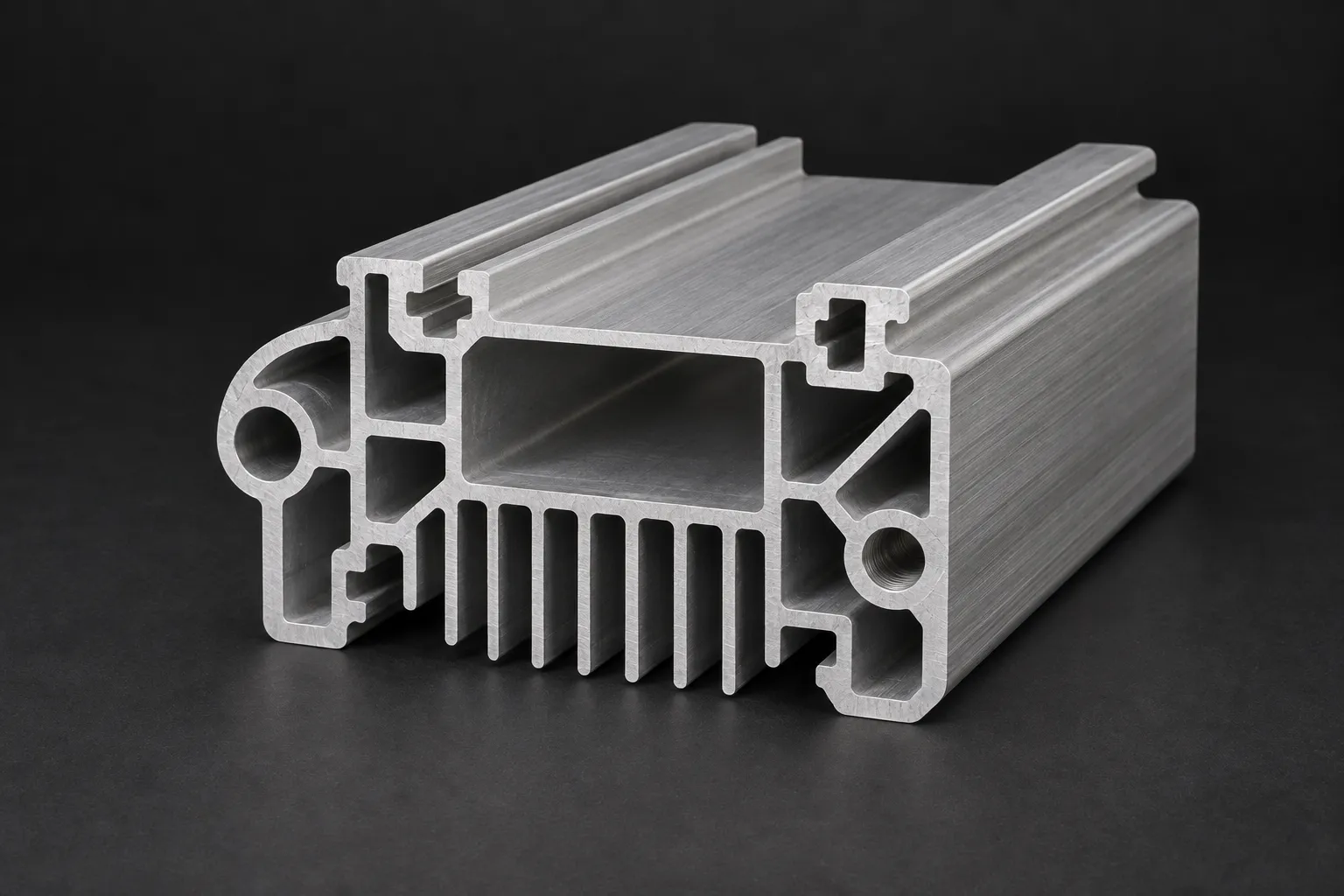
Custom sections developed for the application, then cut, machined and finished as required.
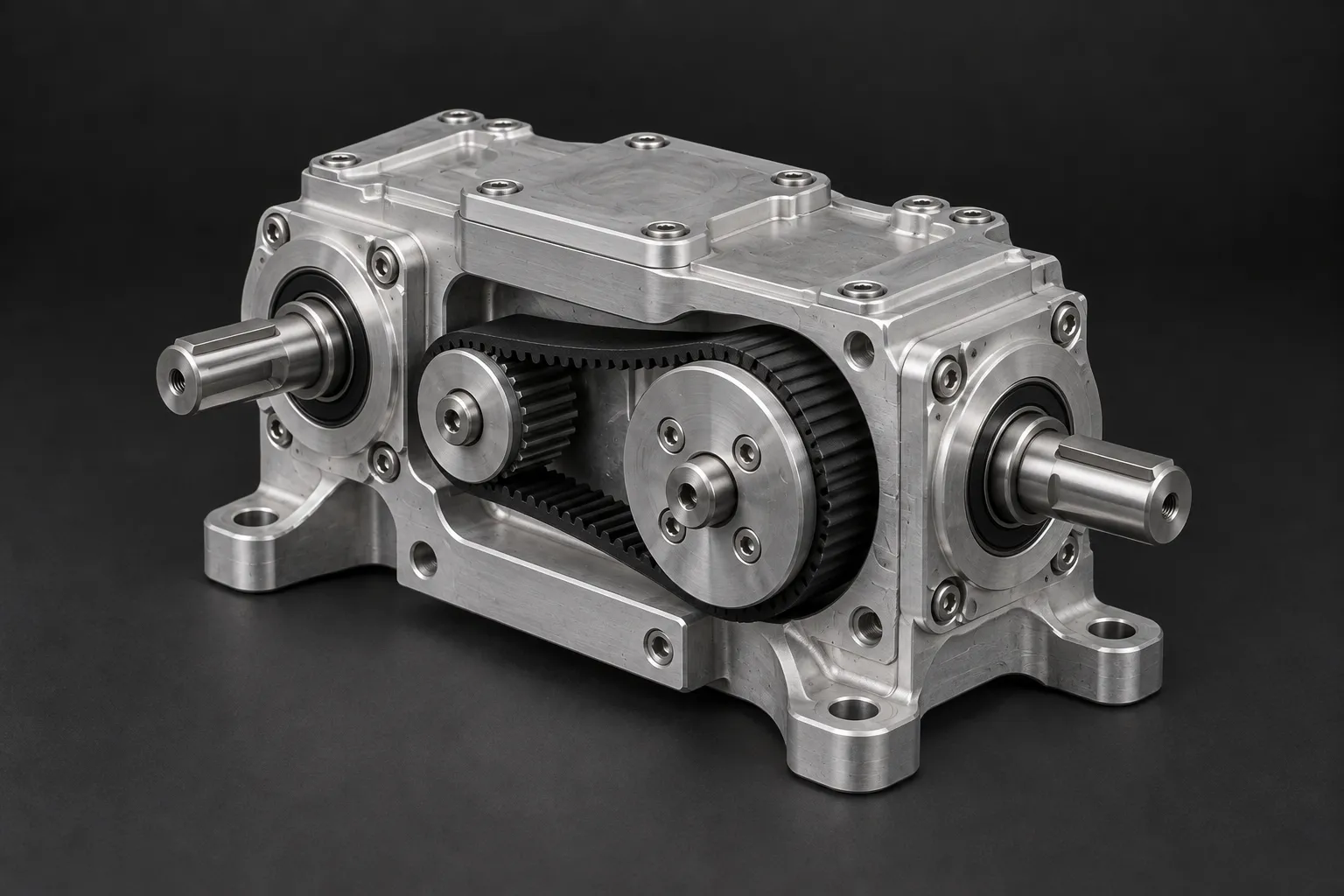
Manufactured and bought-in components brought together, with the interfaces and checks agreed first.
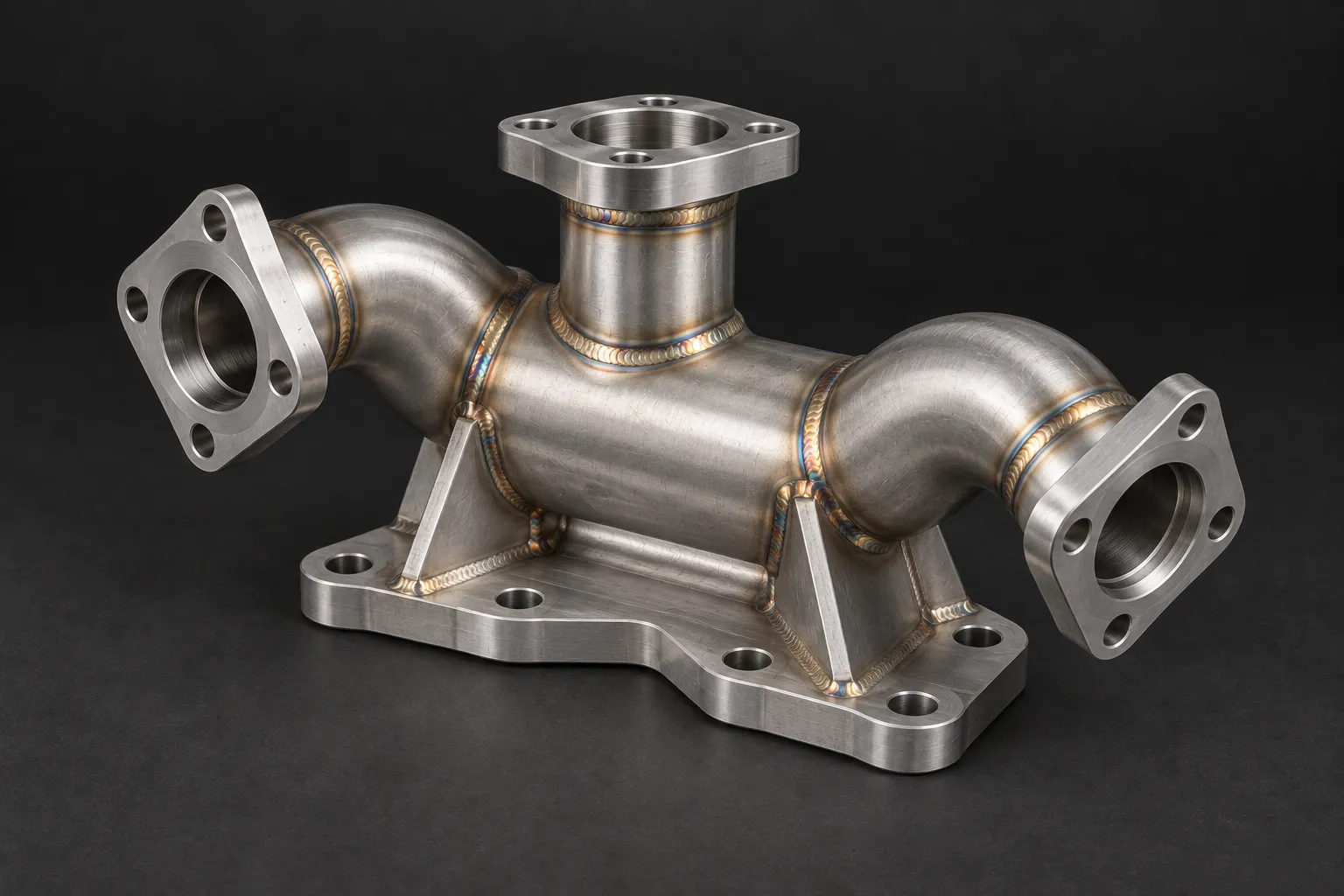
Welded components and fabrications, planned around material, joint access and distortion control.
A UK manufacturer came to MV with a set of frame units that were no longer available to buy, and a production line that depended on them. MV reverse engineered the units, worked out how they were built and manufactured four replacements better than the original.
It was one of MV's larger early programmes and a sign of the work MV is trusted to take on: whole sub-assemblies and frame units, not just individual parts.
The original frame units were obsolete and the customer could not afford downtime. The replacements had to fit the existing line first time and stand up to continuous use.

MV measured the worn units, modelled them in CAD, corrected the weak points and built four frames to a standard better than the original, welded and assembled in-house.
The outcome